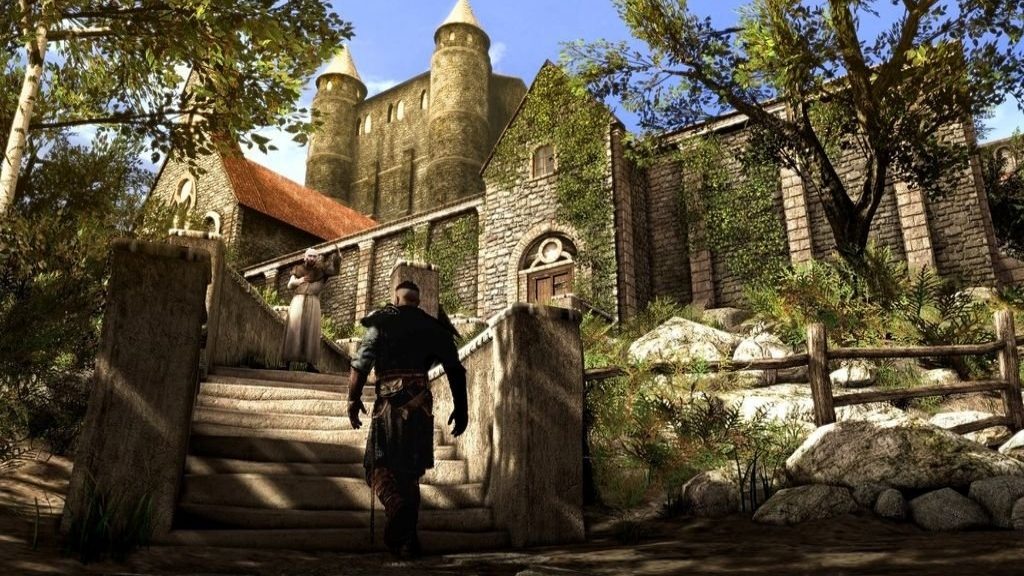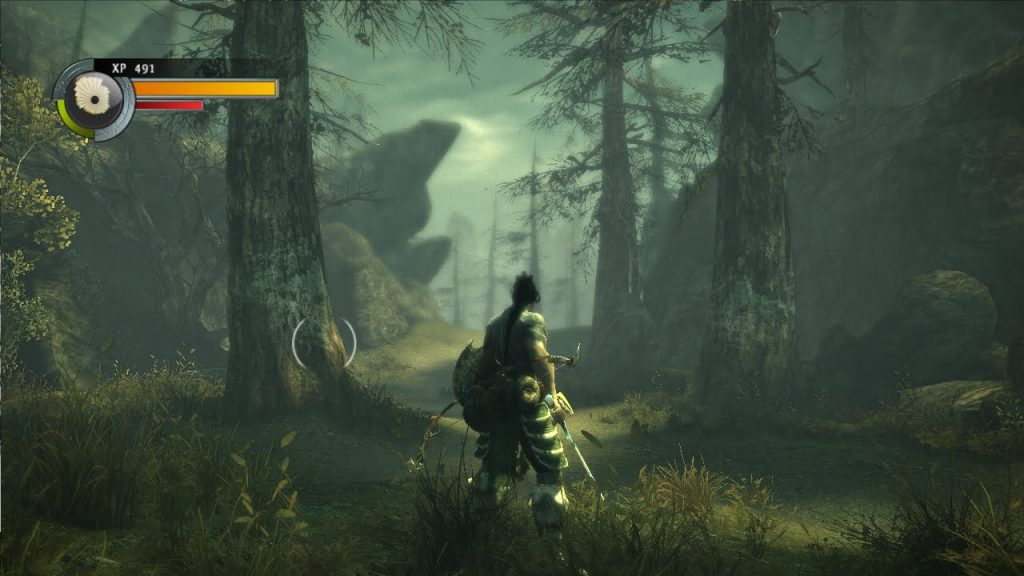
Hellion: Mystery of the Inquisition is a cancelled first person action RPG set in a medieval world, in development in 2009 by Flying Fish Studios, a small team composed of developers who previously worked on The Witcher and Two Worlds. The game was planned for Xbox 360, PC and PS3, set to be released sometime in 2011.
“The demo we saw revolved heavily around swordplay, and we watched as the developer rang a bell to summon a procession of new opponents to hack through. The combat seems to emphasize defense, so if you can block an attack, it leaves your opponent vulnerable to a follow-up blow.
Once he had weakened his opponents, he performed gory finishing moves, hacking their heads off or stabbing them in the heart, and in the full version, you’ll be able to sever limbs as well.
There’s still a lot of work to be done on Hellion, but the developers have plans to include 10 different locations, including Italy, the UK, Spain, and Prussia, as well as lots of medieval weaponry, including daggers, crossbows, and grenades. You’ll also be able to manifest God’s power in the form of exorcisms, ripping demons from the bodies of the possessed enemies, but we’ll have to wait to find out more about this.”
By looking at the remaining footage Hellion looked quite impressive for its time, something like a more linear Elder Scrolls IV: Oblivion set in the real historical age of the 13th century. As announced by Simon Grabowski (CEO at Flying Fish Works) to IGN:
“Hellion is an epic journey through different medieval cultures full of real-life characters, wild animals, rough warriors, powerful Templar knights, deadly assassins and, ultimately, horrifying demons. Our vision is to create a historical fiction game that will put the player in the center of the medieval world, full of its cruelty, intransigence and diversified beliefs. In this ruthless reality, the player will become an eyewitness of great political machinations, unseen brutality and betrayal. He will pave his way to the truth just to find that it is more horrible and dreadful than anyone could imagine.“
There is no official reason why the game was never released, it just vanished forever and forgotten as another unseen game from the 7th generation of consoles. We speculate it could have been canned because of the financial crisis that struck many gaming studios at the end of the ‘00s.
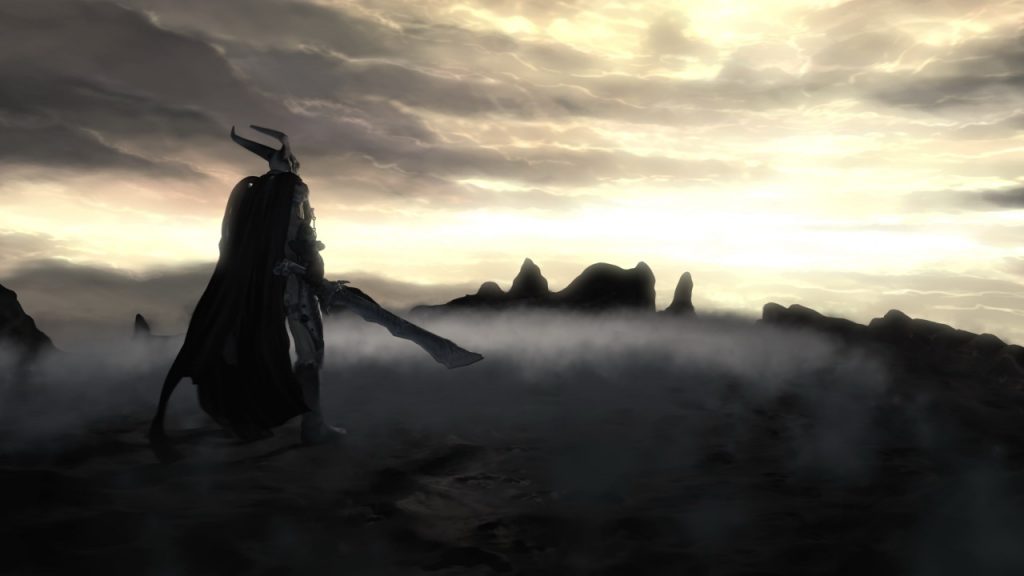
Elveon is a cancelled action adventure, originally planned to be released for Xbox 360 and PC. The game was conceived in 2003 by 10Tacle studios in Bratislava (Slovakia) until their parent company (10Tacle group) had to close down for financial problems in 2008. The project was then acquired by Climax Group and development focused on console (Xbox 360 and PS3), but unfortunately even Climax fell into financial problems and Elveon was canned again.
As we can read on Elveon’s official website (now closed)
“The history of the Elveon project dates back into 2003 when a small team started working on an idea of a fantasy world and game that would bring to life a new perspective – a story set in the “early days” of a fantasy world – a time when the Elves were not yet the old, declining population, guarding the ancient ways, but still a young, emerging race, struggling to take their place in a world dominated by Gods and divine powers. During 2004 to 2007, the project grew and the team expanded up to a peak size of over 70 developers and – utilizing architects, painters and sculptors, managed to give the idea a stunning visual facade that – at its time – represented a benchmark in fantasy design and real-time graphical quality. In 2008, after a series of complications and before a serious attempt for a release could be made, the project had to be abandoned and the team has gradually dissolved. A long period of slumber resulted, with the Rights and Assets being held by different entities. The idea however, did not die with the original project…”
The original concept of Elveon by 10Tacle Studios Bratislava was for a somewhat linear action game with RPG elements, focused on story and complex combat mechanics. The team also planned an online multiplayer mode to let players fight against each other, something that reminds me of Ubisoft’s For Honor or the Versus multiplayer of Dark Souls. For sure Elveon was quite ambitious for its time. As we can read in an old preview by IGN:
“The action takes place in the third person and is centered on deliberate combat. We say deliberate because button mashing won’t get you anywhere. Controlled, precise actions will win the battles against your foes. […] Different moves and combos are conducted through a grouping of directional motions and button presses. Blocking must be done at the right moment to successfully deflect oncoming attacks.”
“All of the attack actions were motion captured using real weapons and it shows in the way spears are swung. They look like they actually have a weight to them. The weapons will also interact realistically with the environment. Blades will glance off of walls and other obstacles directly and it really looks like they’re colliding into something instead of bouncing off in the general vicinity of where it should hit. “
“Nothing is set in stone yet, but there may be some differences between the Xbox 360 and PC versions when they hit retail. After looking at some sales data, the developers are toying with the idea of including more RPG elements in the PC version and keeping the 360 build as a more streamlined action title. […] That’s because both the PC and 360 versions will have an online tournament mode where players can take their character from the game online to fight others one-on-one. “
When Climax acquired the game they changed its structure into something more similar to Zelda, with a main hub to freely explore to reach different dungeons. Probably Elveon’s multiplayer was cut at that time. Not much was ever shown from Climax’s version of the game, but from the few screenshots available (that you can see in the gallery below) it looked a lot like a mix between Dark Souls and Zelda.
After Elveon was cancelled again by Climax, in 2015 former members of 10Tacle studios Bratislava were able to re-acquire trademark, licenses and assets for their old game, to develop it again into something more similar to their original concept.
“Our main goal is to produce quality action RPG game, using newest technologies (UE4) and finish the Elveon dream, which was started 12 years ago with a small group of adventurous developers. Our focus is to use Elveon (book of elves) trademark and Elveon world with its specifics, to bring player whole new fantasy experience. We are taking the best from original game (duel fights, story, specific art style), we are polishing and tweaking it to the highest possible level, adding new features, graphics, using best actual technology available. We hope, to keep the Elveon trademark and world alive and bring the best game experience to players possible.”
Unfortunately this third version of the game seems dead too, with no updates since many years ago and with their official website that doesn’t work anymore.
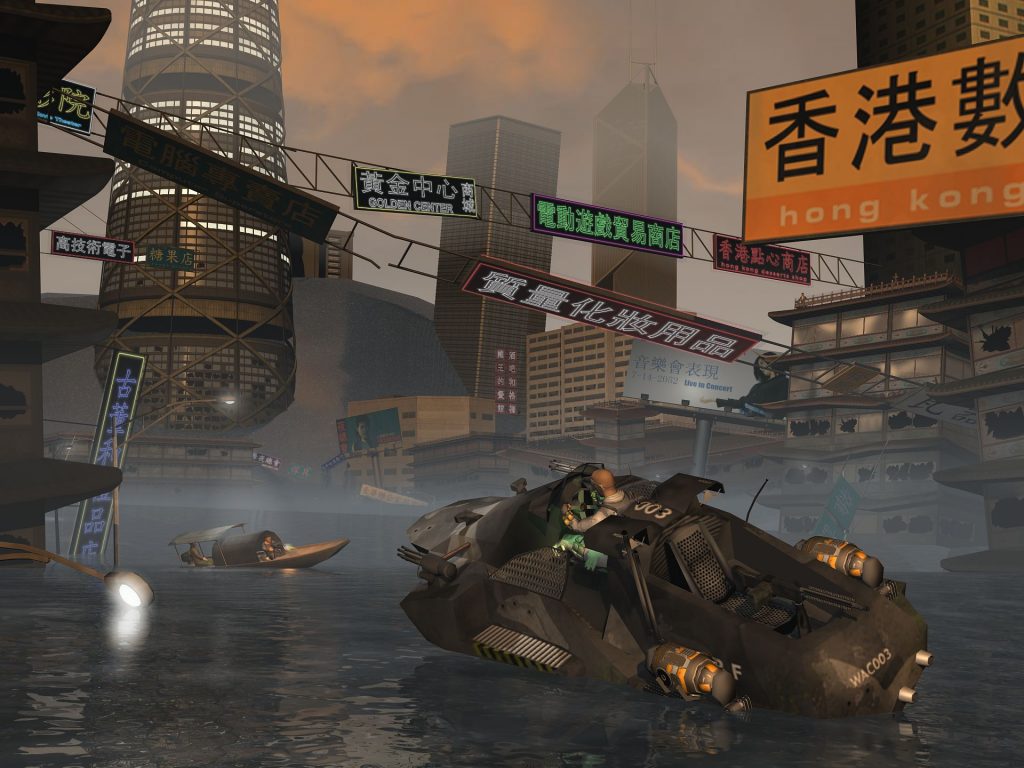
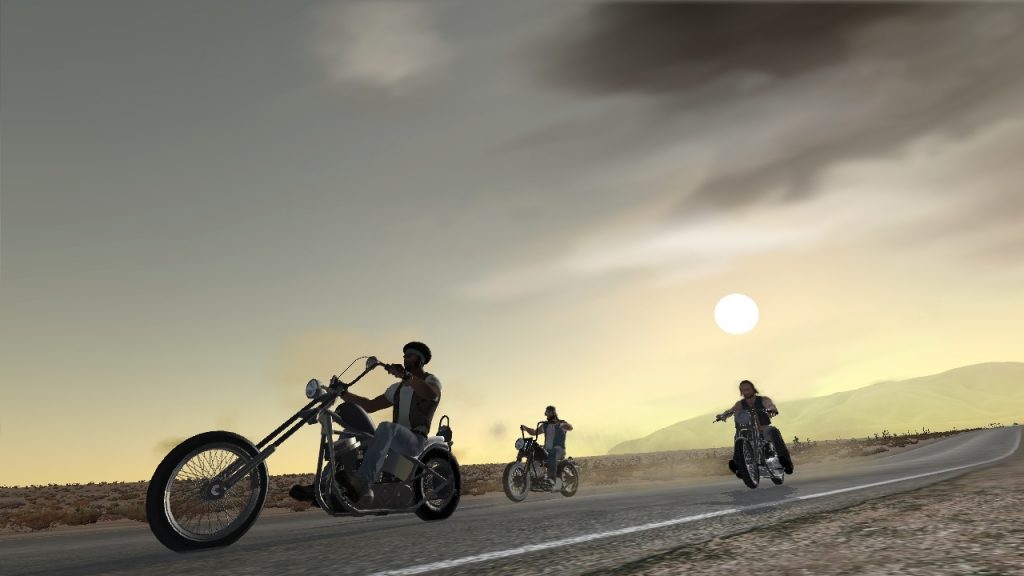
Ride to Hell: Retribution is a low-rated action game developed by Eutechnyx and Deep Silver Vienna, released in 2013 for Playstation 3, Xbox 360 and PC: the game is a linear, buggy, and occasionally tasteless mess. When it was originally announced in late 2008 as Ride to Hell it was meant to be an true open world adventure taking place in 1960’s California, with influences coming from Biker films. The game was planned to be published in 2009 and formally shown off as the cover story for the January 2009 issue of Play magazine.
“Action loaded from the very start with free roaming environments, players can immerse themselves in the liberty and freedom of riding full throttle with their gang on a multitude of different vehicles through the dusty flats of Western America. Protecting their turf, their brothers and their machines from rival gangs is just a taste of what this epic game will involve.
‘Ride to Hell’ is not for the faint hearted; it’s aimed heavily at the player who wants to become fully involved in the original West Coast biker culture. With its hard drinking, bare knuckle environment, this is as close to the action as you can get.
In a movie style production model, the internal Deep Silver studio is teaming up with leading creative companies such as Eutechnyx, Perspective Studios, and others, to bring the authentic and massive game world of ‘Ride to Hell’ to life.”
The keyword to describe the original “beta” game was “free”: freedom to explore the world as you please with your bike. The team’s goals were to create a vast experience, a sandbox world with incredibly high details. Your motorcycle was just as important: it would be used to move around the map, earn respect from other NPC bikers and to show your power. You could have been able to customize your own motorcycle to recreate nearly anyone you’d find in real life.
You would take control of a man named Ray, a Vietnam War veteran returning home to find his world changed. He would soon join a Biker Gang named Devil’s Hand: this would start the game’s adventure, with the mission to earn respect for the gang, to make it grow and heighten your reputation as one of the best bikers. This had effects on gameplay and on the game’s NPCs, with other bikers following you as a posse, drivers being weary about you and Police trying to arrest your gang. All depending on how you would play.
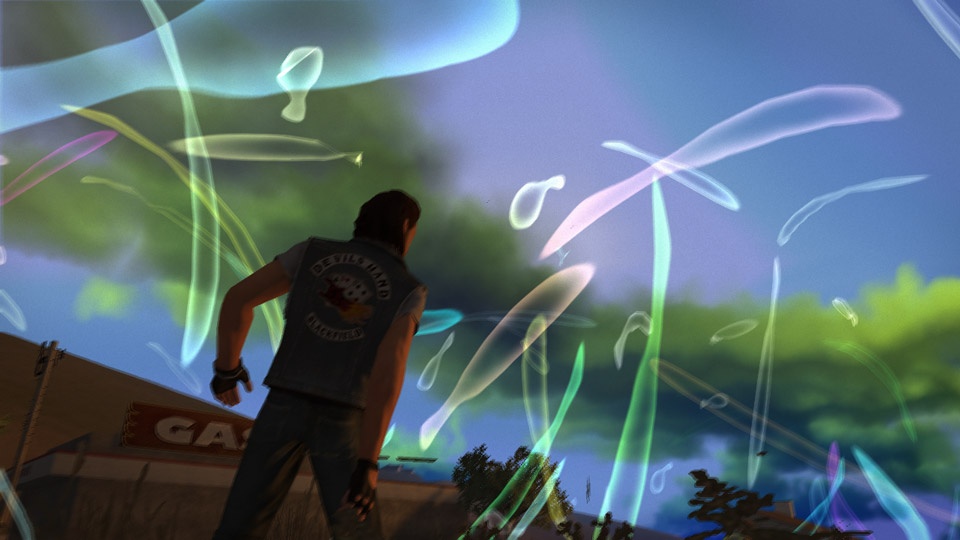
Sex, drugs, rock and roll: these all would find a place in Ride to Hell. Allegedly, over 300 licensed songs were to be featured in the game, fitting each mood, from Blues, Country, to Hard Rock. Born to be Wild by Steppenwolf was even featured in the reveal trailer. In the original beta version of Ride to Hell you could deliver mushrooms to a chef to cook them and eating the wrong one would cause a psychedelic reaction. You could have been able to help a doctor bring special medicine to an outskirts Hippy Joint, work on a porn movie-set to earn a camera you could use to blackmail a sheriff found with a prostitute. These are a few examples of the sandbox mechanics were planned for the original version of the game.
Unfortunately development of Ride to Hell was not going well and the title would be cancelled in 2010, along with the closure of the Deep Silver Vienna team. The game would reappear in early 2013 with only Eutechnyx to develop it, losing most of its original open world and sandbox mechanics. The beta main protagonist Ray was replaced by Jake Conway, a Vietnam War veteran on a quest for revenge after his brother was murdered by the Devil’s Hand, now a rival gang.
In the end Ride to Hell: Retribution was published in 2013 by Deep Silver, a Xbox Live Arcade / PSN game titled Ride to Hell: Route 666 and a mobile game titled Ride to Hell: Beatdown were also planned, but due to the highly negative reception of the main game both titles were later cancelled.
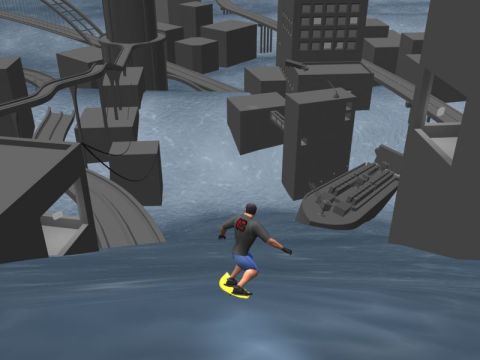
Eden is a cancelled psychological horror game that was in development in 2009 by Zentropa Games as a tie-in / epilogue of the Antichrist movie directed by Lars Von Trier. Zentropa Games was part of Zentropa Entertainments, the Danish film company started in 1992 by Von Trier and producer Peter Aalbaek Jensen and from an interview published on Eurogamer DK it seems that Aalbaek was the one to suggest making a game related to Antichrist.
Eden was based in the same universe as Antichrist, with a new plot starting where the film ends. The player would have assumed the role of Willem Dafoe‘s character, who goes back to the lodge in the woods (called “Eden”) to try to figure out the cause for the violent events seen in the movie. Eden would have been a deep dive into your darkest and most gloomy personal fears, as players had to create their own profile at the start of the game, answering to a series of questions about their fears, and thus making the adventure a very personal experience, that would change for each individual.
We can assume gameplay would have been somehow similar to the Silent Hill series mixed with Heavy Rain and other Quantic Dream games, but played in first person. The game was conceived to be played multiple times, to see all the different endings and events. Zentropa Games planned to release Eden in 2010 for PC, Xbox Live Arcade and PSN.
As we can read in an article by Superannuation published by Kotaku:
“Morten Iversen, formerly a writer on the Hitman franchise at IO Interactive, led the development of the game, and Politiken added that “Von Trier [had to] approve the [team’s] final design. […] In an e-mail, Iversen said Eden “was originally intended to be a companion piece to [the film],” but the development team ultimately felt Antichrist’s audience was too narrow, so they decided to reposition it as a unique story-driven title appealing to people interested in games like Heavy Rain. Iversen compared the connection between Eden and Antichrist to that of S.T.A.L.K.E.R. and the Andrei Tarkovsky film of the same name: there would be elements – the setting and general universe – discerning fans would recognize, but it would still be an accessible product for a larger audience.
The game began “with a short prologue about legal and emotional repercussions” of Antichrist’s events, and then tasked players with “collecting clues in a mystery that slowly unfolds – [they] unlock areas in and around the cabin [from the film],” Iversen said. In order to succeed in Eden, players had to confront their personal phobias and “explore the darkness in [the game’s] universe” and within the players.”
“Even after receiving 100,000 Euro in aid they just couldn’t manage to keep it going. It seems that the games industry in Denmark is coming to a crushing halt as now 4 developers have closed in the last 12 months. “There was just no budget to continue development. Over the years it became increasingly clear that there simply was not enough money,” said Morten Iversen, former head of Zentropa Games to PC World.”
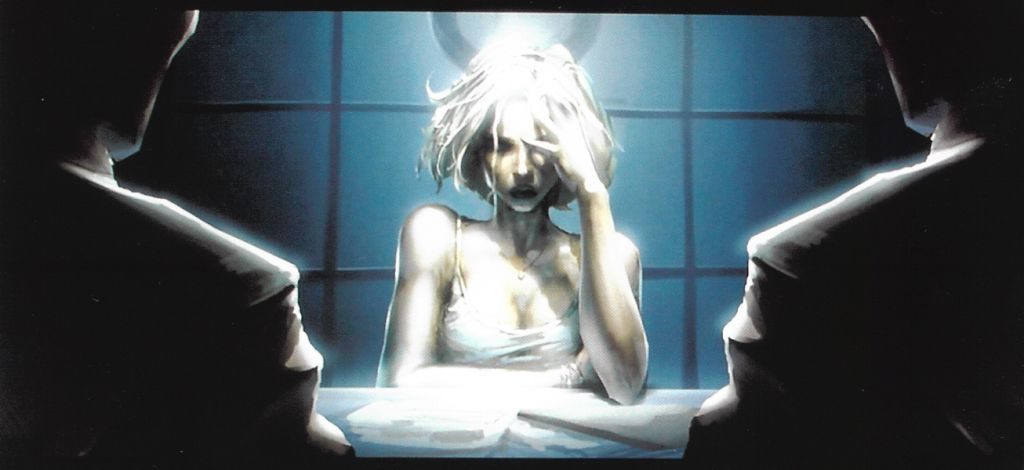
Only a few concept arts remains from the development of Eden: if you know someone who worked on this game that could have some screenshots or videos, please let us know!
Alien Fear is a FPS that was announced in September 2010, initially developed by The Farm 51 and published by CITY Interactive. In February 2011, CITY Interactive was displeased by the work done by The Farm 51 and moved the project to one of their related companies based in Bydgoszcz, Poland. Here was what we could read on Polish website Polygamia on that matter:
The Farm 51 will no longer produce Alien Fear. Reason? The developer does not meet the artistic requirements.
Do you still remember Alien Fear? We didn’t know much about the game itself, except that it was a “shooter set in a science fiction setting with horror elements”, it would probably run on Unreal Engine 3, and that it was to appear only in digital distribution on PS3, 360 and PC. Now we also know that City Interactive has moved its production to its internal studios, or in legal terms: “while retaining all rights to the production elements of the Alien Fear game already made and received” – it will continue producing the game in its own development studios.
The stock exchange announcement states that it was “the Contractor’s failure to properly fulfill its obligations under the contract, in particular the failure to perform the subject of the contract on time and taking into account artistic requirements.”
When asked for a comment, Marek Tymiński from City Interactive told us: “We focus on the quality of our games, we want Alien Fear to become a hit. This will be brought closer to us by the decision to transfer the project to an internal studio, and – which will happen soon – by expanding the team with new faces from abroad and from Poland.
The Farm 51 responded that they still had rights over the work done so far on the game, so CITY Interactive reworked Alien Fear to change some of the previous work, and planned to release it on Xbox 360 and Playstation 3. This was, again, revealed by Polygamia, in April of the same year:
We claim that the withdrawal from the contract made by City Interactive S.A. does not produce any legal effects, and therefore the Agreement is still in force. We were accused of lack of punctuality when the project was delayed by City Interactive S.A. intentionally or at least demonstrating a lack of due diligence or organizational skills. The artistic level of City Interactive S.A. products, which we allegedly did not meet, has been sufficiently documented in reviews of other games of this company, therefore we will not comment on this allegation, leaving the dispute to be resolved by independent experts. All allegations made by City Interactive S.A. are not confirmed by the facts and therefore we argue that they were invented in order to break the Agreement and achieve previously set goals, which we can only guess at. We are convinced of the bad intentions of City Interactive S.A., which may result, for example, from the desire to avoid payment of the contracted amounts from the project budget, mainly sales royalties.
We declare that the copyrights to parts of the project are still owned by The Farm 51 and will only be transferred to City Interactive upon payment of the remuneration. Therefore, until the disputes regarding withdrawal from the contract are clarified, City Interactive S.A. should at least refrain from distributing undue rights to third parties.
The Farm 51
In the late summer of 2012, CITY Interactive restructured and was renamed to CI Games. At the time that they took control of Alien Fear, The Farm 51 reported that the game was 75 percent ready but it is unclear exactly how much was playable.
There are screenshots available of both versions of Alien Fear: the game as designed by The Farm 51 and the later game that was reworked by CITY Interactive/CI Games. Screenshots from the first half of 2011 reveal that Alien Fear utilized a point system similar to the one used in Bulletstorm.
The game’s location was set on a ship in deep space. At this point, Alien Fear was similar in tone to the 2008 game Dead Space with many dark corners populated by monstrous aliens. Others who have viewed these early screenshots of Alien Fear compared it to Doom and Alien. The reworked version of Alien Fear by CI Games used less of an horror setting with larger and more mechanical oriented characters, somehow similar to Gears of War.
In May 2013, Alien Fear was reworked again due to another commitments by the time and title was changed into Alien Rage. As we can see in the screenshots from the second version by CI Games, it featured a slightly different HUD, but mostly a cooperative mode. This was scrapped in the final retail version. The director credited to the game is Mark Bristol. It marked Bristol’s first director credit on a video game and he would also direct Enemy Front in 2014. Alien Rage was released on the PC on September 24, 2013, and later on the Xbox 360, and Playstation 3 in October 2013. It received mixed to negative reviews with many critics focusing on the game’s generic play and glitches.
After Alien Fear, The Farm 51 began work on several new projects, including a FPS mixing The Bourne Identity and Gothic and another FPS with an Indiana Jones atmosphere. They would ultimately create two games for the Xbox 360/Playstation 3: Painkiller: Hell & Damnation and Deadfall Adventures. Work on the Gothic based game likely ended up in Painkiller where the player fights demons, while the Indiana Jones game became Deadfall Adventures which is set in the universe of Allan Quartermain, a 19th century novel and series of films from the 1980’s about an archeologist adventurer.
This website uses cookies to improve your experience, by continuing to browse the site you are agreeing to the use of cookies. Find out more about cookies.Hide
Privacy & Cookies Policy
Privacy Overview
This website uses cookies to improve your experience while you navigate through the website. Out of these, the cookies that are categorized as necessary are stored on your browser as they are essential for the working of basic functionalities of the website. We also use third-party cookies that help us analyze and understand how you use this website. These cookies will be stored in your browser only with your consent. You also have the option to opt-out of these cookies. But opting out of some of these cookies may affect your browsing experience.
Necessary cookies are absolutely essential for the website to function properly. This category only includes cookies that ensures basic functionalities and security features of the website. These cookies do not store any personal information.
Any cookies that may not be particularly necessary for the website to function and is used specifically to collect user personal data via analytics, ads, other embedded contents are termed as non-necessary cookies. It is mandatory to procure user consent prior to running these cookies on your website.