Project Hermes is the code name of a cancelled platform game that was in development at Lucas Learning in 2001. The game was going to be the “spiritual successor” to Star Wars: Super Bombad Racing, using super deformed characters from the Star Wars universe. It seems that the project was stopped early in development and only a small prototype was created before the cancellation.
Parkour is a prototype for a platform / action game that was created by Torus Games to pitch some publisher for a full game. It was loosely based on the extreme sport with the same name, in which people run and jump from city roofs and buildings, to moving from one point to another as smoothly, efficiently and quickly as possible. In the game we would have been able to jump around the city to arrive to the final gateway and fight a boss to complete the level. Sadly it seems that they never found a publisher interested in the project, so Parkour was cancelled.
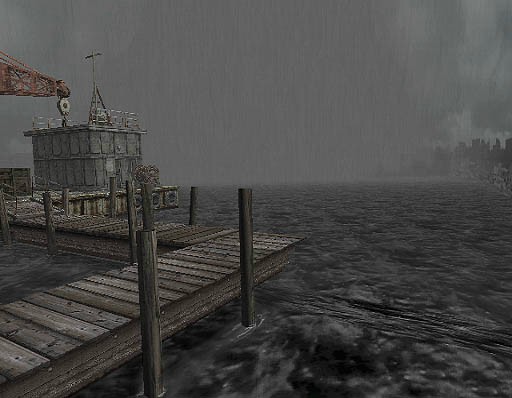
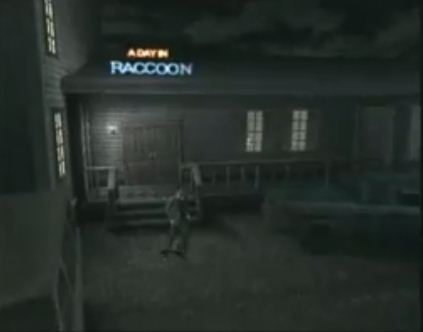
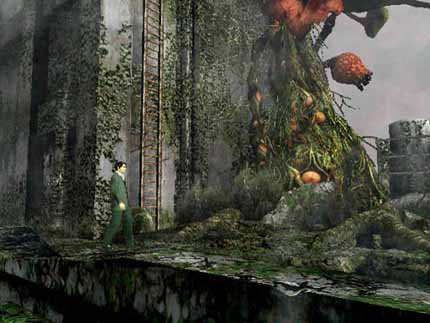
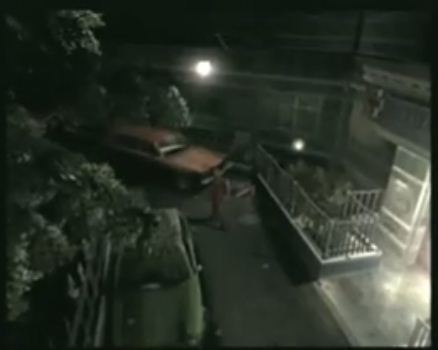
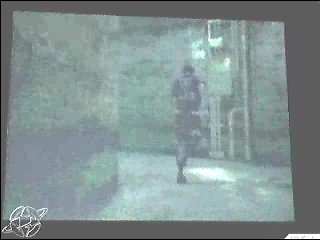
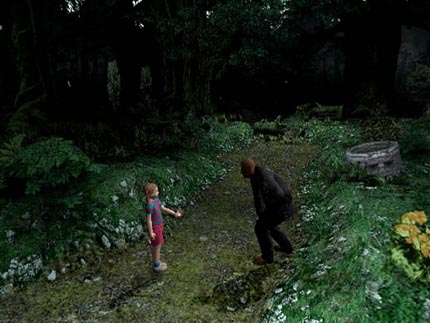
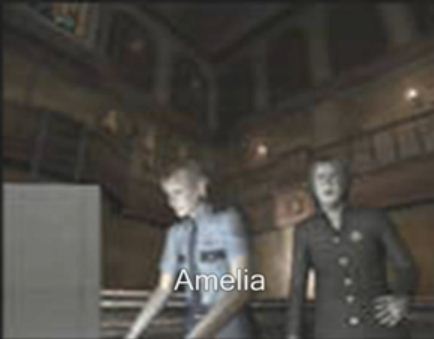
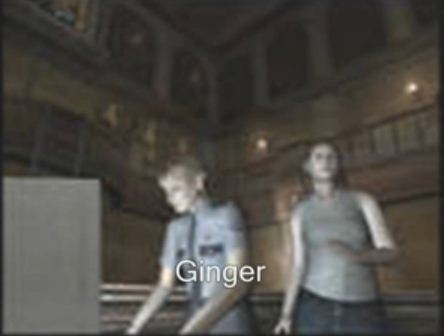
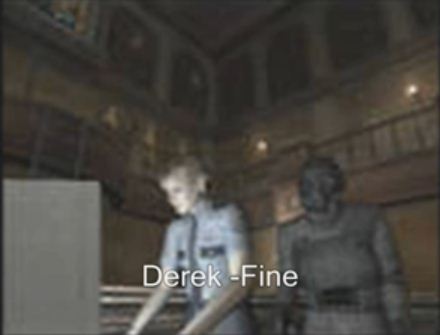
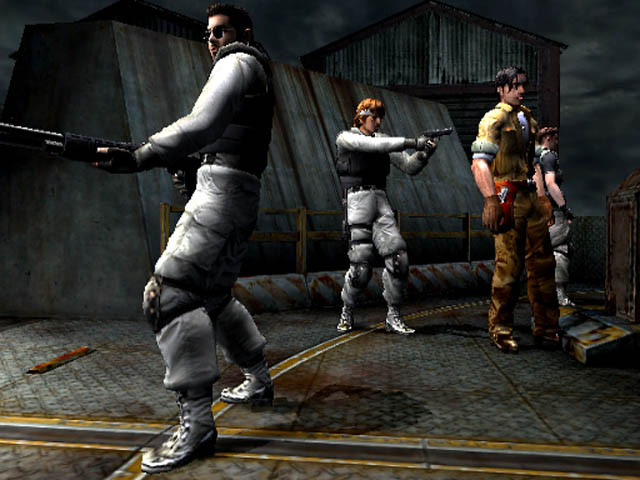
Even if Capcom had already planned an online version of Resident Evil in 2000, Outbreak (aka Network Biohazard) was officially announced only at E3 2002. This beta version was much more ambitious than the game that we got in the end: originally there were about 20 playable scenarios, some of which were completely removed, notably a Dock stage and The Raccoon City Hotel, while others later appeared in Outbreak File 2, like “Flashback”, the episode located in the forest.
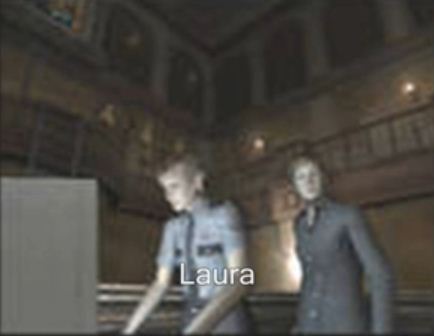
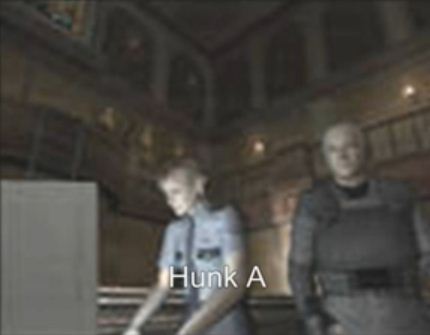
Of course, more levels meant more characters, and unfortunately they had to renounce to include personalities such as little girl with a gun (!), some UBCS members, the fan-favorite Hunk, a policewoman, and on so on. Their polygonal models are still inside the two outbreak games, and it is possible to access them using Gameshark codes.
Another feature prominent in the original trailer was a four player split-screen mode, probably dropped for technical reasons. At the end, Capcom decided to divide Resident Evil Online in two different games: Outbreak and Outbreak File 2. A File 3 was supposed to follow shortly, but Capcom never bothered with the series again.
Here we can also find the videos of the beta versions of the characters endings.
Rock is a space combat sim / mech sim / FPS hybrid that was in development in 1999 / 2000 by Singletrack for PC, but later cancelled because the studio was closed. The team planned to combine 3 genres into a single game, to let the player a lot of freedom in how to resolve the missions. It was an ambitious project, as we can read from a preview published in Computer Gaming World magazine (thanks to Roushimsx on the HG101 Forum):
Imagine a game where you can jump into a tarfighter, dogfight our way to a martian plain, hop out, toss a grenade in a Mech to kill the pilot so you can claim the assault robot for yourself, rampage across a warzone in your new weapons platform and finally jump out and enter a building, killing some fuards before you plat explosives to level it – all of this without any load screens to stall the action.
Cooperative online multiplayer was also planned. After Singletrack closed down, the Rock team ended up moving on to Incognito Entertainment (later purchased by Sony) and started to work on Warhawk for the PS3. You can feel that some of the concepts from Rock were implemented into Warhack.
A new game in the Road Rash series was in development by EA Warrington in 2006, but the project was soon cancelled and the studio was closed. The game was probably in early development when it was canned and only an animation pre-viz was found to preserve its existance. As Tiffany Steckler of EA explained to GamesIndustry.biz:
The UK Studio has decided to reinforce its development base by bringing the creative teams from disparate locations into one place. […] The idea is to have those people who are working in the North West Studio in Warrington closer geographically to Guildford and Chertsey, to help build a more cohesive entity, to have better synergy across teams, better career opportunities and better sharing of tools and libraries
It’s still possible that the Road Rash concept created at EA Warrington could be resurrected sometime in the future in the “bigger” EA UK studio.
This website uses cookies to improve your experience, by continuing to browse the site you are agreeing to the use of cookies. Find out more about cookies.Hide
Privacy & Cookies Policy
Privacy Overview
This website uses cookies to improve your experience while you navigate through the website. Out of these, the cookies that are categorized as necessary are stored on your browser as they are essential for the working of basic functionalities of the website. We also use third-party cookies that help us analyze and understand how you use this website. These cookies will be stored in your browser only with your consent. You also have the option to opt-out of these cookies. But opting out of some of these cookies may affect your browsing experience.
Necessary cookies are absolutely essential for the website to function properly. This category only includes cookies that ensures basic functionalities and security features of the website. These cookies do not store any personal information.
Any cookies that may not be particularly necessary for the website to function and is used specifically to collect user personal data via analytics, ads, other embedded contents are termed as non-necessary cookies. It is mandatory to procure user consent prior to running these cookies on your website.