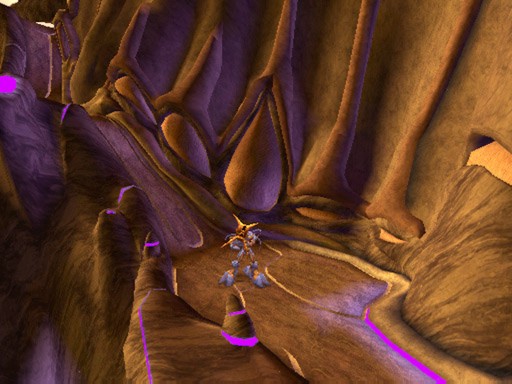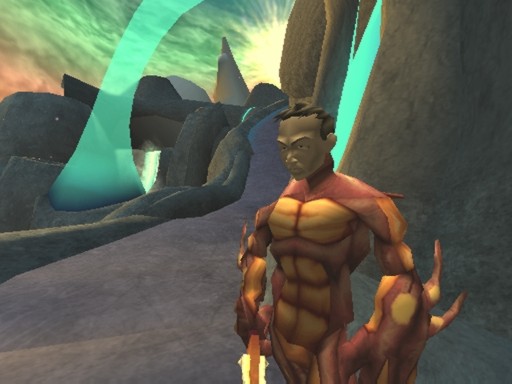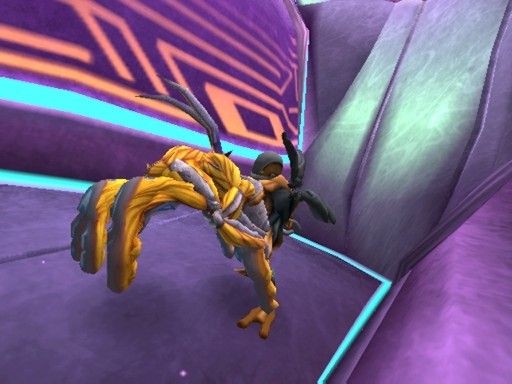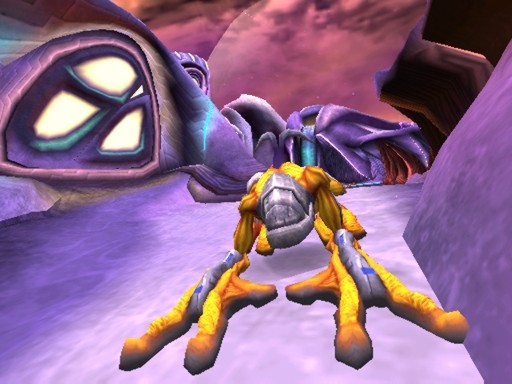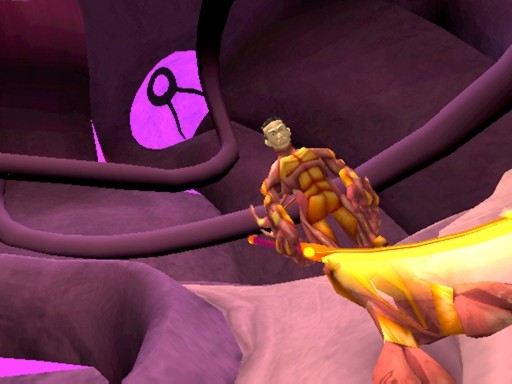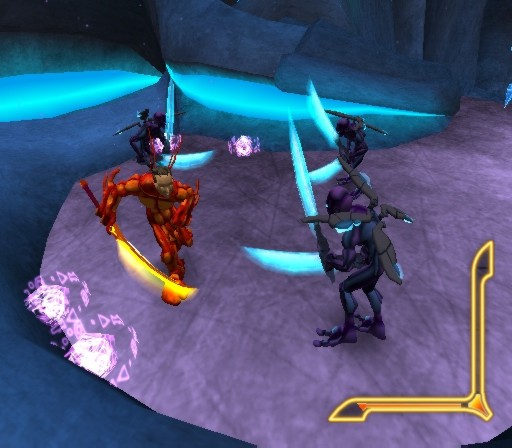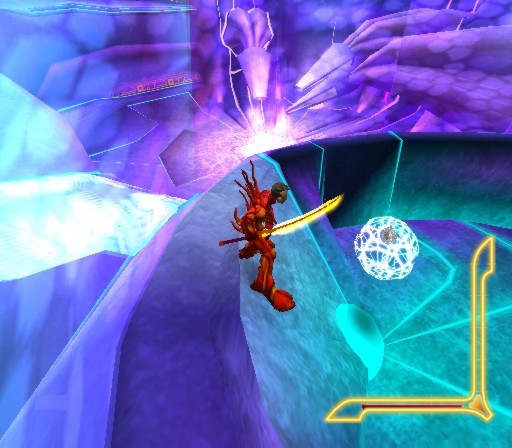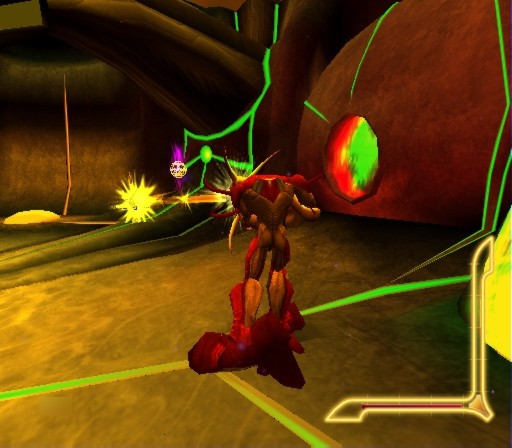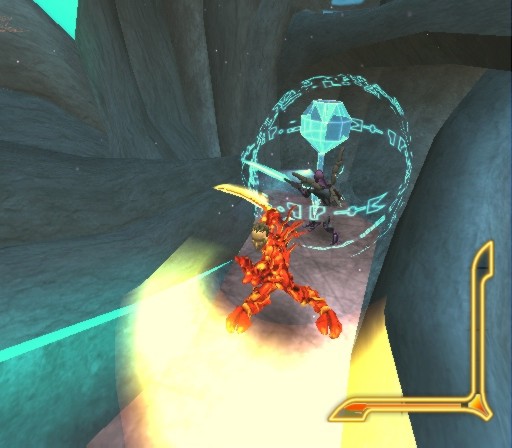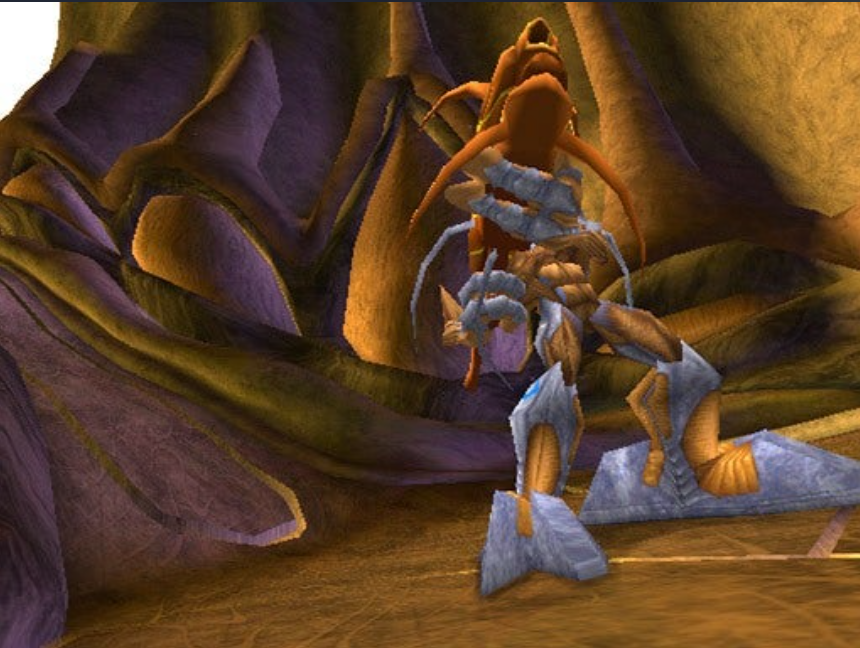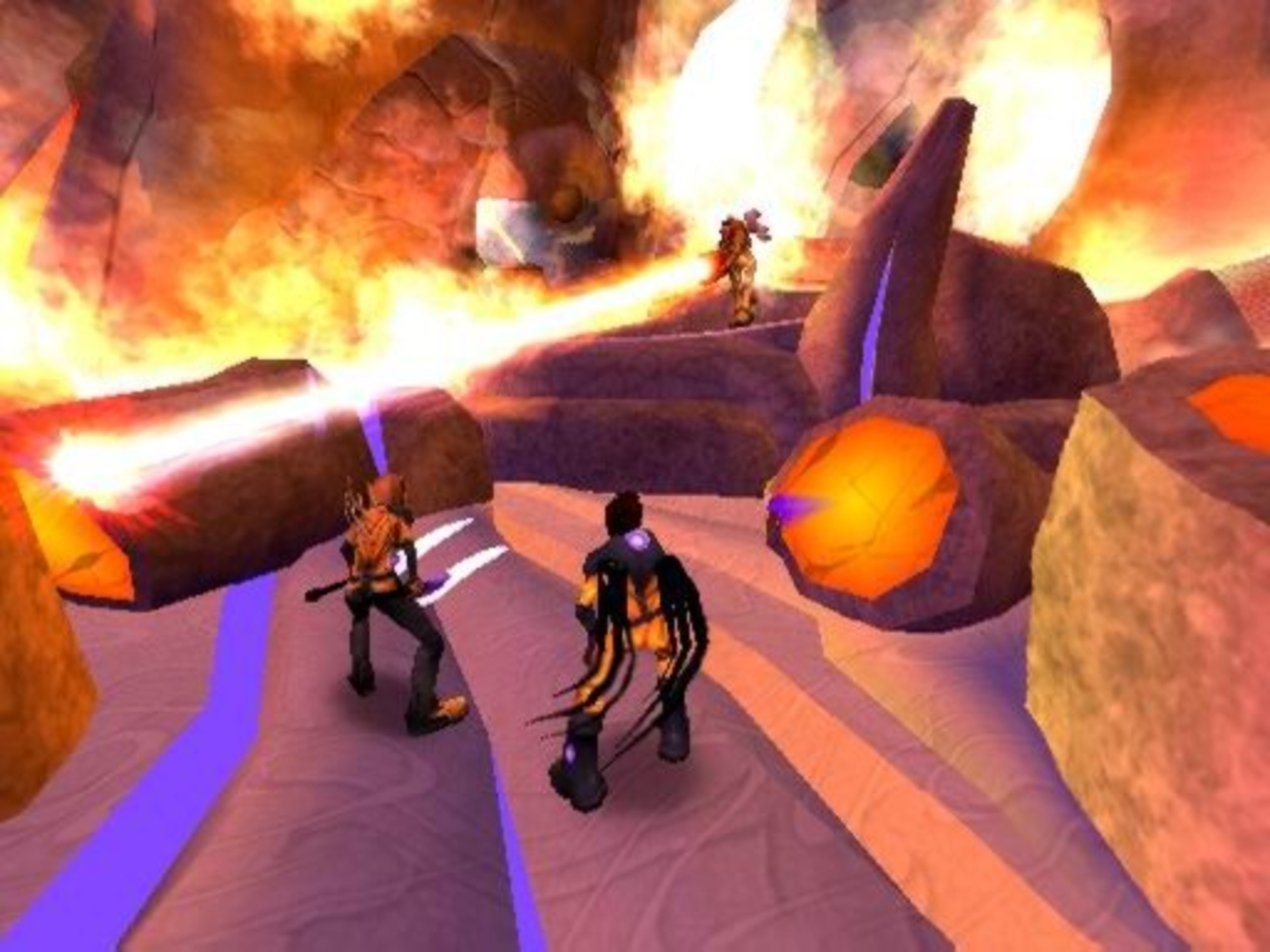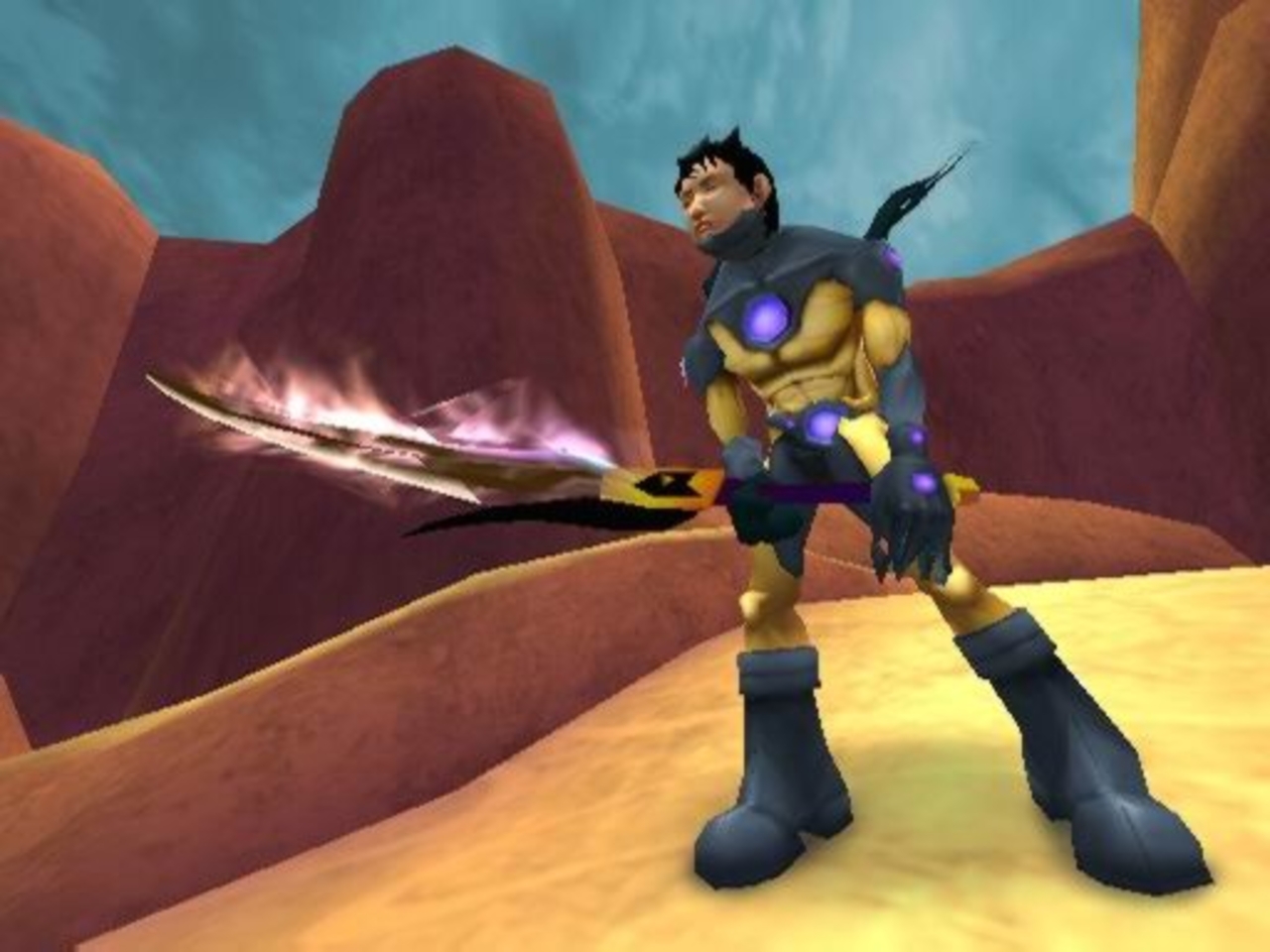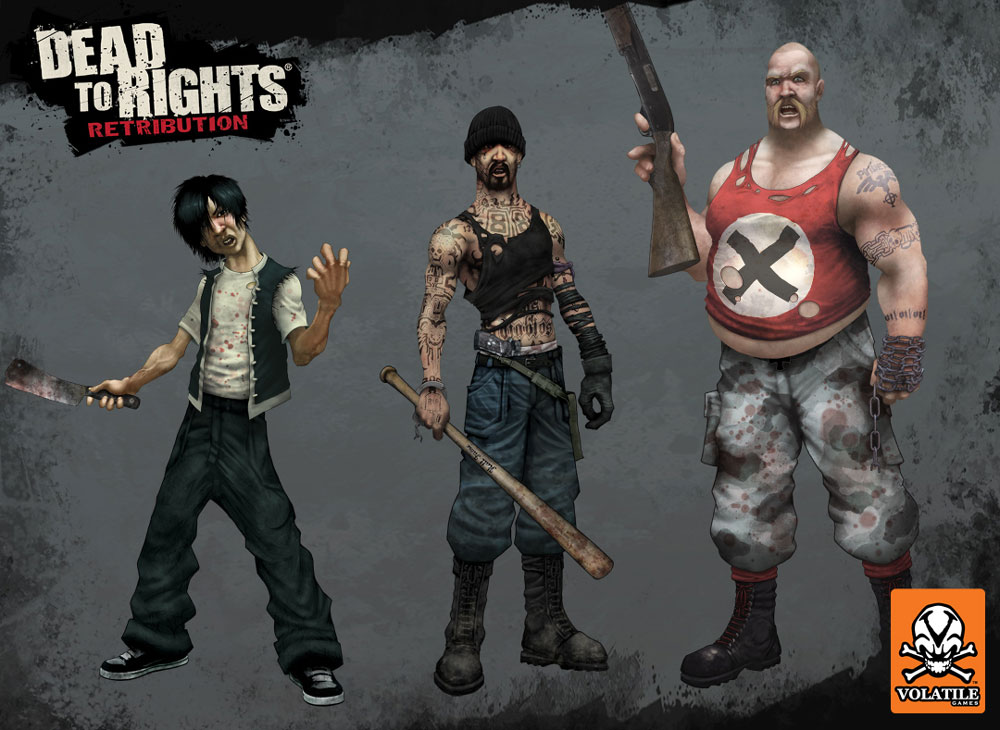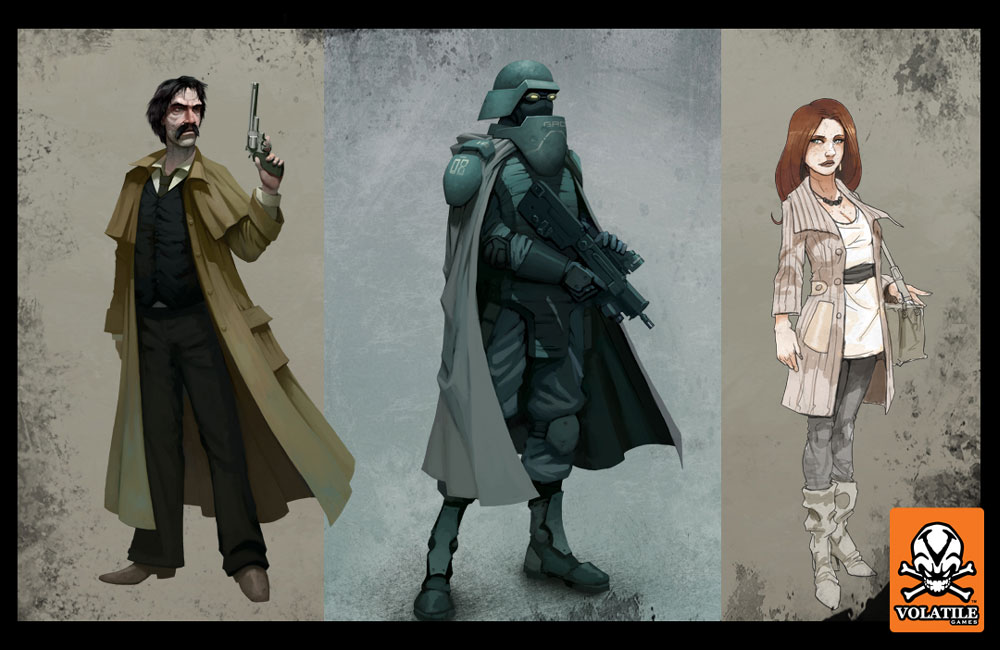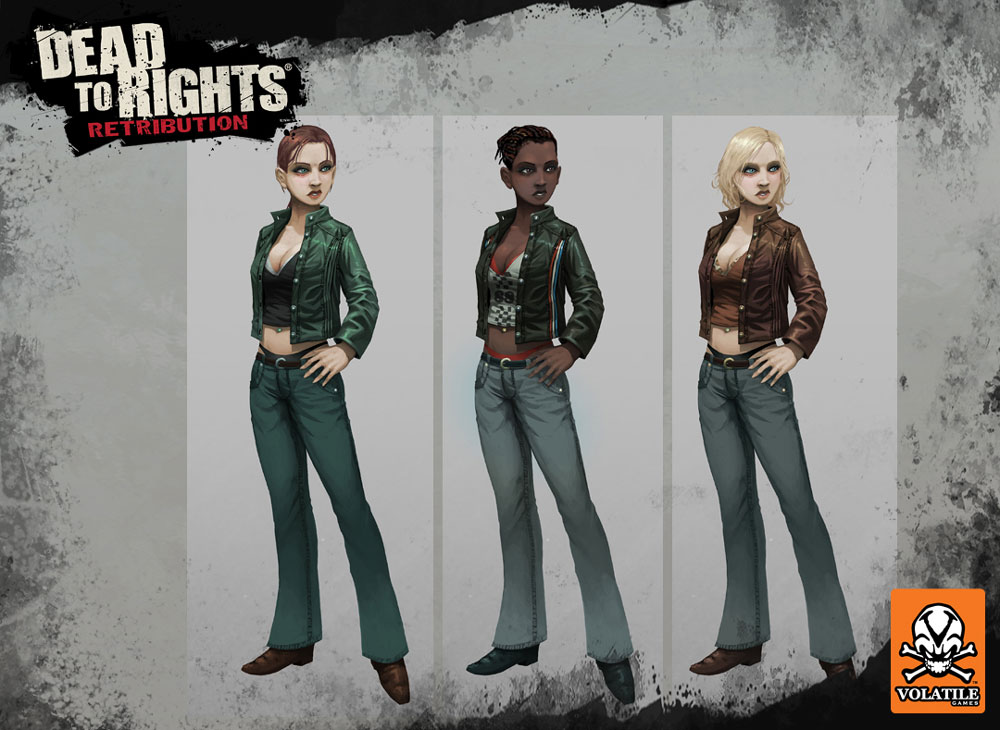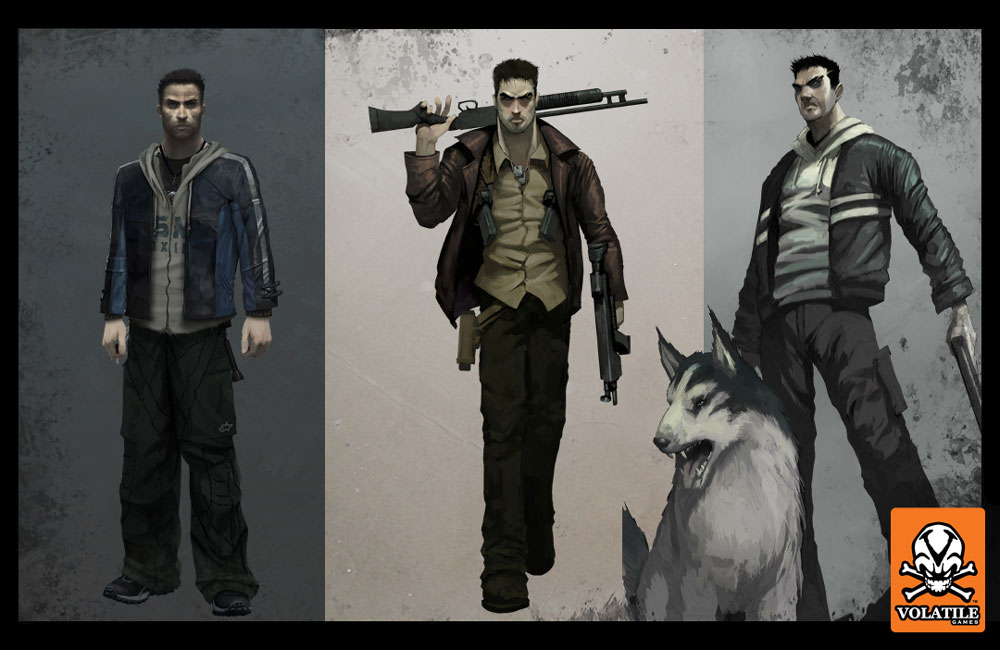
Dead to Rights: Retribution, or Redemptionas it was known early in development, is a third-person shooter developed by Volatile Games and published by Namco in 2010. This is the 4th and last game in the DTR franchise, originally created by Namco Hometek. Below is a trailer that shows several changes prior to the game’s release.
Videos:
Different running animation
Different walking animation
Captain Innesse looks different here
The guy Jack beats to a pulp in the final release looks different here
Slightly different combat animation
Temple Tower is different on the outside
Tseng shoots Triads instead of Police Officers in the trailer
Lack of blurred focus during special execution
Slightly different pause menu
The enemy’s blood splatters on the suit. This isn’t present in the final release.
Early young Jack Slate’s look and outfit
Different HUD
Gun smoke when you fire
Beta gun recoil
Early combat
Early executions
Different environment
Different enemies
Images:
Early sketches of Jack Slate
Early beta look of Marla Bales (found by MrPinball64)
Credit: The environment screenshots are made by artist Darren Nourish.
After the release of Dead to Rights 2, work on a spin-off entry titled Dead to Rights: Reckoning began. According to programmer Kim Randell, this entry started life as 100 Bullets by Acclaim before being cancelled, and some of its assets were used to make DTR Reckoning. The very early screenshots of Dead to Rights: Reckoning led many to believe this entry was just going to be a direct port of Dead to Rights 2, but in the end, it wasn’t. Fun fact: Dead to Rights: Reckoning was Namco Hometek’s last-ditch effort to utilise assets from the cancelled Dead to Rights 2: Hell to Pay. The original sequel to Dead to Rights.
Lead Programmer Kim Randell shares details about the very short development timeframe of Dead to Rights: Reckoning. The video also contains details from Project Lead Time Jones about the cancelled Dead to Rights: Double Tap for the PS2.
Images
Below, you can see a collection of images showing the early build of Dead to Rights Reckoning:
Early box art of the game
Early build of Dead to Rights Reckoning
Gameplay build with Jack’s signature Jacket from DTR2
Beat Down: Fists of Vengeance was Cavia and Capcom’s attempt to revolutionize the beat’em up genre and win over the American market. It took heavy influence from crime and mafia films, and it’s evident throughout the game’s environments and narrative. However, Cavia and Capcom ultimately failed to deliver what they envisioned.
The game began development in late 2003 and was released in 2005 for the Xbox and PS2. Before its final release, a few changes were spotted in early builds. Here are the differences:
IGN videos and E3 2005 Previews:
Enemies have a different HUD on top (purple)
Enemies didn’t have a HUD originally
Destructible environment was removed
The Money icon position is in a different spot
Dirt effect when slaming enemies to the ground
Excessive blood effect during intense fights
The camera angle when throwing the enemy off the walkway in the Train Station area (seen at 1:53) doesn’t change.
Different clothing and hair text in shop.
The Buy sign is different
Brighter lights for cities in early builds
Pressing the circle or B button to pull off the special attack didn’t deplete your health
The notoriety symbol uses Raven’s Jacket instead of the Skull
Tatsuya Minami Interview:
Different interrogation text color
The text showing “recruit your enemy” is in a different position
Name texts are different for both the player and the enemy
Beat Down Trailer
Raven’s VA is different
The call screen is different
Different texts across the game altogether
The wanted meter uses a policeman’s face in this trailer and the word “caution” near it. The final build uses a police badge instead
Different logo of the game
Again, the special attack doesn’t deplete your health
Breakable environment
Blood splatter on the floor
Images of early builds, along with three concept arts
Early Jason G concept art
The earliest concept art of Gina
Concept art of Gregorio
Original logo of the game
YouTube video documenting the commercial and critical performance of the game
Stranglehold is a fantastic third-person shooter developed by Tiger Hill Entertainment and published by Midway Games in 2007. However, before Midway partnered with John-Woo to make his masterpiece, the idea actually originated in 2003 when SEGA and John-Woo joined forces for a potential three games. The first game was called Sinner. Players would have to assume the role of an assassin who, after being murdered during a contract, is sent to hell. If they’re able to escape the 18 levels of what the lead character determines is Buddhist hell, they’ll have a chance to avenge your death back on Earth and return to the woman you love.
The second game was called Burglar. The player will play as the estranged son of a world-class thief whose father is ironically killed in his own home by a common burglar. With no experience but a number of tools left behind by their father, the player will turn to thievery and set out to avenge their father’s death.
And lastly, Stranglehold. The original pitch was slightly different from the final product. The game would have revolved around two men on opposite sides of the law whose lives become intertwined when the son of a cop is murdered, and the blame is laid on an innocent gang leader. Little is known about this pitch other than a magazine overview.
Unfortunately, SEGA and Tiger Hill Entertainment’s partnership didn’t last long, and all three projects were cancelled.
Dead to Rights 2: Hell to Pay was originally planned as the direct sequel to Dead to Rights, continuing Jack Slate’s relentless fight against crime. However, Namco Japan’s abrupt shift toward outsourcing first-party titles to external developers led to its unfortunate cancellation. In its place, Namco Hometek brought in WideScreen Games to develop a completely different version of Dead to Rights 2, one that bore little resemblance to the ambitious sequel that was once in the works.
The impact was severe. Gameplay had to be scaled back, the story was rewritten—twice—and core mechanics that were meant to elevate Dead to Rights 2 were heavily downgraded to meet tight deadlines.
Initially, Hell to Pay was meant to follow Jack Slate and his loyal companion, Shadow, as they dove headfirst into a dangerous conspiracy to save Jack’s friend, Preacher Man Jones. As revealed in Game Informer’s November 2003 issue, this version promised a darker, more intense experience. But by the time Dead to Rights 2 resurfaced at E3 2004, something had changed. Jack was no longer on a mission to save his friend. Instead, the narrative mysteriously shifted to protecting a mysterious—possibly blonde—girl. His overall look was also altered.
Then, as the game neared completion, Dead to Rights 2 was no longer planned as a sequel. Instead, the game was rebranded as a prequel. Evidence of its troubled development was everywhere—unfinished combat animations, stripped-down mechanics, and missing environmental effects, all signs that Dead to Rights 2 had suffered from a troubled development cycle.
In the comments, Vincent was right to spot that Dead to Rights: Reckoning was, in essence, the remnants of Dead to Rights 2: Hell to Pay. It was Namco Hometek’s final attempt to salvage the original sequel’s concept and give players a glimpse of what could have been. Unfortunately, the effort fell short. Only fragments of the original vision made it into the game, while the rest was lost to time.
Below, you’ll find full images from the original Dead to Rights 2: Hell to Pay alongside those from the E3 2004 version shown separately, allowing you to see firsthand how the game evolved—and how much it changed—throughout development. A documentary video was also made to show you what went behind the scenes of the game’s development.
Thanks to Vicente and Evan Hanley for the contribution!
Edit: 9/2/2025
Images of the original Dead to Rights 2: Hell to Pay:
Dead to Rights 2: Hell to Pay write-up by Game Informer
Dead to Rights 2: Hell to Pay (E3 2004):
Early box cover
Bonus – Dead to Rights 2: Beta footage
Differences:
Different HUD design
Cut music (mostly generic from pre-beta)
Some different gun sfx (in early Xbox build)
Videos:
Fan-documentary with never-before-heard insights from producer and lead artist Pierre Roux:
This website uses cookies to improve your experience, by continuing to browse the site you are agreeing to the use of cookies. Find out more about cookies.Hide
Privacy & Cookies Policy
Privacy Overview
This website uses cookies to improve your experience while you navigate through the website. Out of these, the cookies that are categorized as necessary are stored on your browser as they are essential for the working of basic functionalities of the website. We also use third-party cookies that help us analyze and understand how you use this website. These cookies will be stored in your browser only with your consent. You also have the option to opt-out of these cookies. But opting out of some of these cookies may affect your browsing experience.
Necessary cookies are absolutely essential for the website to function properly. This category only includes cookies that ensures basic functionalities and security features of the website. These cookies do not store any personal information.
Any cookies that may not be particularly necessary for the website to function and is used specifically to collect user personal data via analytics, ads, other embedded contents are termed as non-necessary cookies. It is mandatory to procure user consent prior to running these cookies on your website.