Imperial Force (インペリアルフォース) is a cancelled space-combat simulator / strategy adventure that was in development by SystemSoft around 1992 and it would have been published by Takeru (AKA Sur de Wave, mostly known for being the developers of Little Samson and Cocoron for the NES) for PC Engine. A short preview for the game was published in PC Engine Fan magazine (May 1992) and japanese collectors even found an early prototype of the game, that was sent to the gaming press at the time. In the end Imperial Force just vanished and we don’t know if this PC Engine port was ever completed before being canned.
If you can translate the most important details found in the japanese previews preserved in the gallery below, please let us know in the comments!
Digital Extremes is a Canadian video game developer founded in 1993, best known for creating Warframe, Dark Sector, The Darkness II and co-creating Epic Games’ Unreal series. Around 2012 the team was working with Square Enix to develop a new action adventure set in a fantasy vampire world, possibly to be published for Xbox 360, Playstation 3 and PC.
Unfortunately the project was never officially announced and they cancelled it in the end: we don’t have any more information about how it would have been played nor why it was never completed. Some concept art from this Vampire Hunter game is preserved below, to remember the existence of this lost project.
A Doctor Who video game, based-off the science-fiction series of the same name, was being developed by Australian developer IR Gurus Interactive (later rebranded Transmission Games). The game would have coincided with the first series of the revived 2005 tv-show starring Christopher Eccleston as The Ninth Doctor and Billie Piper as Rose Tyler. Development lasted half a year and was funded through substantial government subsidies. The reason for its cancellation according to Paul Callaghan who worked at the studio was simply “It’s complicated”.
“I’d wanted to work on a Doctor Who game since I was about 11 years old, so this was kind of a dream project for me,” said Callaghan. “When it was cancelled, I had to take a step back to work out whether or not this was the career I wanted to pursue.”
As to the plot for the game, it is vague whether the details given by Callaghan are what was planned for it. From the Sydney Morning Herald article:
“He conceived a plot around aliens modifying the human race with airborne nanobots, allowing companion Rose Tyler to undergo some changes: “We could give her some cool alien powers!””
According to Andy Widger, then head of communications for BBC Worldwide, there were no intentions of releasing it as he told website GamesRadar:
“The news of a Doctor Who game is a little premature. At present the only work being done is on an interactive demo for internal evaluation. There is no firm proposal for a game and no commitment to particular formats or an idea of a potential release date – and no screenshots.“
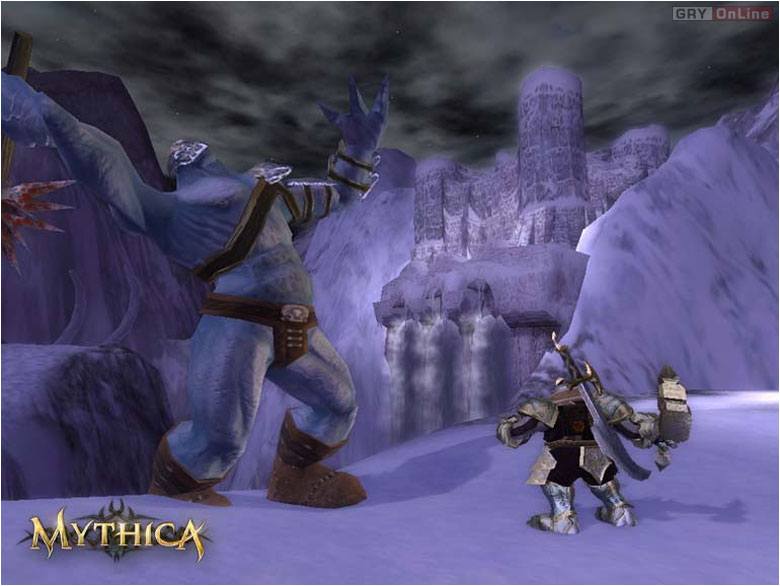
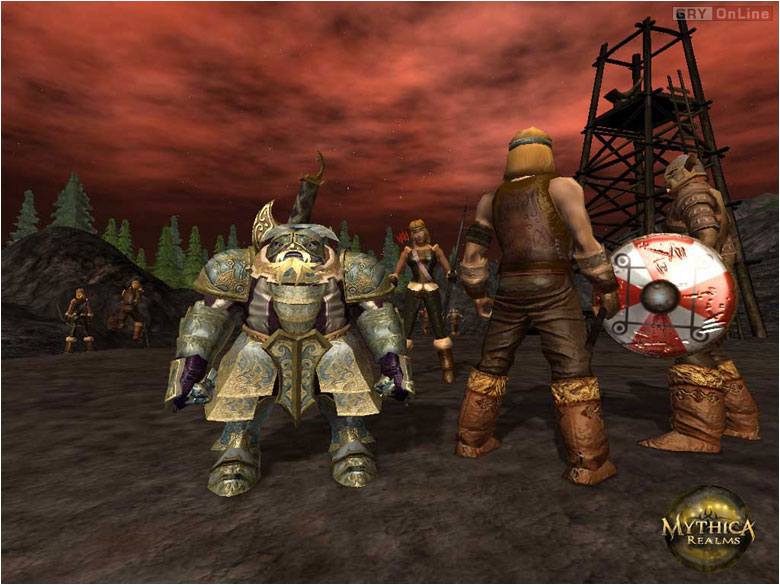
Mythica is a cancelled MMORPG based on Vikings folklore and Norse mythology that was in development by Microsoft Game Studios between 2002 and 2004, planned to be released on PC. At the time most big gaming companies tried to launch their own massive online multiplayer games, as it was quite a lucrative market (at least until they over-saturated it). Mythica boosted impressive graphics for its time, and Microsoft also promised fun gameplay mechanics.
“When playing ‘Mythica,’ players will feel like genuine Norse heroes on a personalized journey unique to them,” said Adam Waalkes, studio manager for role-playing games at Microsoft Corp. “Through ‘Mythica,’ Microsoft Game Studios will revitalize the massively multiplayer genre by putting the focus where it belongs: on gameplay.”
In the quest to become the one true hero in a vast gaming world, players may adventure with a band of fellow immortals into huge, populated public spaces or enter a Private Realm. “Mythica’s” Private Realms Technology envelopes players in story lines and environments that react to their actions in private areas of the world. Here players become the central characters in a heroic tale where actions have lasting consequences in their own persistent game world.
The Private Realms are spread across several traditional planes of existence from Norse mythology, from the grassy fields and eternal spring of Asgard to the fiery heart of Muspellheim. Using godlike powers, players can dispel droves of menacing monsters with a single blow or battle massive, monstrous beasts such as the Midgard Serpent.”
In 2011 Justin Olivetti wrote a great article about why Mythica could have been a great addition to the MMORPG market:
“No matter how similar MMOs may be to each other, each one needs a “hook” that devs and marketers can bandy about to capture the imaginations of gamers. […] With Mythica, the hook was “Let players be gods.”
[…] Each day, players would get to choose whether they wanted to adventure in an open world setting or in personalized “private realms” that would change the game according to their deeds. In private realms, what you or your small group of friends did would have a lasting impact on the game world — as long as you were in that version of the game, that is.”
Mythica’s development team consisted of about forty people, but most of them were fired in 2004 when the game was officially cancelled. Just a year before Microsoft already faced another sudden problem: Mythic Entertainment (developer of popular MMORPG Dark Age of Camelot) sued Microsoft, seeing in the similarity between their name and Mythica. We could speculate it was just a way to get some money from Microsoft or interfere with their game, seeing it as a potential competitor in the same genre as DAoC. In the end Microsoft just recognized the MMORPG market was over saturated: it would have been risky to proceed with Mythica’s development, so the project was canned.
Angelus 2: Holy Night is the cancelled sequel to Enix’s Angelus: Akuma no Fukuin, once in development by Asmik Ace Entertainment with such names as Yuzo Koshiro and Hiroyuki Kitazume working on the project, planned to be released for PC Engine and PC-98. The first game was a beloved visual novel, released only in Japan around 1988: Angelus 2 would have continued the story, left unfinished with a huge cliff-hanger. Somehow a CD-R containing data from this unreleased sequel was found some years ago by collectors, who later uploaded the content online: it seems the main plot was complete and you can listen to audio files (in japanese) to understand what would have happened in the final game:
“Angelus 2: Holy Night’s protagonist is Brian Pearl, the same reporter from the previous game. After the incidents seen in Angelus: Akuma no Fukuin, Brian and Ellis left London and had their wedding in New York. Two years have passed since then, and Brian is asked to cover a series of deaths happening in New York, caused by a strange disease (just like in the first game). He declines this request, as he doesn’t want to be involved again in a bizarre incident. Unfortunately his editor receive a letter warning of the next murder: the minister who witnessed the marriage of Brian and Ellis would be killed. Brian goes to the church, but the minister is already dead. He then decides to cover this case, because the mysterious disease has spread to people close to him. However, people involved in Brian’s life are dying one after another. As he continues his investigation, he discovers the existence of a group of evil spirits behind the incident and the resurrected demon Seva.”
In the end it seems the game was canned because the team switched development to the PC engine CD-ROM2, but the hardware sold poorly and they just decided to stop working on it.
This website uses cookies to improve your experience, by continuing to browse the site you are agreeing to the use of cookies. Find out more about cookies.Hide
Privacy & Cookies Policy
Privacy Overview
This website uses cookies to improve your experience while you navigate through the website. Out of these, the cookies that are categorized as necessary are stored on your browser as they are essential for the working of basic functionalities of the website. We also use third-party cookies that help us analyze and understand how you use this website. These cookies will be stored in your browser only with your consent. You also have the option to opt-out of these cookies. But opting out of some of these cookies may affect your browsing experience.
Necessary cookies are absolutely essential for the website to function properly. This category only includes cookies that ensures basic functionalities and security features of the website. These cookies do not store any personal information.
Any cookies that may not be particularly necessary for the website to function and is used specifically to collect user personal data via analytics, ads, other embedded contents are termed as non-necessary cookies. It is mandatory to procure user consent prior to running these cookies on your website.