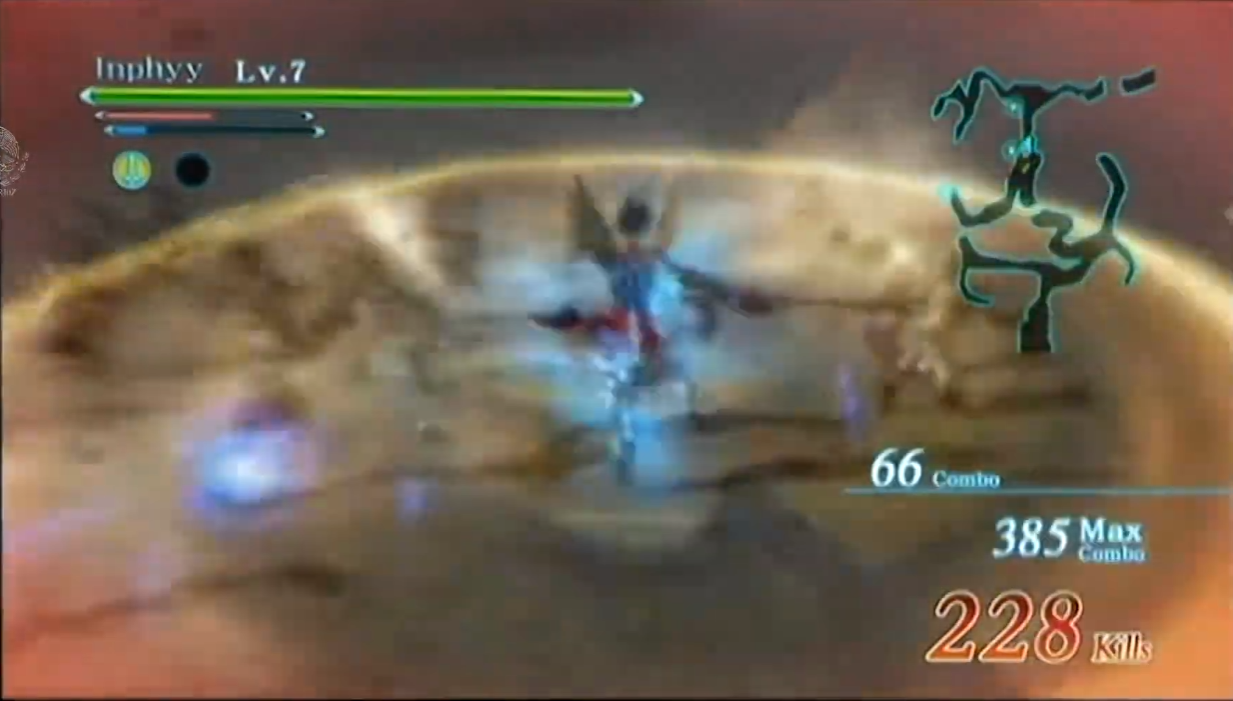
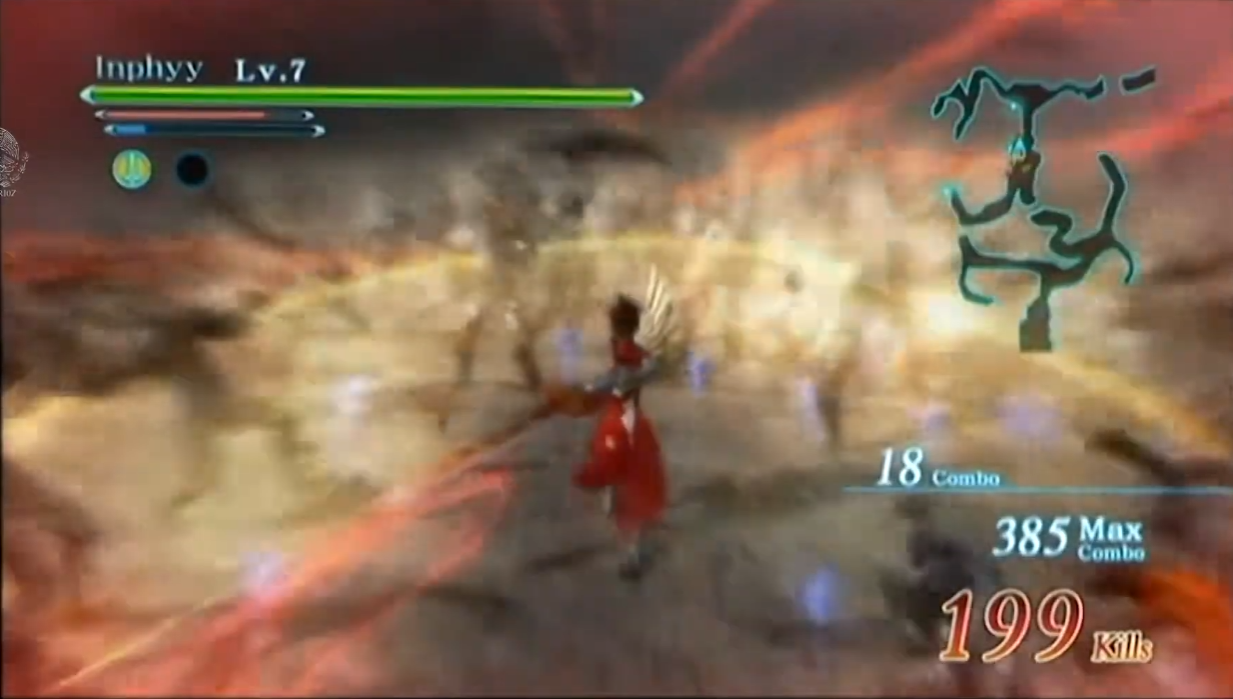
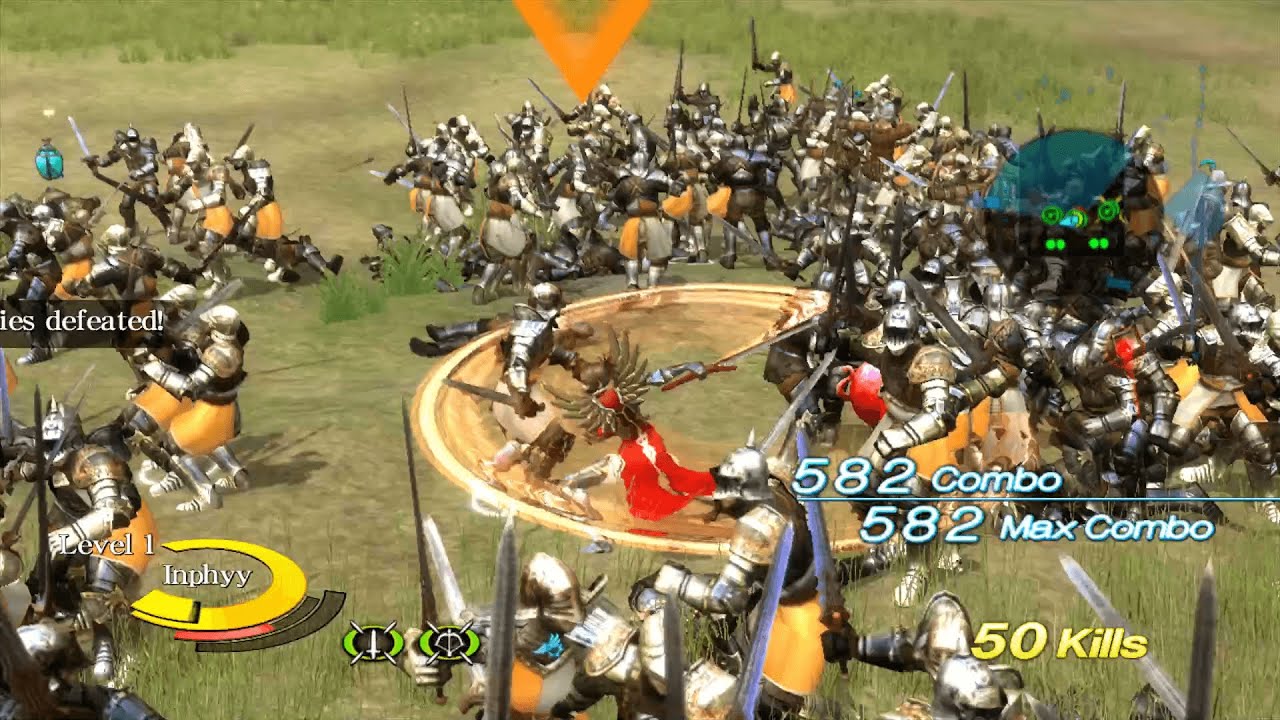
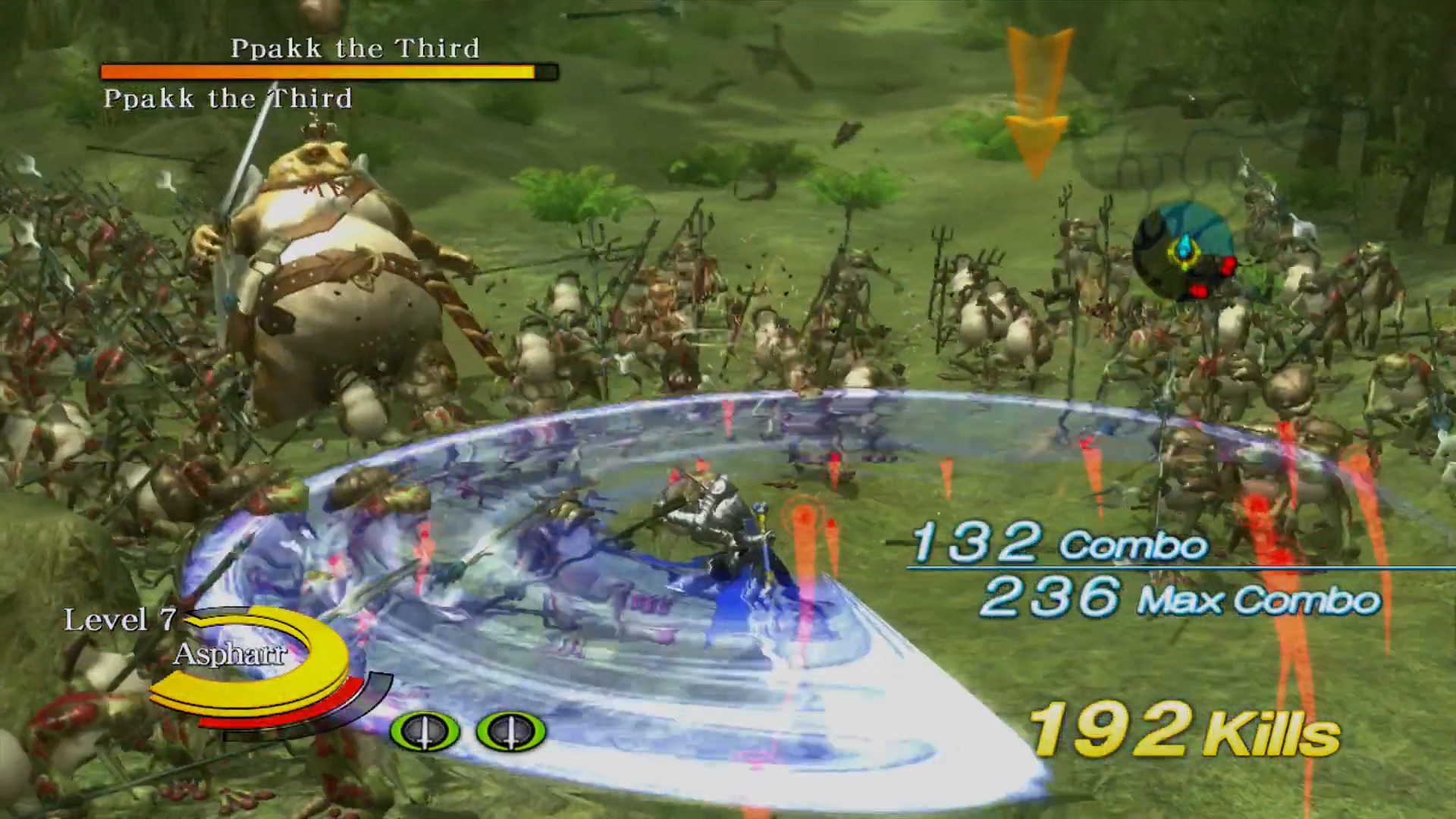
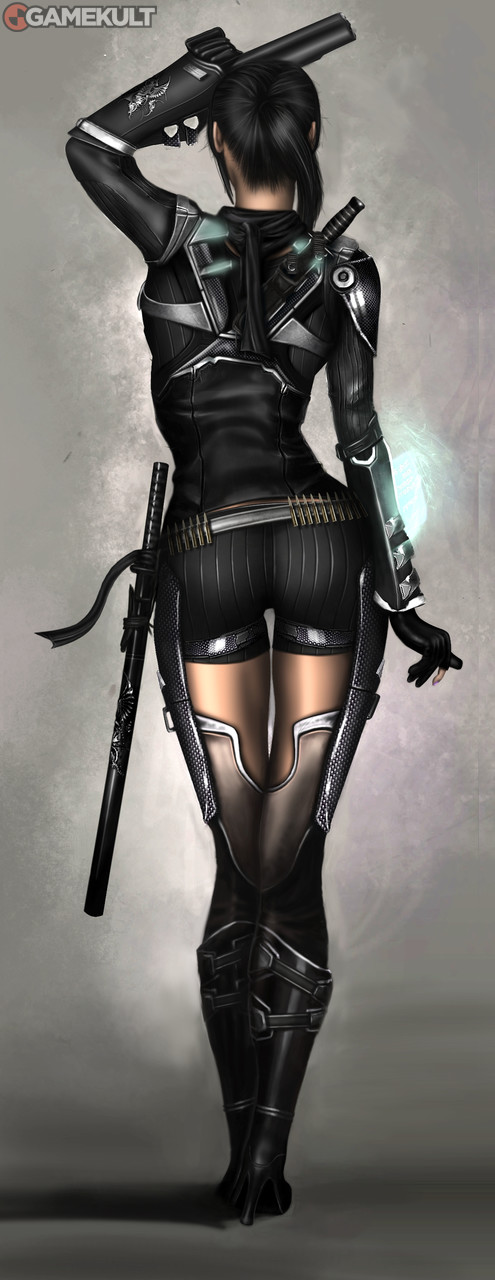
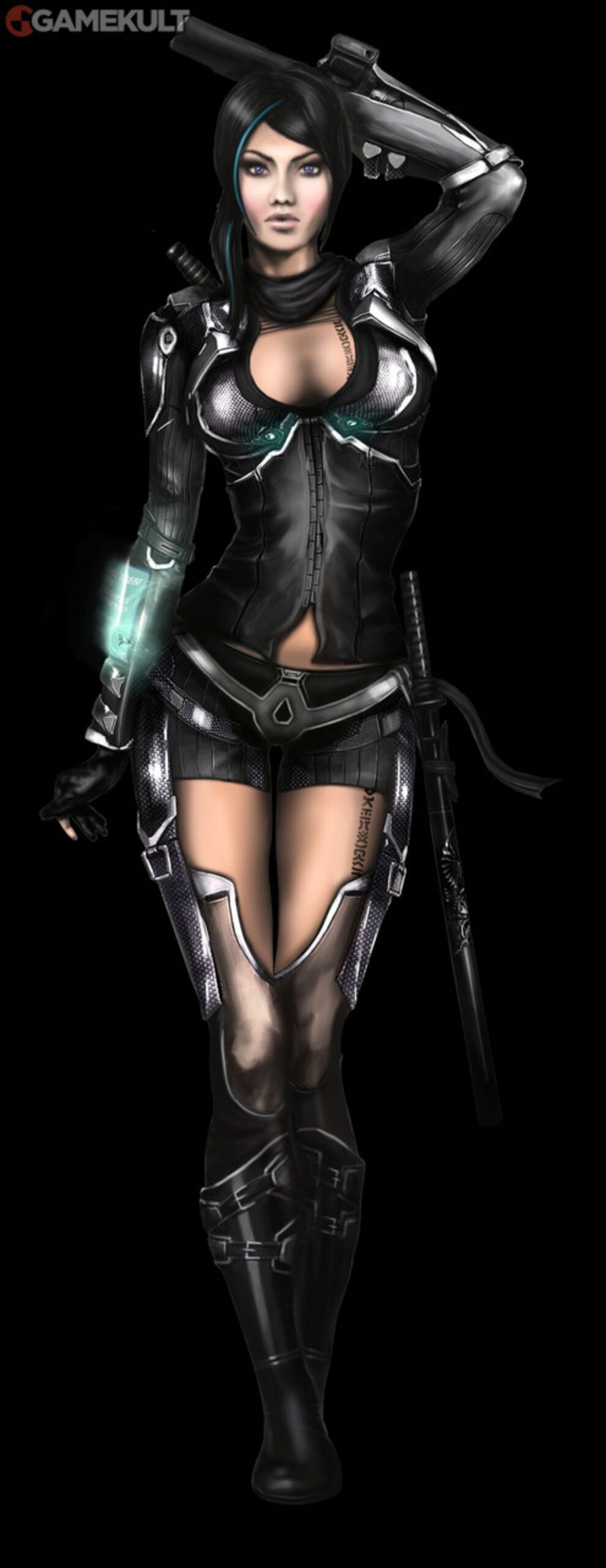
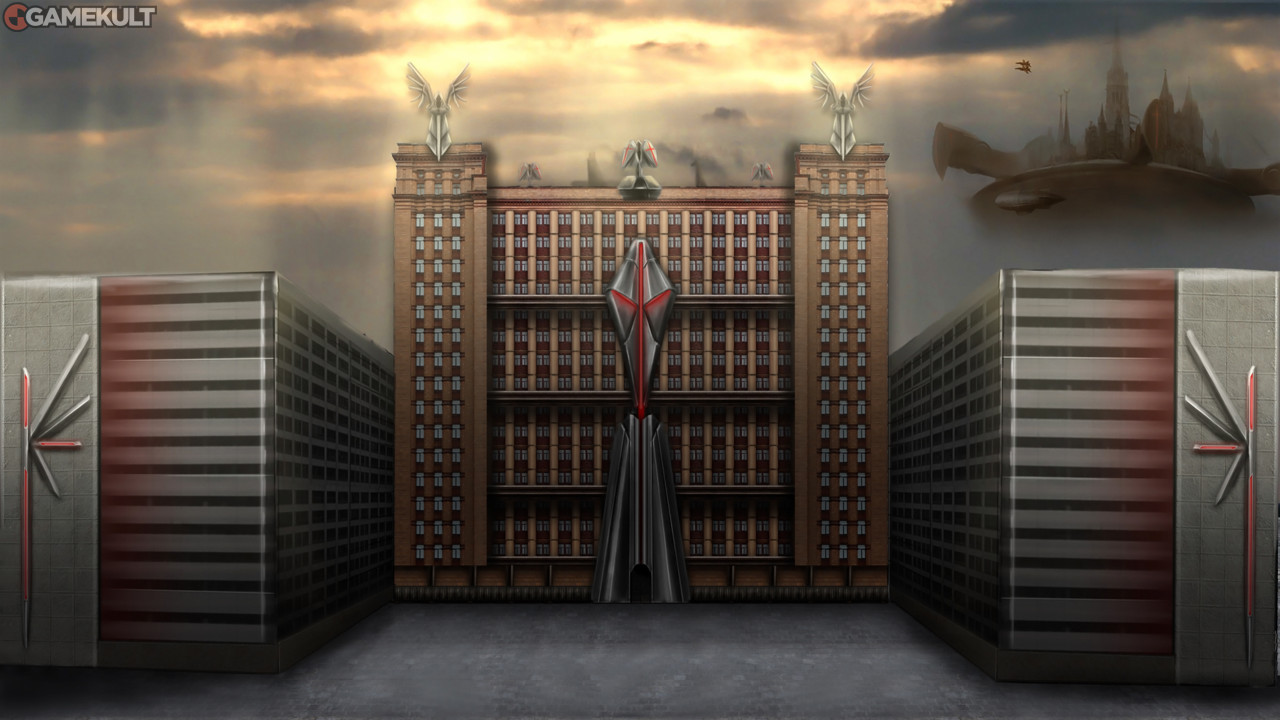
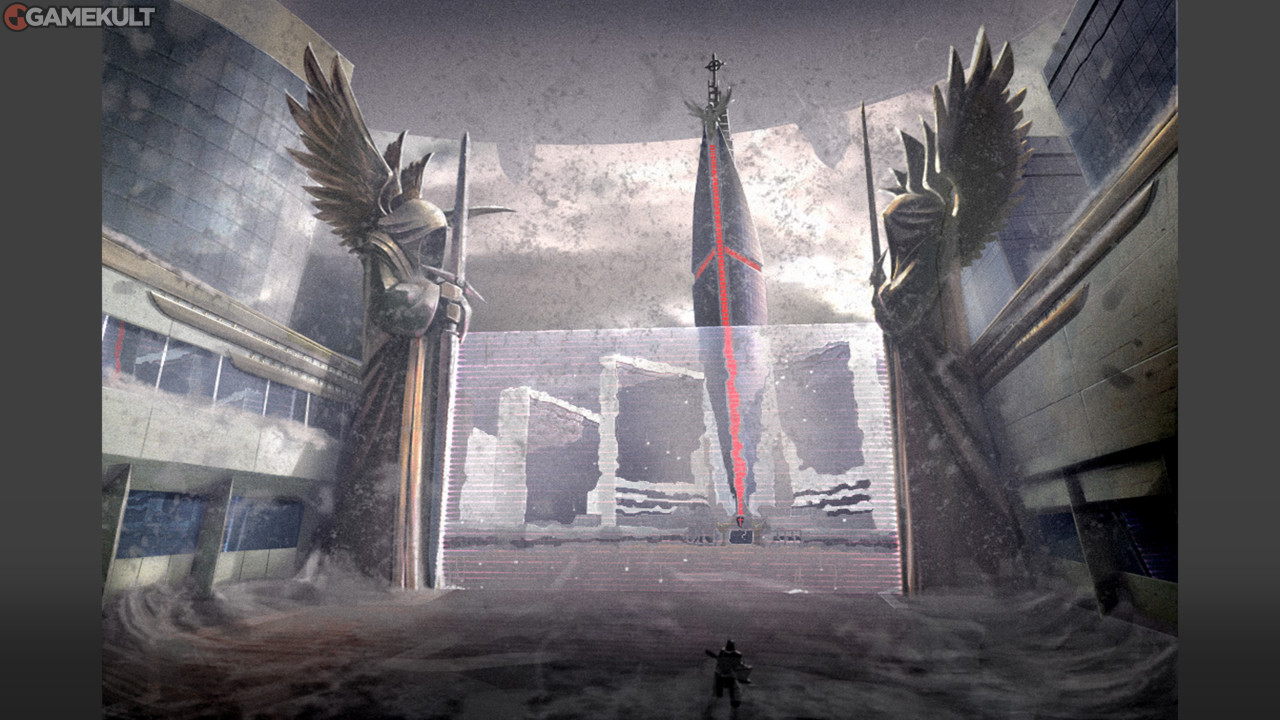
Ninety-Nine Nights is a crowd combat game that is played similarly to the likes of Dynasty Warriors/Warriors Orochi and other Musou titles. Microsoft had big plans for this game at the time, but it didn’t hit its ambitious goal largely because of how Ninety-Nine Nights veered too far from its original vision. Information about this game is scarce, but we can a couple of screenshots from an early build shown at the Tokyo Game Show 2005.
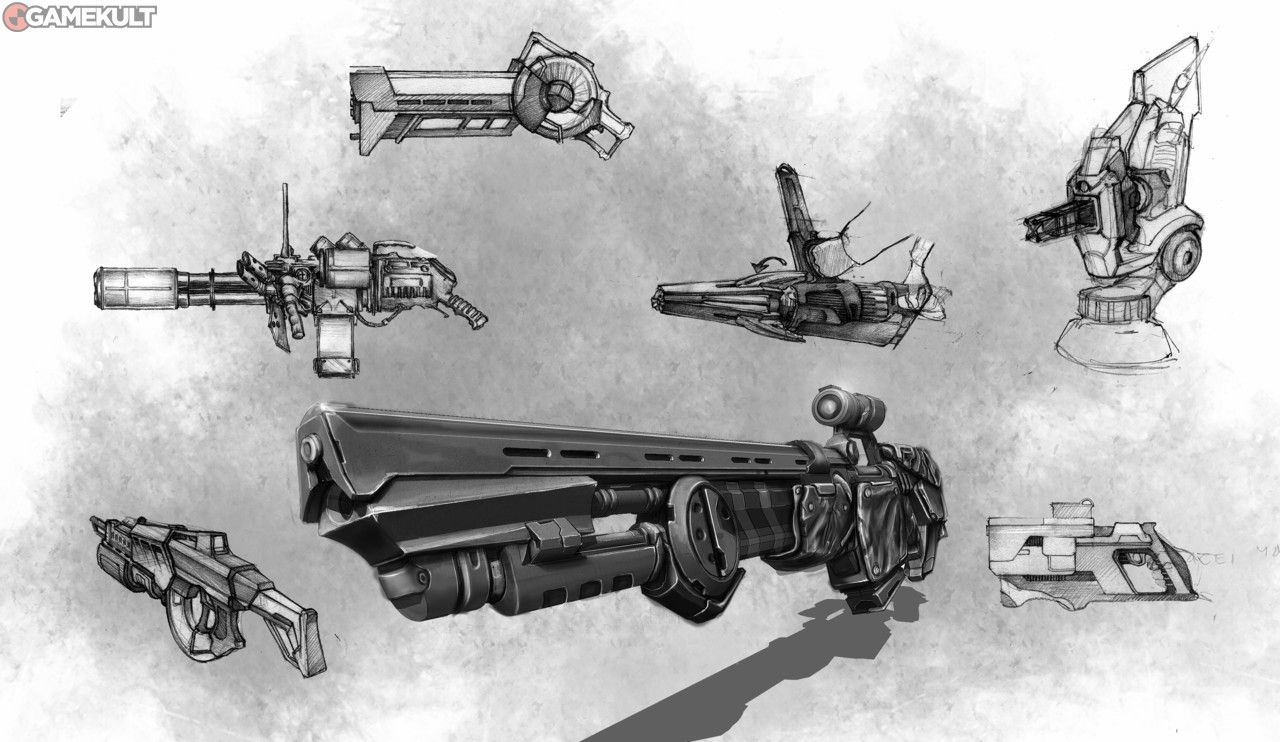
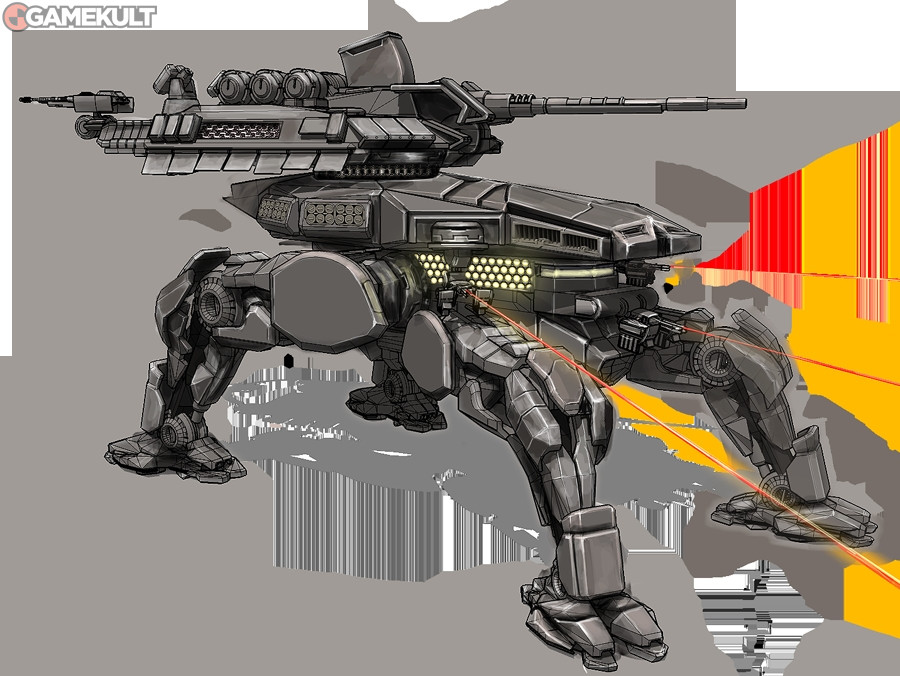
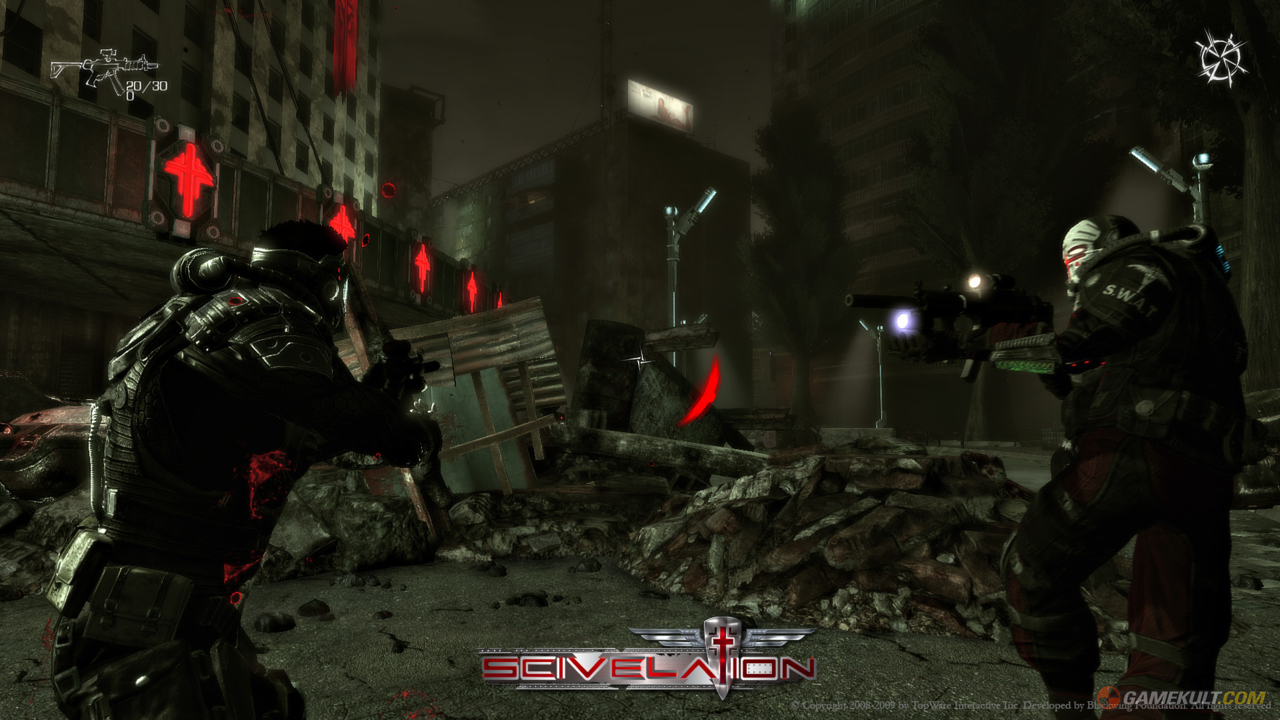
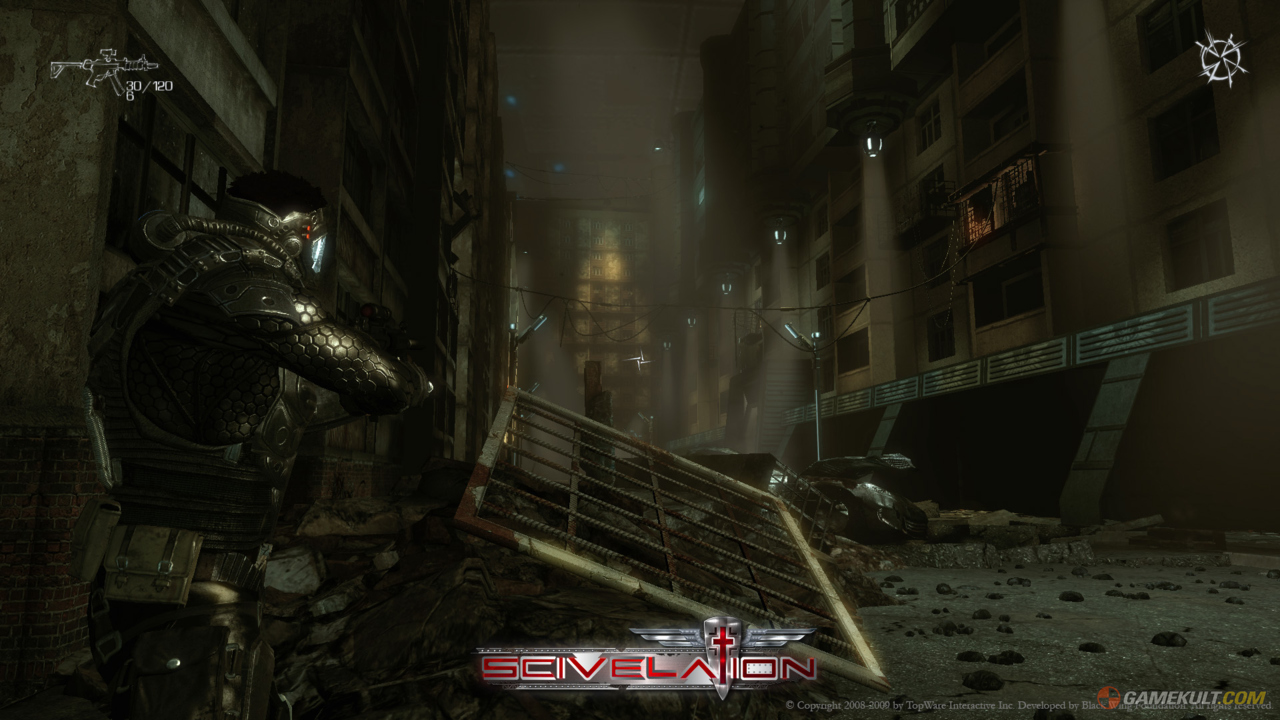
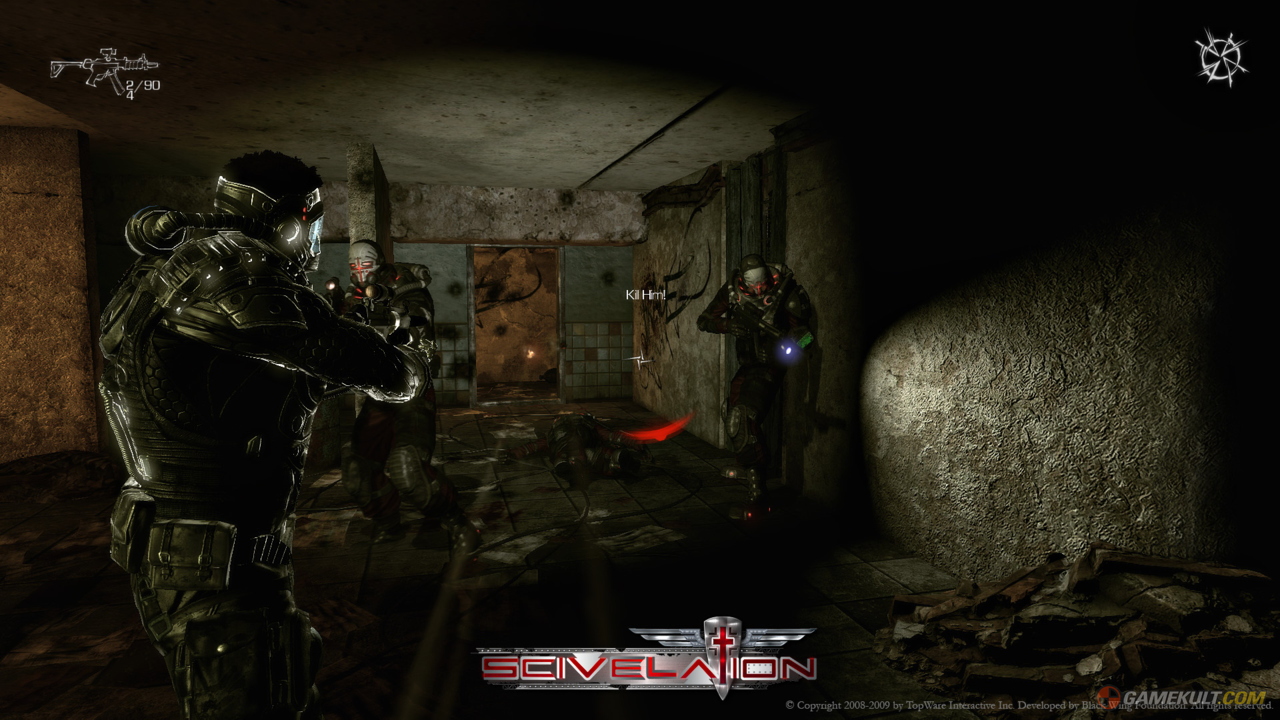
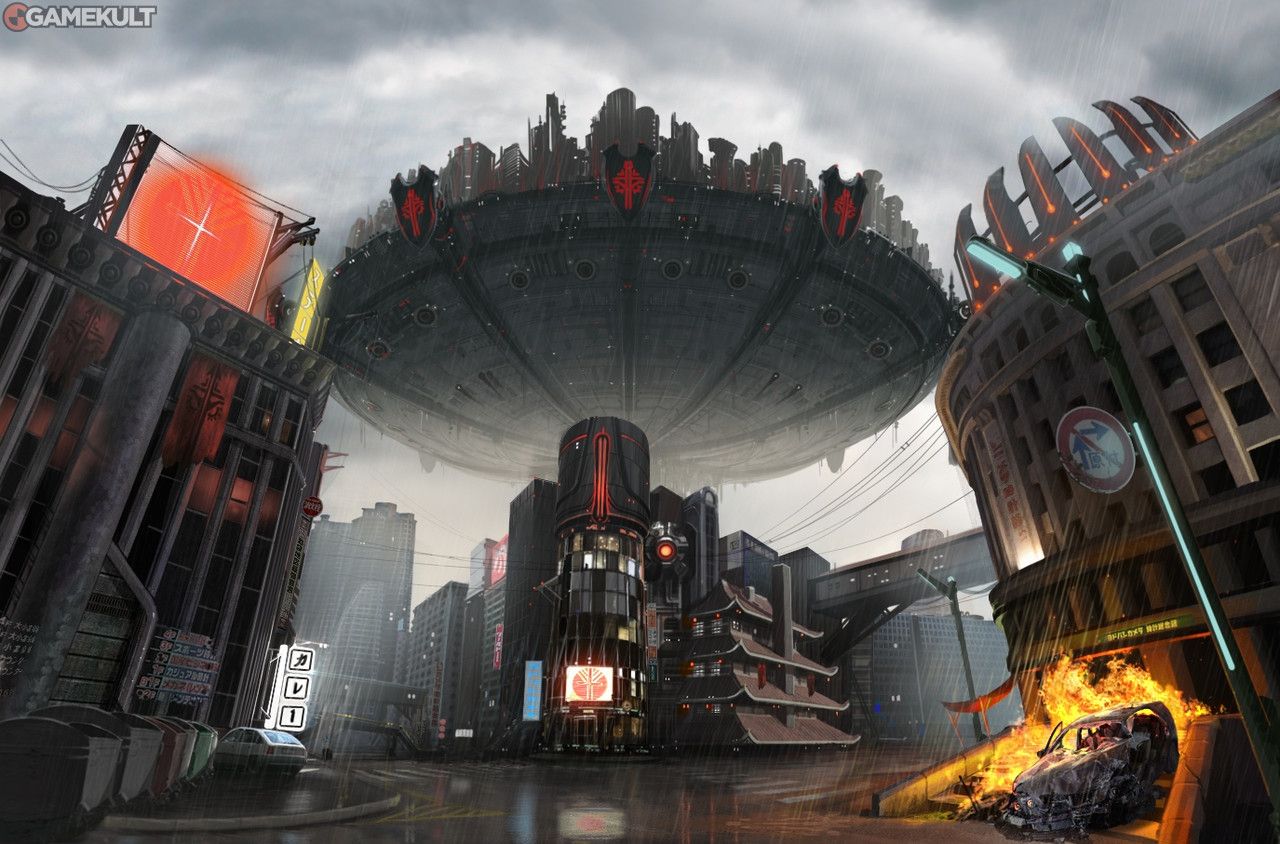
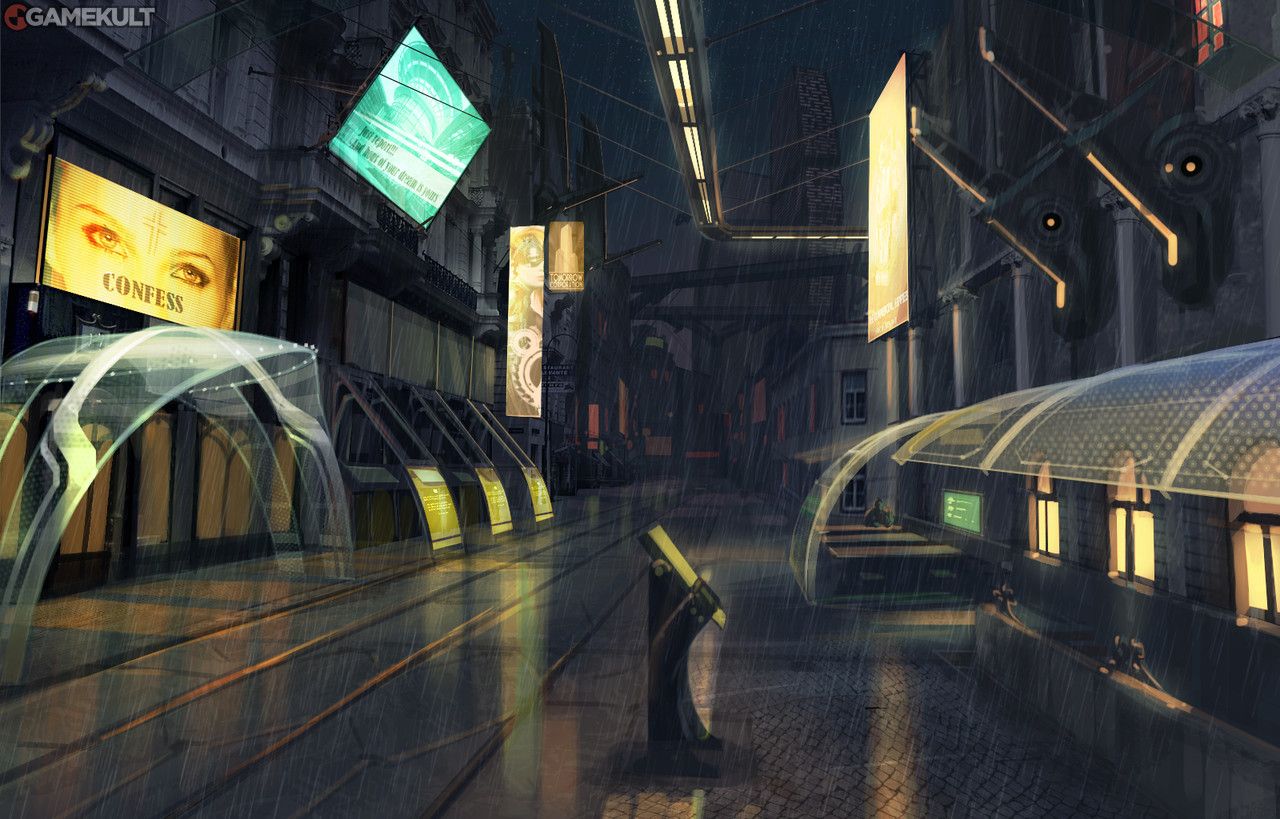
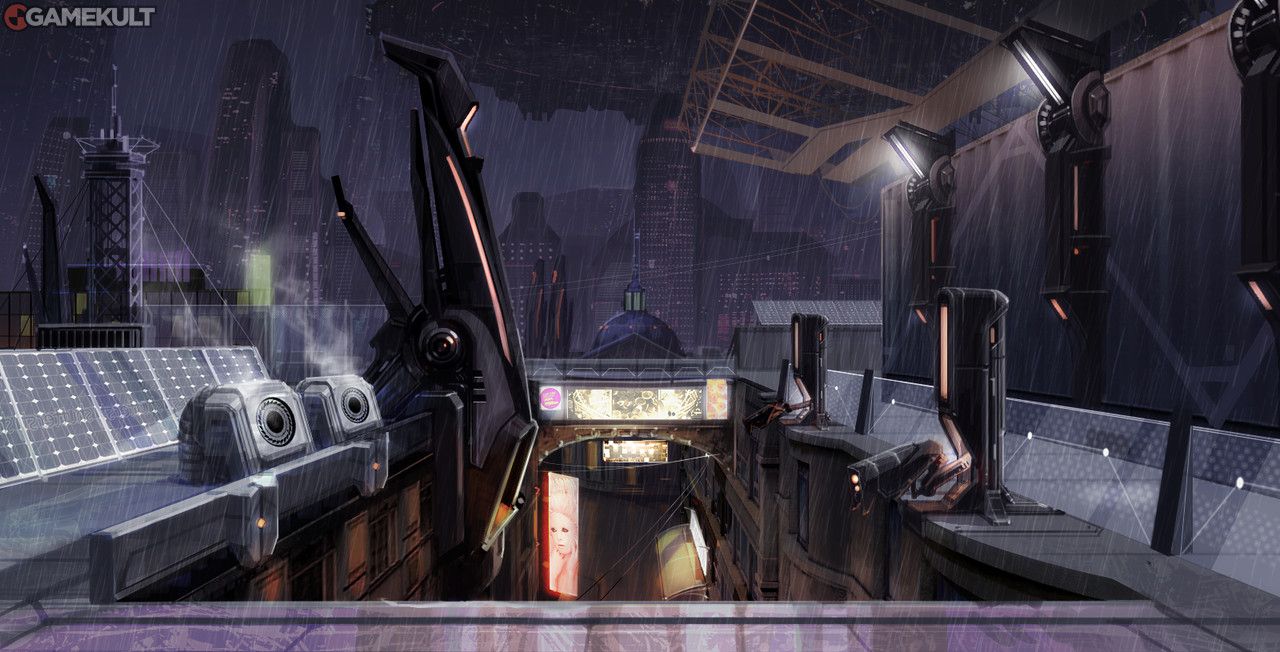
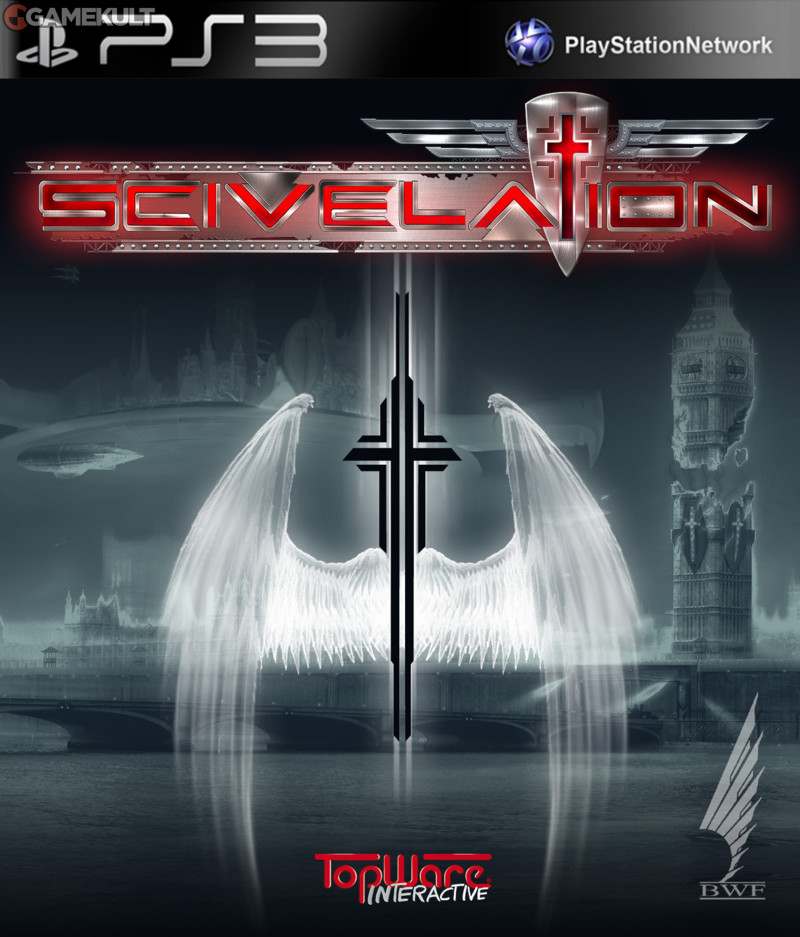
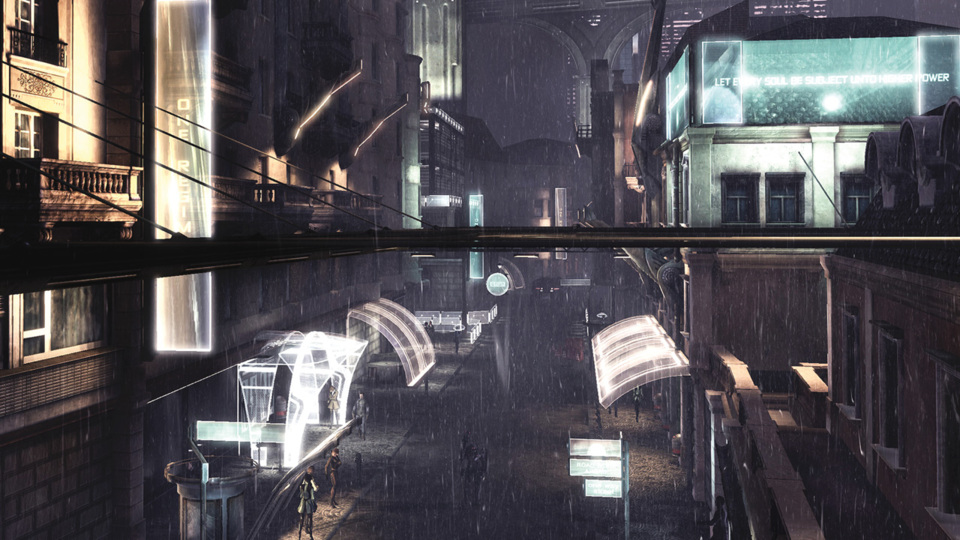
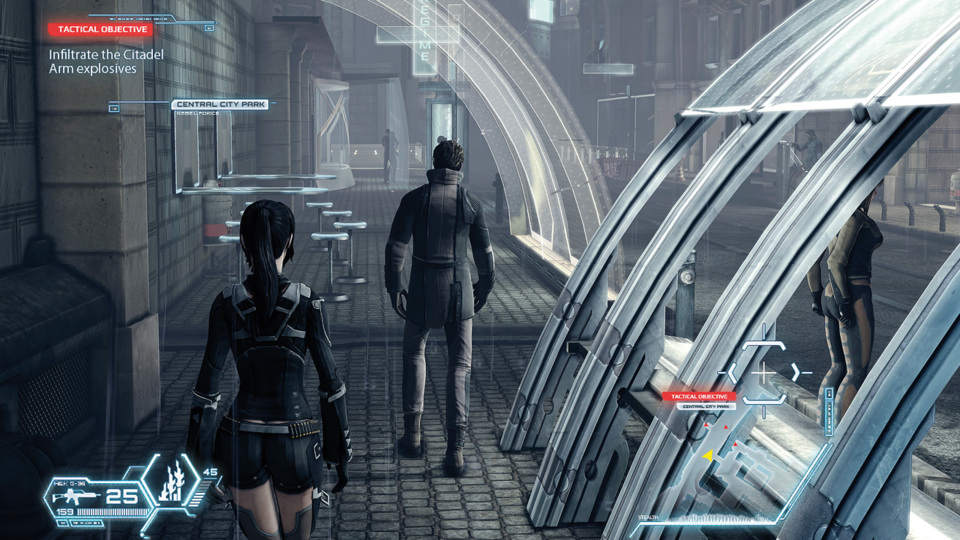
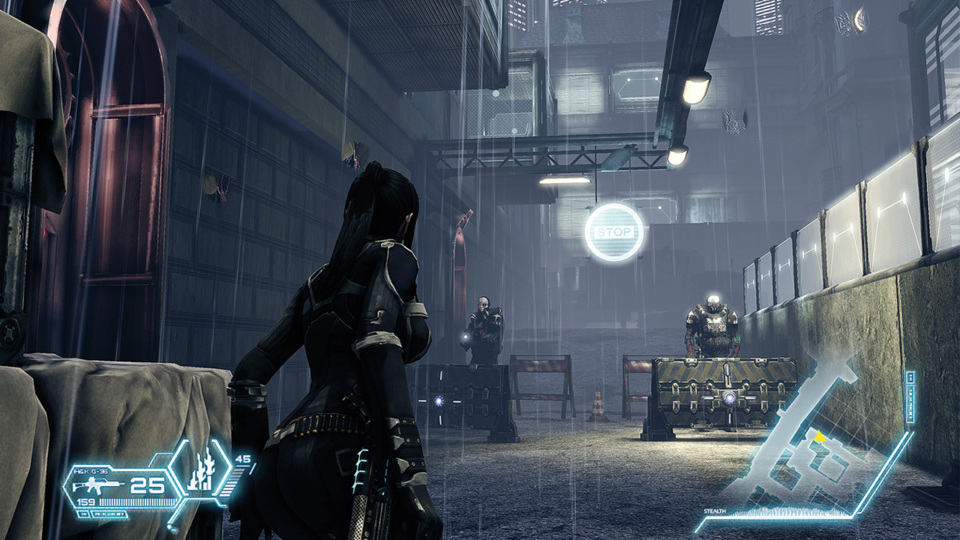
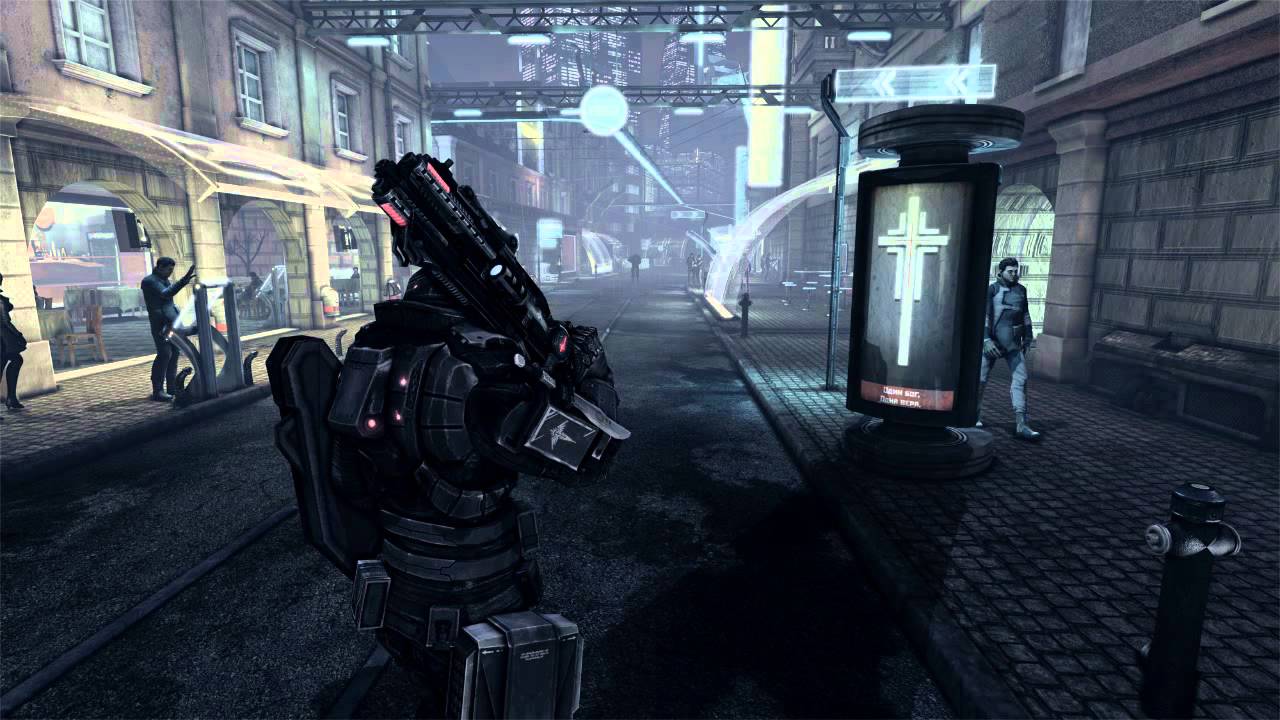
Scivelation is an obscure third-person shooter that spent years in development hell under TopWare Interactive and Black Wing Foundation. The project was first unveiled in October 2009, when TopWare announced the title alongside an interesting overview of its premise. As originally reported by IGN:
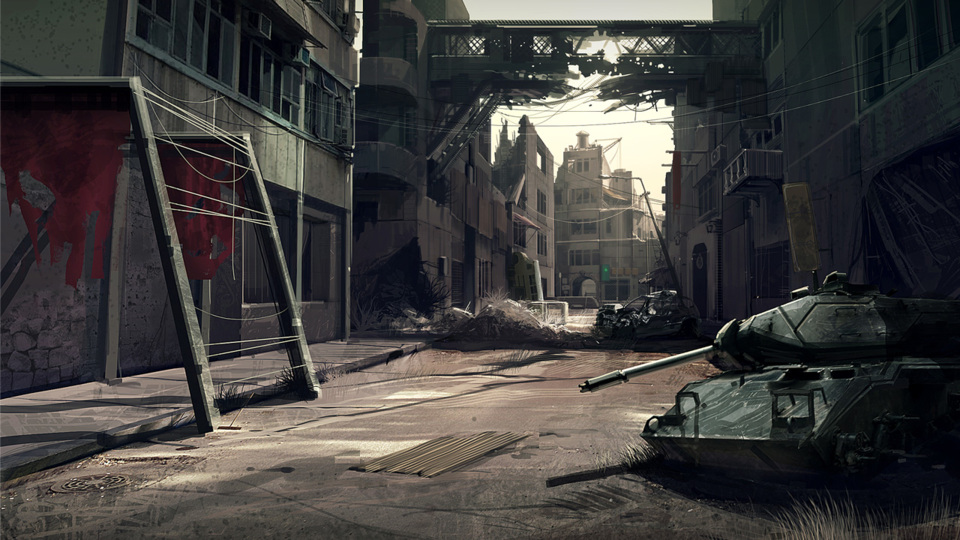
“Set in the distant future, Scivelation’s universe is a world born out of the ashes of conflict and misery. An oppressive global dictatorship, known as the Regime, has risen to power after the aftermath of the Apocalypse; aggressively seeking out and eliminating any opposition to their tyrannical government. With this capricious, dystopian reality as a backdrop, the player will take his or her place amongst the ranks of the resistance, waging war throughout the furthest reaches of the globe in this action-packed battle for freedom and survival.”
Beyond these early press releases and promotional trailers—which largely recycled the same high-level plot summary—TopWare Interactive released very little public information. Actual gameplay footage remained virtually non-existent.
Surprisingly, the game’s official product page remains live on TopWare Interactive’s website today. The listing on the website outlines the core mechanics and introduces its two primary protagonists:
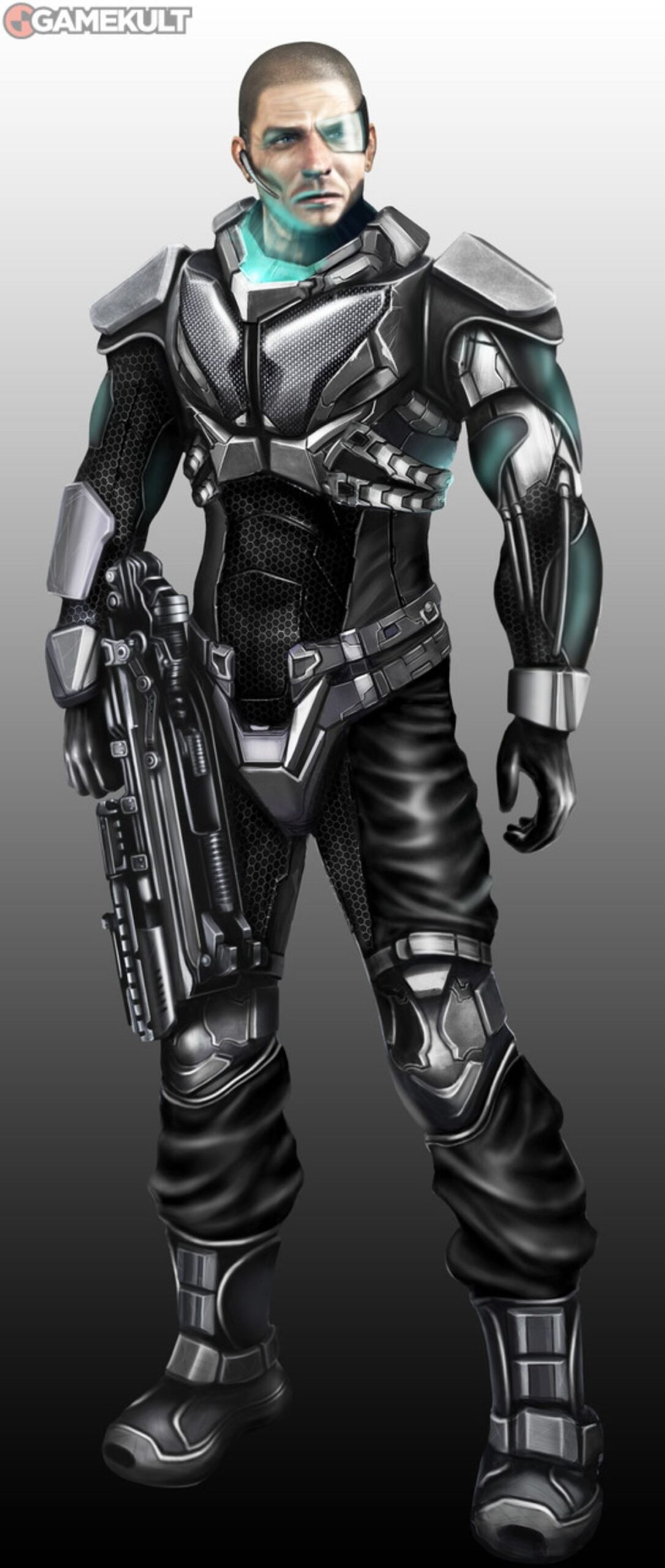
Mikhael Ivanov :
Captain of GRN, Mikhael is a decorated veteran of the Tribulation War. Due to injuries sustained in combat, much of his body is made up of Zionetric implants, improving his combat skills and allowing him to evolve above the level of a simple soldier.
… and Elisha Amano :
A former geneticist for the Regime, she joined the Resistance to justify her guilt for having worked on the Omega sequence of the Ascension program, a project aimed at creating a genetic panacea with the aim of curing human mortality. This program, however, was used by the Regime for much darker purposes. Elisha not only brings a brilliant scientific mind to the Resistance, but also his research…”
Now onto the gameplay features:
Double play – Move solo or evolve with others through the different levels. As a team, characters support each other using various special mechanics and abilities. The feeling and importance of teamwork should not be underestimated, as it represents the heart of Scivelation’s main campaign.
Augmentation and genetics – Both characters have synthetic abilities, one thanks to his very powerful Zionetric implants, and the other thanks to his modified genome. Each improvement and mutation forces them to renounce their humanity… This battle is fought as much outside as inside themselves.
Special skills– Characters can project holograms, be unleashed, slow down time, activate shields, deploy turrets and much more… A number of special abilities are available for each of the two main characters.
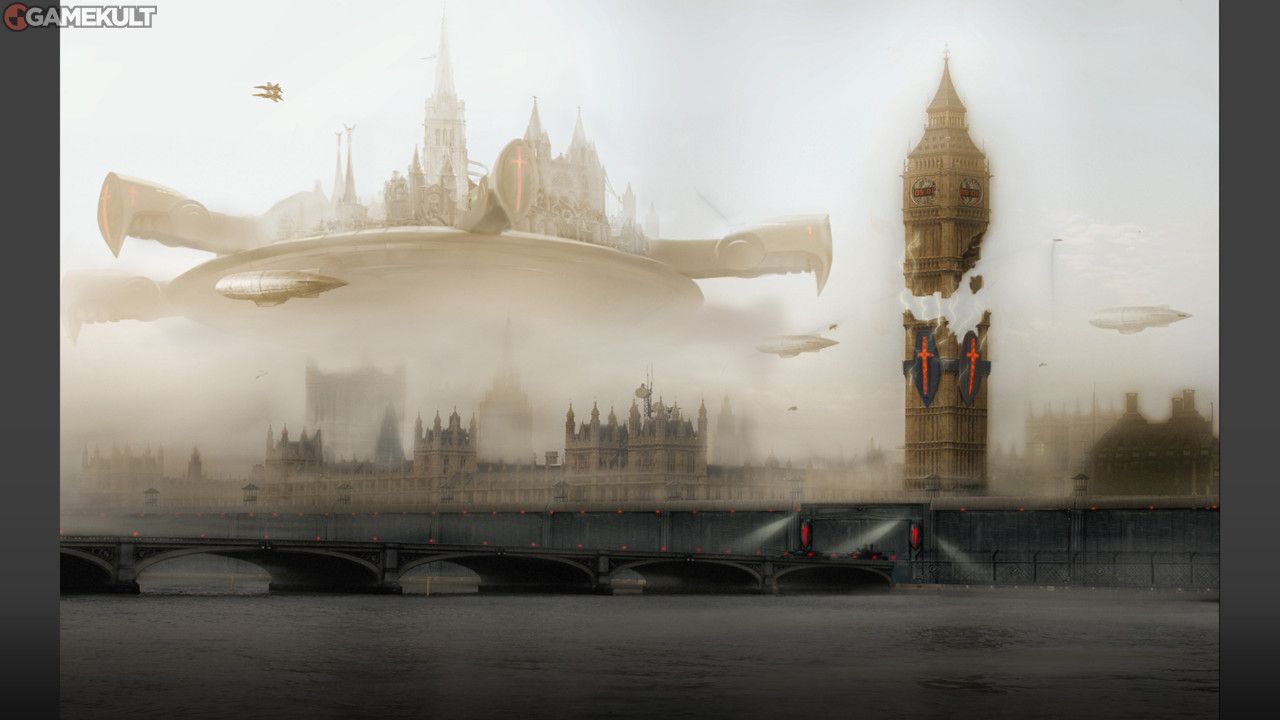
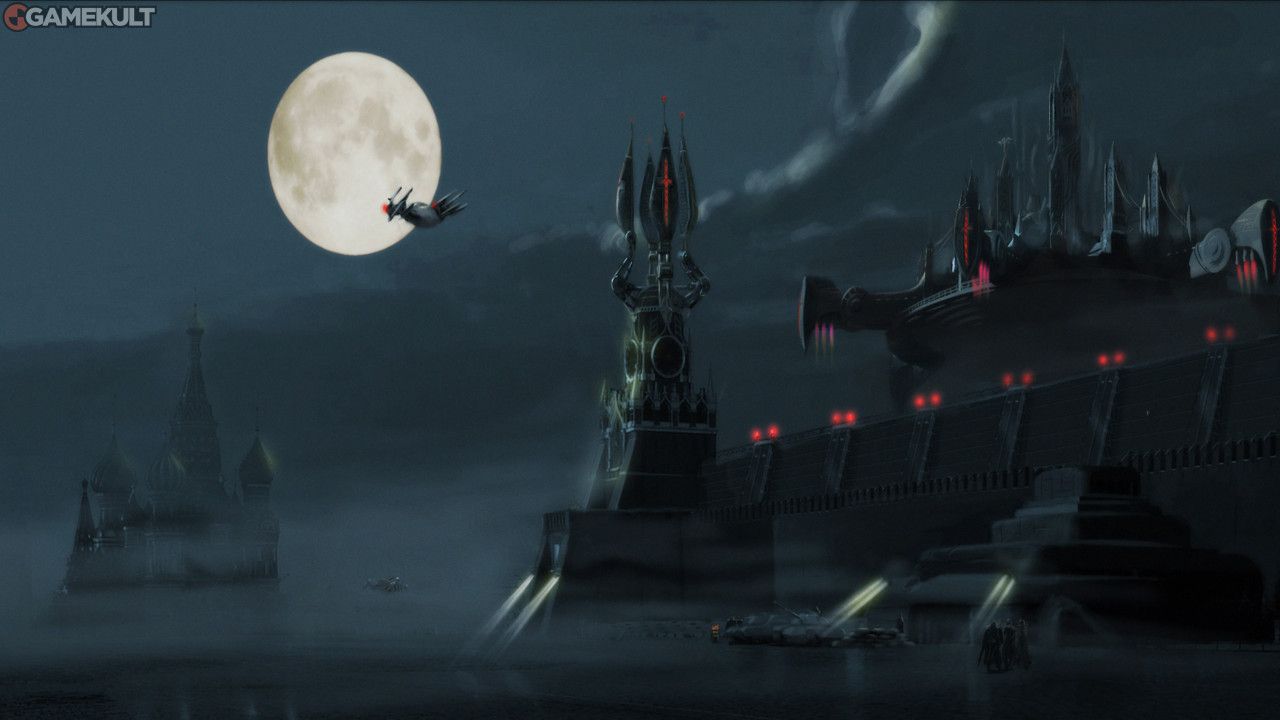
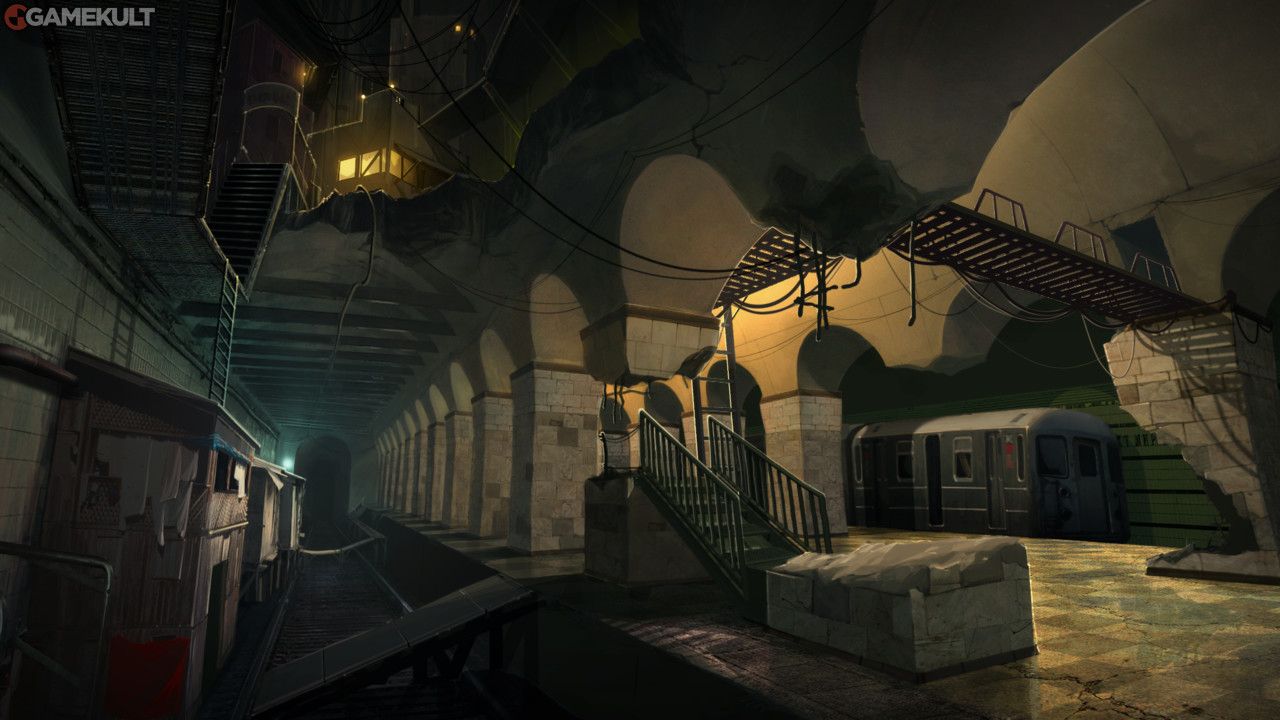
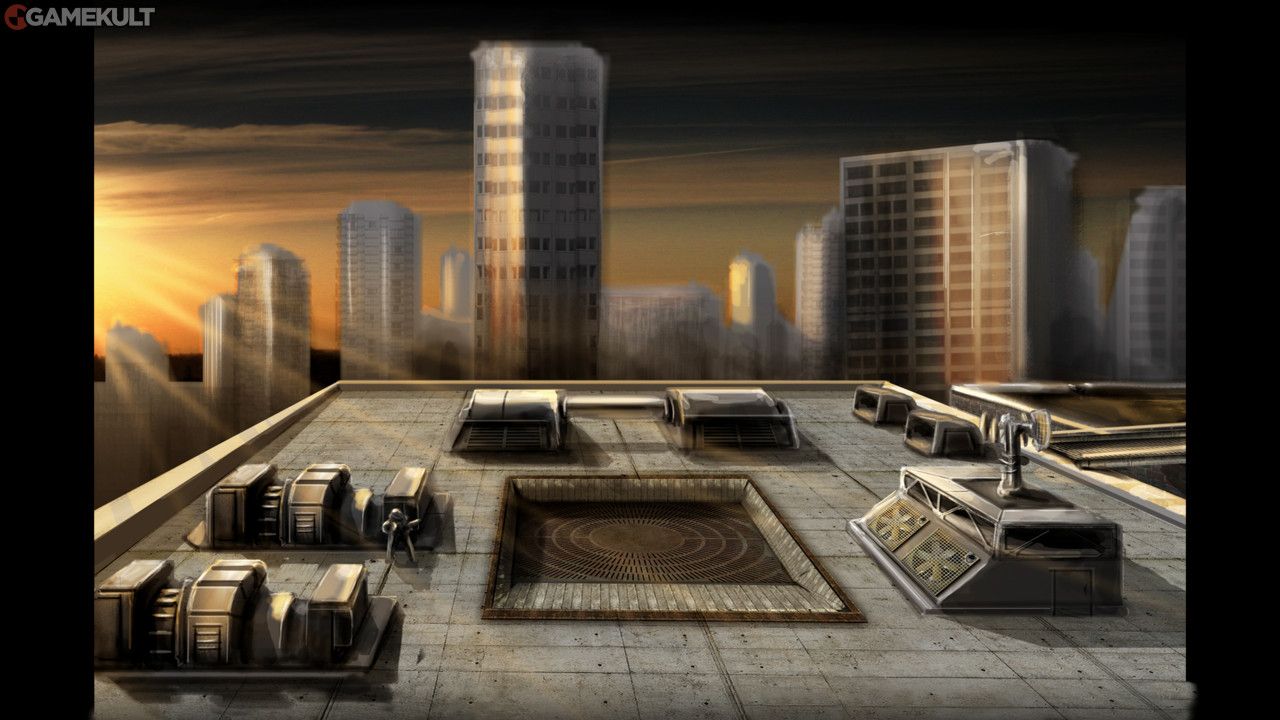
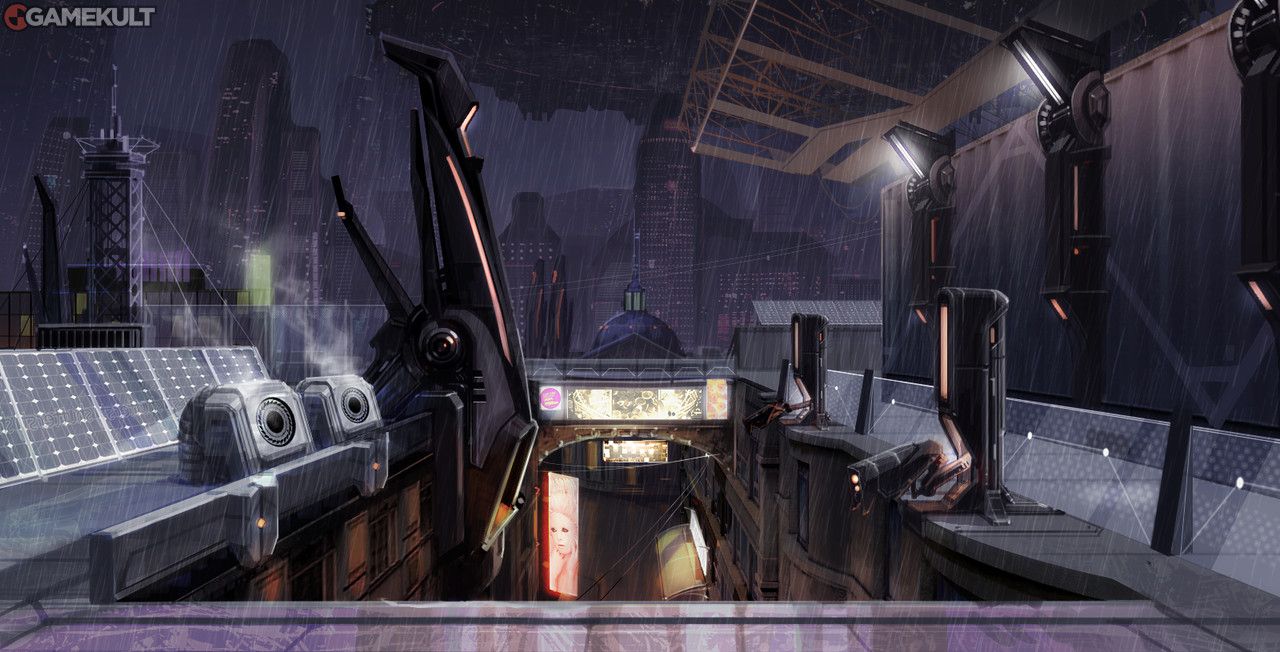
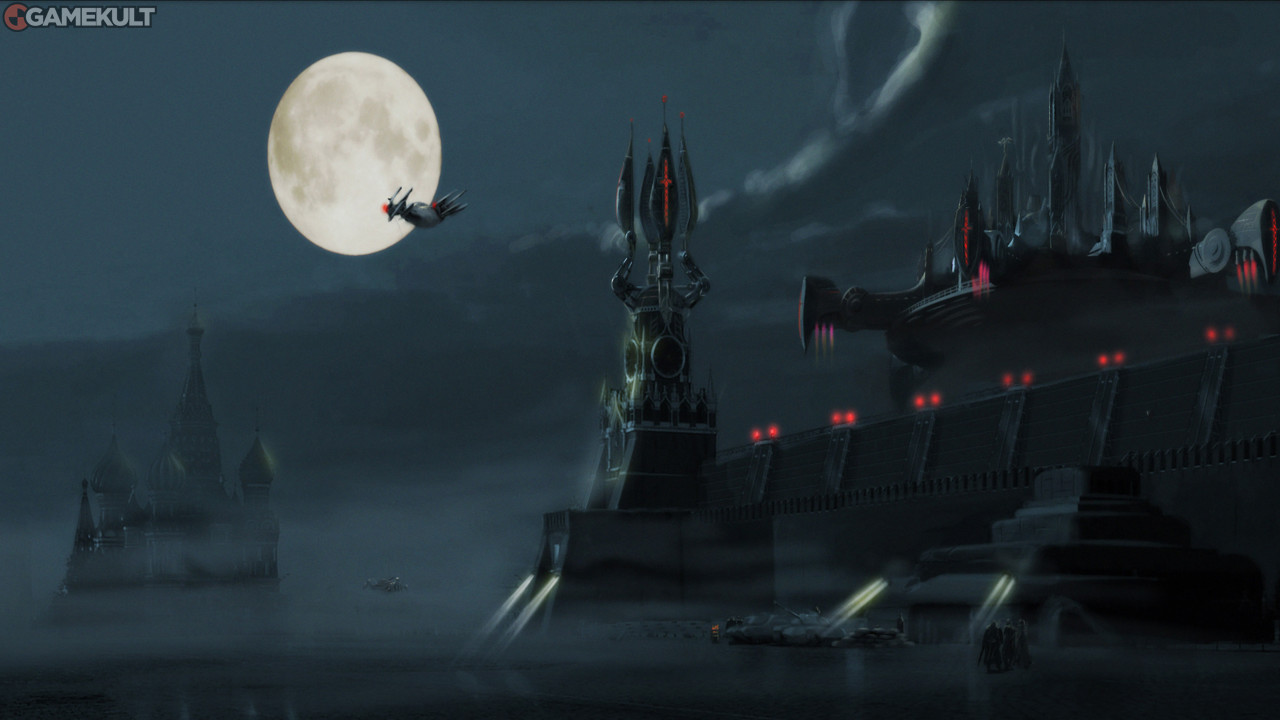
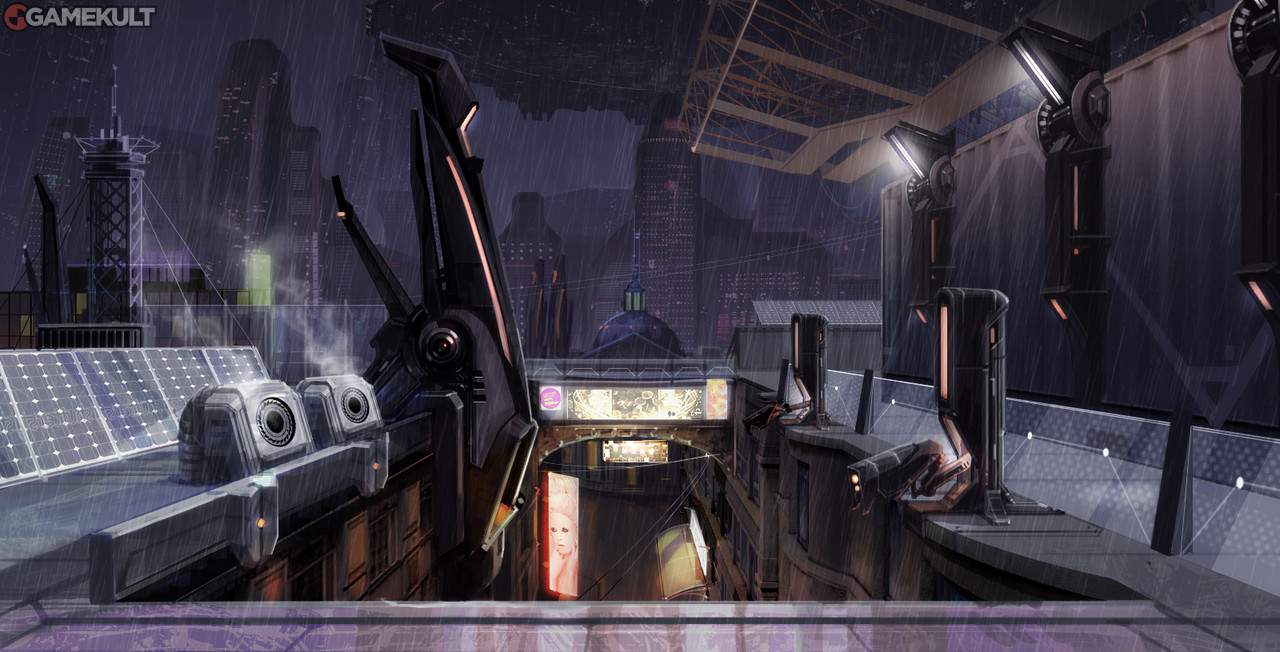
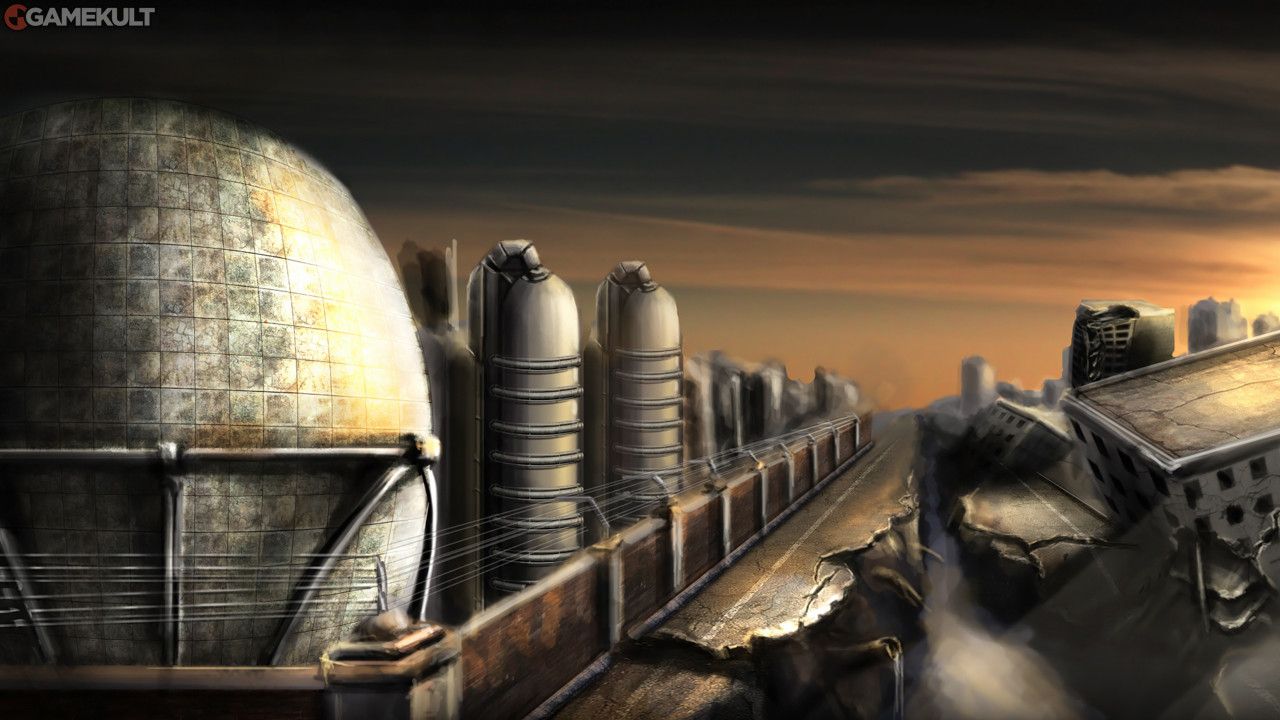
Scattered events and territories – From the heights of London to the ruins of Moscow and beyond, the free city of Prague and Vienna, the pre-war city lost in time, all roads lead to the Secret and Underground Archives of Bethlehem. Experience a futuristic sci-fi experience with Scivelation.
Not a second of respite – Knowledge is key to the Scivelation storyline. A story-rich world was created to give the game a level of depth never before seen in the TPS Action/Adventure genre, usually reserved for RPGs.
Futuristic sounds – Atmospheric, sharp and apocalyptic: all these feelings were mixed with classical music, orchestrated and composed by American heavy metal legend John Moyer of the world-famous band “Disturbed”.
Cinematic experiment – Over an hour of cutscenes for an even more realistic gaming experience.
While these concepts looked promising on paper, TopWare never released concrete gameplay footage beyond a handful of screenshots. To add salt to the wound, the project suffered numerous delays: initially scheduled for a 2010 release, it was pushed to 2011, and eventually delayed to Q1 2014, with TopWare aiming to target PlayStation 4, Xbox One, PC, PlayStation 3, and Xbox 360.
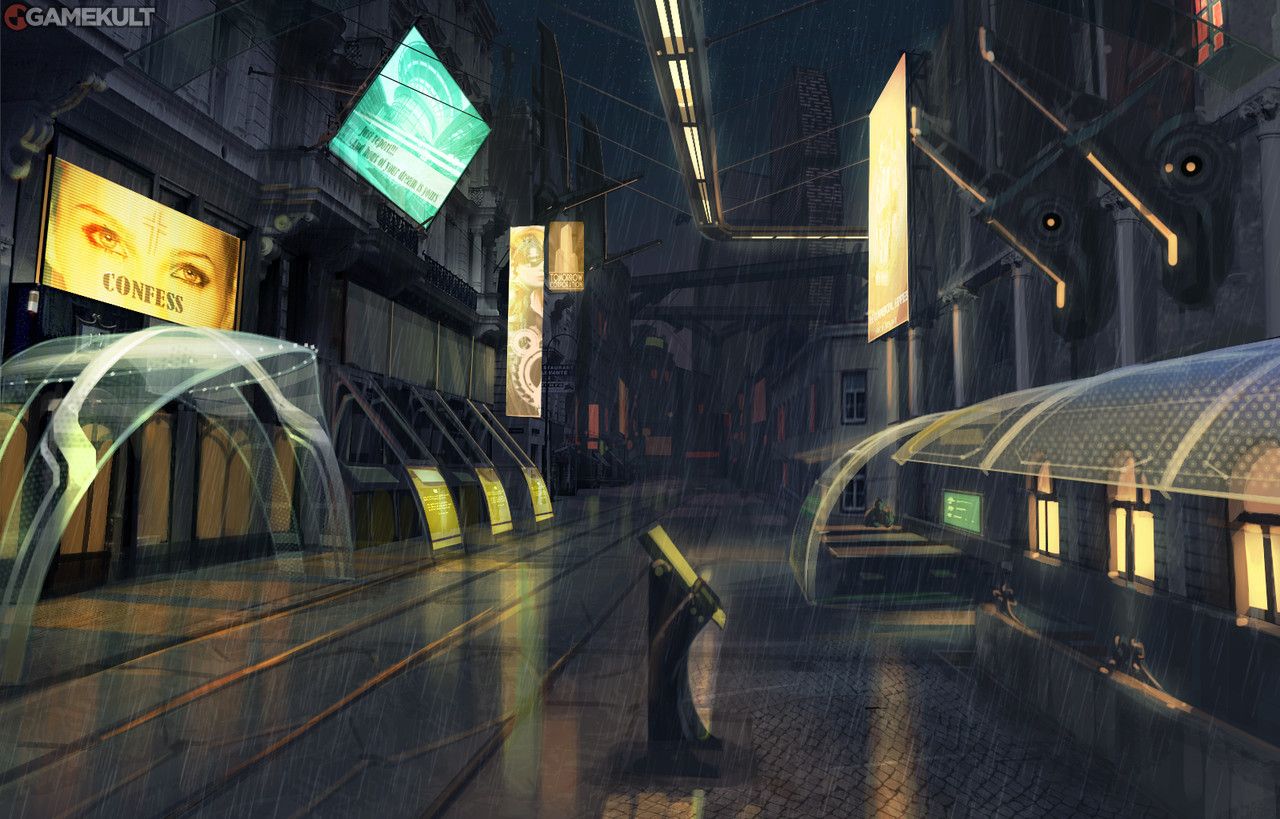
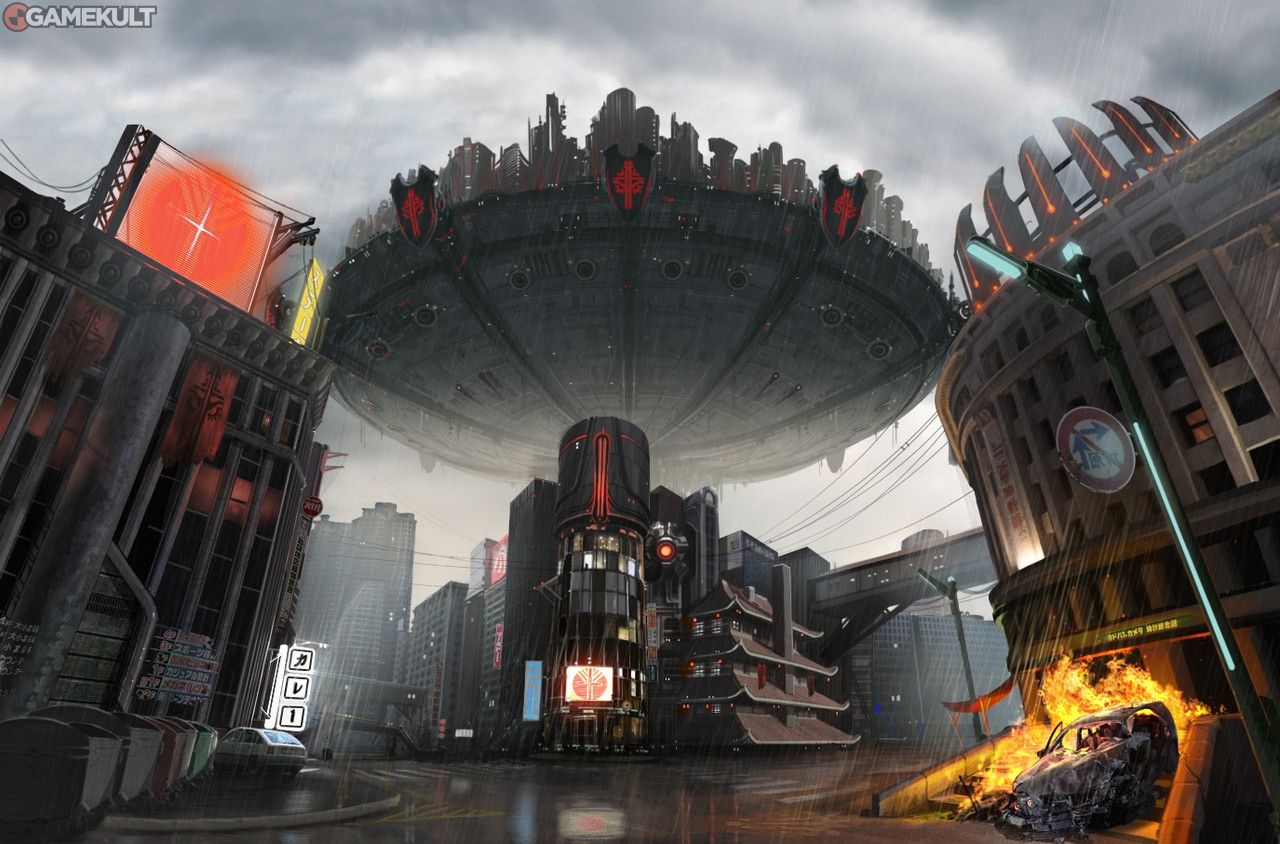
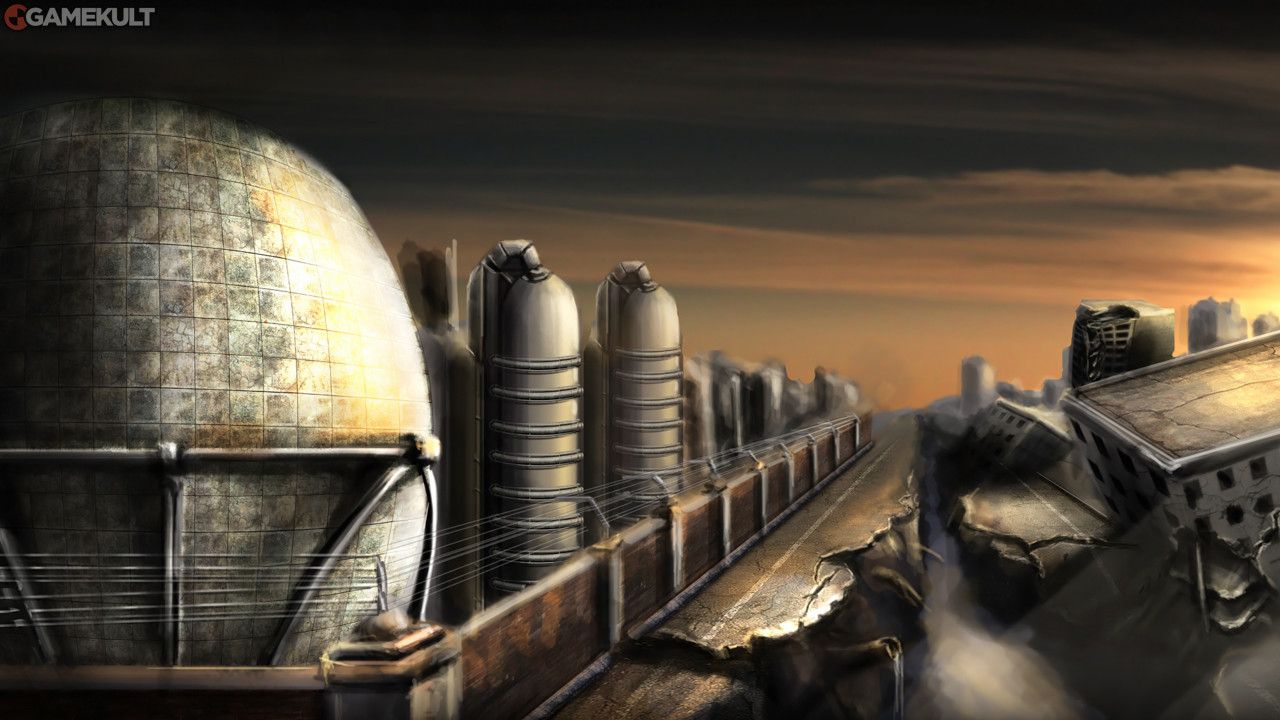
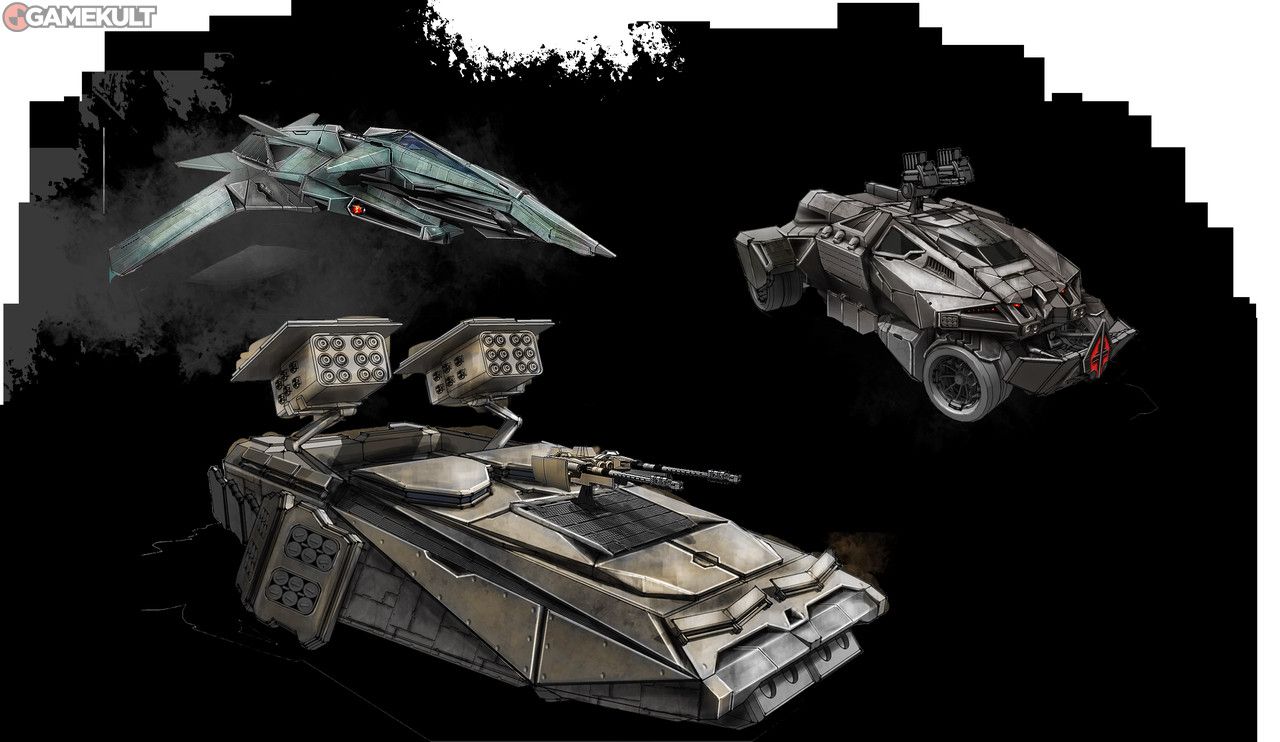
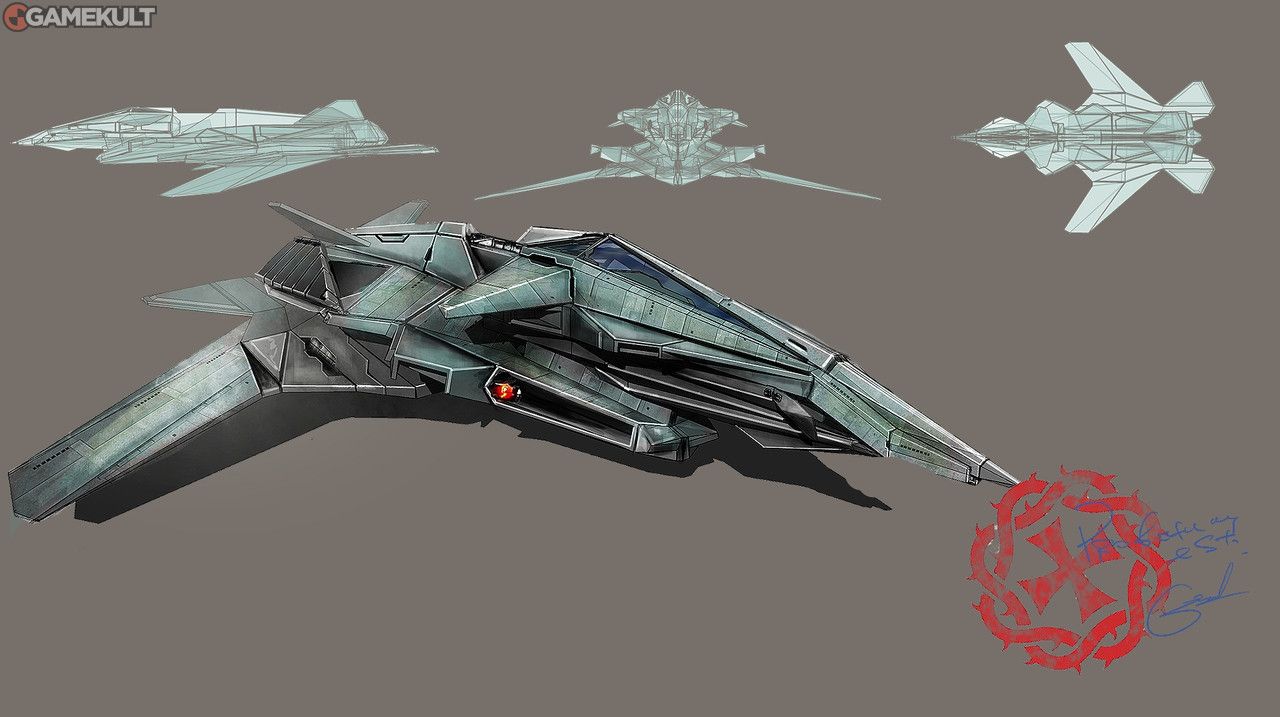
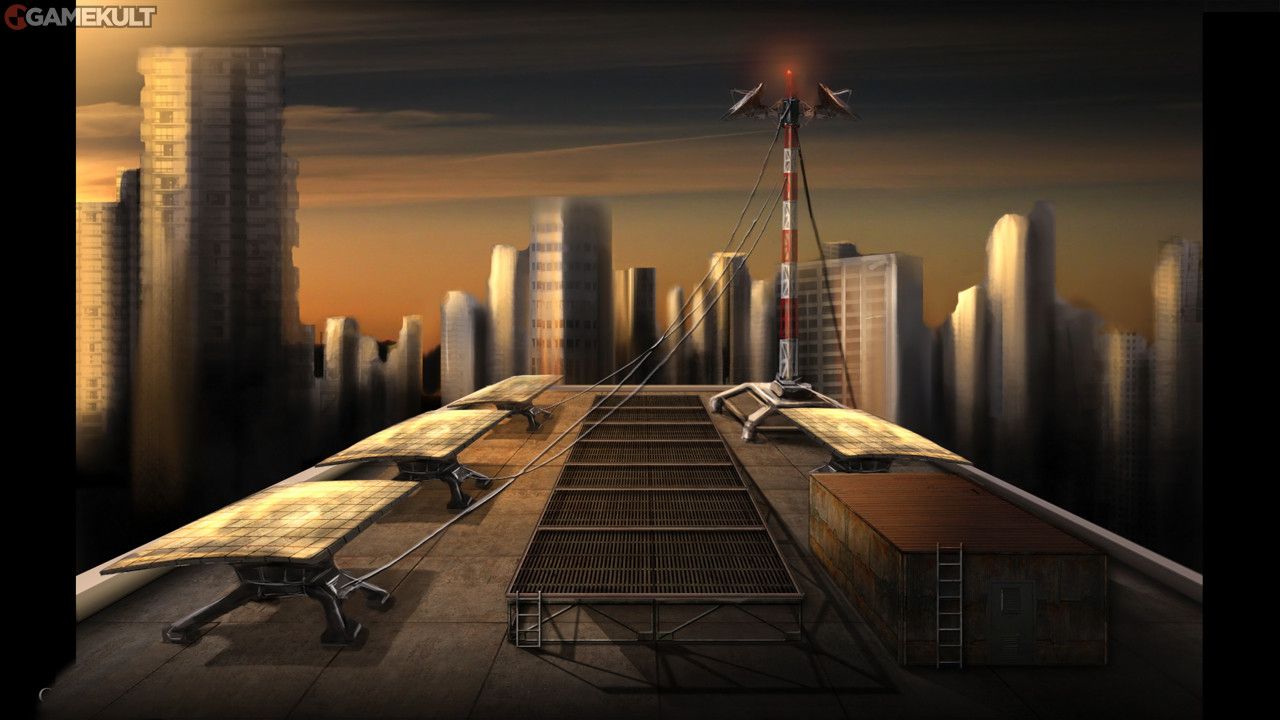
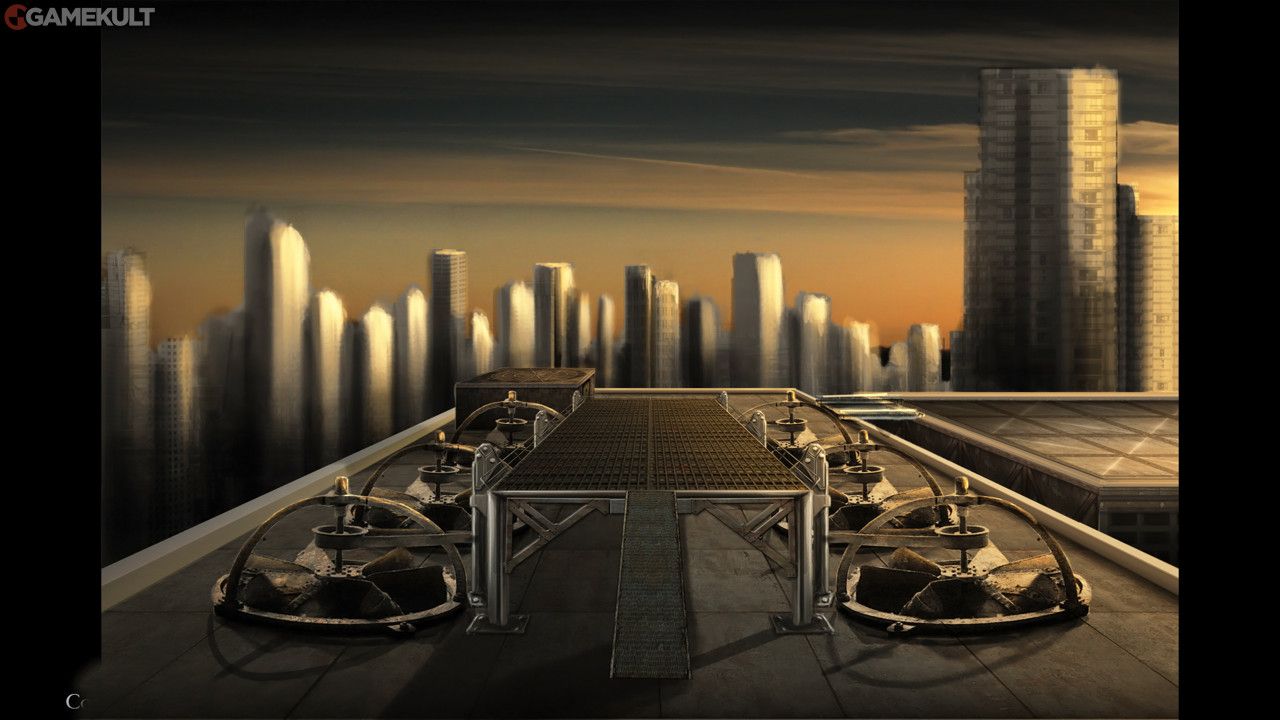
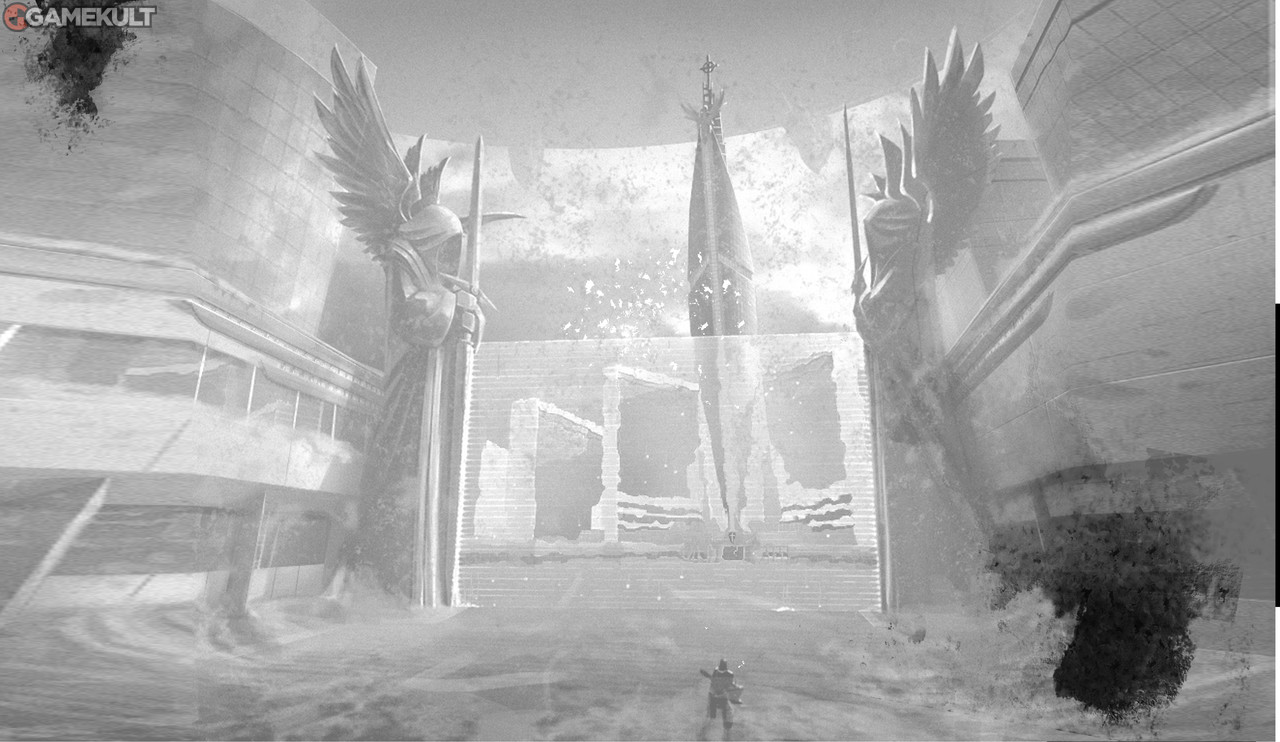
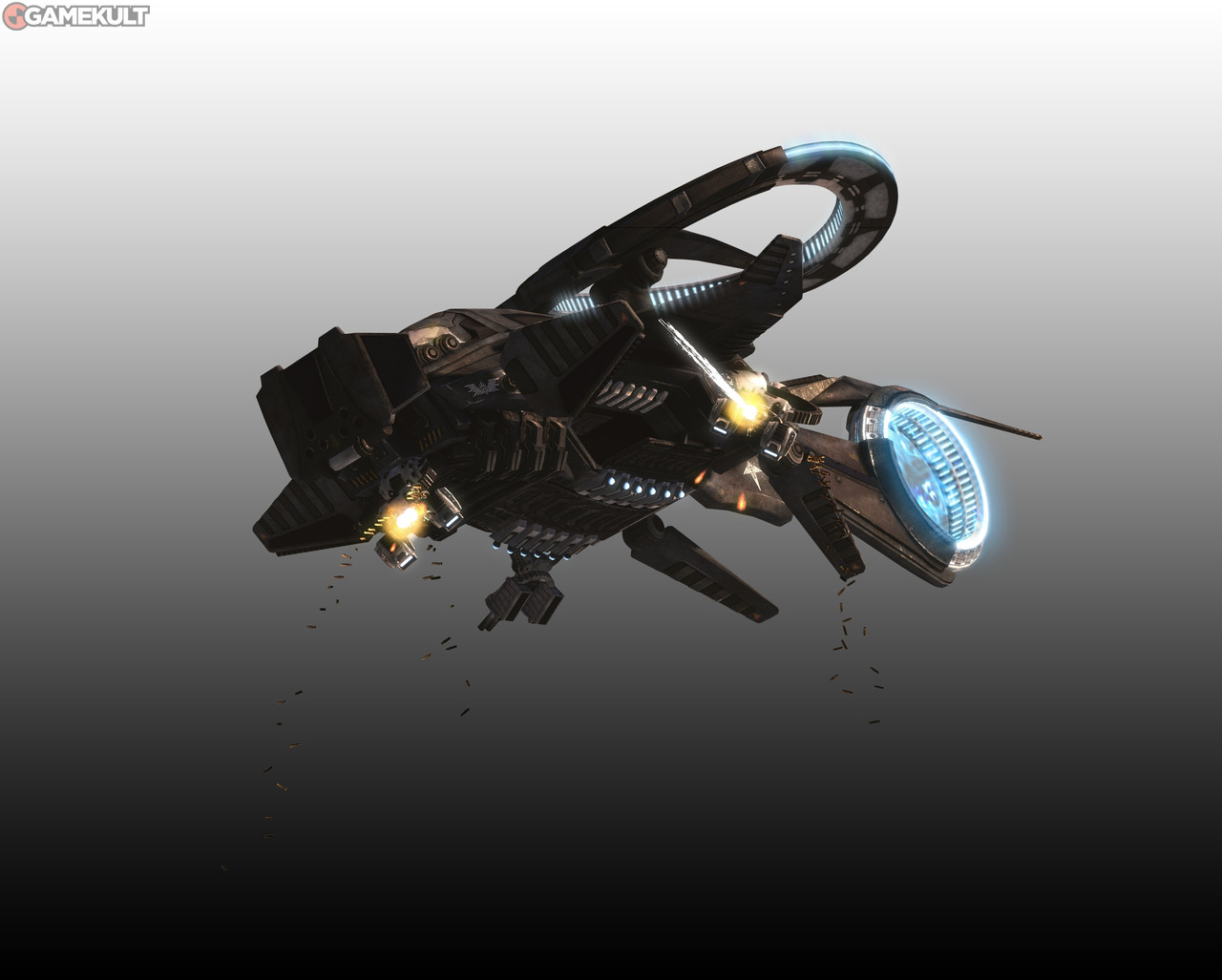
That target passed without a word. Following the release of Renoir in 2016, Black Wing Foundation suddenly vanished too, which ultimately meant that Scivelation was done for. Today, the project exists only as a mere publisher listing, a pre-rendered trailer, and a small collection of promotional assets you can check below.
A World in My Attic, sometimes referred as The World in My Attic, and formerly known as Incarnate, is a cancelled Third Person action Roguelike hybrid game developed by Defiant Development around 2018-2019. The game was scheduled for Q1 2021 for “all platforms” which means PC, Playstation 4 and Xbox One but also could be Nintendo Switch, Xbox Series X/S and Playstation 5.
The game was revealed during its cancellation back in July 2019 when Defiant Development announced it was ceasing development of brand new titles to focus on updates of their already shipped games: Hand of Fate and Hand of Fate 2:
The maker of the Hand of Fate deck-building/action series is “ceasing development of new titles,” saying that its approach to making games, which sustained a nine-year run, hasn’t been adaptable to a fast and ever-changing industry.
Defiant Development began in 2010 as an effort to make “a studio model in Australia that would thrive without being dependent on international ownership,” studio founder Morgan Jaffit wrote in a statement posted to Twitter. “We set out without knowing where the journey will take us, and we do so knowing that the unknown is not always safe. That is a risky way to make games, and we knew that.”
(…)
“The games market has changed in ways both big and small in the nine years we’ve been in business,” Jaffitt wrote. “We have not been able to change quickly enough to continue with them.”
Jaffitt closed his remarks by linking to a video of A World in My Attic, the incomplete game the studio had been working on at the time of yesterday’s announcement.
Regarding A World in My Attic and its concept, Kotaku wrote:
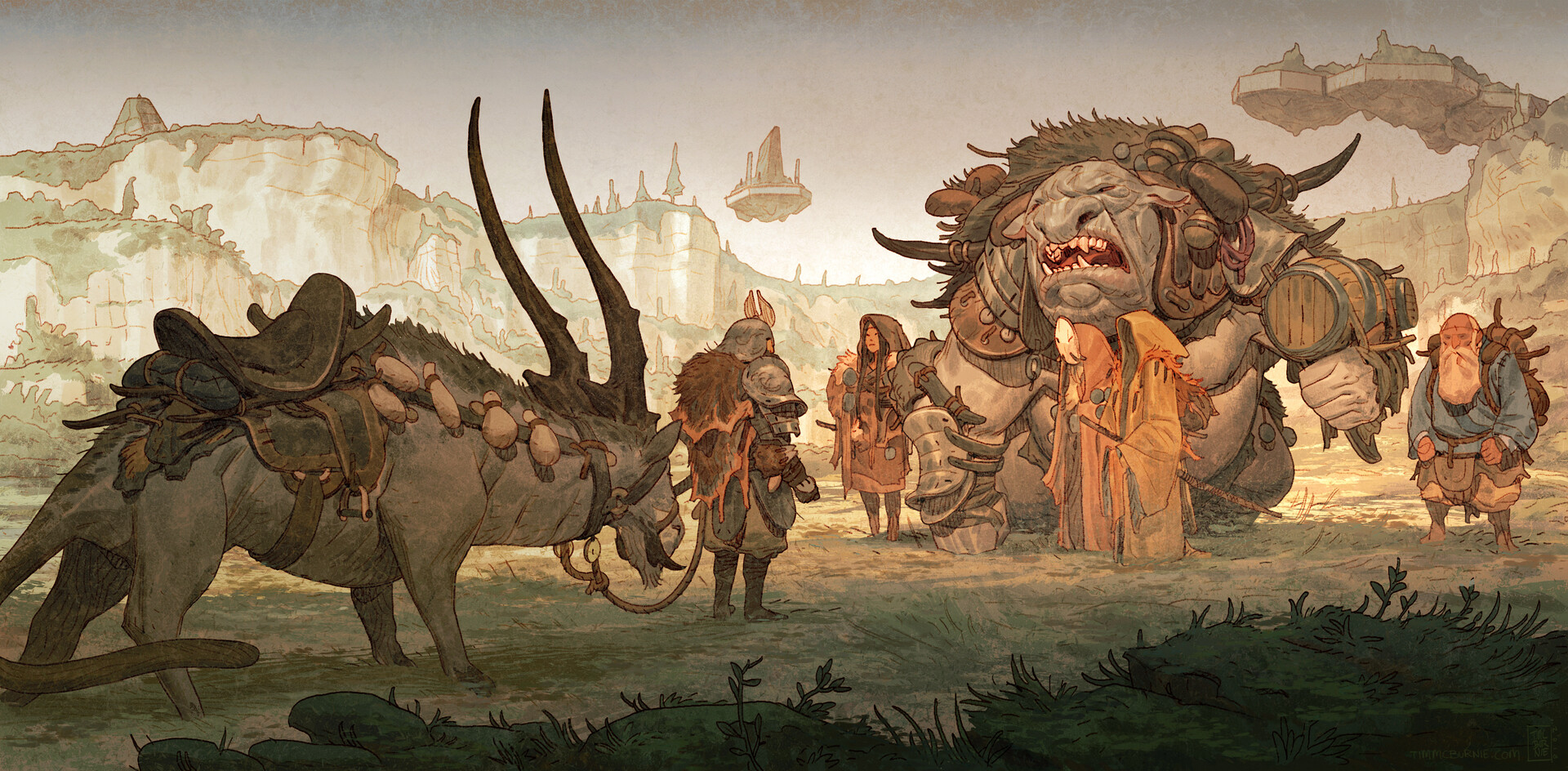
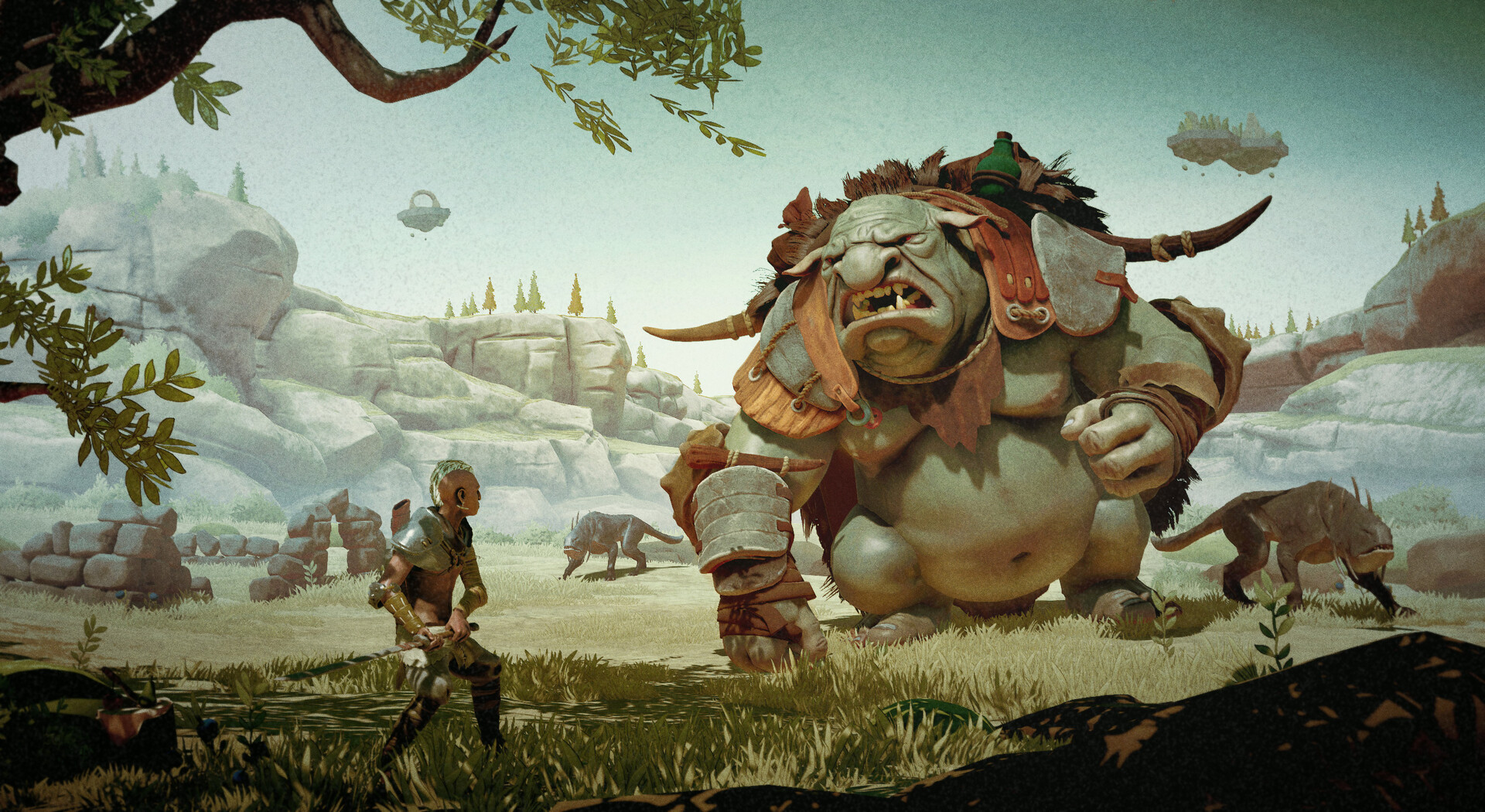
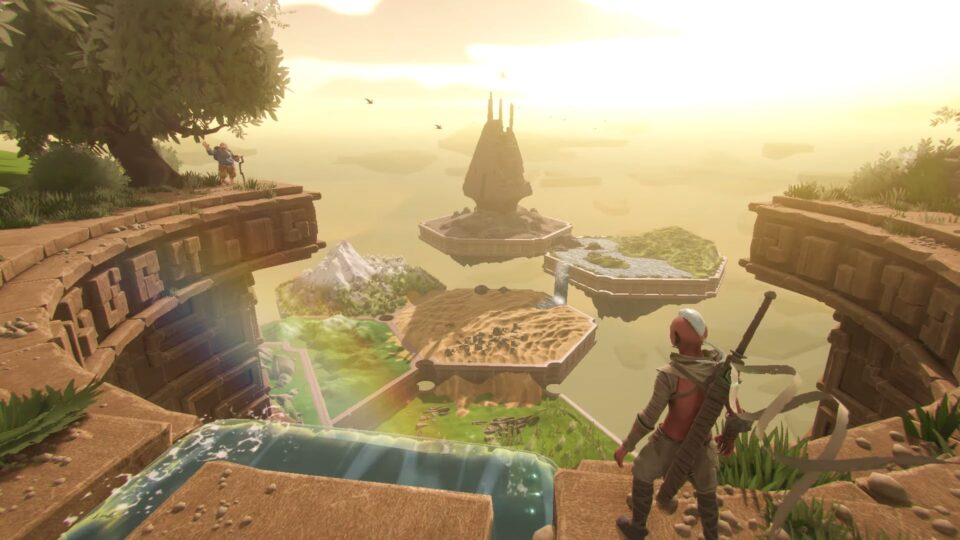
The World In My Attic would supposedly follow a family as they started “a new life in a new home,” only to discover “a strange board game” there known as Hexes & Heroes. This board game would act as “a bridge to a fantastic world,” complete with the requisite fantasy tropes one might expect from a riff on the iconic Dungeons & Dragons alliteration.
Much like Defiant’s previous work on the Hand of Fate series, The World In My Attic appears to blend both tabletop strategy with action-adventure set pieces. Where the former focused on deck-building, however, the latter would presumably have featured a world created with the distinct hex pieces seen in tabletop games like Settlers of Catan. In the short preview above, a warrior-type character can be seen traversing a landscape made up of these six-sided segments and, at one point, a large orc or troll is shown being placed on the “real world” game board before it appears in the fantasy setting.
After the shutdown of Defiant Development, numerous ex-developers, including Morgan Jaffit, will found Spitfire Interactive, currently developping Hand of Fate: Hordes, planned to release this month.
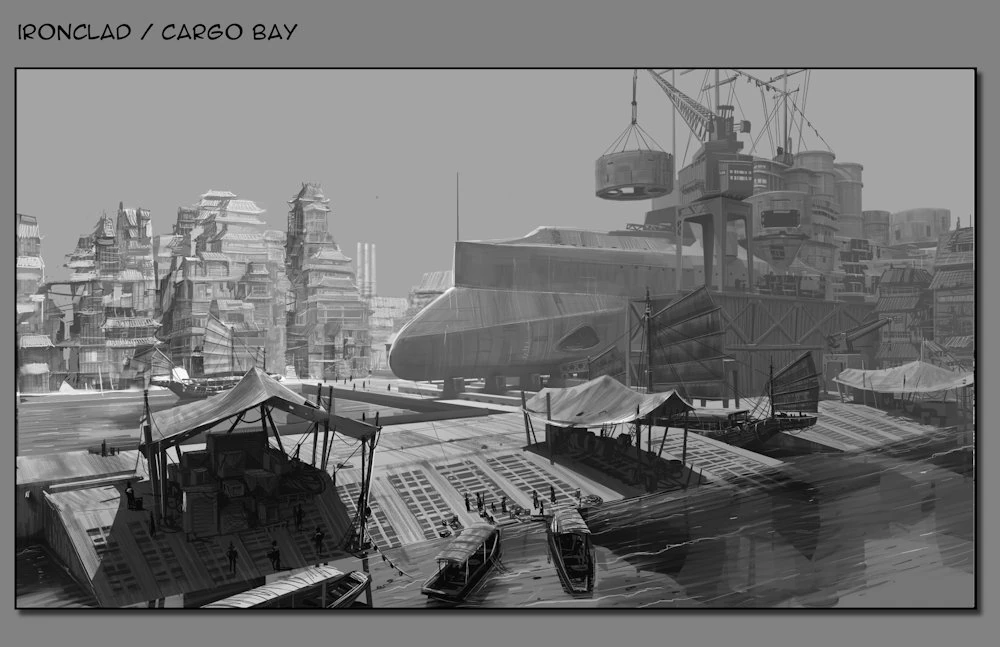
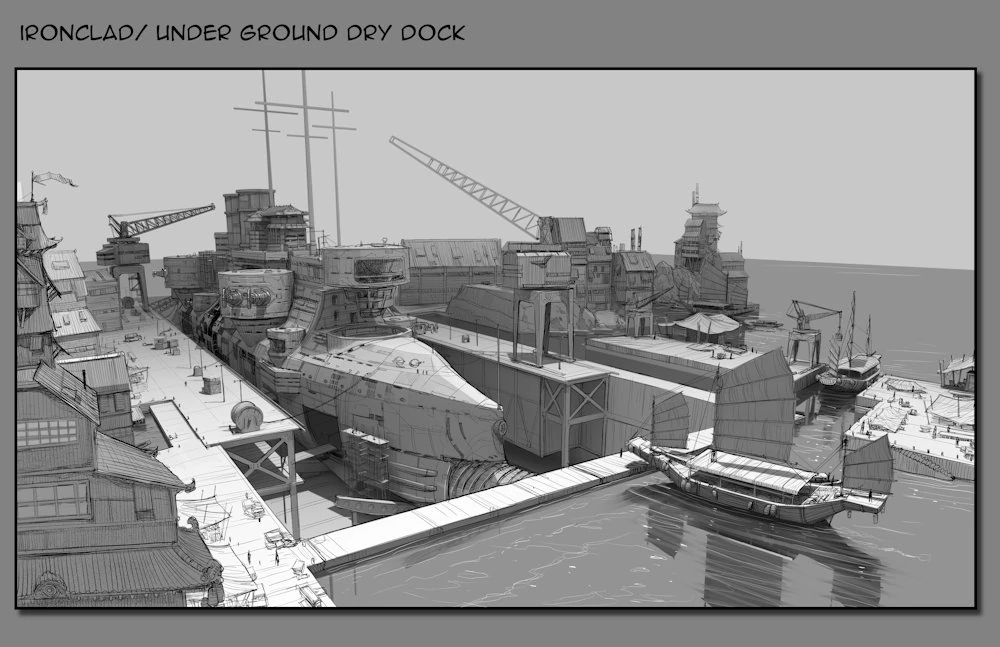
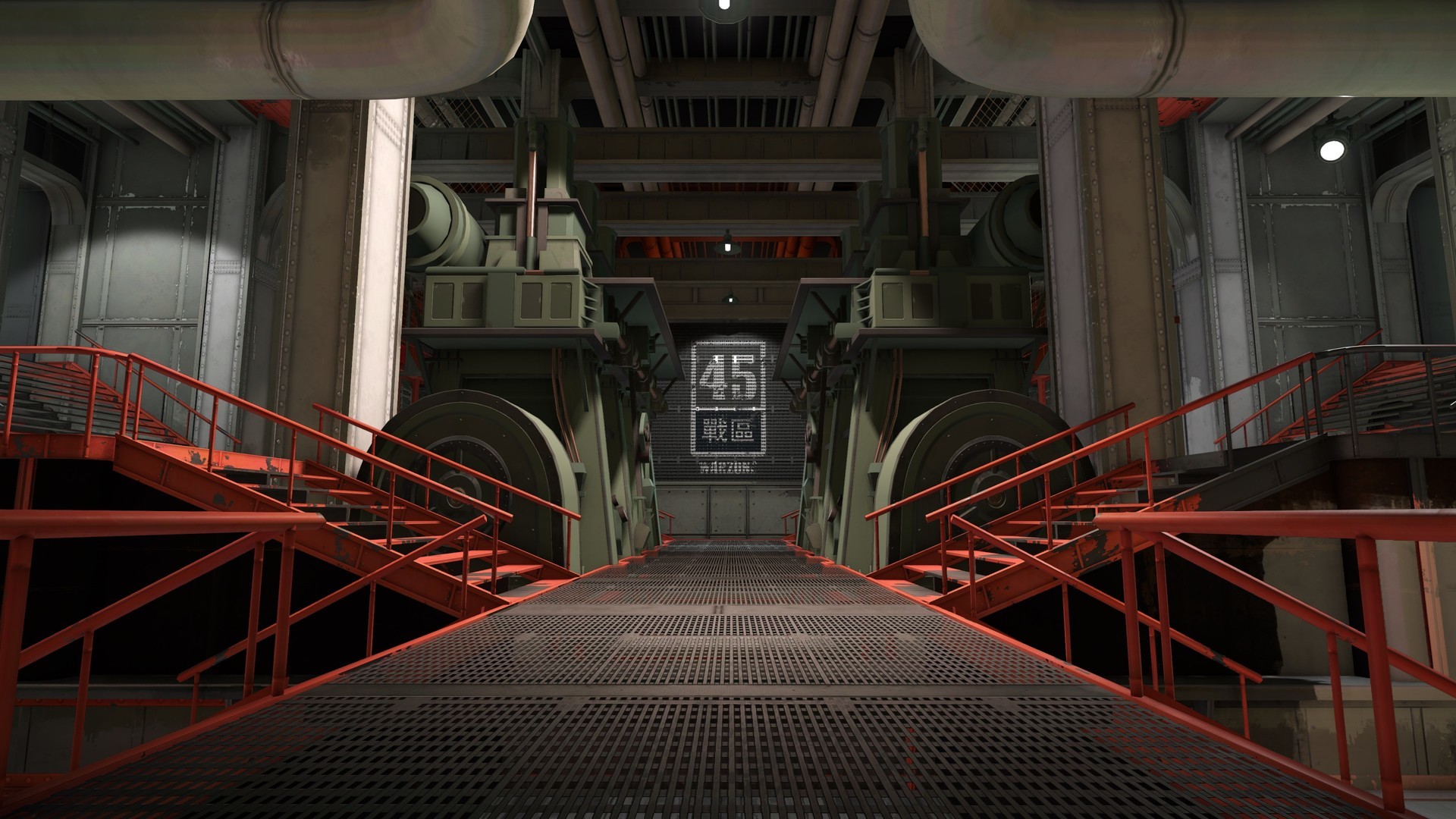
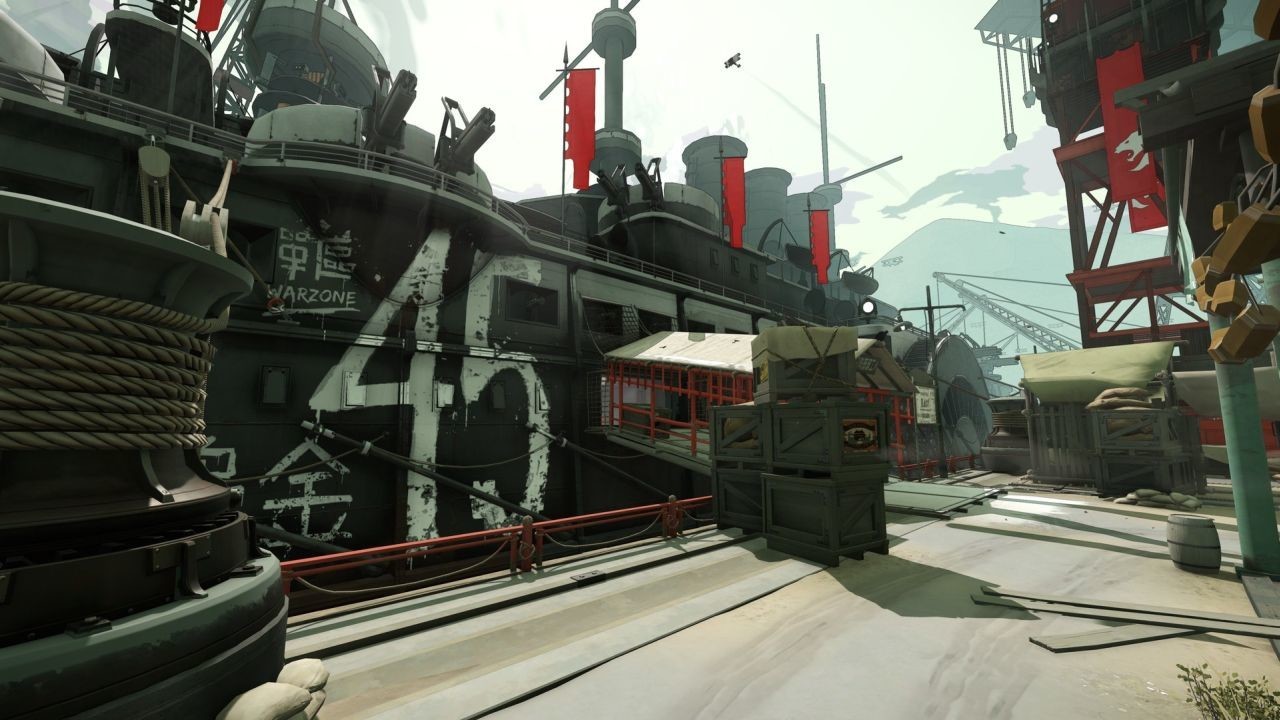
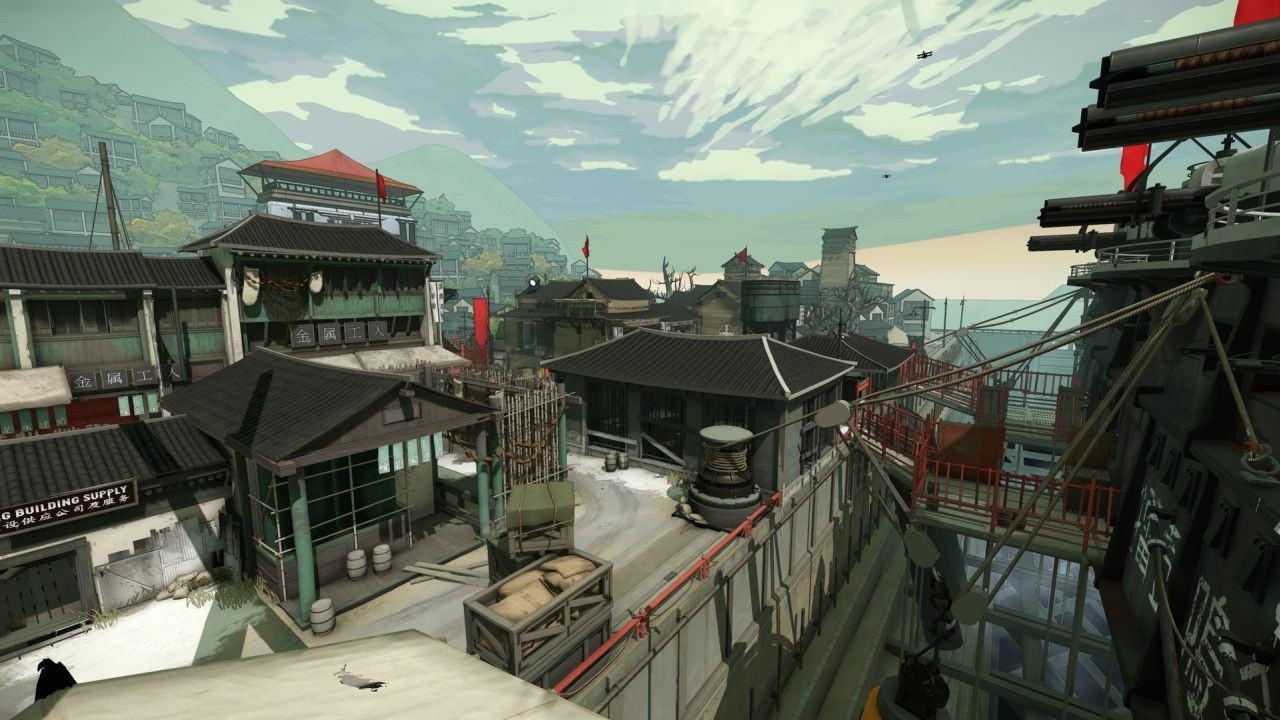
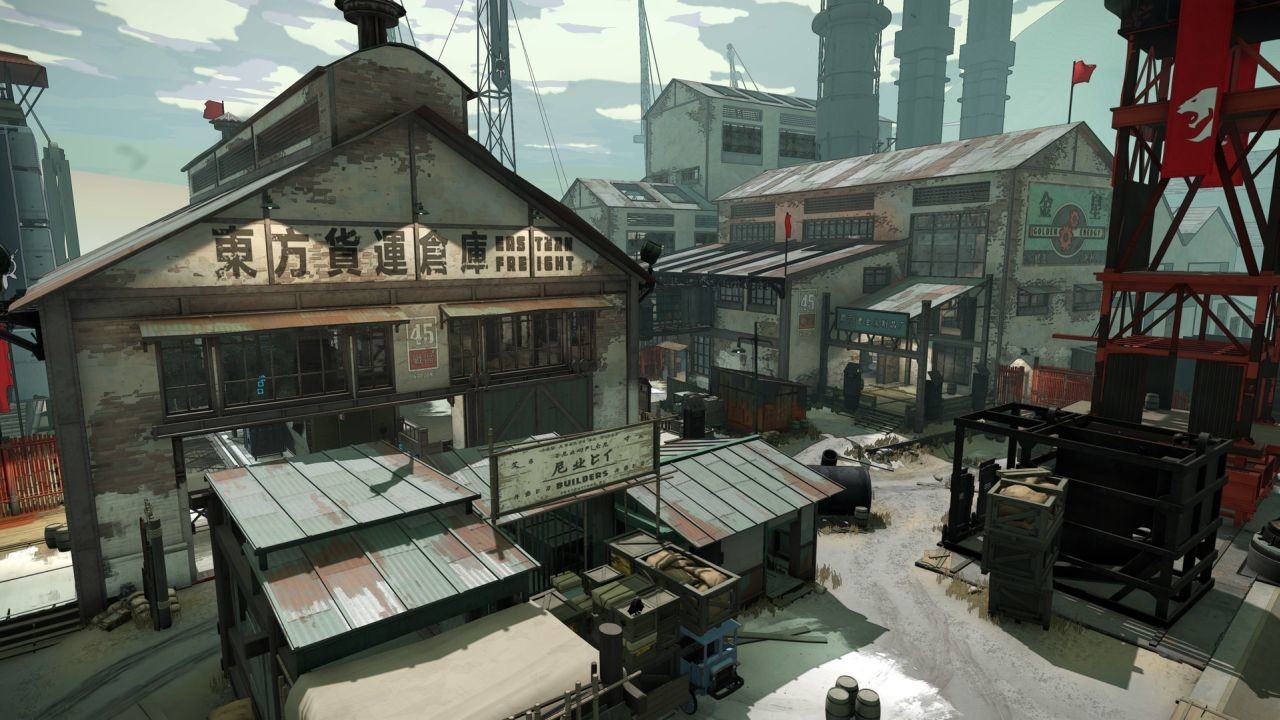
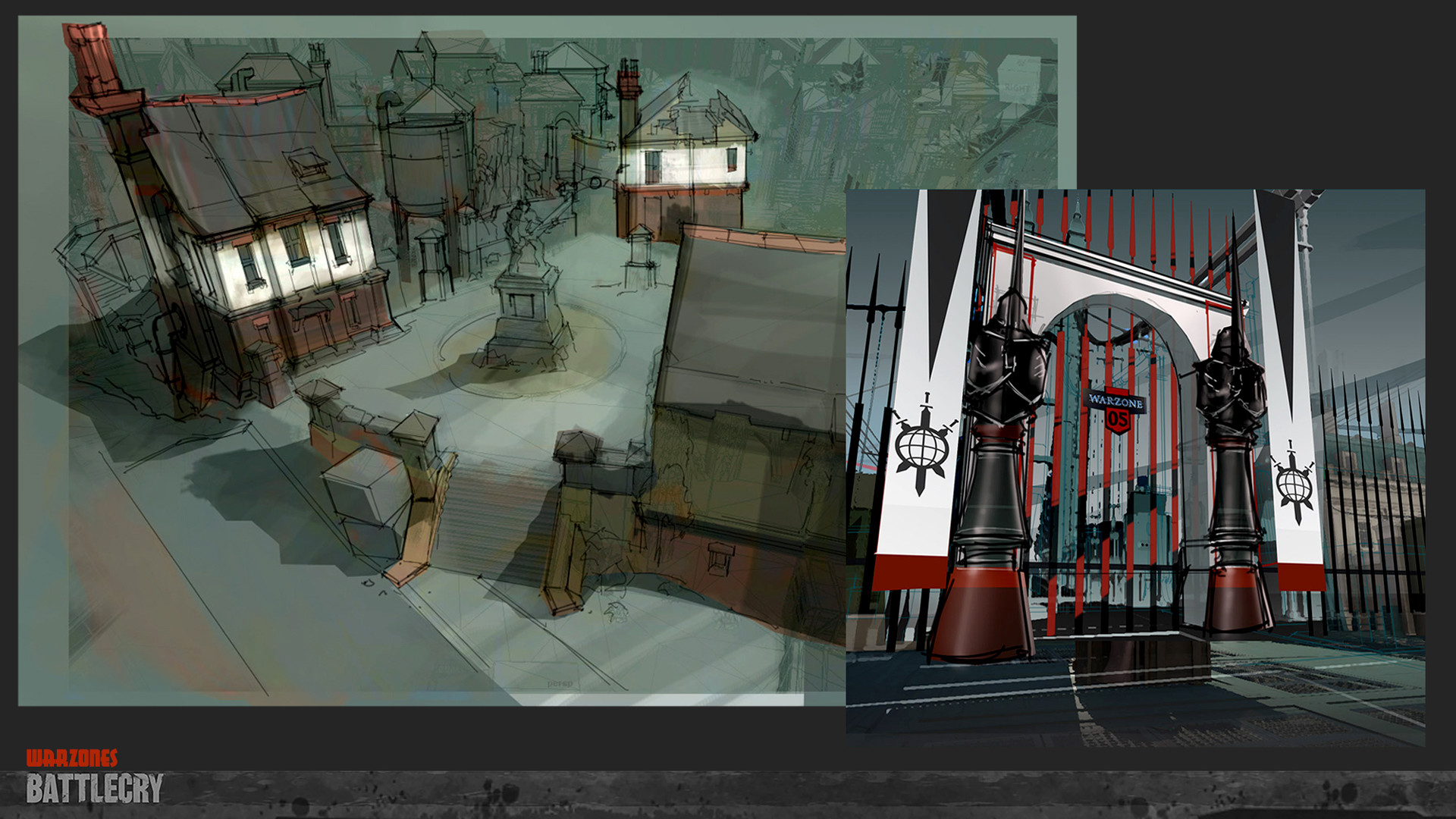
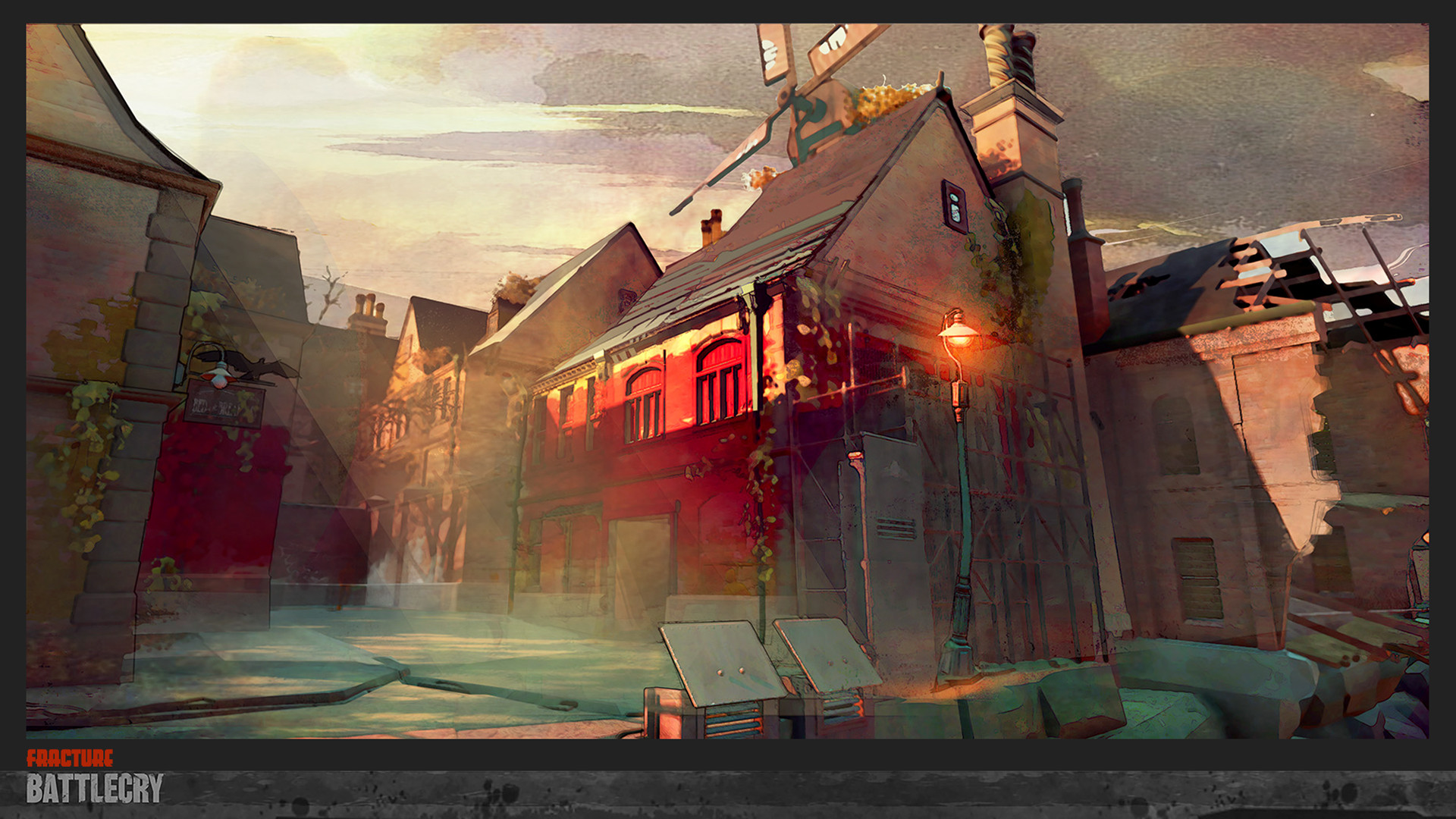
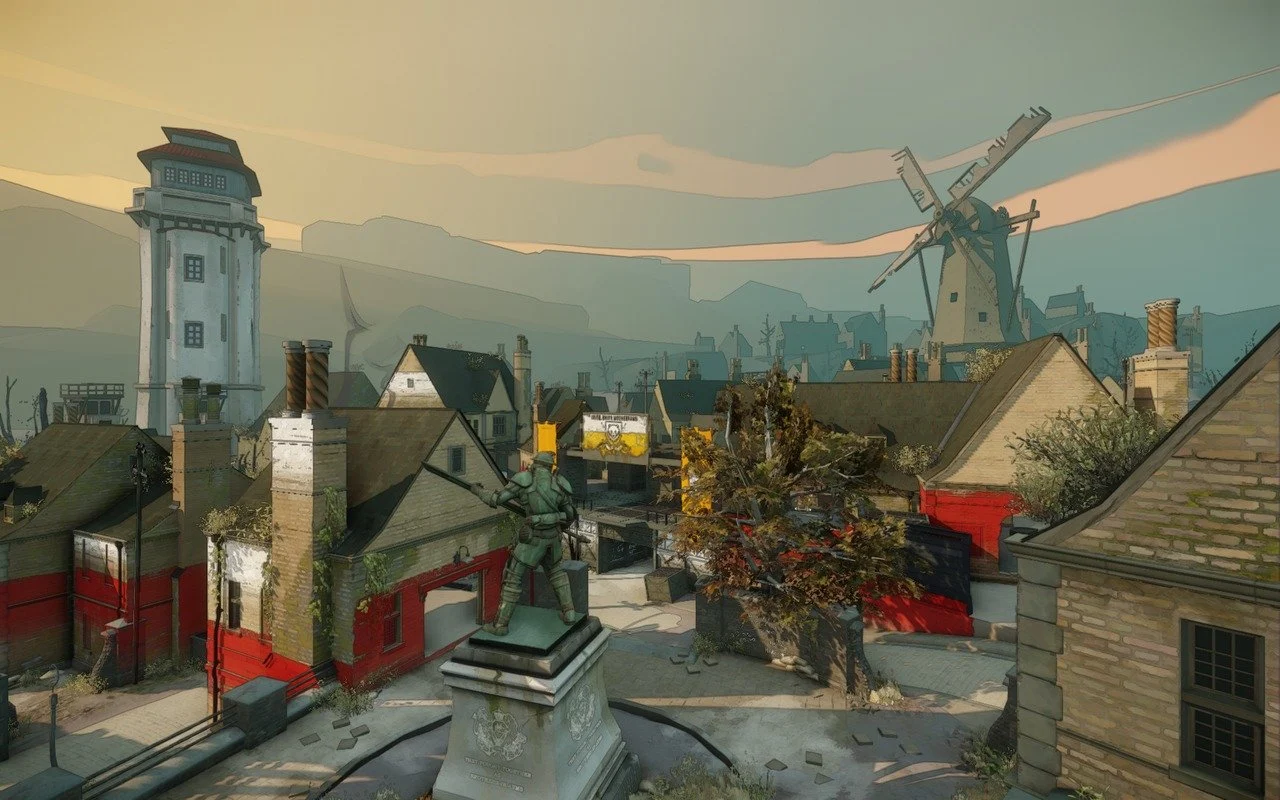
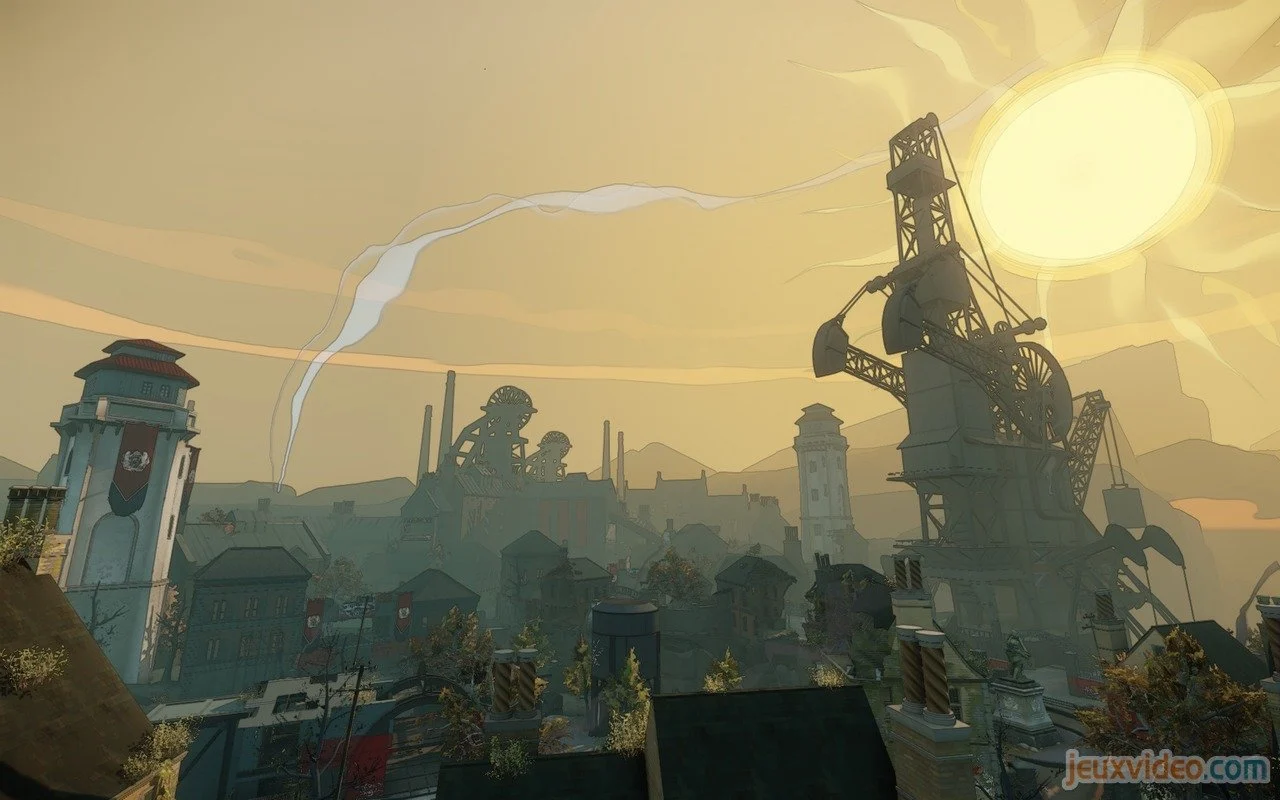
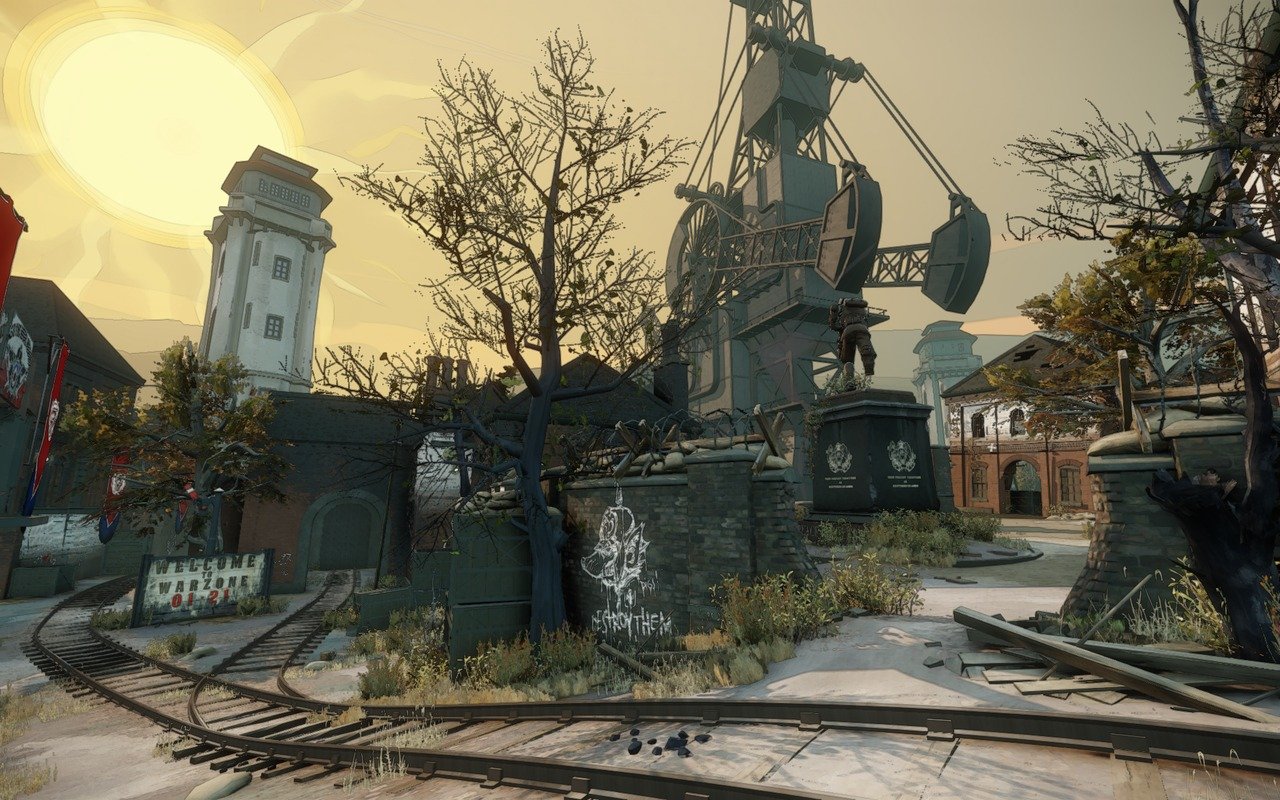
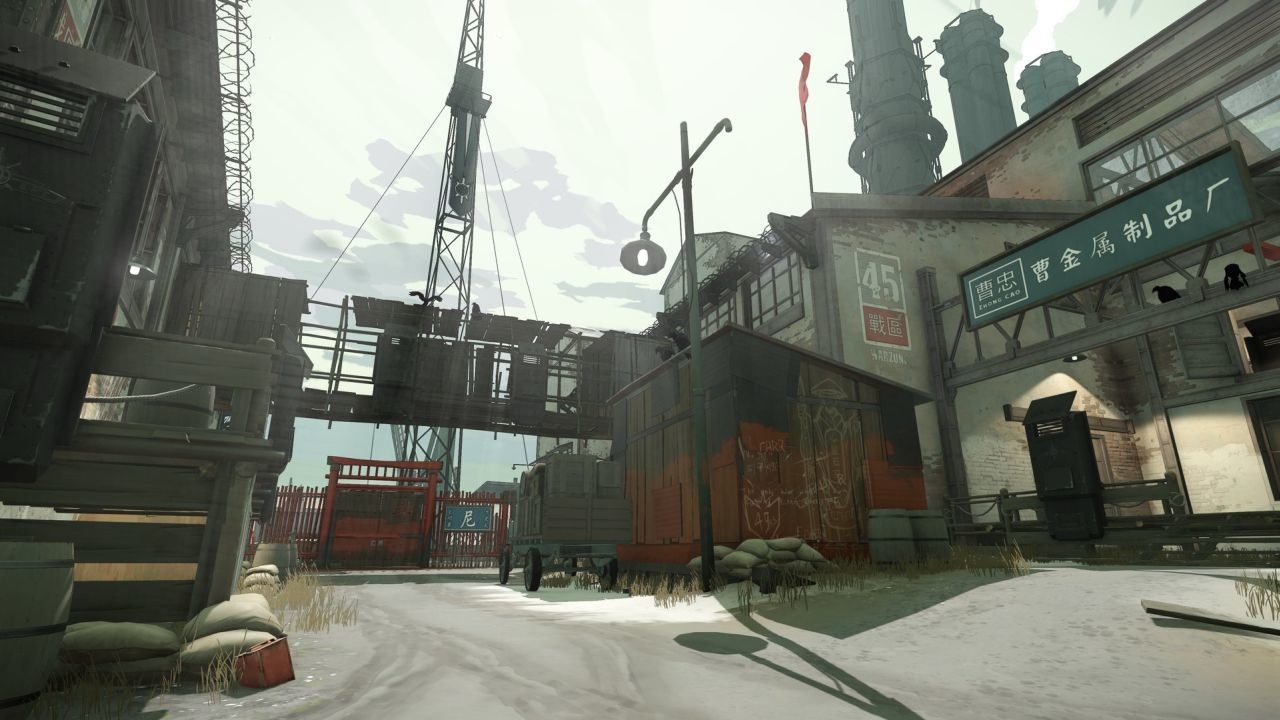
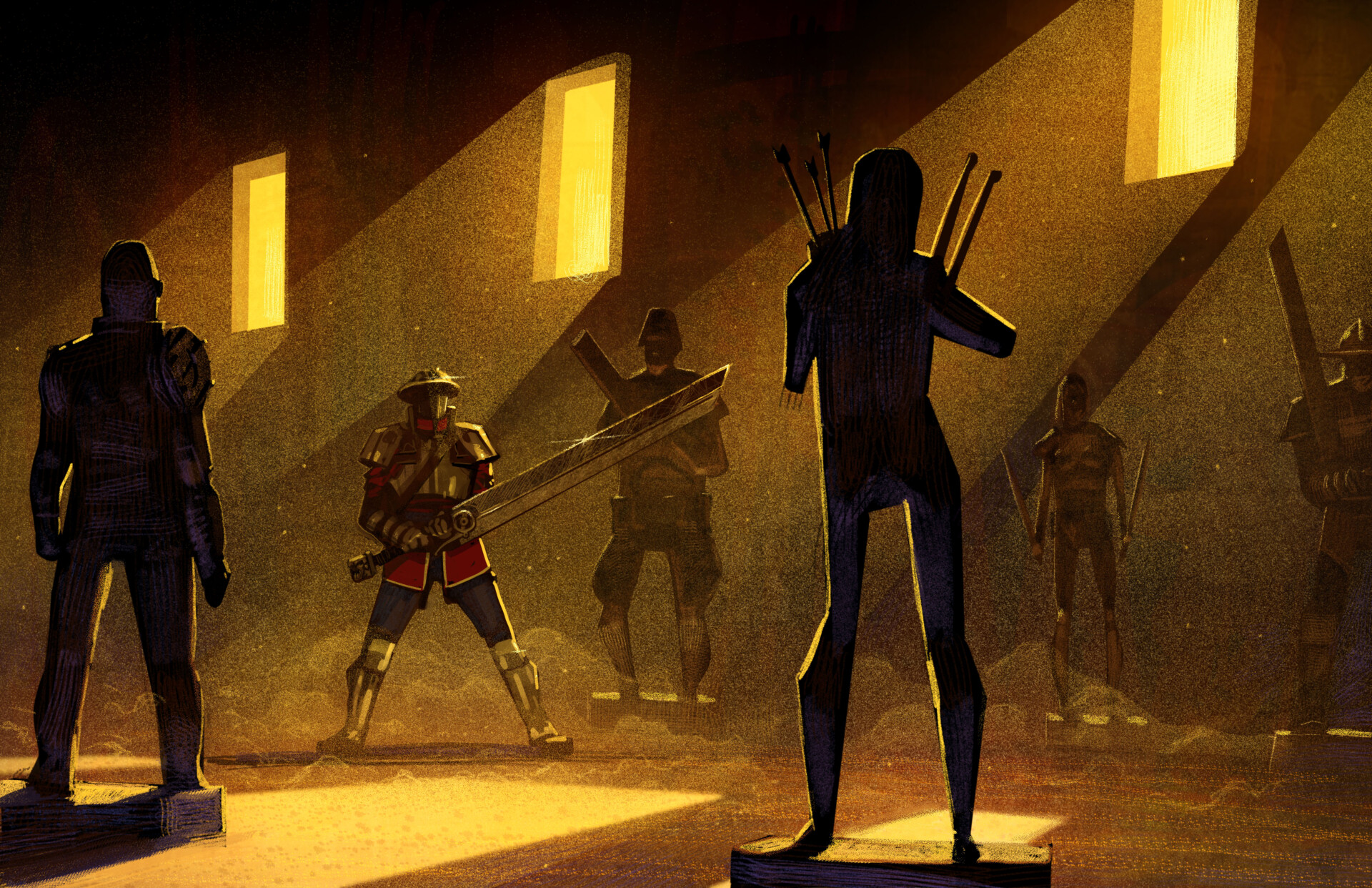
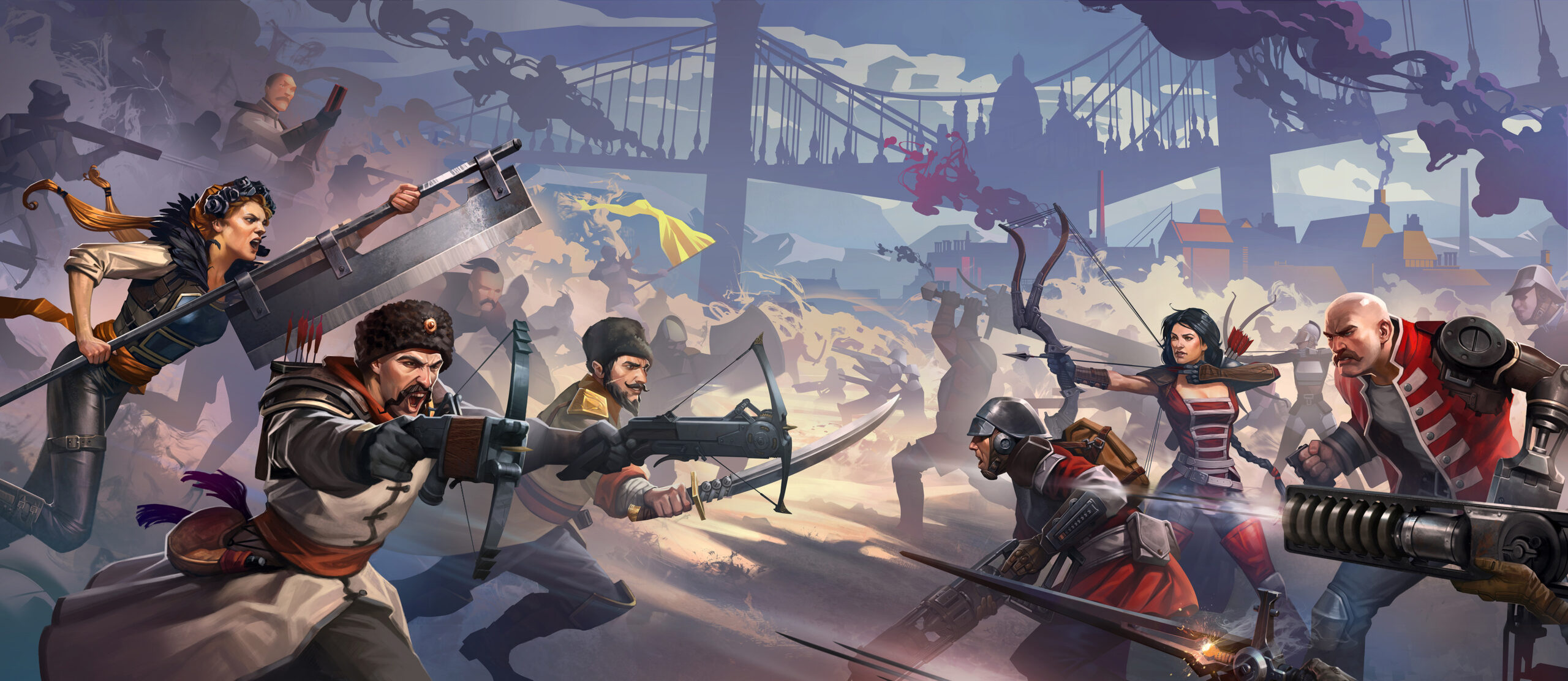
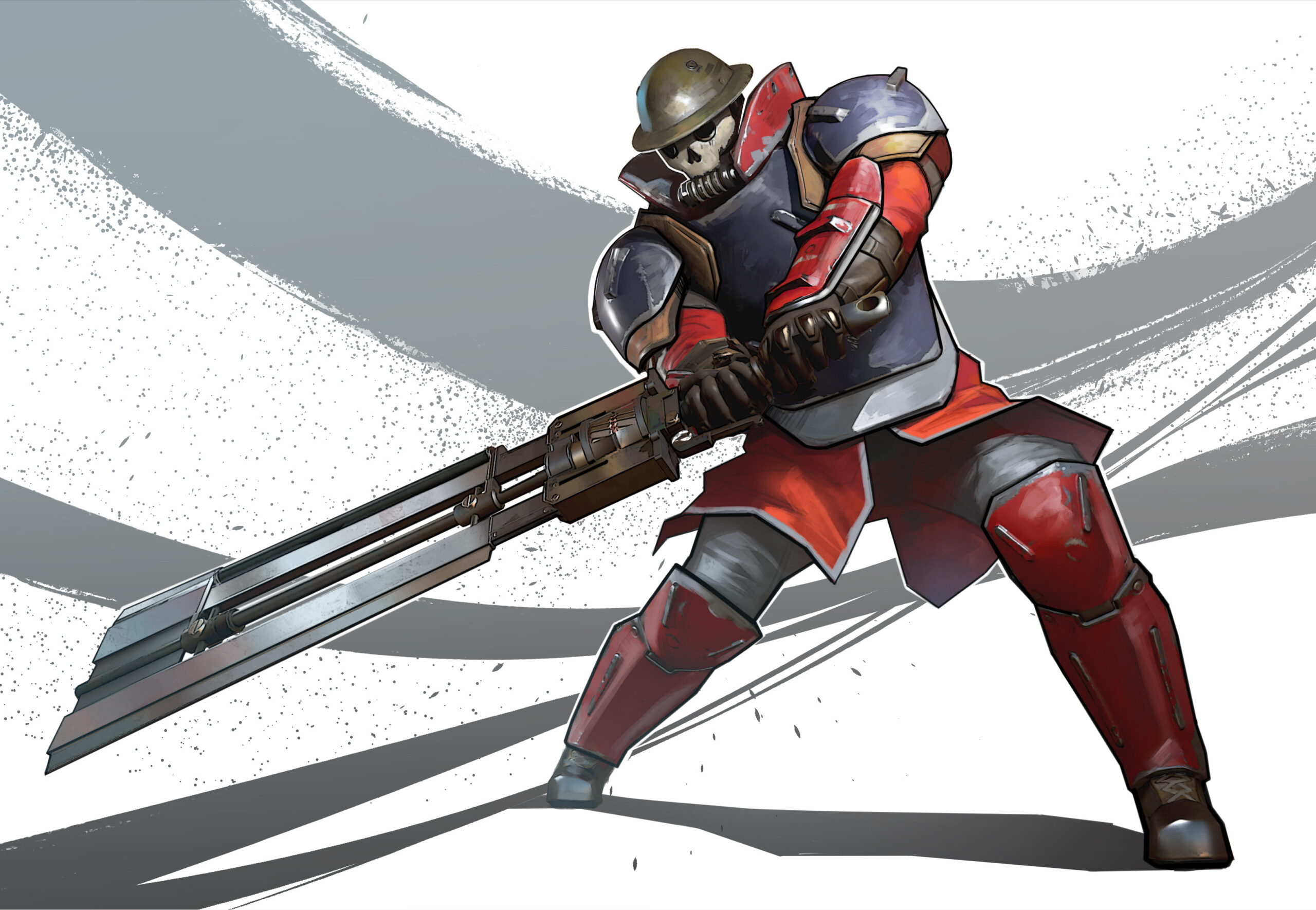
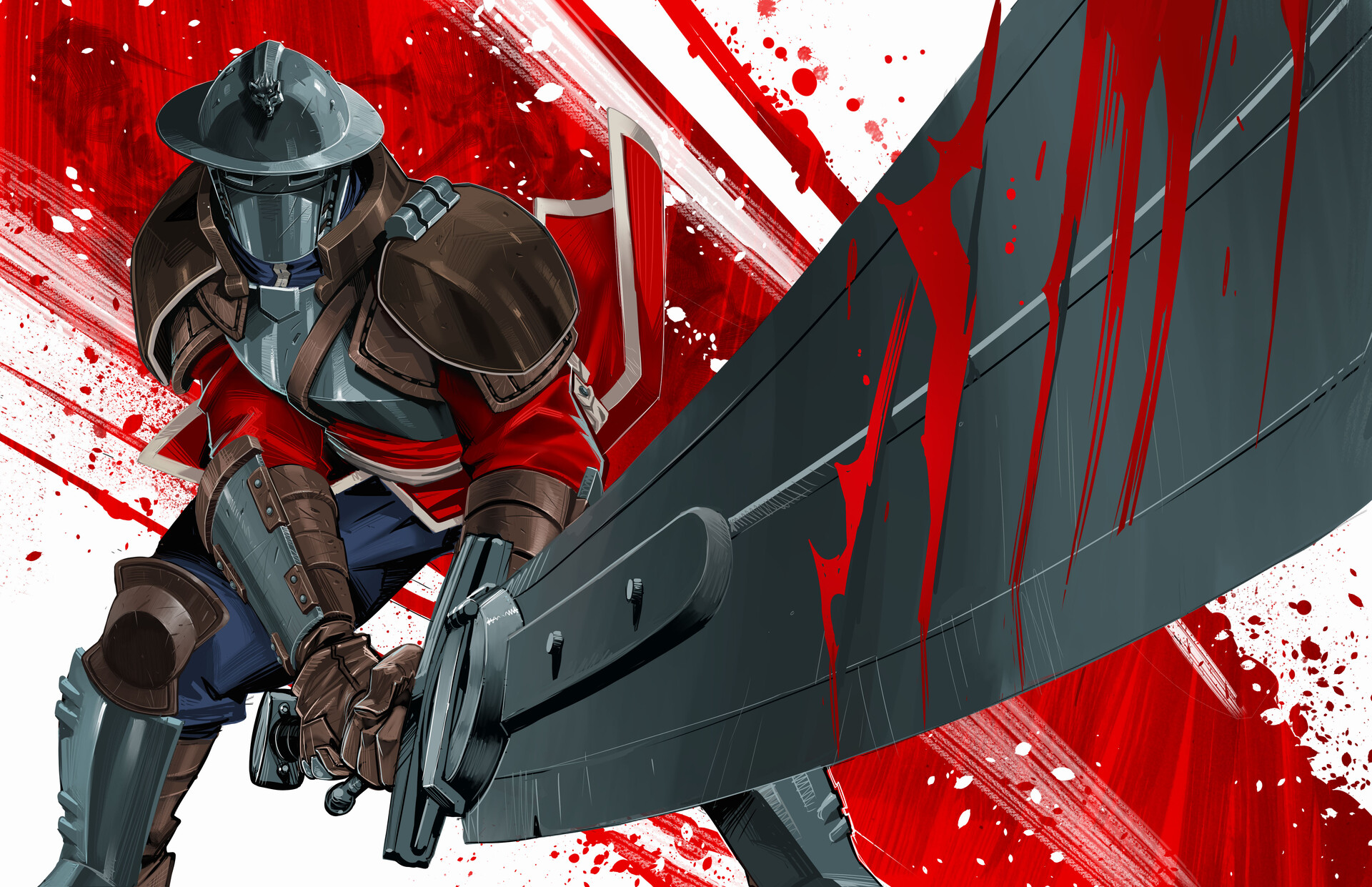
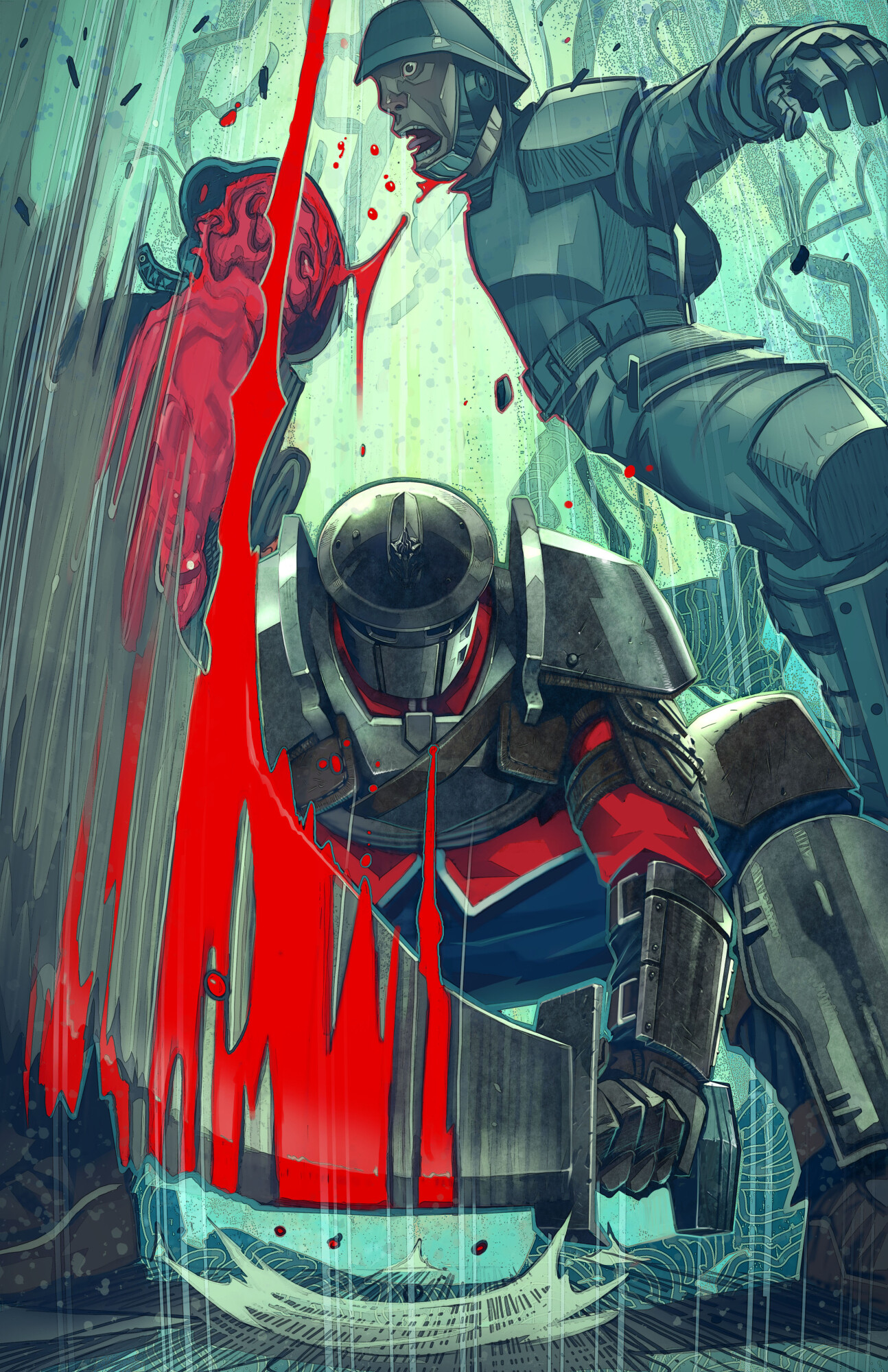
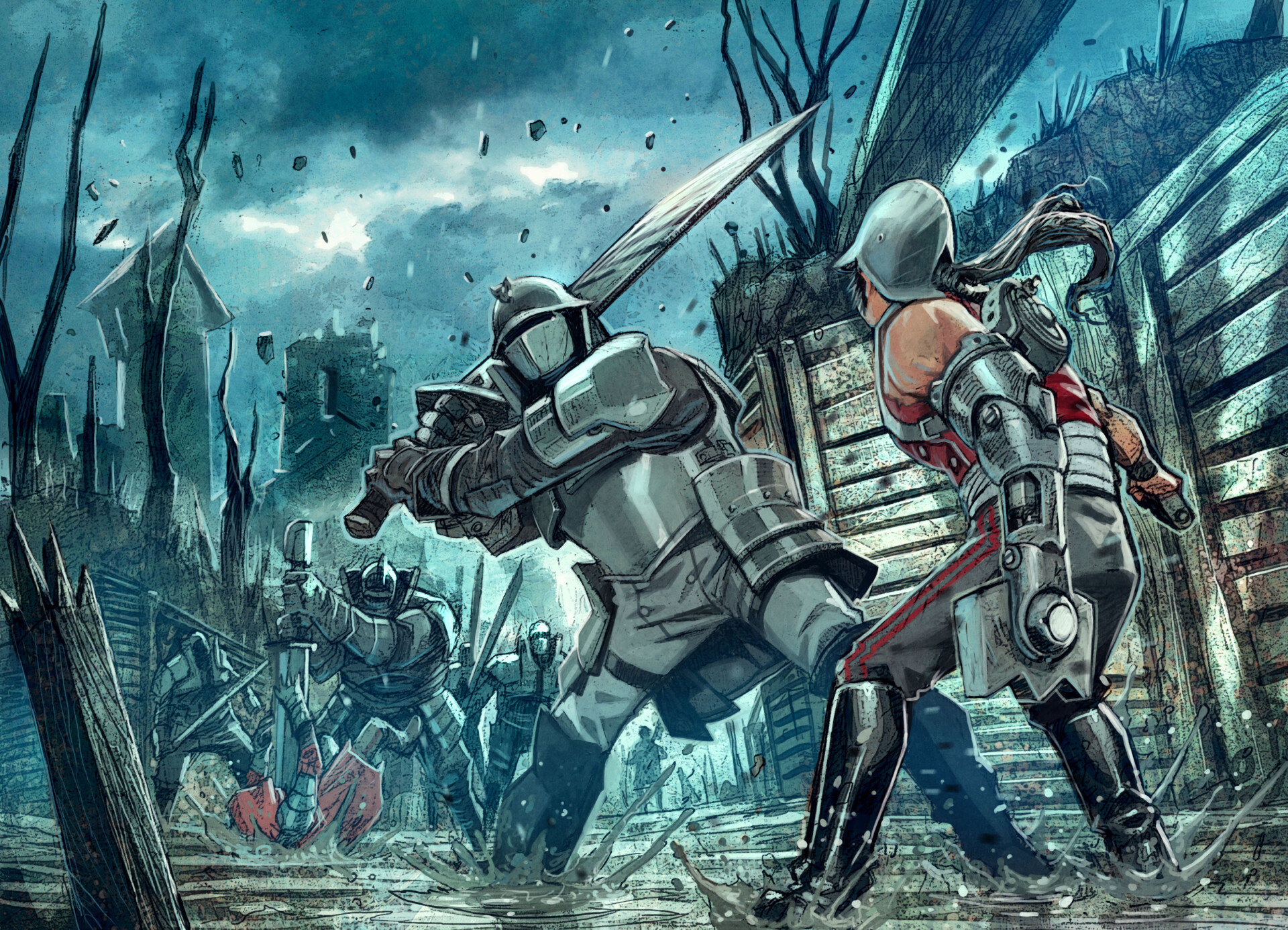
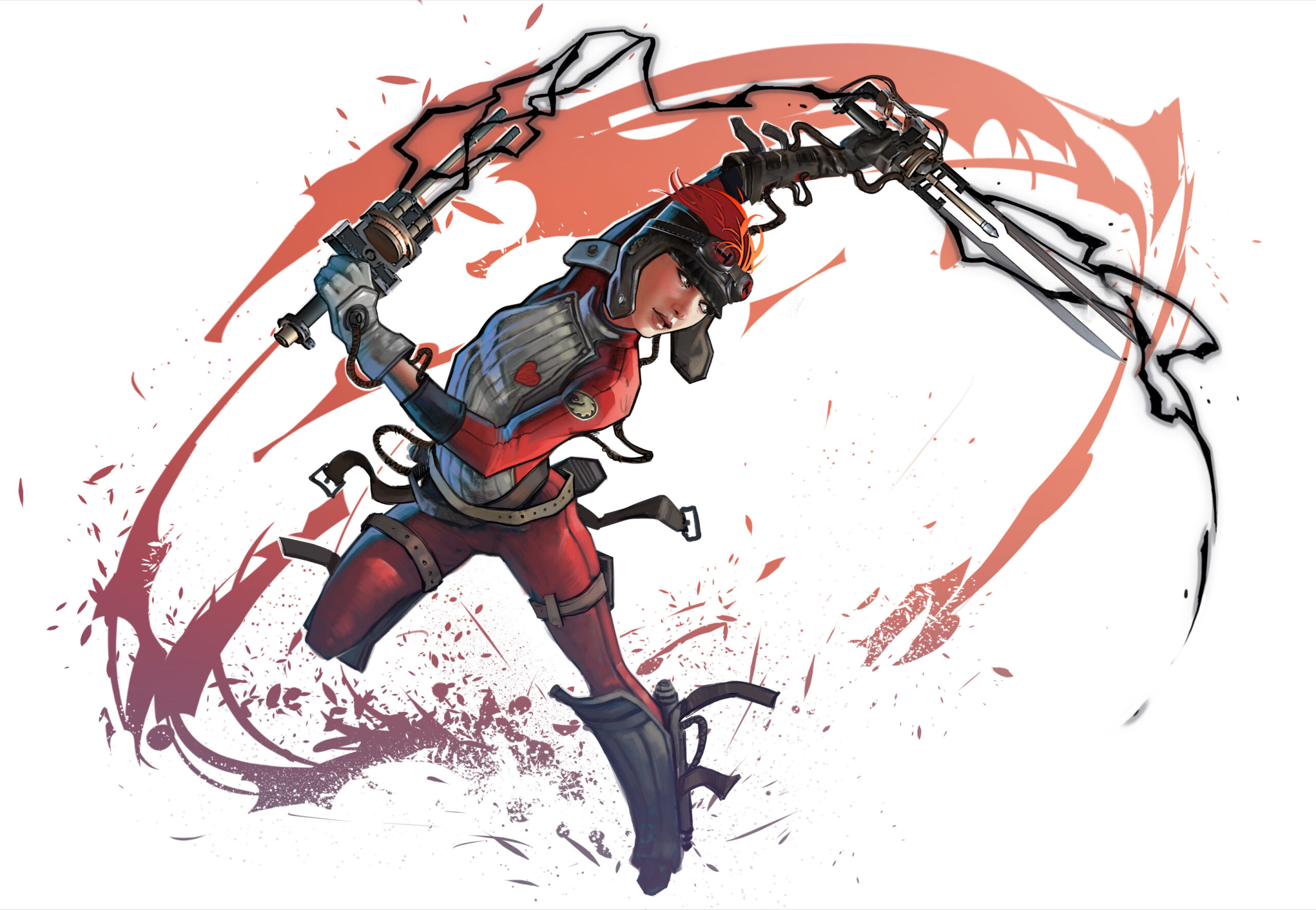
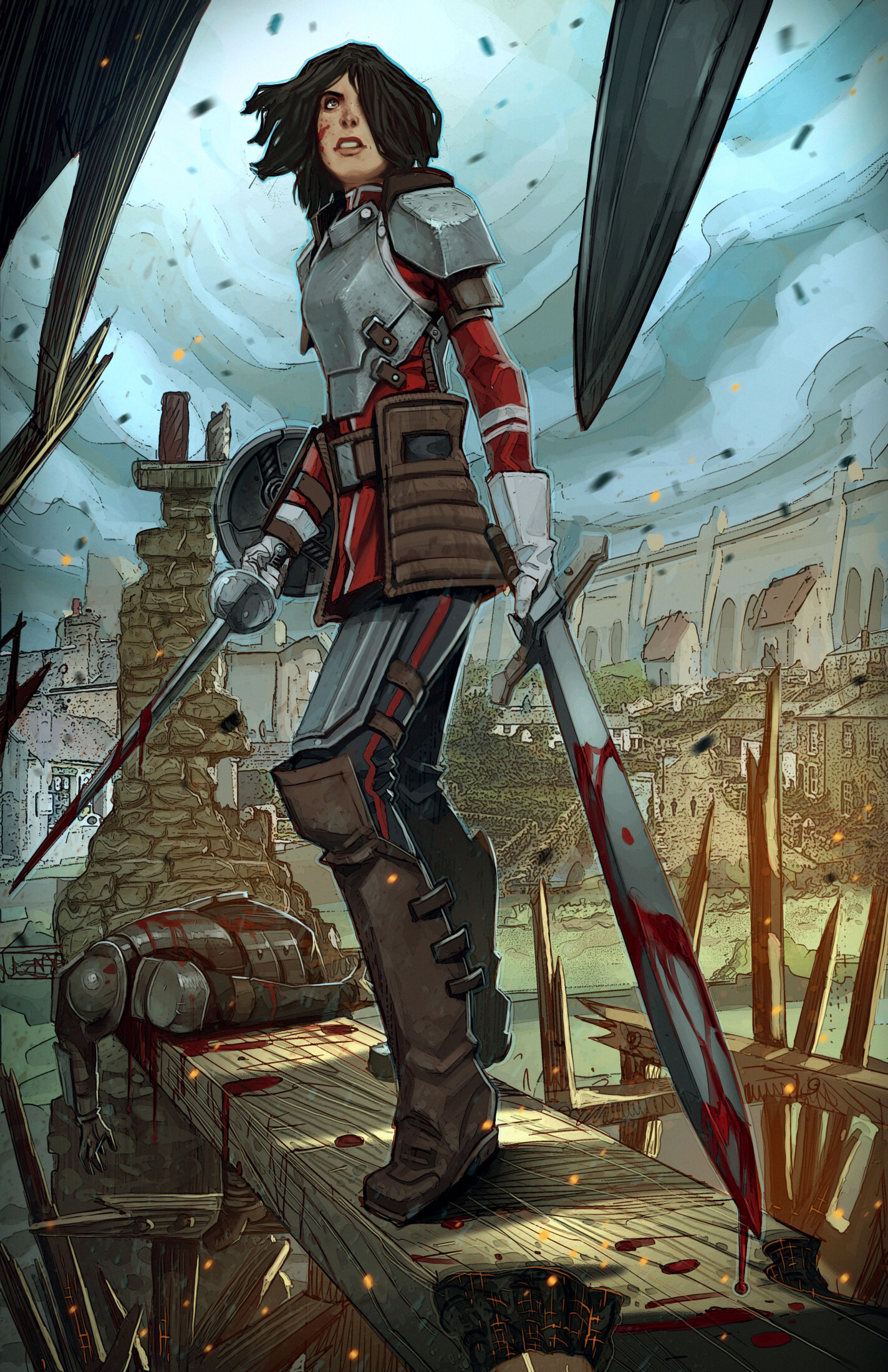
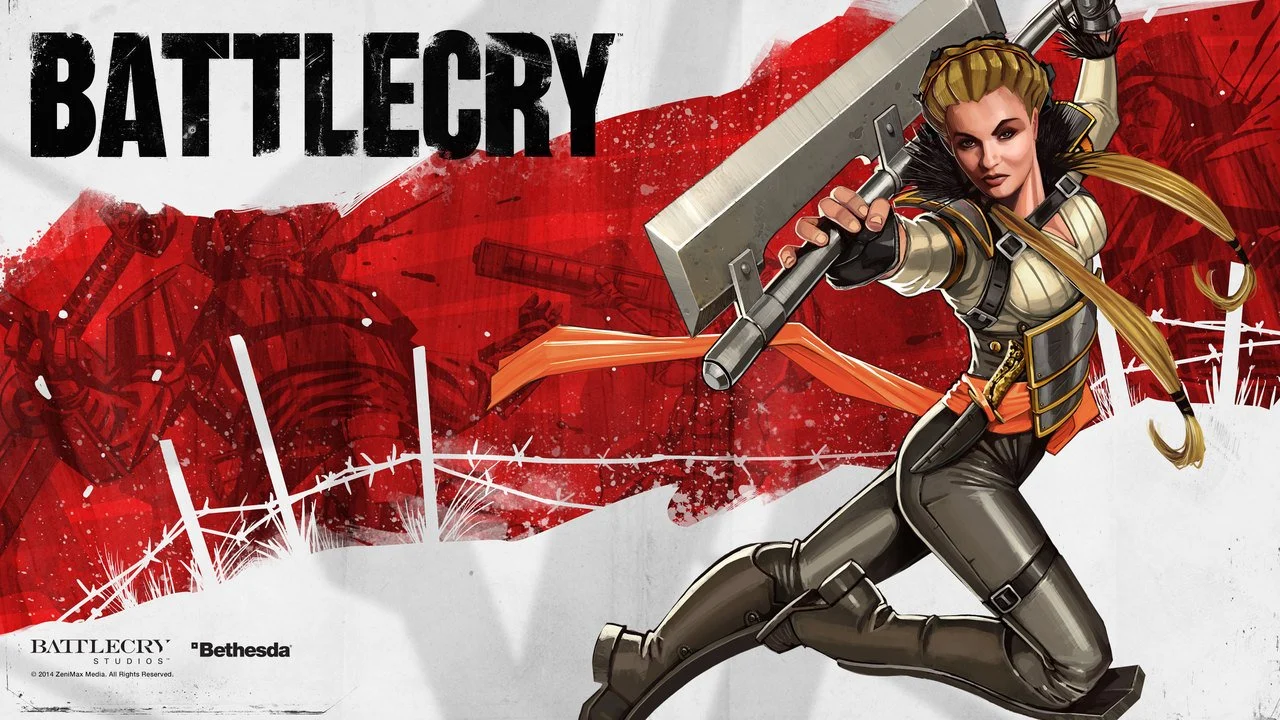
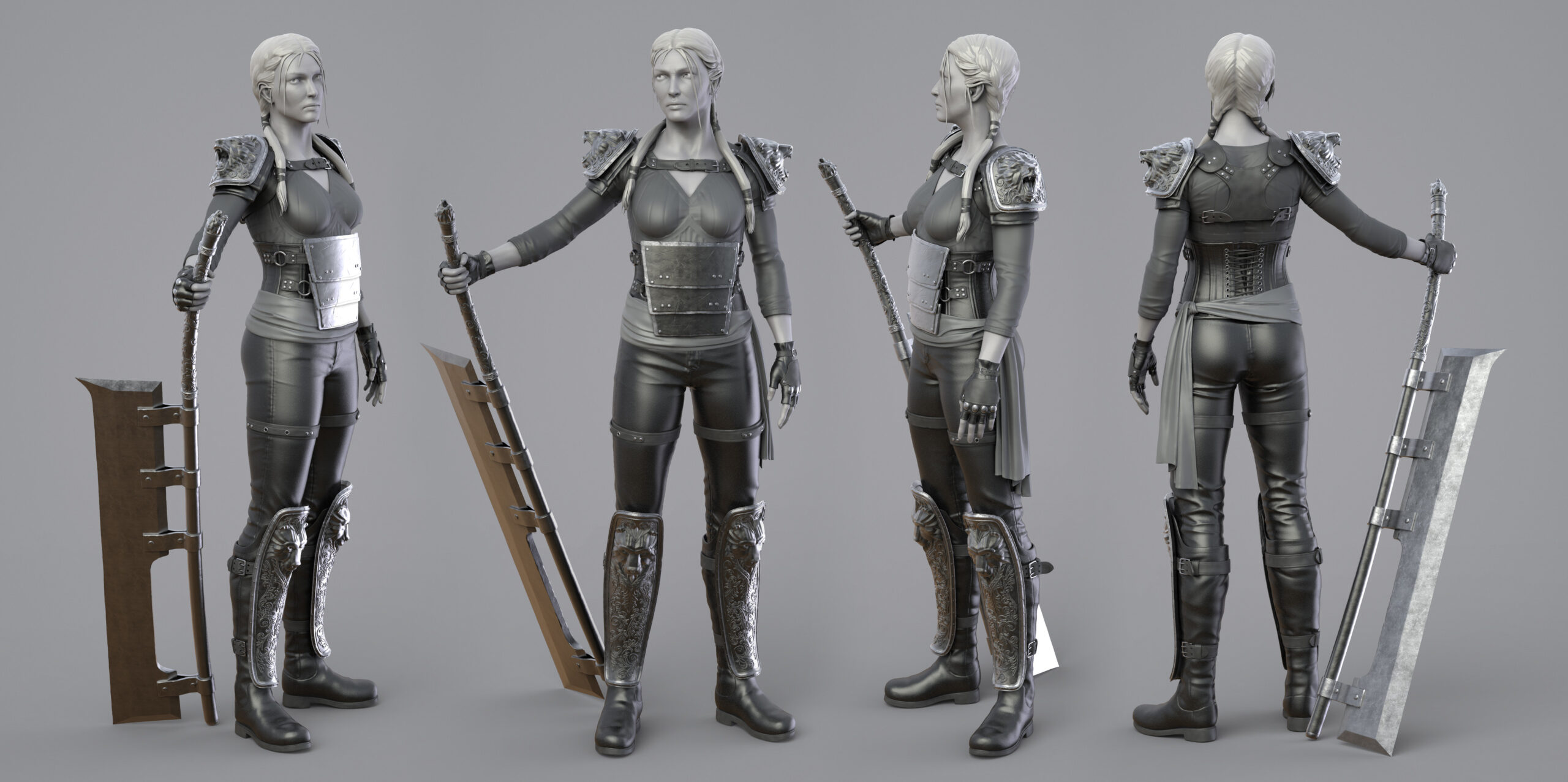
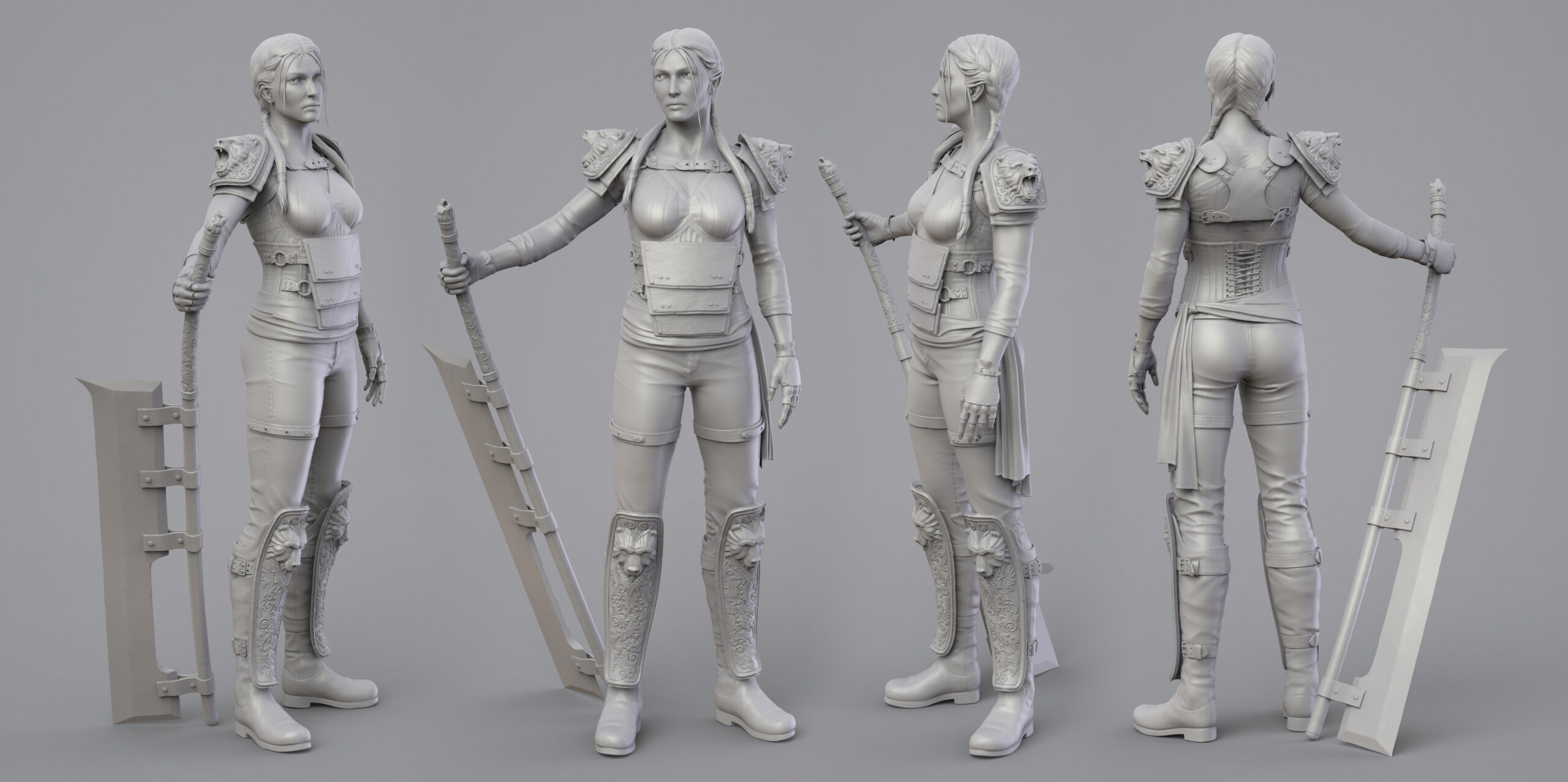
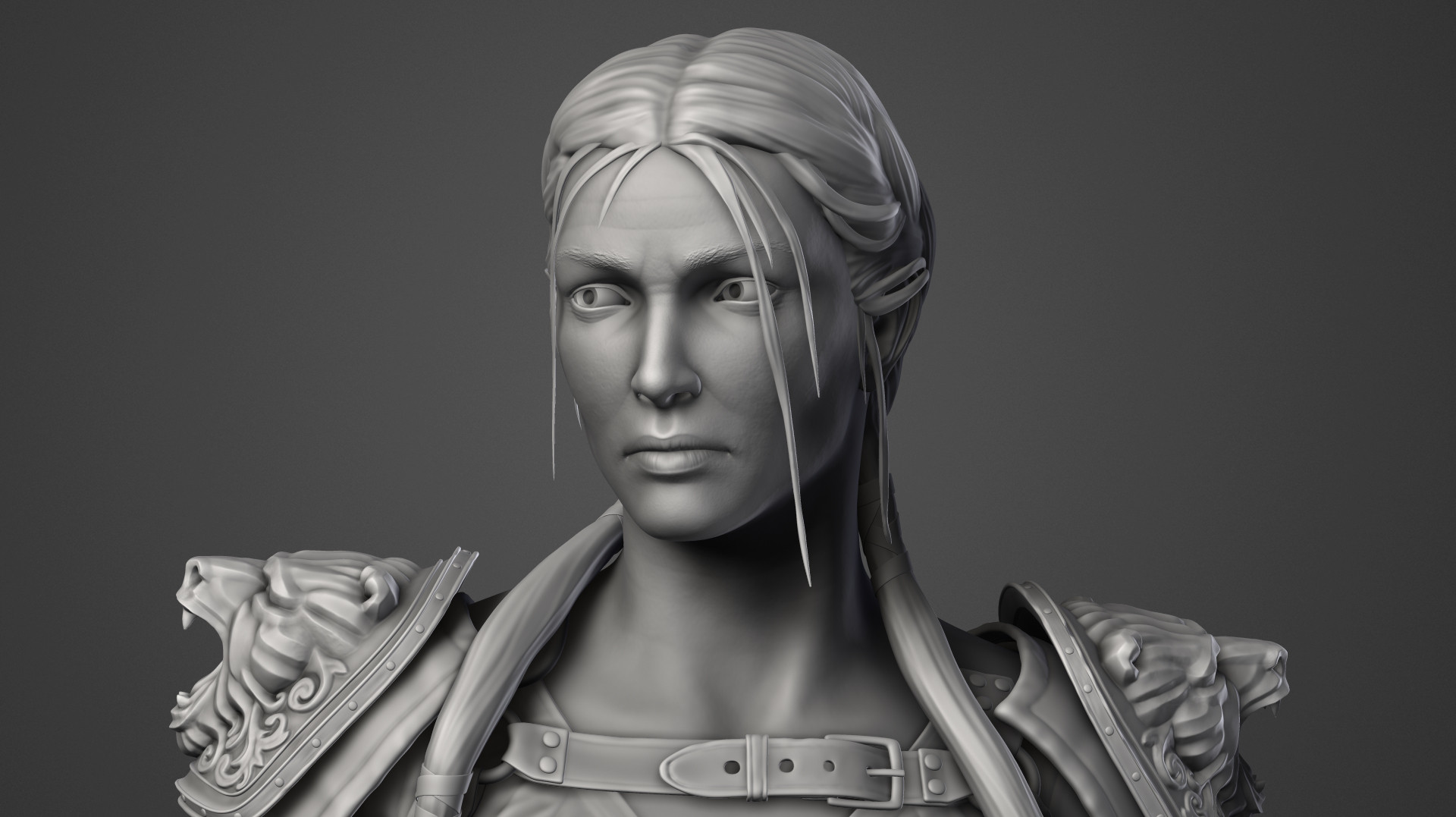
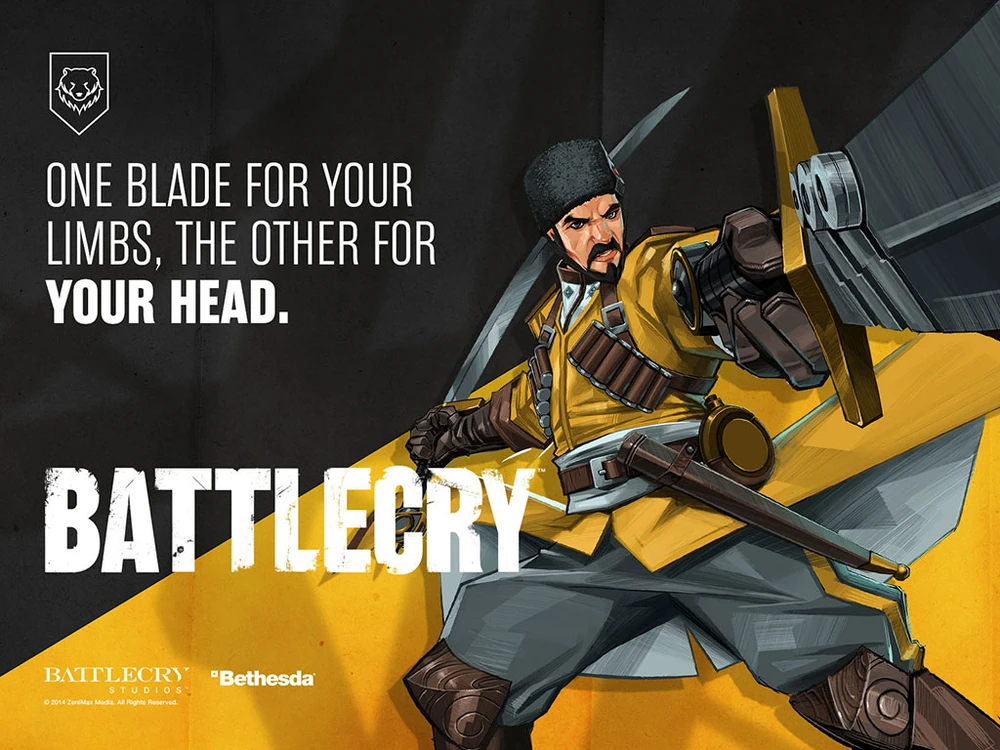
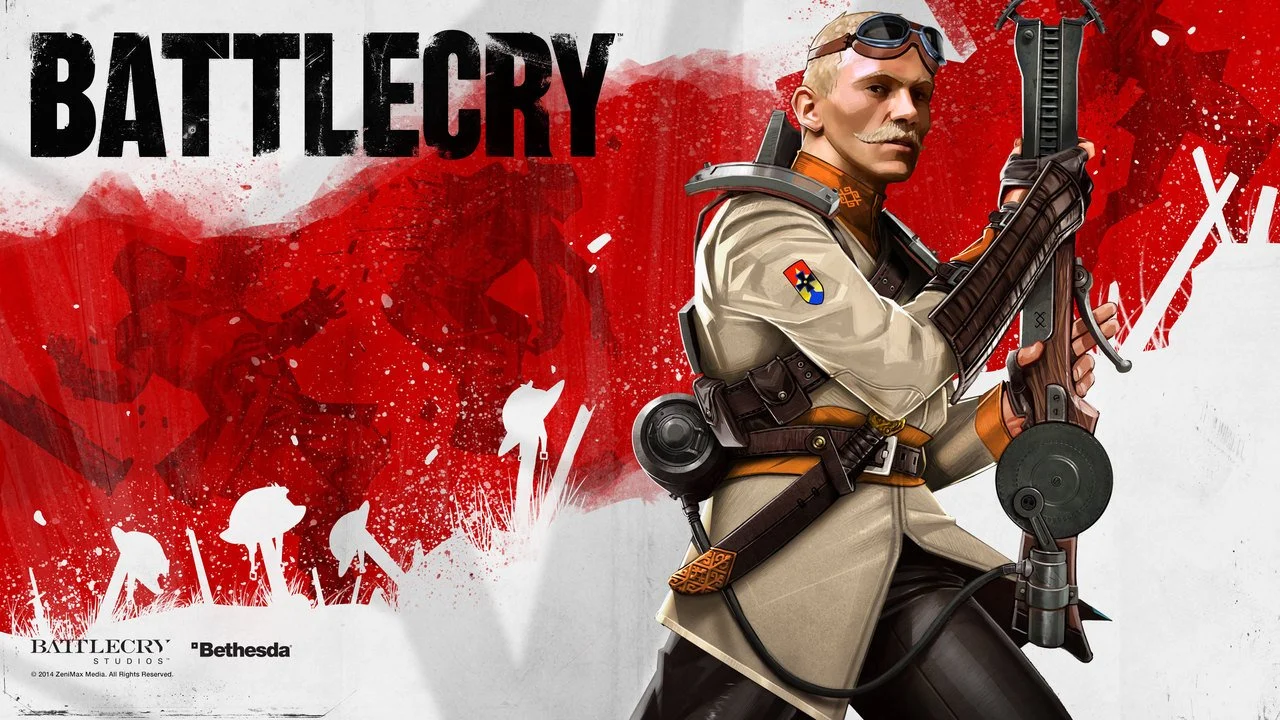
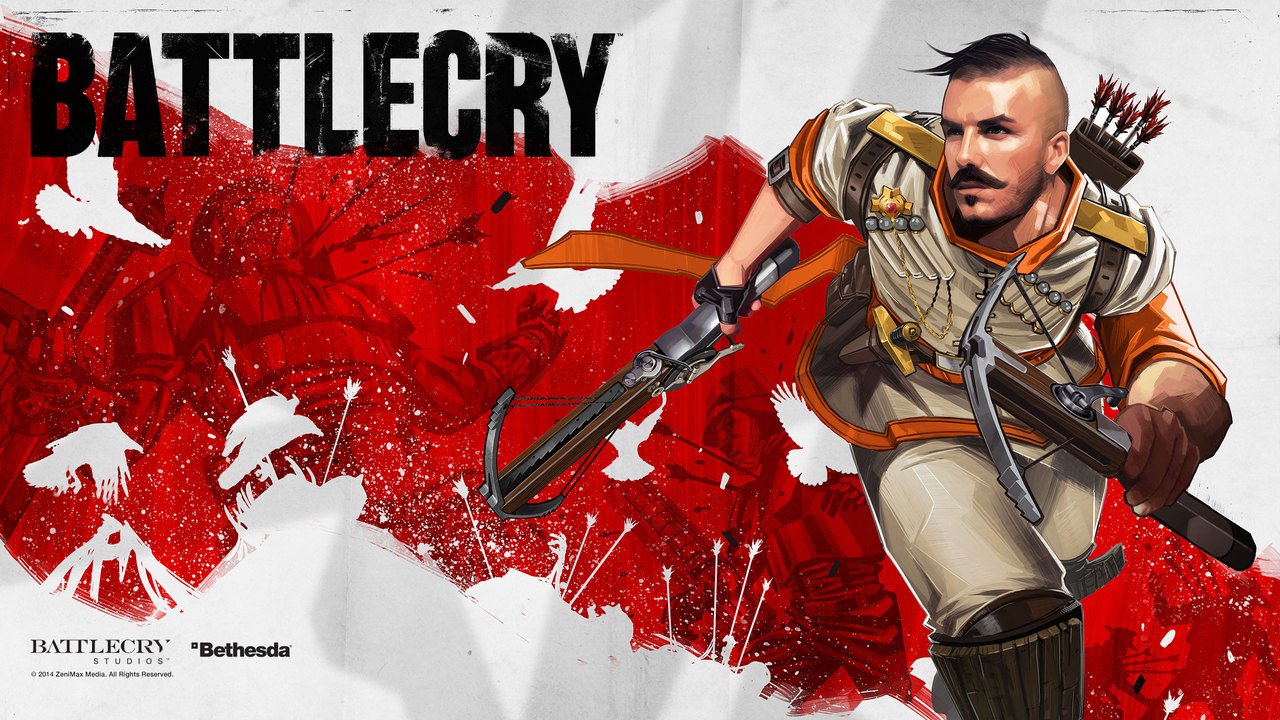
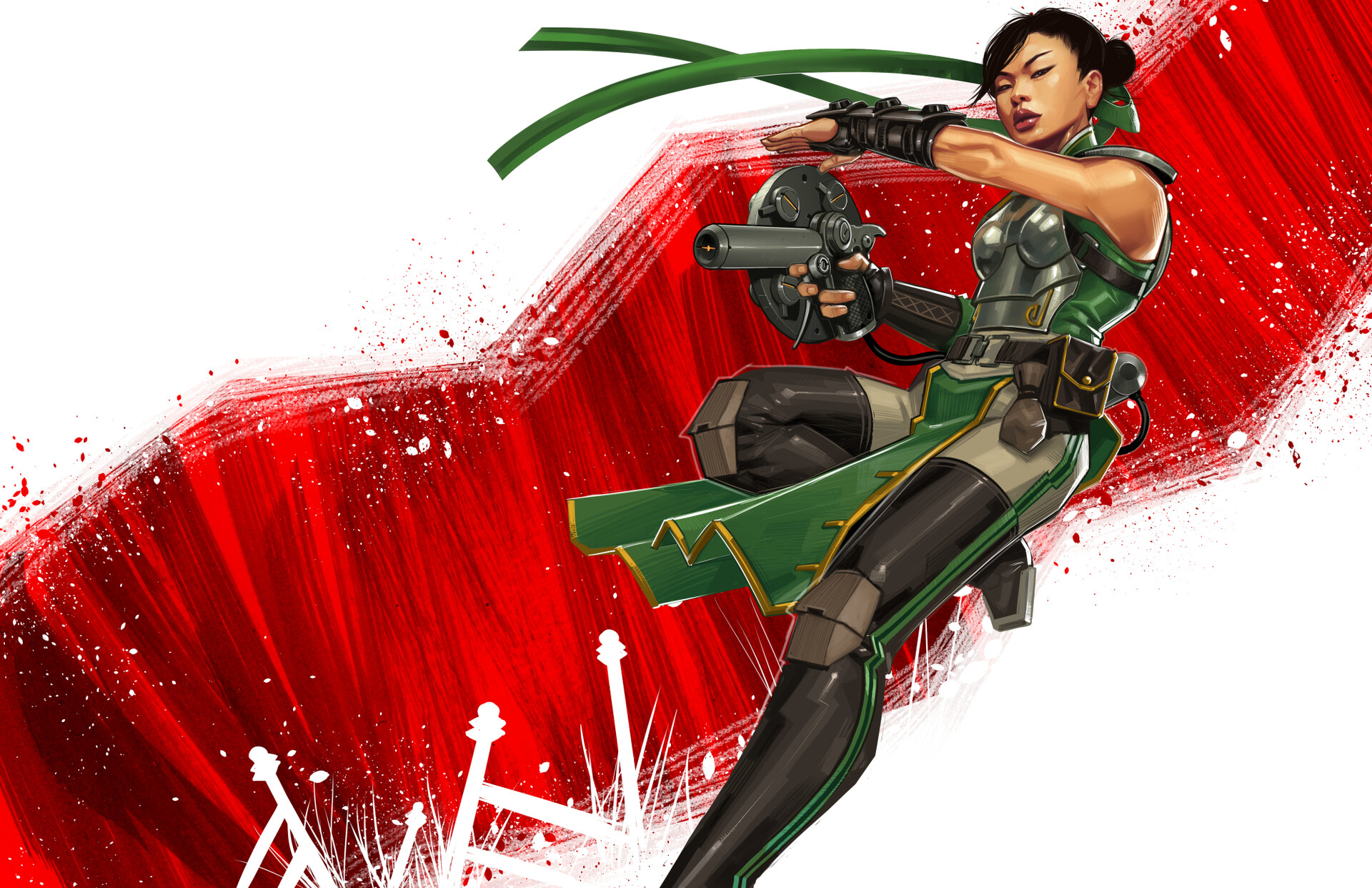
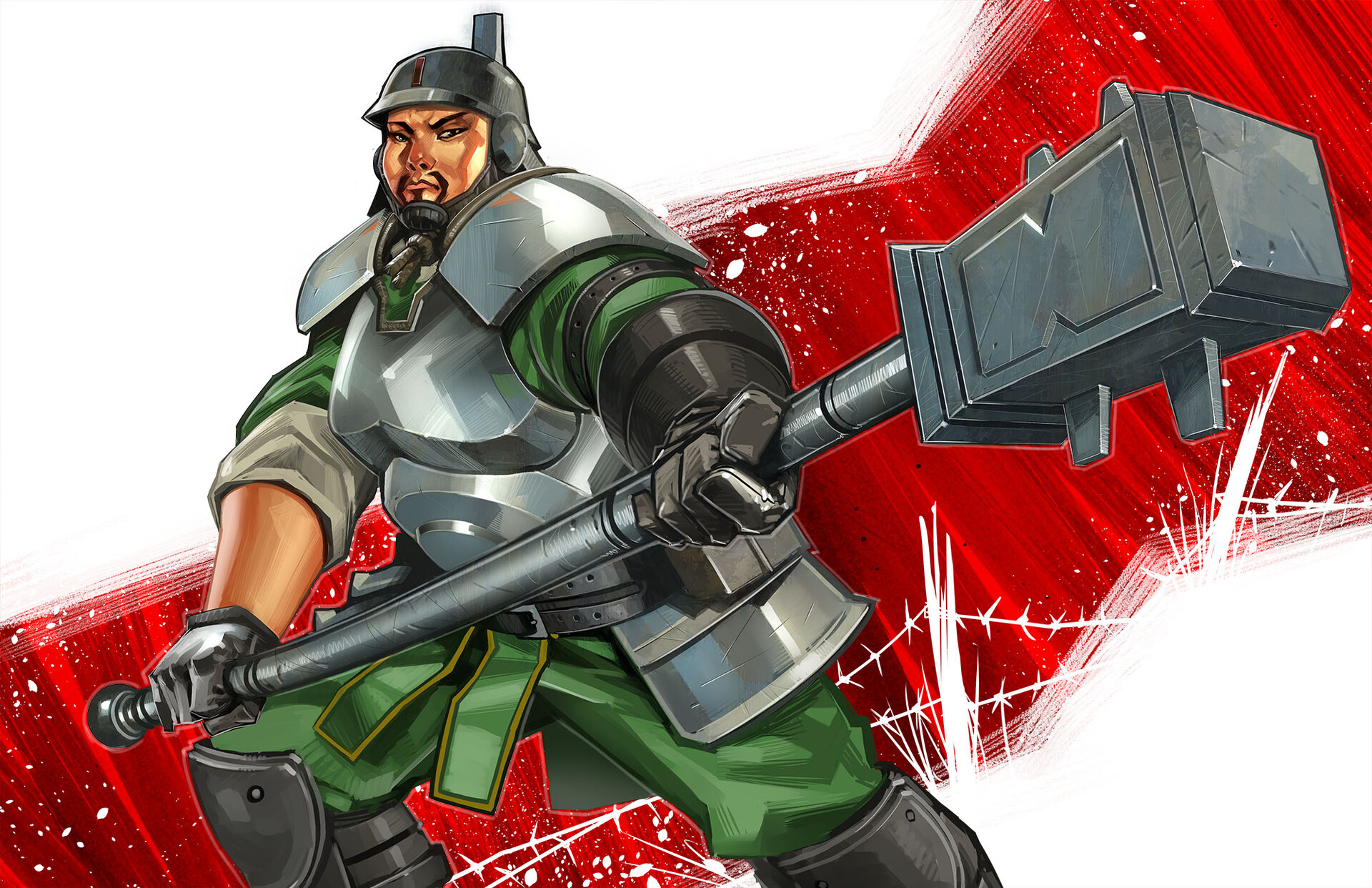
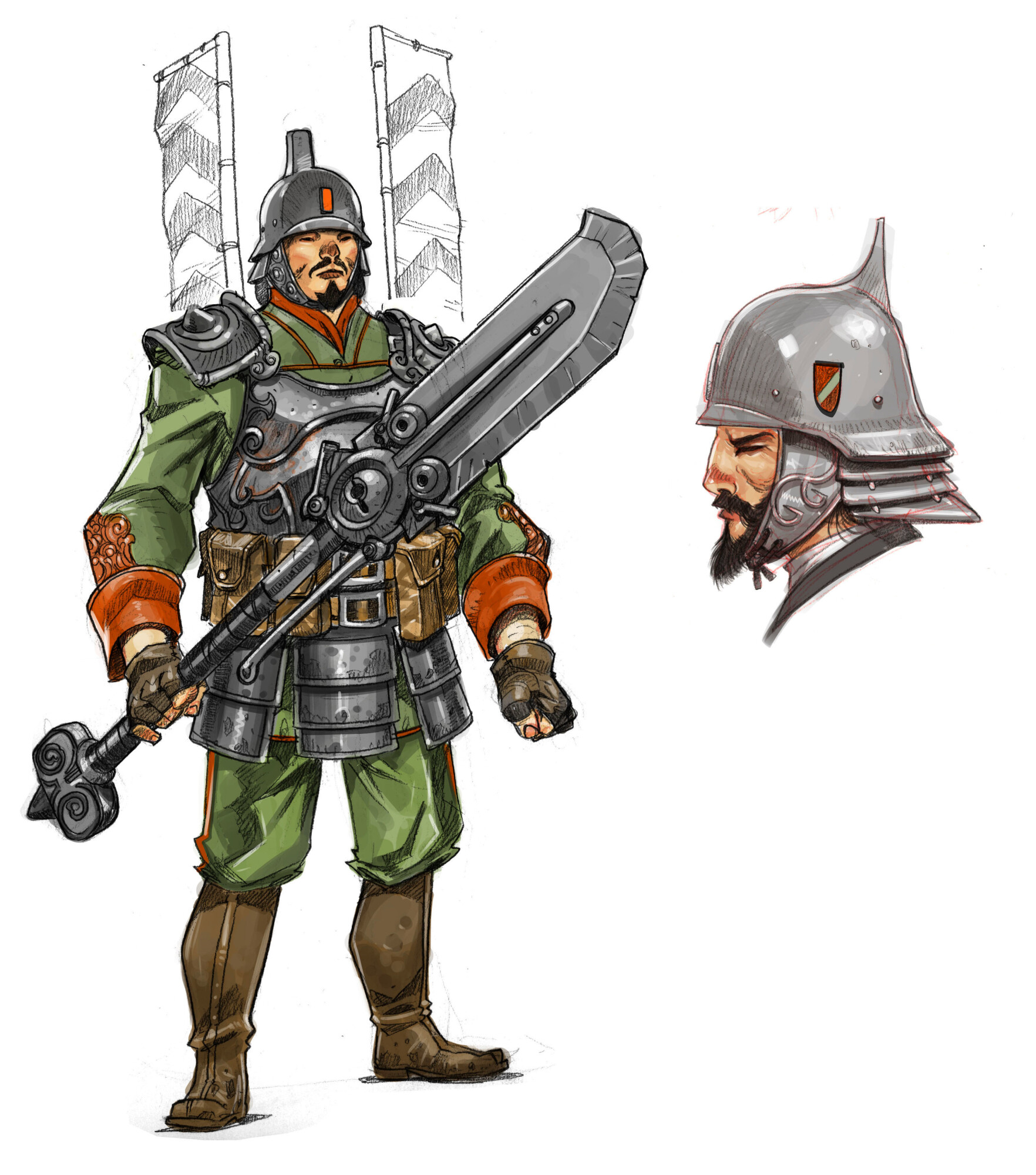
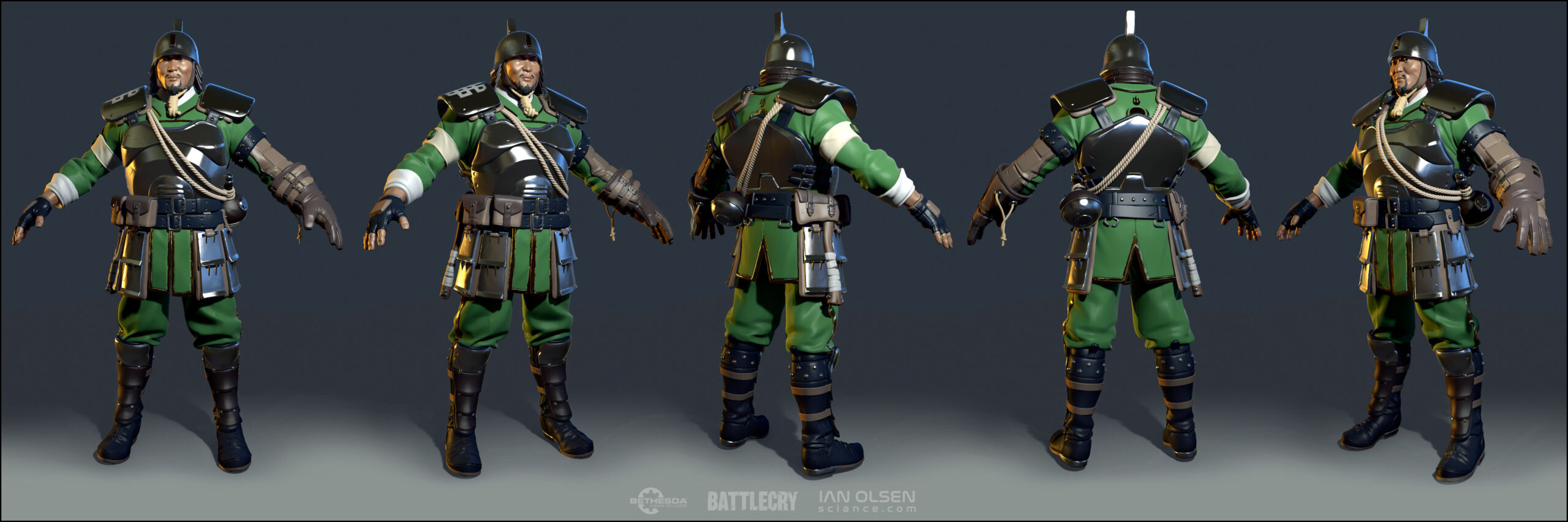
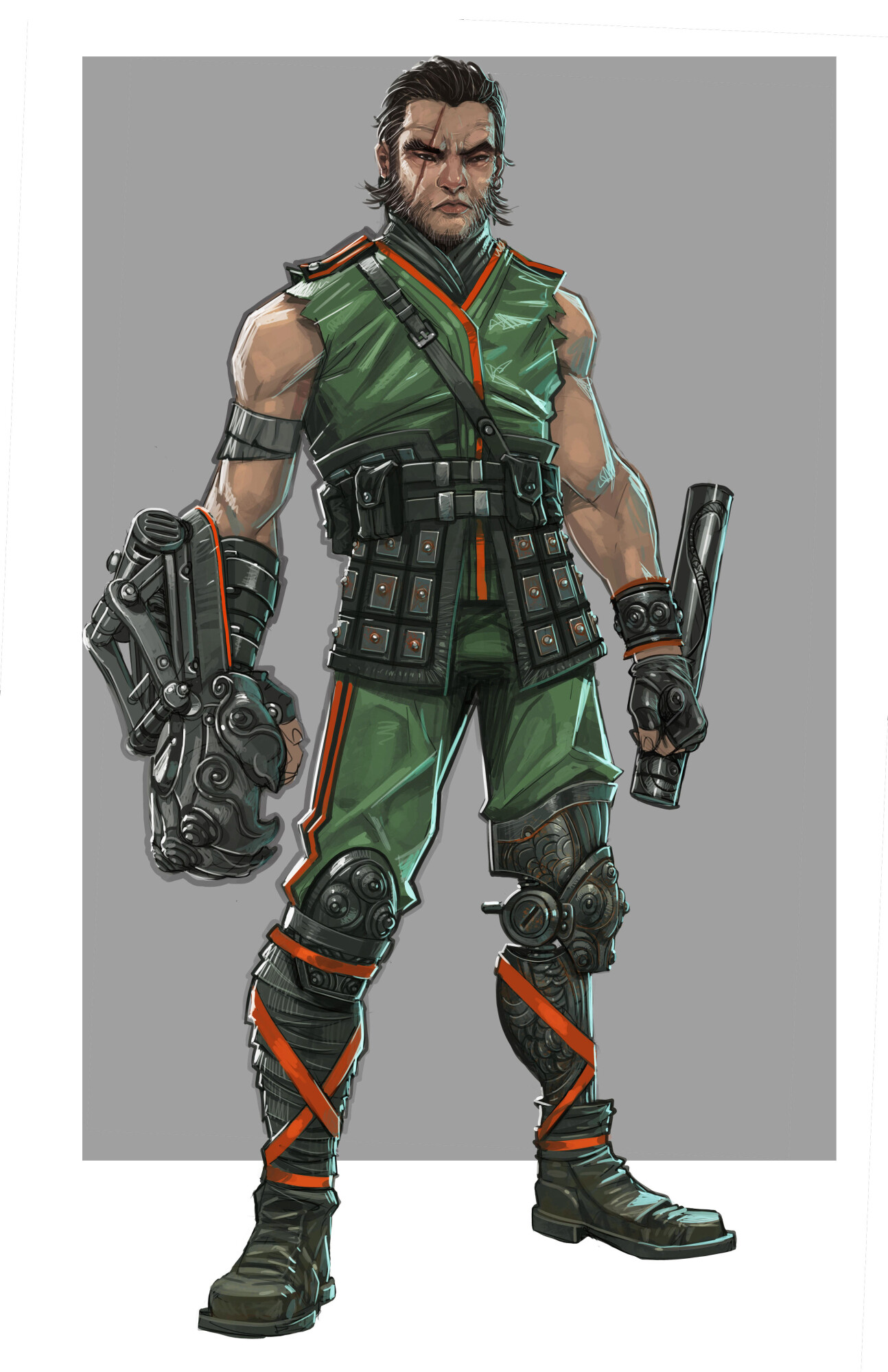
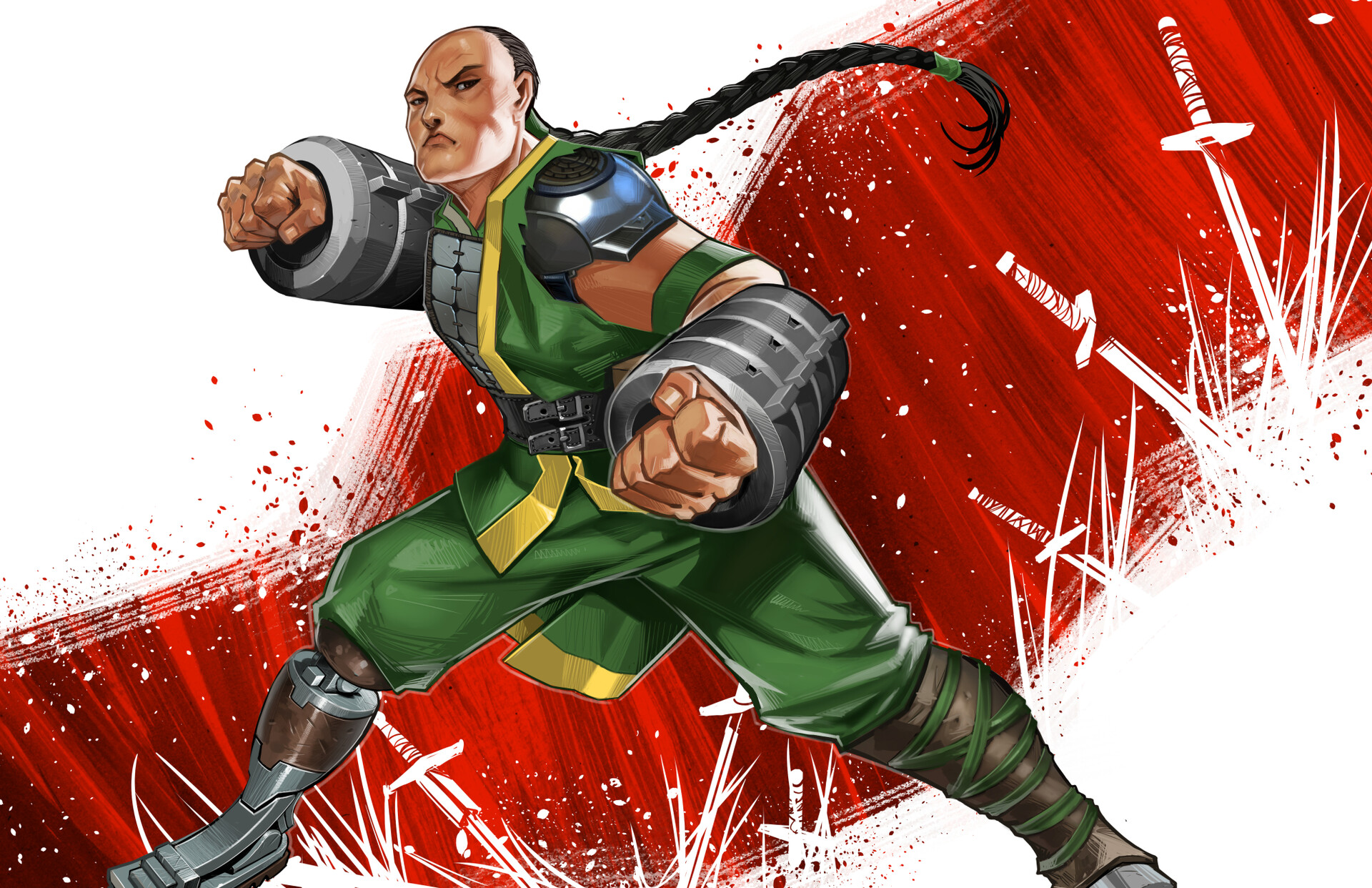
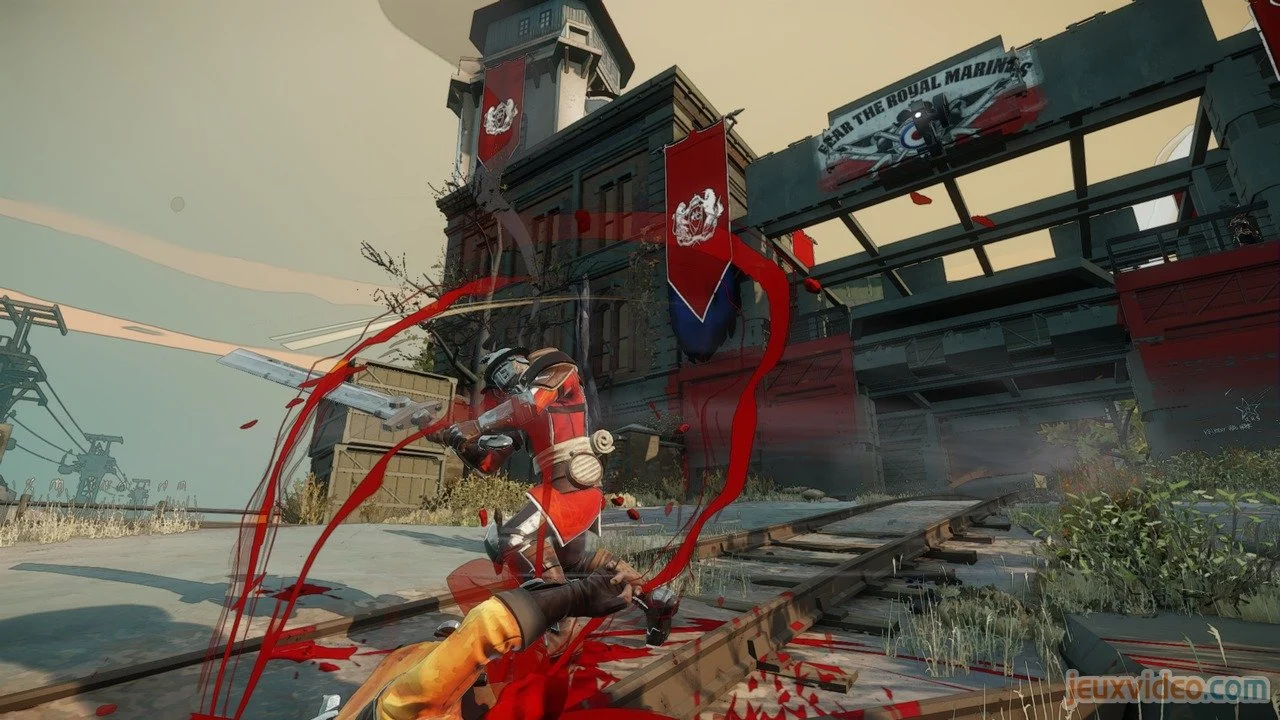
BattleCry is a cancelled Free-To-Play multiplayer Third Person Hero Shooter game developed only for PC by BattleCry Studios and published by Bethesda Softworks between 2012 and 2015. The game was set in an alternate 20th century universe where a cataclysmic world war forced powerful empires to ban gun powder under a treaty named “The Black Powder Treaty”. Following this, the world gave birth to the Pansophic Revolution – a golden age of industrial manufacturing and design. But as technology advanced, tensions reignited and the world faced a war once more. All battles are settled head-on by elite teams of chosen warriors from all over the world, with each member specializing in either high-tech ranged gadgetry or sophisticated melee weapons.
The art direction of the game was designed by the late Viktor Antonov.
The first information regarding BattleCry was hinted in October 2012 where Bethesda Softworks announced the creation of BattleCry Studios as one of its new subsidiaries:
Battlecry Studios is a new development house being built in Austin by Zenimax Media’s Bethesda Softworks. Battlecry will be under the direction of Rich Vogel, a former VP at BioWare Austin, who most recently was an Executive Producer on Star Wars: The Old Republic.
BattleCry was officially revealed in May 2014 as we can read on USA Today:
The Elder Scrolls publisher Bethesda Softworks is jumping into the free-to-play business.
The company unveiled Battlecry, a 32-person online multiplayer combatgame that will launch on PCsin 2015.
Designer Viktor Antonov, best known for his work with Half-Life 2 and Dishonored, is working on the game, which takes place near the dawn of the 20th century. Gun powder has been banned following a world war, paving the way for a revolution in industrial manufacturing. As a new war bubbles up, elite squads of fighters engage in battle in a variety of WarZones.
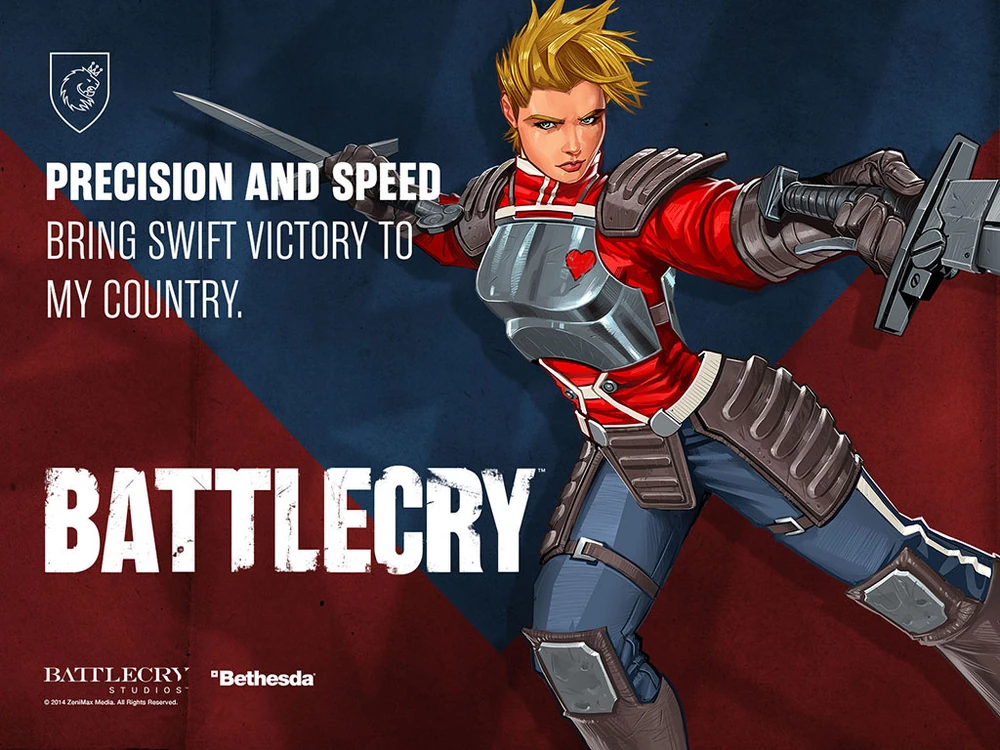
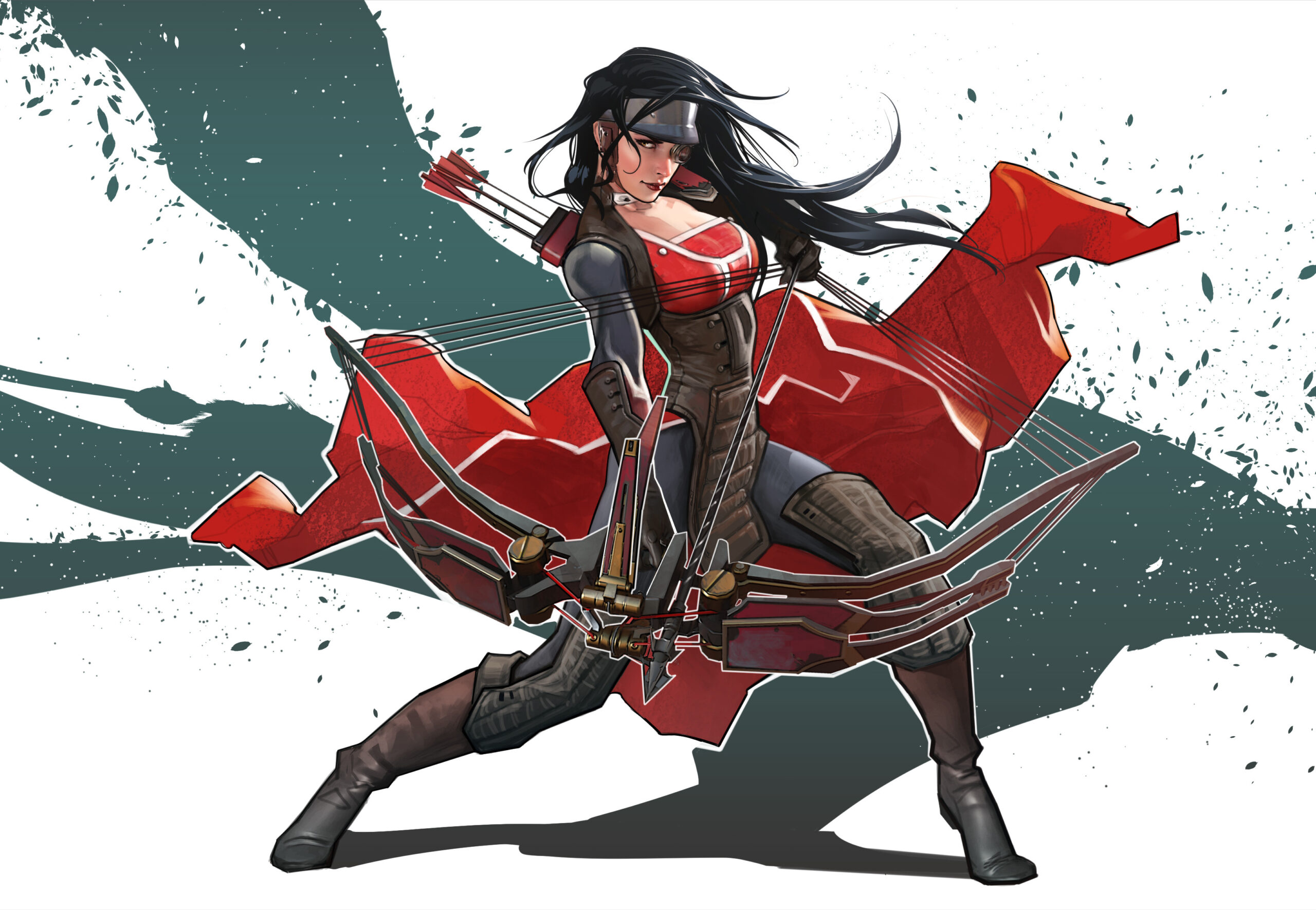
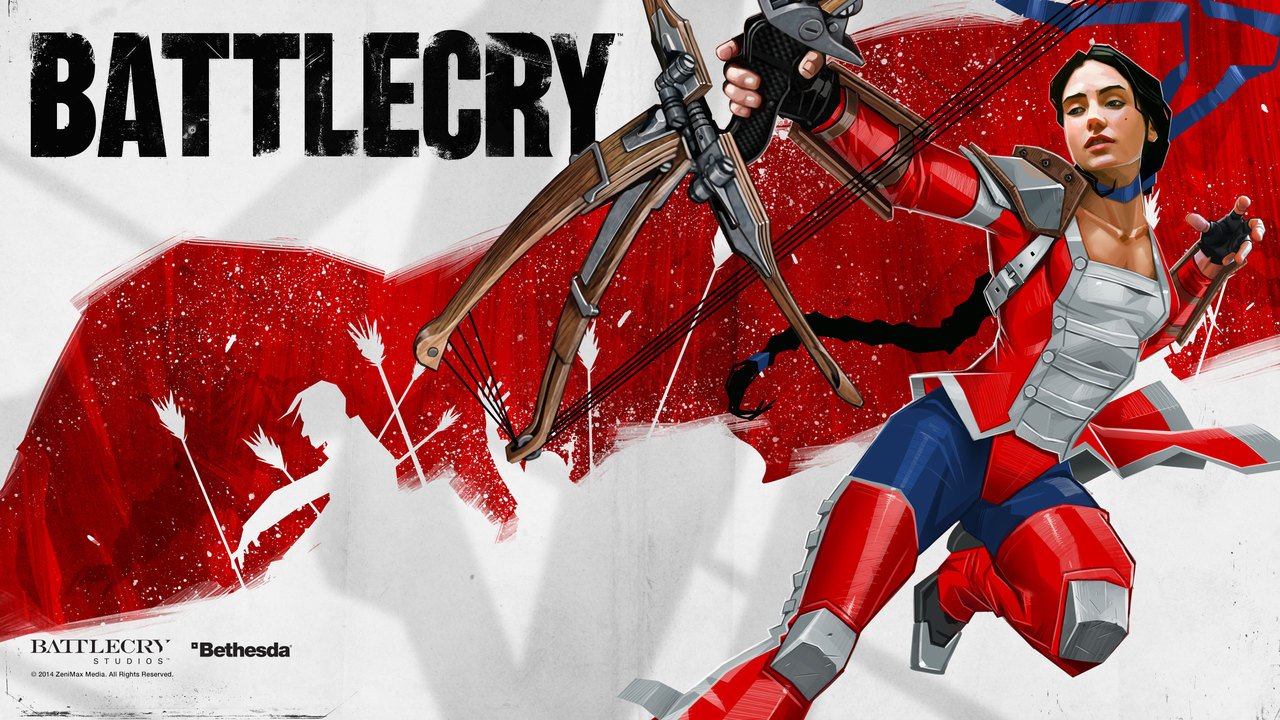
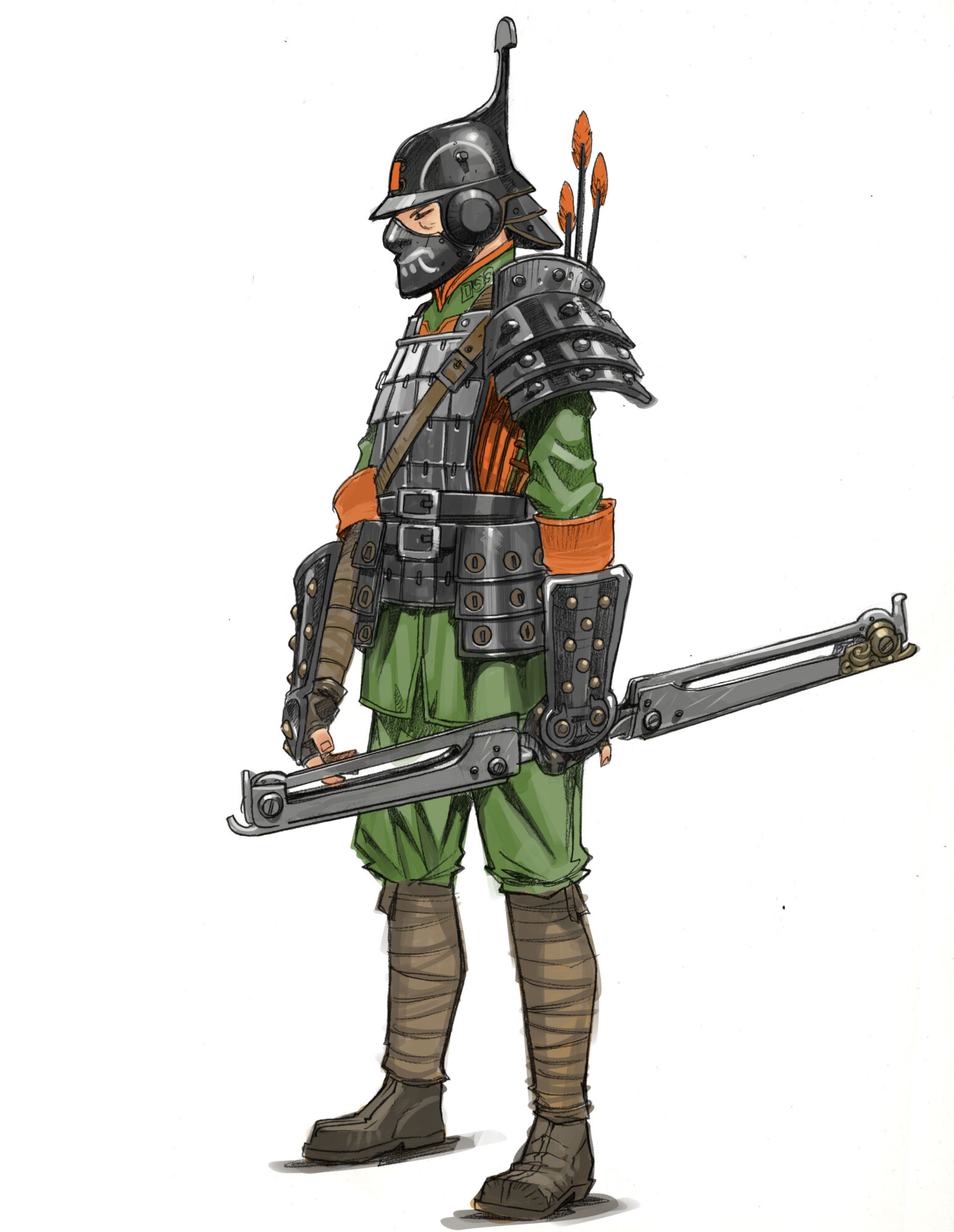
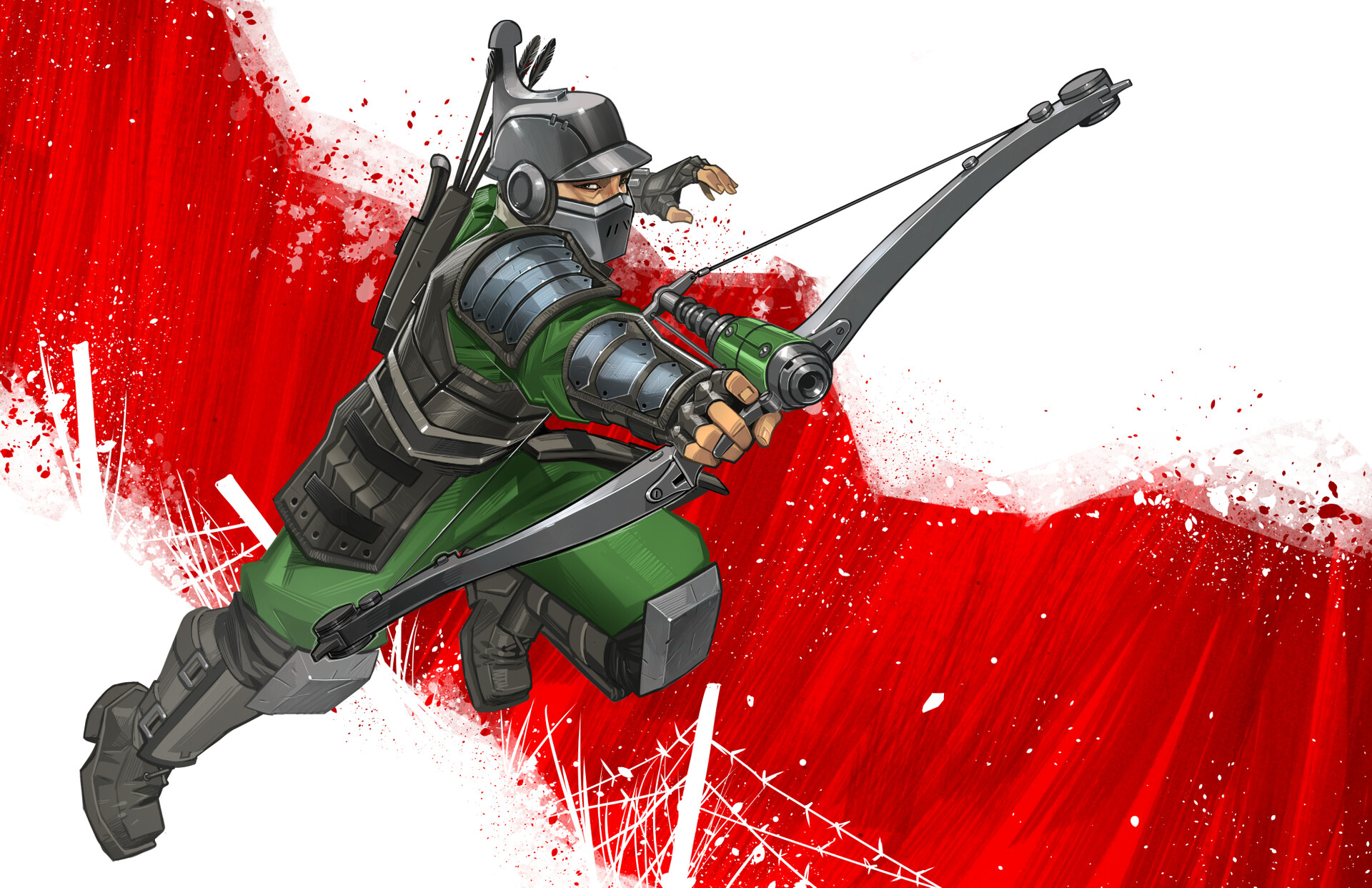
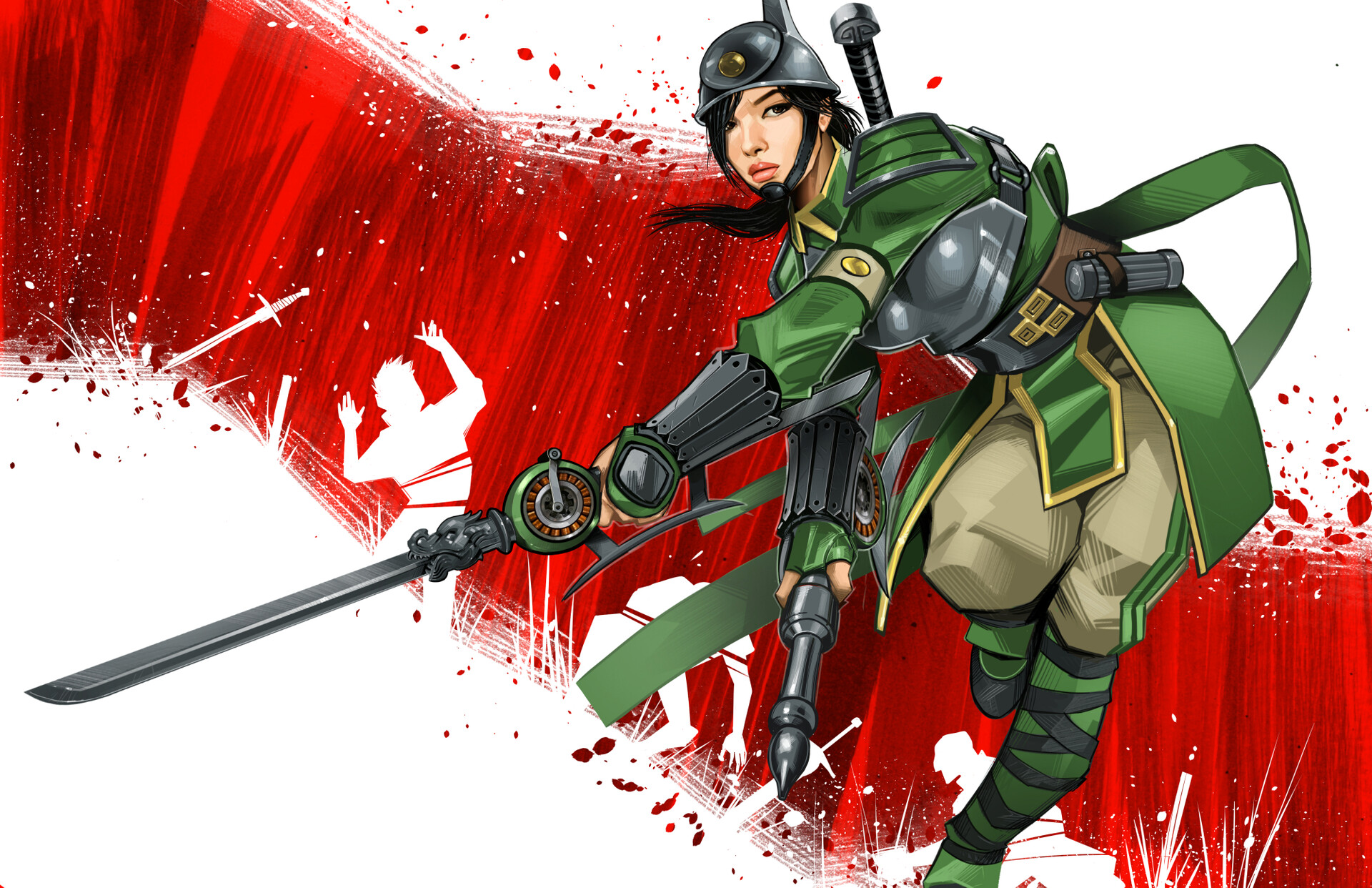
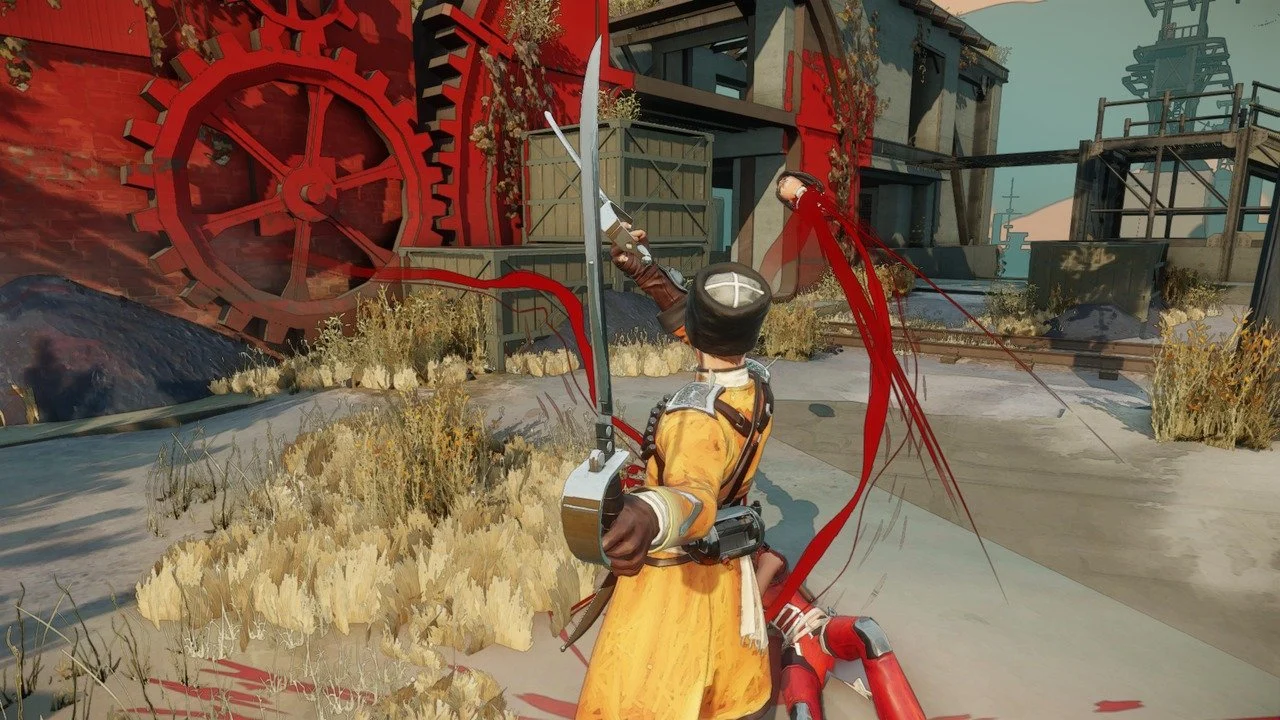
Players choose warriors with their own unique weapons and skillsets. The game features three classes: the Enforcer, the ranged Tech Archer and the speedy Duelist. Weapons include swords that can turn into shields, high-powered bows and blades wielding electro-static energy.
Further details and gameplay videos were shared at E3 2014. Thus, PCWorld wrote:
There’s been quite a land-grab lately in the “multiplayer-only melee combat” genre. On the relatively realistic side of the spectrum we have Chivalry: Medieval Warfare and War of the Roses. Progressing more to the arcade end of things we have the recently released War of the Vikings.
And now Bethesda is making a play into the market with third-person action game BattleCry. If you’ll allow me to compare to a separate genre here—if Chivalry is Call of Duty and War of the Roses is Battlefield, BattleCry is straight-up Team Fortress 2.
BattleCry is fast, with little time for thought. It’s cartoony. It’s pure arcade silliness.
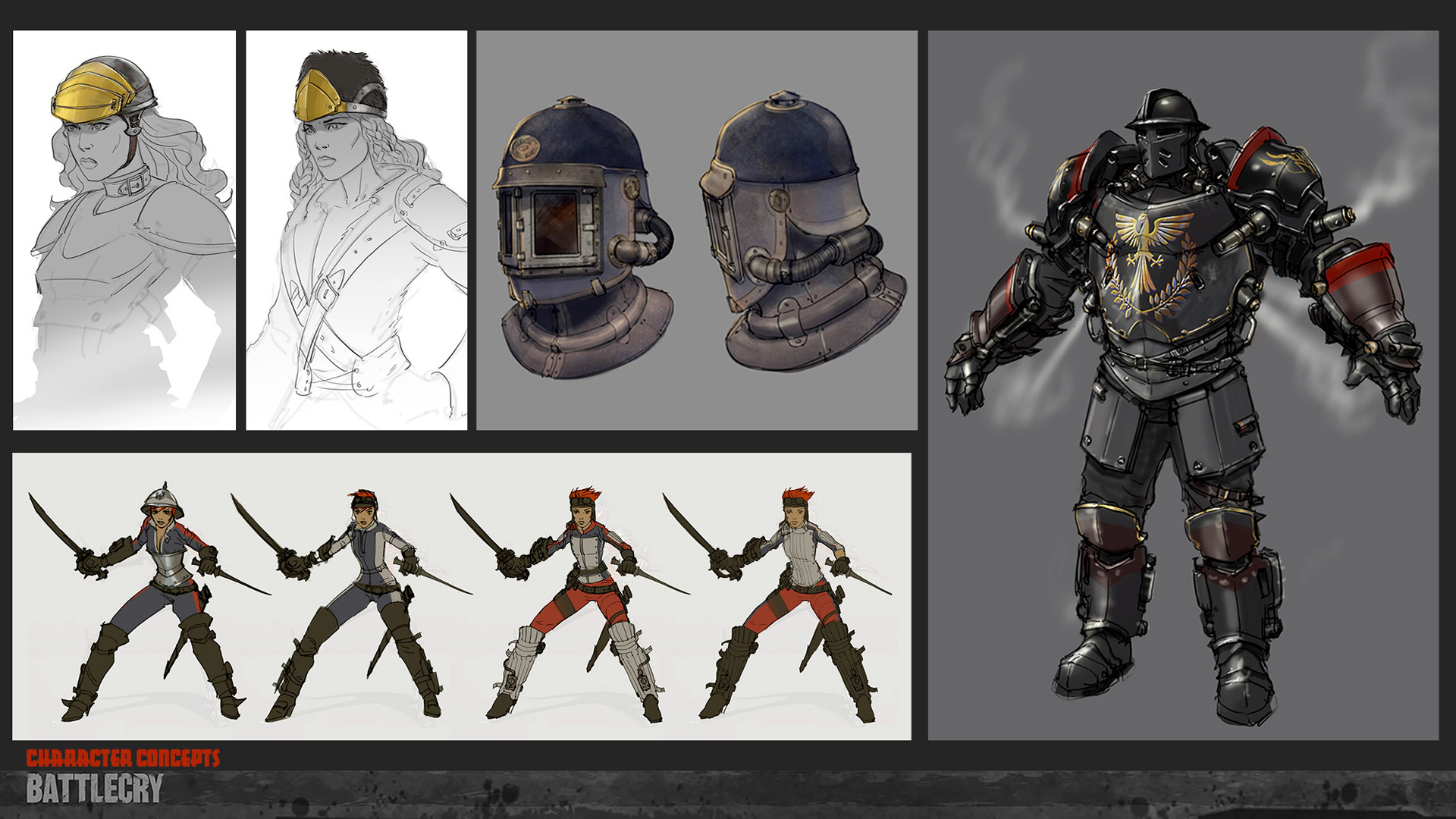
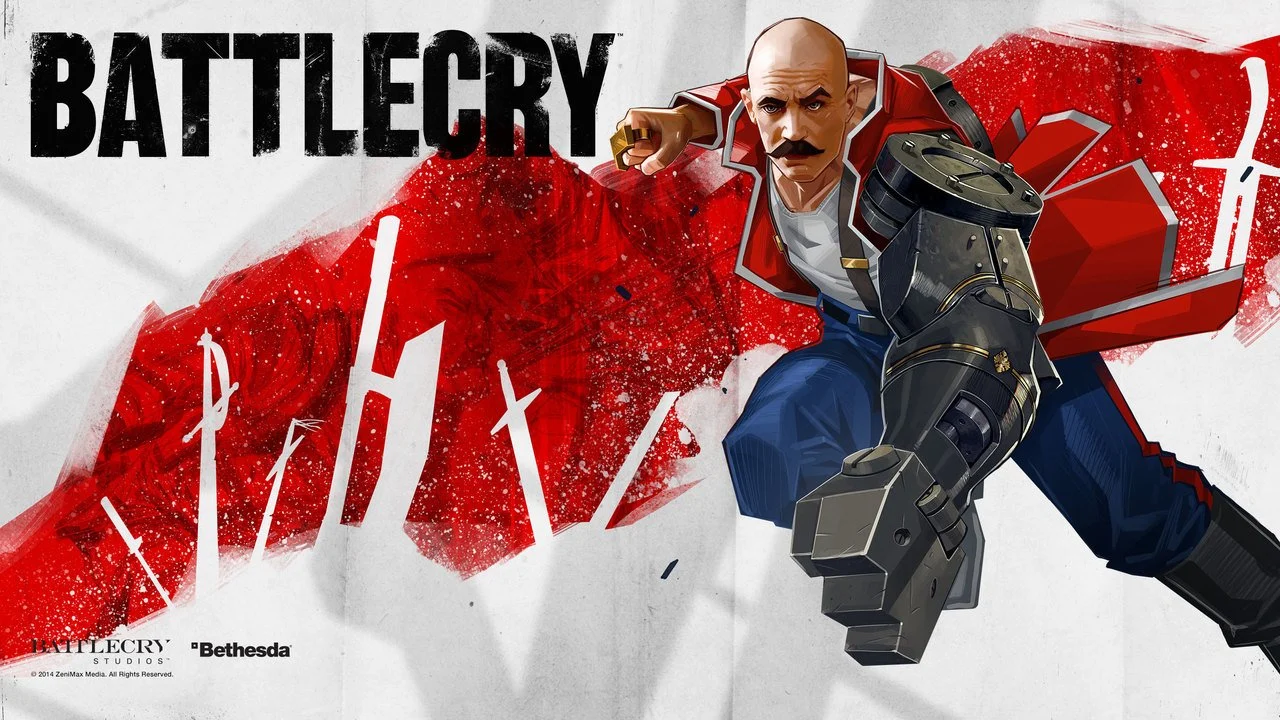
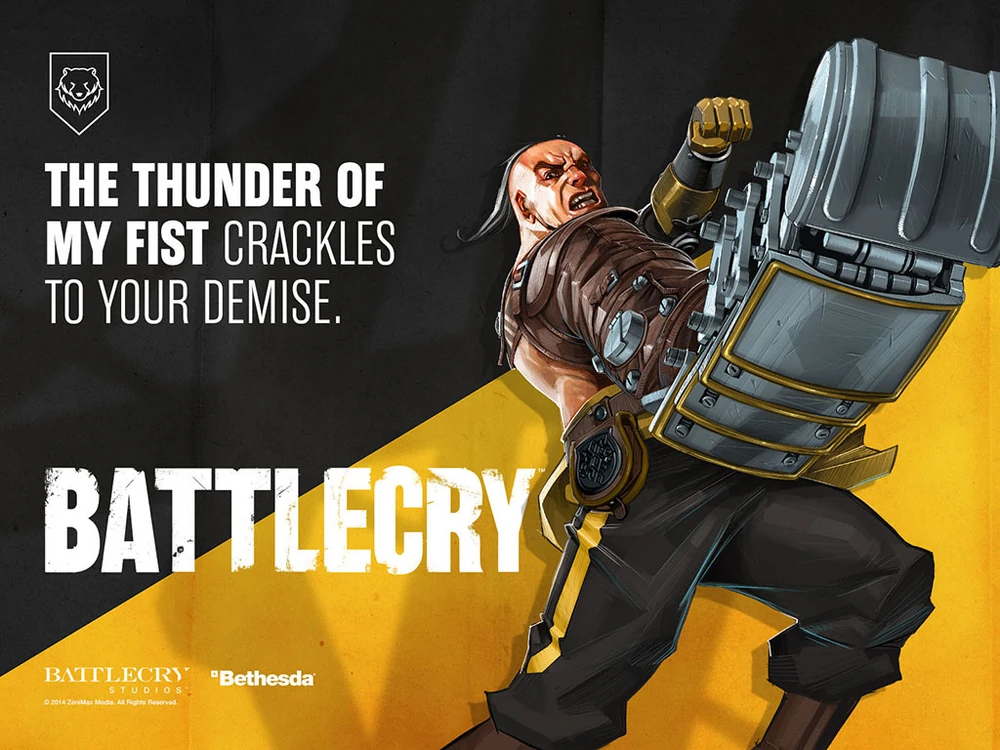
The game’s classes are all distinctive both in abilities and in silhouette. There’s the aforementioned Enforcer, a hulking figure replete with transforming sword, or the much more diminutive Duelist, who can cloak to escape combat situations.
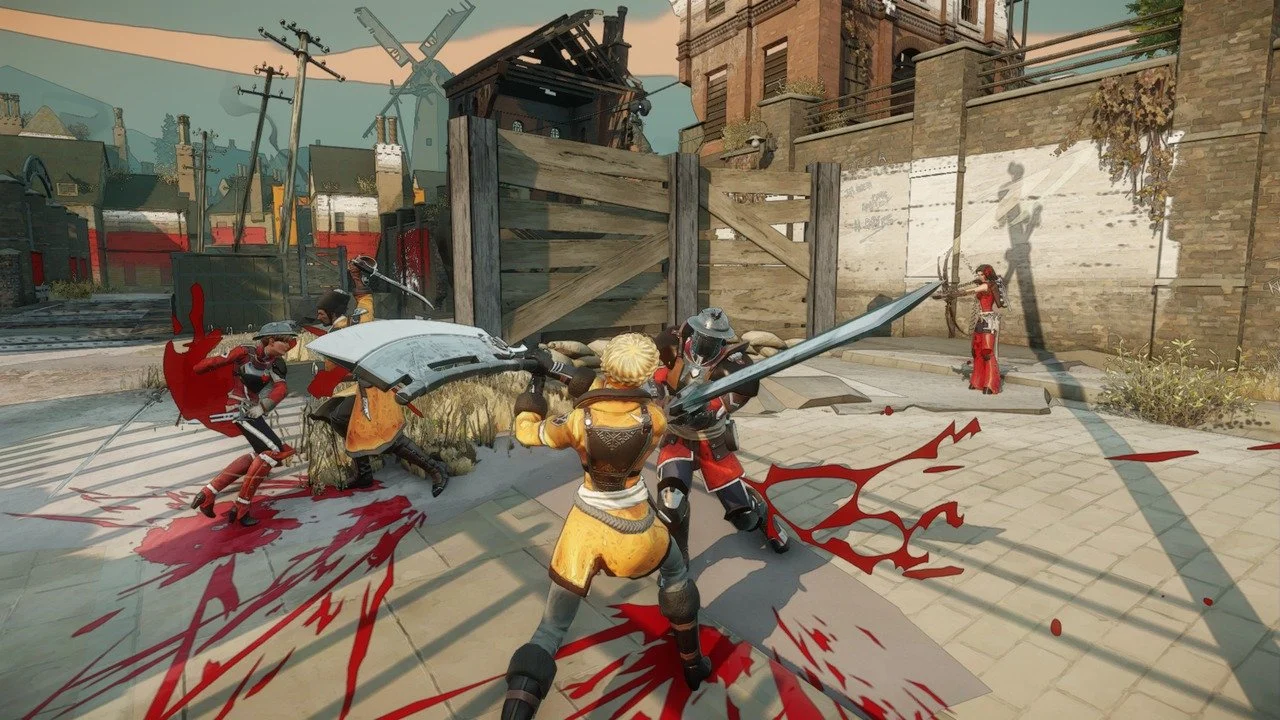
You zip around the map at breakneck speeds, leap incredible distances, occasionally grapple through the air from point to point, and then arrive at the battle to swing your sword wildly with about ten other teammates. BattleCry falls prey to the same problem as Chivalry and War of the Roses/Vikings in that melee combat is inherently hard to replicate in games, especially in multiplayer. Instead you end up with a rough approximation of what sword fighting is like.
In our demo I’d say that skill and strategy mattered far less than which team brought a larger number of players to the fight. If you’re on your own, you’re probably doomed. If your group of three meets up with a group of five enemies, you’re probably doomed. If you’re evenly matched…well, then things get interesting. Then, the composition of your group can matter a whole lot.
I found the most fun playing the Duelist. Being able to uncloak and stab enemies in the back while they were busy fighting my comrades felt like a definite advantage, and it was more precise than spamming the attack button like the Enforcer class. The Tech Archer was also a lot of fun—here I was kitted out with a bow and throwing knives, which again felt more skill-based.
But it’s arcadey. These 32-player battles move fast, and there’s not a lot of reason to sit still and plan out attacks. You throw your units into the meat grinder and hope your faction comes out on top.
(…)
There’s not a lot to the game yet, but the game’s also at least six months from even entering a beta phase, which is slated for 2015. This was but a first taste of the game, and a short one at that. BattleCry will be free, though, so nothing’s stopping you from busting out your PC and giving it a shot whenever it releases. You’d better practice your snappiest salute—I’ll be looking for it, presumably sometime next year.
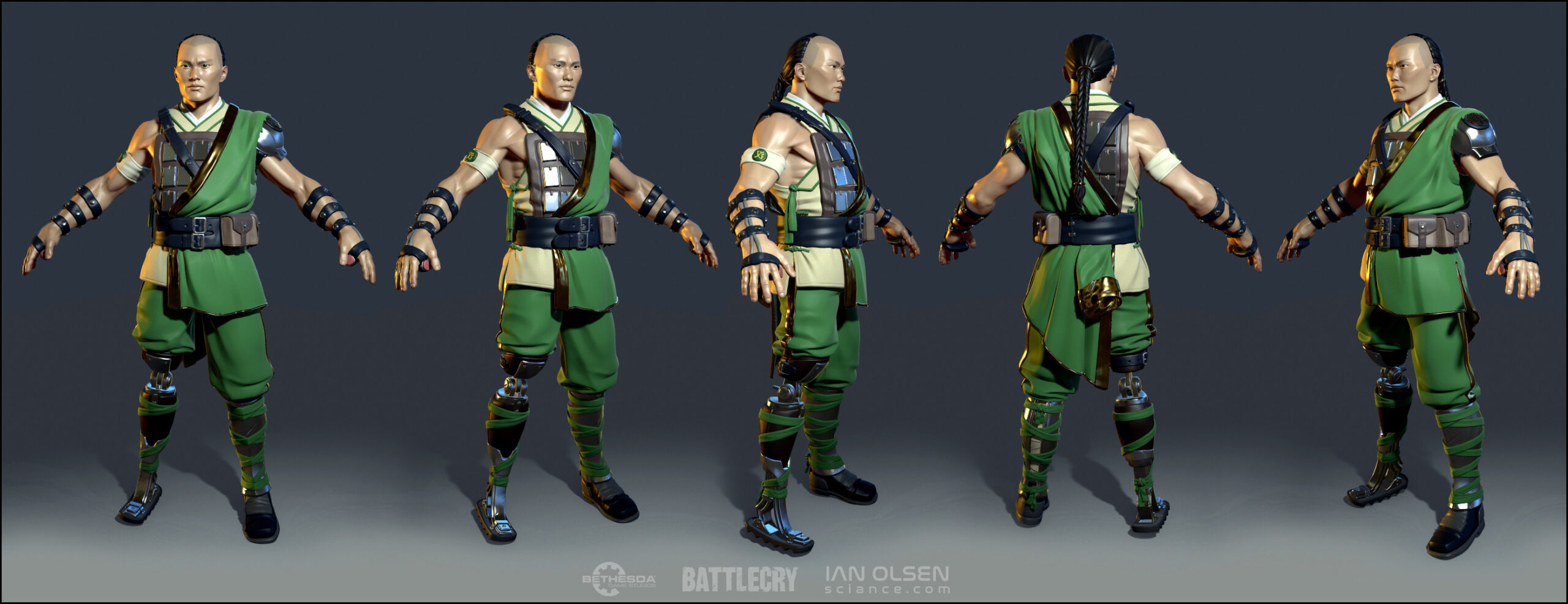
There were a total of 5 playable classes within 3 factions in BattleCry. Here are the factions with some information:
The Imperial Marines:
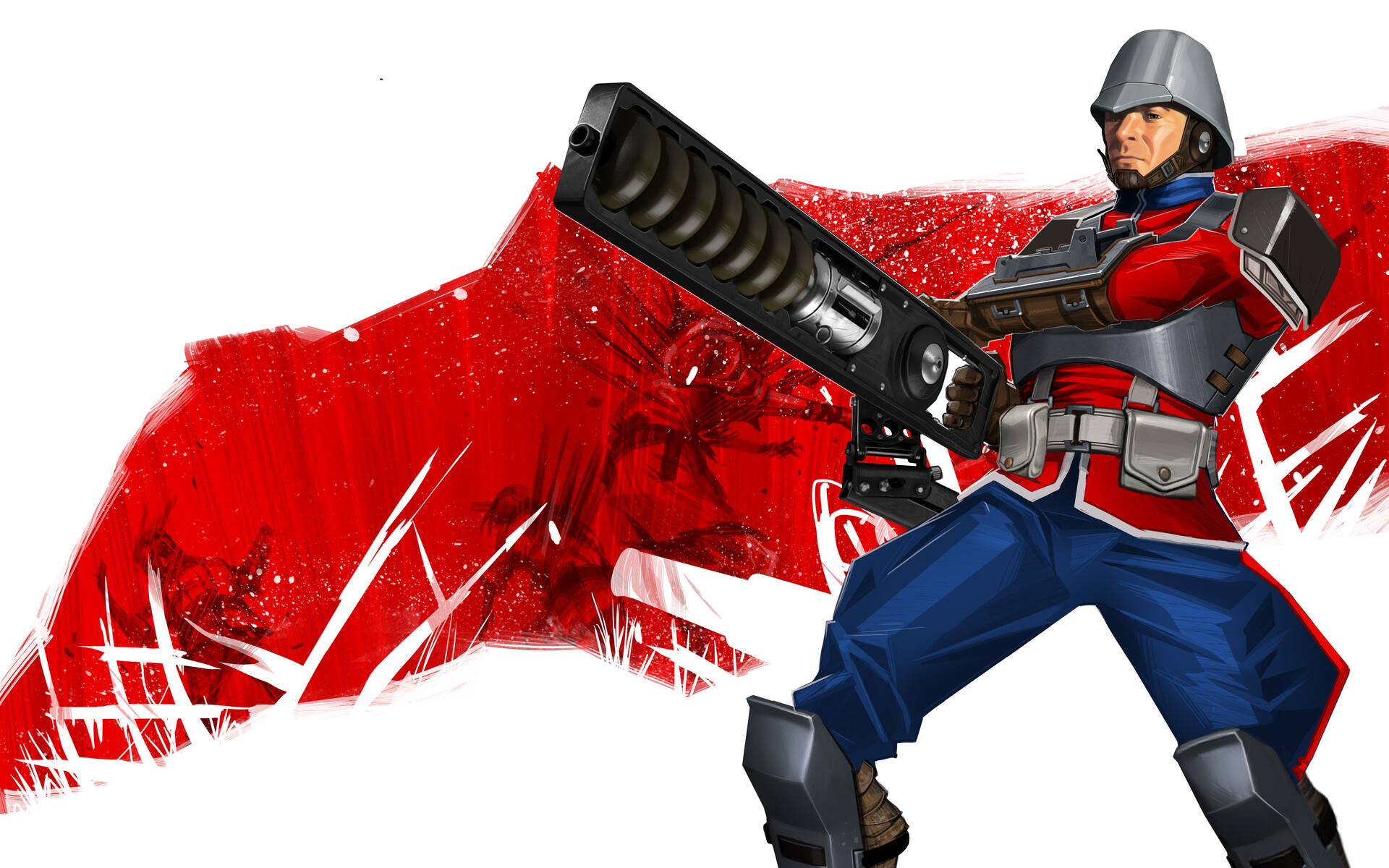
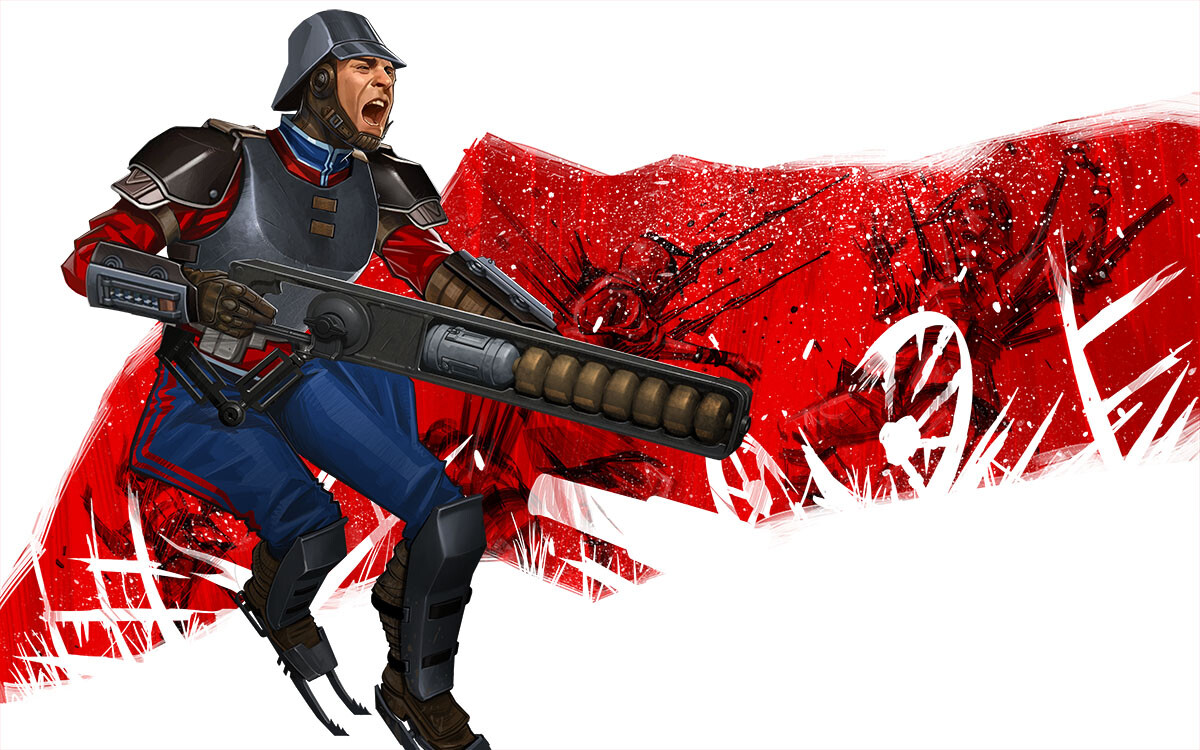
With the creation of the Black Powder Treaty, the Royal Marines were chosen to represent the United Kingdom in the WarZones. Devasted by the aftermath of global war, the British saw the fragility of their far flung Empire. They see the Black Powder Treaty and WarZones as way to legitimize their Empire as is and hold onto it without the high costs of all-out war. Descended from the famous red coated soldiers of the Napoleanic and Crimean Wars, these hardened Commandos meld their 18th century traditions to the needs of the modern WarZones. By staunchly supporting the creation of the WarZones they have earned an image as world leaders, which they will defend no matter what it takes.
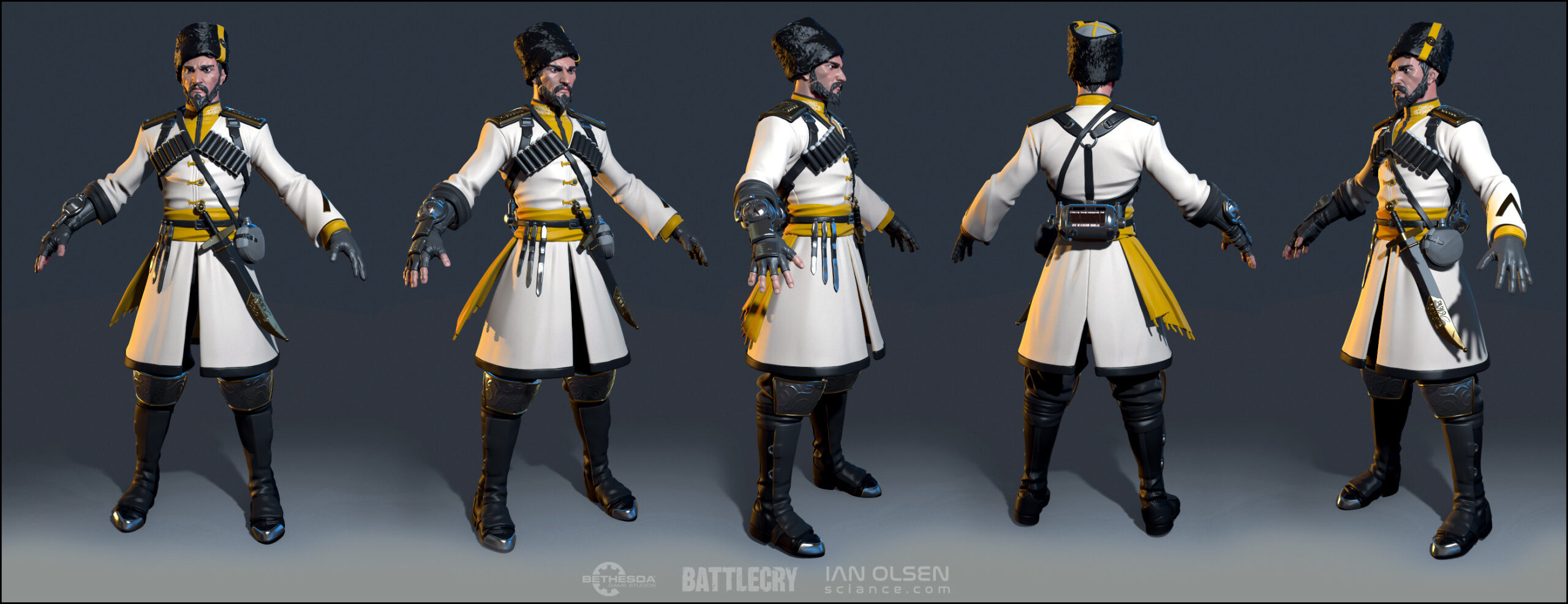
TheCossack Empire:
Terribly headstrong and fearless, the Cossacks transformed villages and outposts into special military estates similar to the knights of medieval Europe. The Black Powder treaty gave the Cossacks a tremendous military advantage over their foes and their former lords. They declared complete independence, rebelled simultaneously against the Polish and Russian kings, won and ceased to be a vassal nation. After creating an independent Cossack Kingdom they decided to fight the Imperial Marines in the WarZones as they vied for control over the Bosphorus and the Black Sea.
The last known faction was the Han Republic which was announced later without information regarding their lore.
Regarding the 5 playable classes, here is what we could read about them:
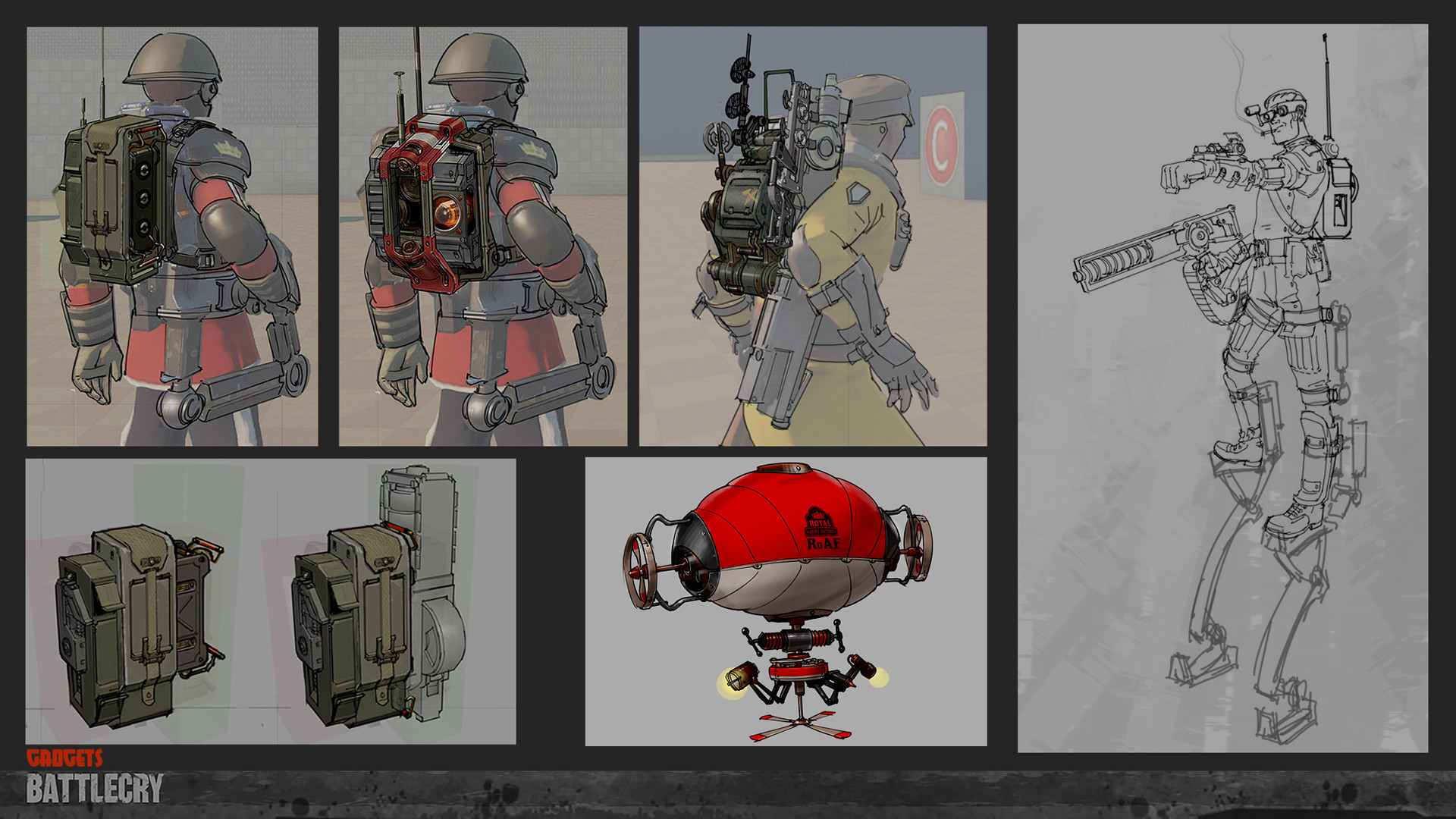
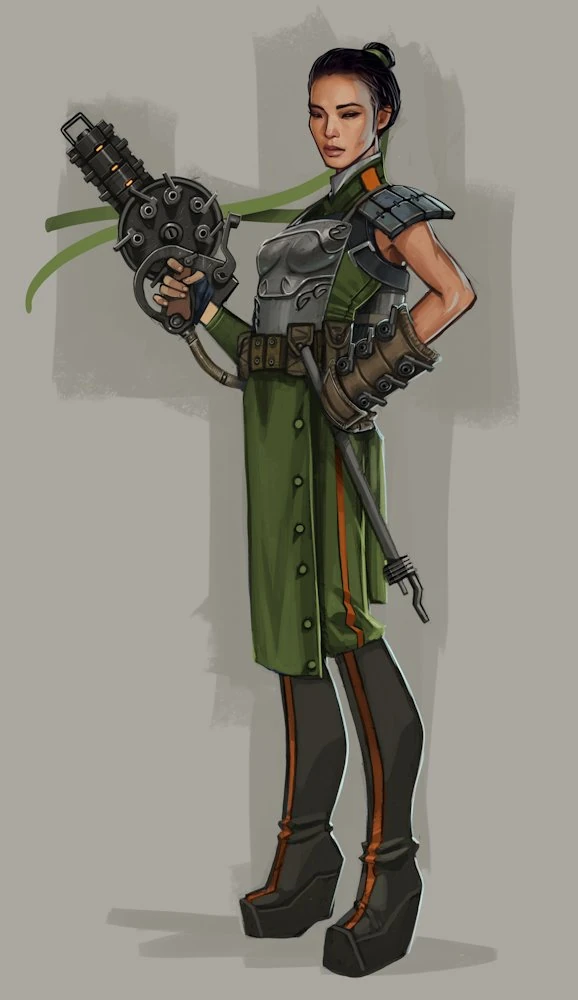
There are five classes within the game—Enforcer, Gadgeteer, Brawler, Infiltrator and Ranger. The Enforcers are the basic tanks, Gadgeteers are supports with guns, Brawlers are the melee dps, Infiltrators are the game’s take assassins and the Rangers are the bow-wielding ranged dps.
After going silent for a whole year, the game was showcased again at E3 2015 where signing for a closed beta was also announced. IGN wrote:
(…) For example, the Infiltrator class moves faster than, say, the brutish Enforcer class and can briefly turn invisible to deliver sweet stealthy death. Unfortunately, they also seem to have less health and deal slightly less damage per blow than other classes, so if you ever find yourself outnumbered, you’ll maybe get one kill in before the other team literally tears you apart. This means you have to play strategically – stalking lone players for quick, easy kills or relying on your teammates to run cover as you slip in and out of combat.
By contrast, Enforcers are slow-moving meat shields. They can stand and defend a capture point all day, but if you try to rush an enemy base, you have chosen poorly and will probably be very dead very soon. Pair an Enforcer with the strictly ranged attack power of the Ranger class, however, and suddenly your opponents have no escape. During my hands-on time, Battlecry consistently surprised me with level of nuance contained within each class. Running around mashing the melee button rarely worked for me, but studying and utilizing each character’s specific abilities generally produced positive results.
Interestingly, the developer I spoke with actually likened Battlecry’s combat to DmC: Devil May Cry. In theory it’s designed to require skill, practice, and patience rather than reward mindless sword-waving, and while I’m not sure DmC would have been my go-to comparison, my experience supported at least the spirit of his analogy. According to that same developer, the final version of Battlecry will likely be even more sophisticated than the alpha I played. My playtime featured just five character classes and a single map and mode, whereas the finished product will offer more of all three (though the finally tally for each remains unconfirmed).
In addition, the shipping game will apparently include a full leveling and character customization system that deepens each class’s ability set by presenting players with some risk/reward choices when equipping unlockable loadout options. We may also see other combat mechanics like an “adrenaline” system that rewards players for stringing moves into combos – a feature that was previously announced but, as far as I could tell, not available in the demo I played. And finally, you’ll find some light story elements framing the action, but for now, don’t expect a narrative-driven single-player component.
Most importantly, though, the developer I spoke with during my demo stated adamantly that any real-world money you spend on the game will go towards cosmetic options and not gameplay options. In other words, all progression must be earned, period, and players who are fine with stock costumes will likely be able to enjoy the full experience for free. While there’s clearly a lot more of Battlecry that remains to be seen, this fall’s closed beta should help the team finalize the game’s features and (hopefully) balance all those moving parts.
However, in September 2015, BattleCry Studios was hit by layoffs:
In a recent, and very quiet move, BattleCry Studios has laid off an unnamed number of staff, with one source telling us it’s a “substantial portion” of the Austin team. The game studio is known for their primary game, BattleCry (…)
There is no word as to whether or not the game is in trouble, and whether or not it will be moving forward. BattleCry Studios is a sub-studio of ZeniMax Media Inc., which is published by Bethesda Softworks, who has not returned our requests for comment.
Why are the layoffs shrouded in such mystery? We are told that employees, both past and present, are restricted by tight Non-Disclosure Agreements (NDAs) that come with heavy lawsuits. It is said that the company hopes to keep the news quiet. It remains unknown how many people lost their jobs last week, whether they’ve been offered roles elsewhere, but it is rumored that many were able to stay with ZeniMax and will begin working at BattleCry Studio’s sister company, Arkane Studios.
The next month, Bethesda announced putting the project on-hold following concerns about the success of the game, as we can read on PCGamer:
BattleCry hasn’t managed to wow audiences quite like other Bethesda-published titles, and Bethesda seems to have noticed. At least, an official statement from the company has acknowledged that it has concerns about the third-person free-to-play action game.
“We have concerns about the Battlecry game and whether it is meeting the objectives we have for it,” the company’s statement reads. “We are evaluating what improvements the game needs to meet our quality standards. The studio remains busy during this process on multiple projects.”
Progress Bar was the original recipient of the statement, but I received it separately after contacting Bethesda’s Sydney office.
The last we heard from Battlecry was Bethesda’s E3 announcement that beta sign-ups were open – but the beta never happened. Our hands-on with the game wasn’t exactly awe-inspiring, though Evan did see some promise, writing that “uninspiring as this first hands-on was, I ended the demo with some appreciation for how agile characters are in Battlecry.”
In August 2016, it was revealed tha BattleCry Studios was helping id Software on the multiplayer mode of DOOM (2016), as we can read on GameReactor:
Doom’s multiplayer is now back under the guidance of id Software, and MP specialists Certain Affinity have been moved on. The studio, which has in the past worked on online titles including games in the Halo series, is no longer supporting Doom’s PvP element; that is now being handled directly by id, with assistance from the BattleCry team.
The news emerged during our interview with id’s Marty Stratton during Quakecon this week, at which point we were told about the studio’s ongoing plans to support and develop the online side of the demonic shooter.
What is unclear is the level of support being offered by the BattleCry team, and what, if any, impact that involvement is having on the development of their own title, BattleCry.
Late last year IGN reported that Bethesda weren’t happy with the direction that the game was taking and that the BattleCry team were also working on other projects, but it still begs the question of whether the online title is even still in development. It has, after all, been very quiet on that front in the last few months.
It was made official that BattleCry was cancelled in January 2017 as we can read on Twinfinite:
It seems like BattleCry Studios’ first and titular game, BattleCry, has been cancelled.
According to the LinkedIn profile of one Embedded QA Designer at BattleCry Studios, the free-to-play multiplayer game is officially no more.
David Dobert’s profile states that he started working for the studio as a senior embedded QA analyst for “the now cancelled game Battlecry” before moving onto DOOM’s Unto the Evil DLC. This news would come as no surprise to most, as we’ve heard nothing about the game since mid-2015.
In March 2018, BattleCry Studios became Bethesda Game Studios Austin:
BattleCry Studios has become Bethesda Game Studios Austin.
BattleCry Studios was formed in 2012 to create a free-to-play project called BattleCry, but it was shelved in 2015 after parent company Bethesda Softworks became concerned about the project.
Rather than close the studio, BattleCry has supported work for other teams and assisted the expansions for id Software’s Doom.
Now the firm has become part of Bethesda Softwork’s primary internal development unit, Bethesda Game Studios. (…)
The new Austin studio will be managed by industry veteran Doug Mellencamp as studio director.
“We’re excited to join Bethesda Game Studios and look forward to working together on some of the industry’s most exciting new games,” said Mellencamp. “Austin’s incredible game development scene and talent will also allow us to push our games further than fans have imagined.”
Game Director and Executive ProducerTodd Howard added: “As the vision, scale and ambitions for our games continue to grow, so does Bethesda Game Studios. We’ve had the pleasure to know the talented developers at BattleCry, and knew we could do great things together.”
Following the rebranding, BattleCry Studios, now Bethesda Game Studios Austin, mostly worked on the infamous Fallout 76.
While the Middle East is gradually witnessing a resurgence in the gaming industry, with investors across the globe channelling their time and capital in hopes of nurturing their stakes into something more prosperous, there remains a conspicuous scarcity of knowledge surrounding the history of Middle Eastern-made games from the 1980s through the early 2010s. You might be surprised to learn that the region has been attempting, for many years, to infiltrate and establish itself within the industry, albeit with limited success. For today’s occasion, we will be looking into Phantom, the first Game Boy Advance title purportedly developed in the Middle East.
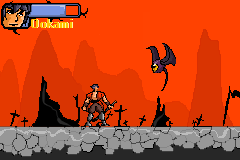
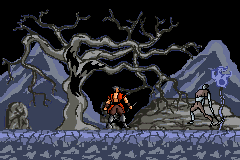
It began in 2003, when a cohort of developers from Jordan, fresh out of university, coalesced to form Element Team. Their early attempt would see them stepping into the then-fresh-to-the-market Game Boy Advance market with a project known as Phantom — a 2D action title that played similarly to the likes of Castlevania: Dracula X.
Operating within the severely constrained toolset available at the time, the team managed to assemble only a short Pre-alpha demo. Unfortunately, Phantom never progressed beyond this stage, as no publisher was willing to finance or shepherd the project into full production. The idea of a Middle Eastern studio attempting to carve out space in an already ravenous, hyper-competitive market felt, to many at the time, like a science fiction film.
Ultimately, Element Team was unable to sustain itself, and the project was quietly shelved before it could properly materialise. The game was cancelled, leaving only a demo build behind.
This website uses cookies to improve your experience, by continuing to browse the site you are agreeing to the use of cookies. Find out more about cookies.Hide
Privacy & Cookies Policy
Privacy Overview
This website uses cookies to improve your experience while you navigate through the website. Out of these, the cookies that are categorized as necessary are stored on your browser as they are essential for the working of basic functionalities of the website. We also use third-party cookies that help us analyze and understand how you use this website. These cookies will be stored in your browser only with your consent. You also have the option to opt-out of these cookies. But opting out of some of these cookies may affect your browsing experience.
Necessary cookies are absolutely essential for the website to function properly. This category only includes cookies that ensures basic functionalities and security features of the website. These cookies do not store any personal information.
Any cookies that may not be particularly necessary for the website to function and is used specifically to collect user personal data via analytics, ads, other embedded contents are termed as non-necessary cookies. It is mandatory to procure user consent prior to running these cookies on your website.