
The formula setup by Super Mario Bros. 3 established the foundations for the SNES successor Super Mario World. Thanks to these uncovered beta photographs, the evolutionary connections from Super Mario Bros. 3 to Super Mario World are a bit more apparent. Interesting enough is that “World” once started out as simply Super Mario Bros. 4. Its “World” subtitle did not come development had actually progressed into planning and pre-production stages.
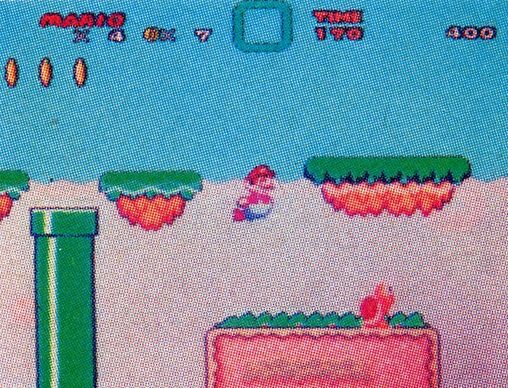
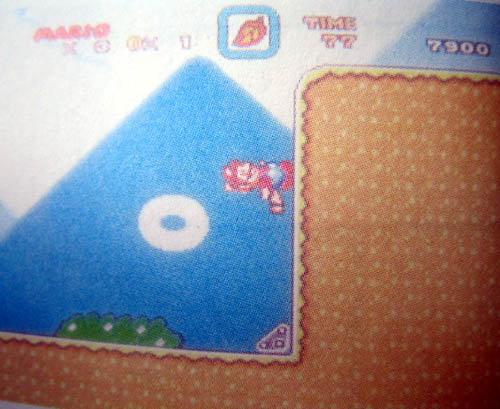
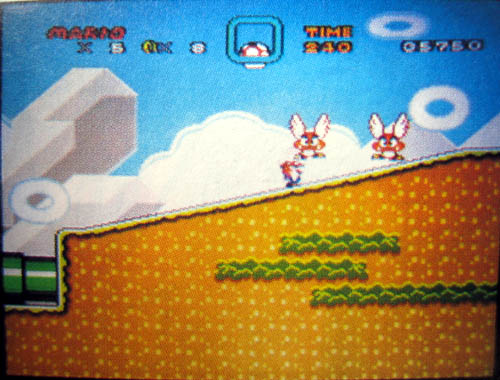
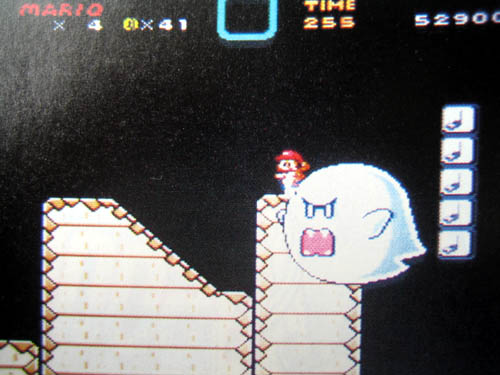
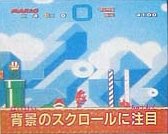
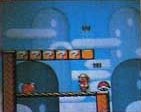
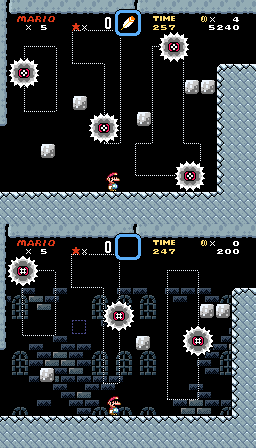
The images in this article represent a starting point as Nintendo journeyed from Super Mario Bros. 3 on the NES to what would eventually become World. The structure of the geography, different icons, alternative floor on the castle entrance and castle texture, the flying fortresses and even mushroom houses show some serious evolutionary ties to its Mario Bros. 3 roots.
[Original description in italian by Sig. Bakke, english translation by MajorTom]
Would you like to play the Super Mario World beta? Check our Super Mario World Beta Remake Project!
Images:
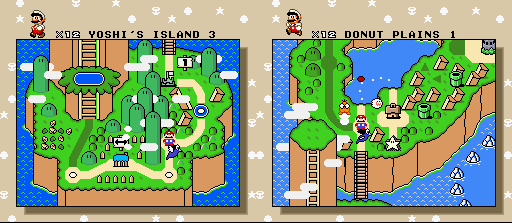
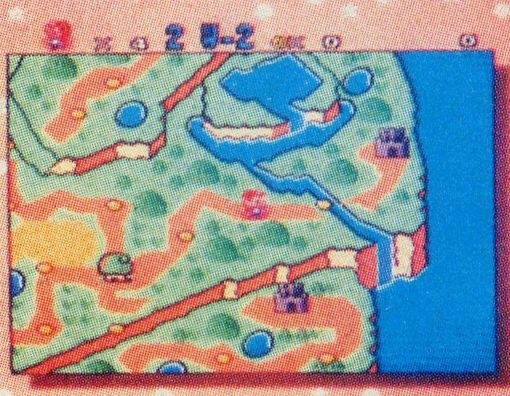
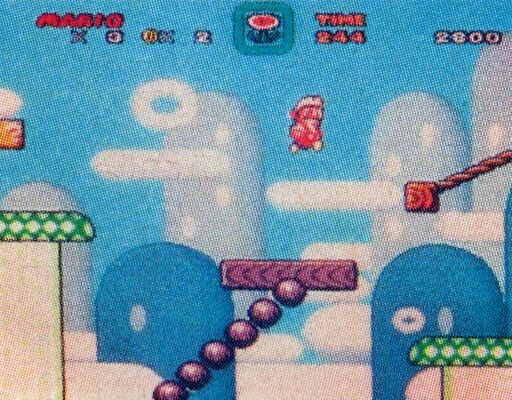
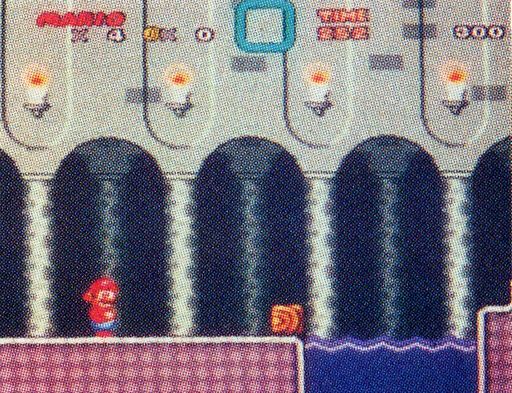
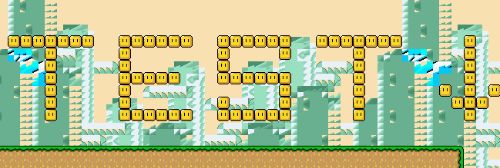
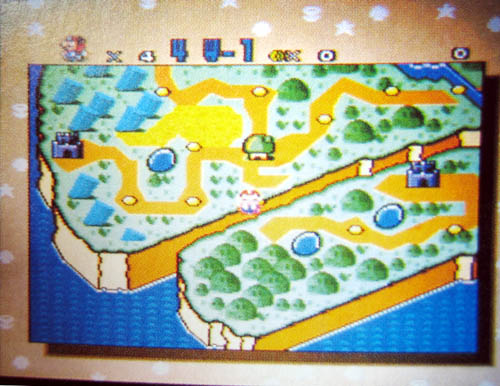
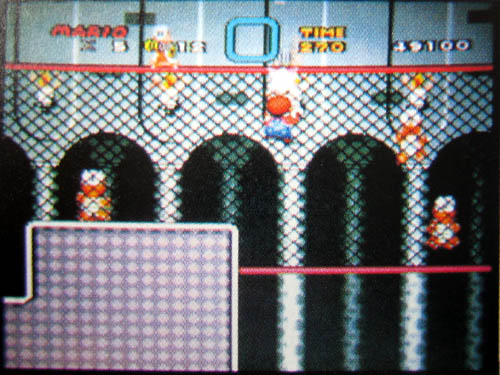
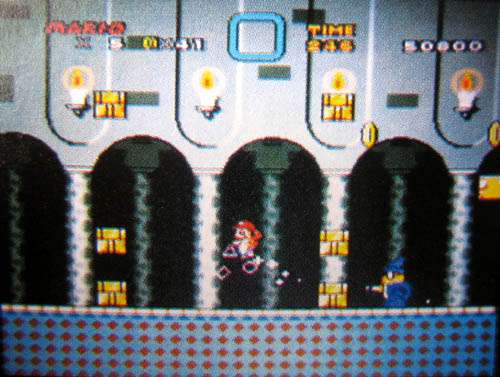
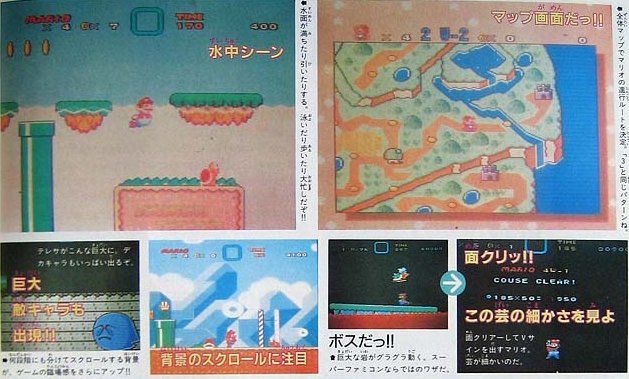

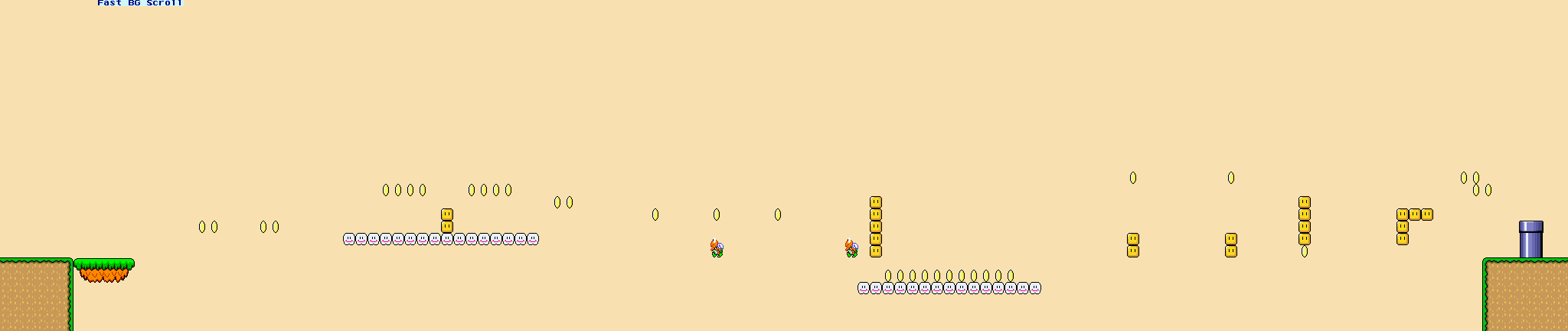

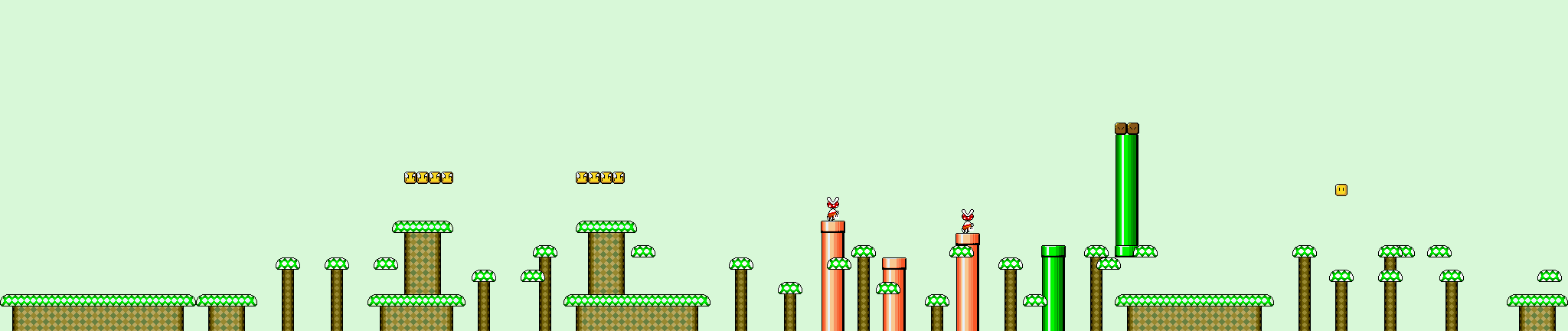
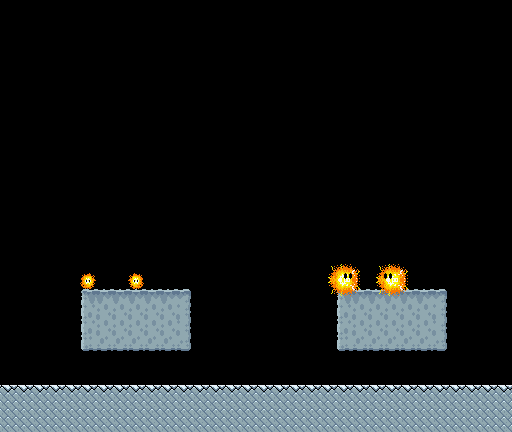
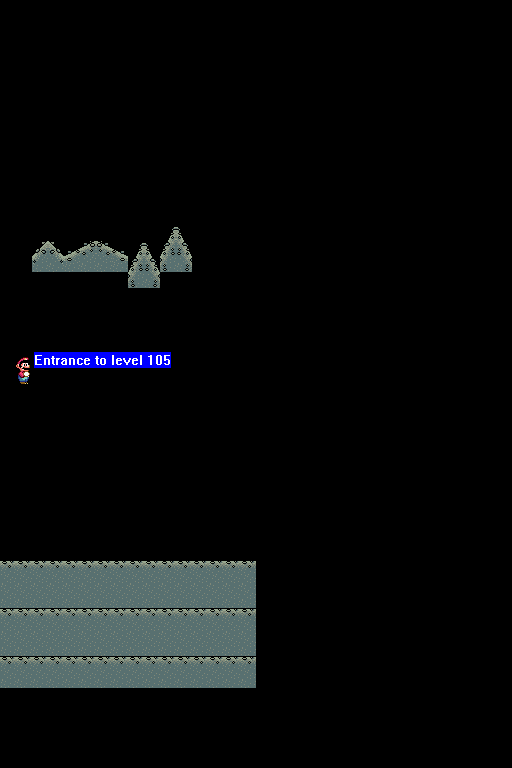
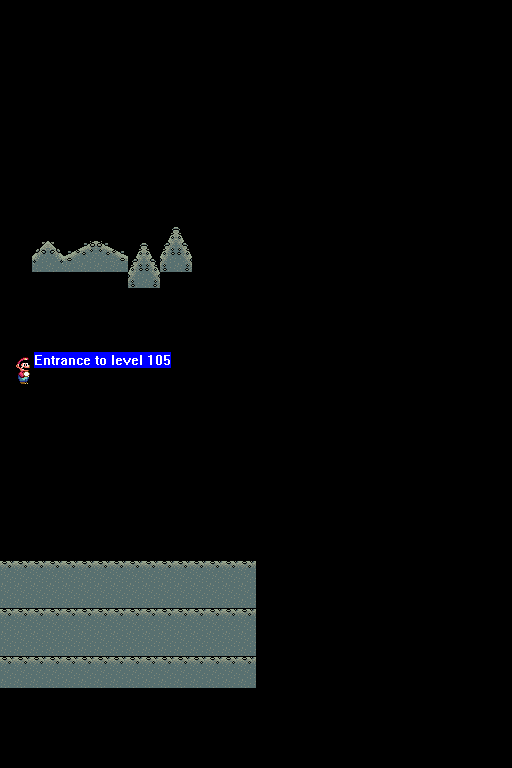
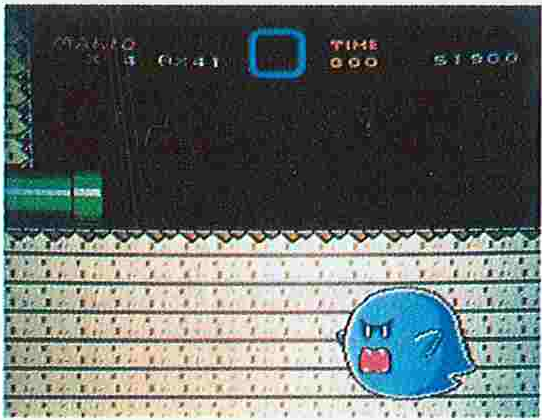
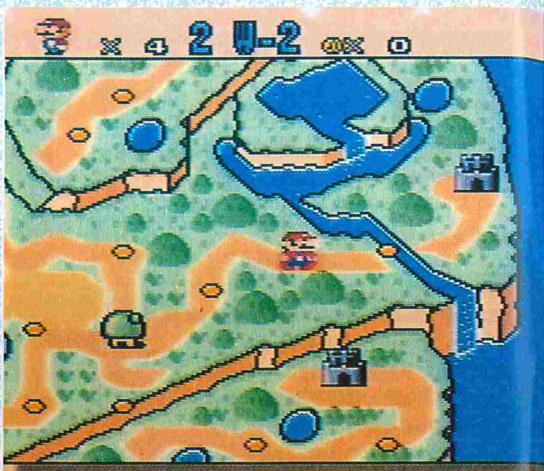
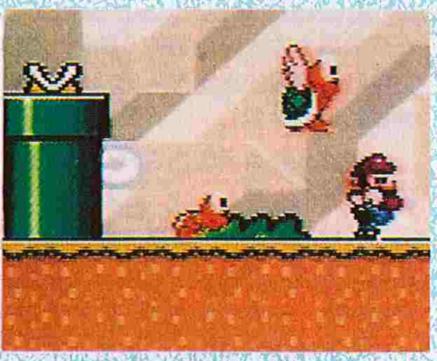
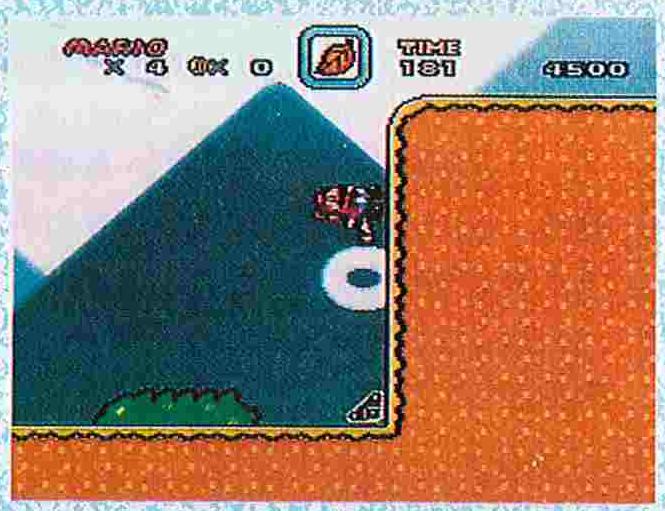
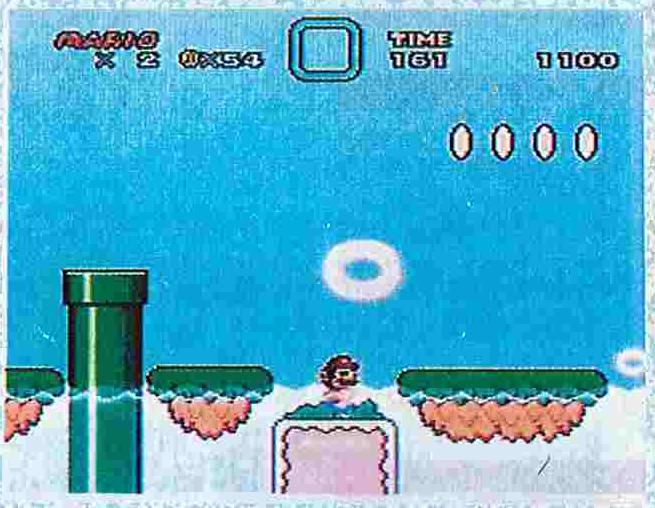
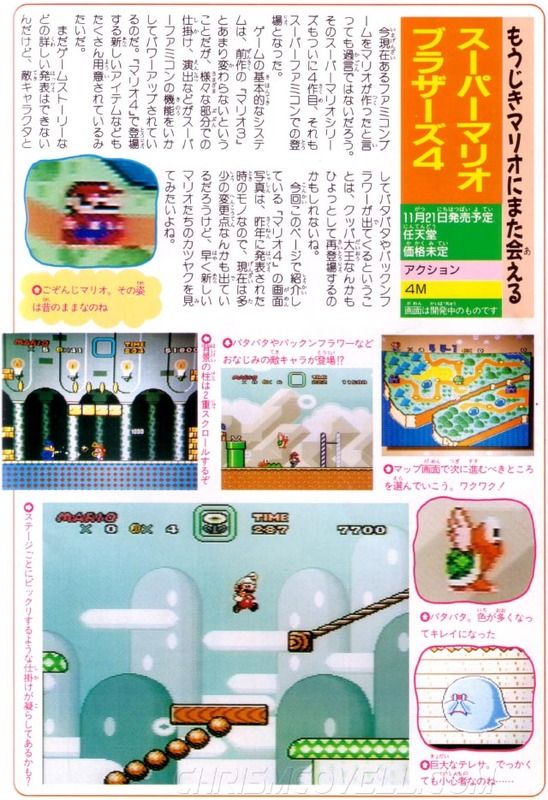
Test map e Unused Characters from: www.themushroomkingdom.net
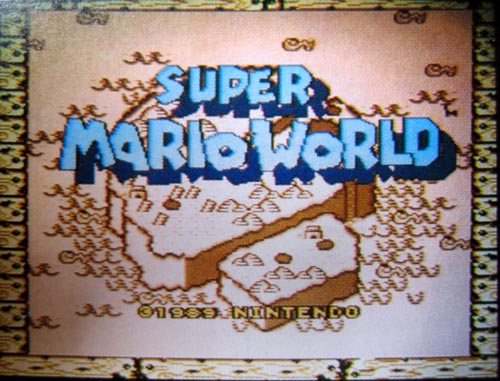
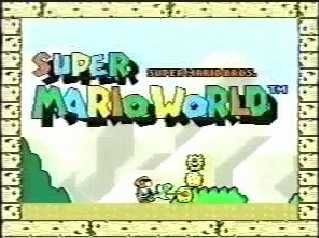
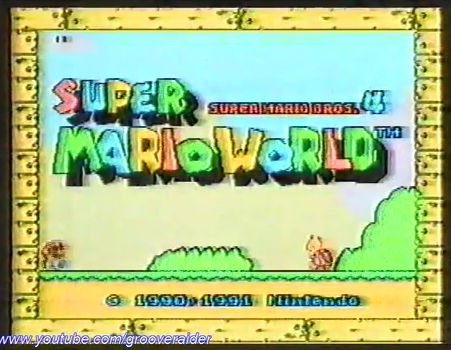
Thereʼs very little to say regarding the over world map. The beta version seems to have accommodated a much smaller adventure than what was produced in the final version. In this article, there are two opening screens. One of which shows “Super Mario World” against a “beta” world map. This opening showed a very muted color scheme and a 1989 copyright date. This opening screen could have been one of the earliest known builds Nintendo made during its transition from the NES to SNES hardware. The second title screen does not show any copyright date but what is notably different from the final version is that Nintendo excluded “Super Mario Bros” from the title in the final build.
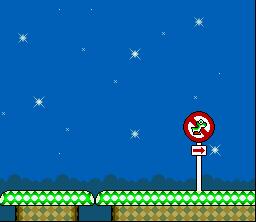
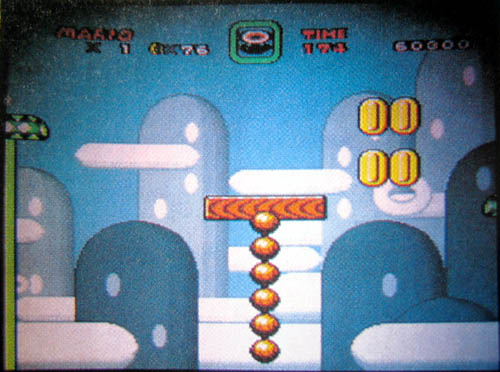
On screen elements during game play have changed. Notably, there used to be Yoshi sign that disallowed the usage of a Yoshi (or specific colored Yoshi) after the player walked past that sign. Signs similar to these would reappear in the semi-sequel Yoshiʼs Island (with signs limiting Yoshiʼs power-up as it walks past them). In the Donkey Kong Country 2 & 3 games (which share various similarities with SMW), silimar signs appear for animal buddies – a possible influence for Rare.
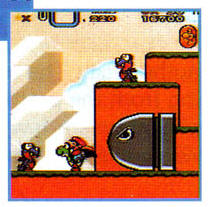
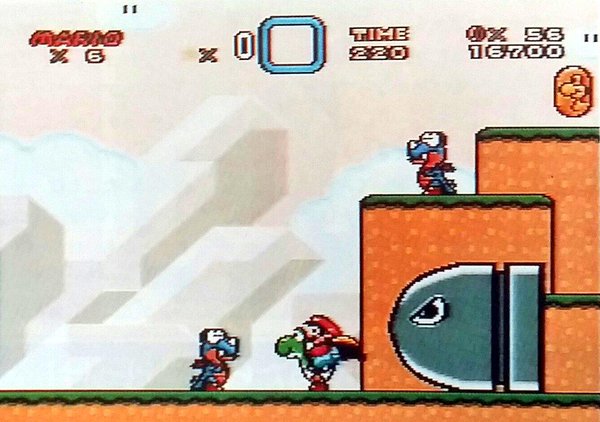
Other small differences to note are beta sprites. Mario and the Koopas look slightly different from how they turned out in the final release. Mario tends to look more like his “Mario All-Stars” Super Mario Bros. 3 counterpart. The Koopa shells have a more rounded look to them. Some coins also had a look slightly larger and more oval (maybe they were a beta version of the Yoshi’s coin).
Raccoon Mario, who debuted in Super Mario Bros. 3, was either a place holder for the eventual cape/feather power-up or the concept of Cape Mario never came to fruition until much later in development. For a time, the leaf and resulting Raccoon Mario may have been the “de-facto” flying power-up for Mario in “World”. There are many screenshots that show Raccoon Mario in various parts of the game. For readers that frequent Unseen 64, you might want to check out the “SNES Hardware Test” in the SNES section. One specific image from that section has a Mario sprite that appears to be from “World” but with what appears to be ears on top of his head that look VERY similar to the raccoon ears similar to those in Super Mario Bros. 3 and beta shots of “World”.
As Sammy has noticed, there was a Sears commercial that showed 3 Super Nintendo games; they were Super Mario World, F-Zero, and Pilotwings. On that commercial, it showed the title for SMW but with a little difference. Right next to the little beta “Super Mario Bros.” text of the beta title, there was a blue “4″ on the right of the text. You can check the video below thanks to Hiddencastle!
Thanks to Jamie and Assjerk for the contributions!
Video:
What do you think about this unseen game? Give your vote!
Would you like to add more info, screens or videos to this page? Add a comment below!

- Quark (Quantic Dream) [Dreamcast – Cancelled] - 24-03-2024
- Fortris [PC/Playstation/Dreamcast – Cancelled] - 09-03-2024
- Gorkamorka [PC / Dreamcast – Cancelled] - 16-12-2023

Yoshi’s beta name was Kibi in America.
In Japan, it was Lizardbuddie.
But Kibi/Lizardbuddie was removed for…..un heard issues.
i’m glad that they choose Yoshi in the end, it just feel right as his name.. thanks for these infos SloMo! :)
What? but there where earlier games on the NES with Yoshi in them, they where “Yoshi” and “Yoshi’s Cookie!!!”
Oh man! This was a great and melancholic read…
I posted a recommendation to your site! Great stuff you have here! Here’s the linkt:
http://wiispotlight.blogspot.com/2009/03/los-juegos-que-pudieron-ser-y-no-fueron.html
Thanks Ram! If you are interested, Randy is working on a mod to restore the beta version of Super Mario World :)
http://www.unseen64.net/2009/02/12/projects-latest-video-from-the-super-mario-world-beta-remake/
hey….yoshi’s beta name was Kibi, right? That sounds just like Kirby!
Just to let y’all know there was a Sears commercial that showed 3 Super Nintendo games; they were Super Mario World, F-Zero, and Pilotwings. On that commercial, it showed the title for SMW but with a little difference. Right next to the little beta “Super Mario Bros.” text of the beta title, there was a blue “4” on the right of the text. I’m guessing the commercial came out right just when the Super NES was the new thing then. I just thought I would say that since I was surprised that I didn’t see this here.
Interesting find Sammy, do you have a link for that commercial?
Anyone else think of Donkey Kong Country 2 when they saw the “no Yoshi” sign?
@Gmod1001
Nintendo continued to make/release NES games even after the the Super’s release. Yoshi’s early puzzel outings were some such games.
so didnt you notice the alternative floor on the castle entrance and castle texture in that video aswell
also now this bit is just a guess, im assuming they always did intend to change the flying mario into somthing else just because it seems to be missing from the little silhouettes on beta overworld map buy all other itms appear to be there so these where indeed only place holders
another beta shot you might want to include is here
http://www.mariowiki.com/images/a/a3/Beta_Wendys_Castle_Room.png
and final thing i figured i mays well point out the date on the video title screen says 1990-1991 which is the same as feature in the final game
and as the game was released in 91 ill guess this was a last minute change before release so the screenshot of the beta without a 4 after the super mario bros. is probably an earlier build and the video also has diffrent bushes than the final version so the shading on the bushes must have also been added just before release
Thank you Jamie! I’m going to add that screen in the gallery :)
The wood pieces on the beta title screen are present in the final product of the game which does help give us clues about early versions. In the final, there are 14 stacked wood pieces on the title screen, the resolution makes it 224 scanlines (14×16=224), the default for most SNES games. The prototype title screen, however, appears to show 15 stacked wood pieces, which would make up 240 scanlines (15×16=240), which is the vertical resolution of the NES. Along with this, the graphics of the title screen are very simple and aren’t as complex as the SNES had, never being more than 4 colors like the NES had.
Both of these support the claims that SMW was based on NES hardware initially but transferred sometime during production. It can also be noted, while not entirely relevant, the SNES’s assembly has many opcodes based upon the NES’s, which is partially how Super Mario All-Stars came into existence; the games on the compilation are in fact direct ports to the SNES if I remember correctly.
Wow, interesting info, thanks a lot Ghostly! :O
I found a news program that had the 2nd prototype screen in action (the one with the 4). Its at 1:34.
http://www.youtube.com/watch?v=MTzyz2TgGls
I remember on NBC nightly news back in 1991, that Tom Brokaw did a segment on Super Mario World. There was some clips and I was almost certain that some of those things didn’t make it into the game. There was something different about the end (the fireworks/hearts?), and in the first castle with the fence, the whole screen spun rather than just the panel (marios back would be to the camera even on the back side).
Vanderbilt university certainly has a copy of this tape in their archives…does anyone know a closer date of when it was or can someone get a copy of the tape?