Overview: Tomb raider was not only one of the best selling, early 3D games, but it was the most recognizable icon of the PlayStation brand. Tomb Raider’s design and concept started in 1994, Core Design, of Derby decided that they wanted to make a video game based on ‘Tomb Raiding’. Subsequently the game was released early October 1996 on several platforms such as: PC, Sega Saturn and PlayStation. Tomb Raider was then re-released on the N-Gage Nokia phone to promote the franchise further. The original concept showed early drawings of a male character which they changed to a female named Lara Cruz then to the heroine we know as Lara Croft.
It is *rumored* that early revisions of Tomb Raider were to be planned be released on:
- 3DO
- Atari Jaguar
It has been confirmed that there was an N64 port in progress but this got cancelled due to “contractual agreements” presumably with Sony.
As Tomb Raider was in development through 1995. The expected release date had been targeted for 1st QTR 1996. It has been confirmed that this revision was cancelled. This led to Tomb Raider being rescheduled for QTR 4 1996 after Eidos acquired U.S Gold.
As noted in an interview by Ross Sillifant with Mike Fulton:
Mike:This is the first time I’ve ever heard anything about Tomb Raider and Jaguar in the same paragraph. It seems very unlikely to me… the first released version of Tomb Raider was late 96, even later than Quake’s release.
Tomb Raider, in anything like the form we know, would have been very difficult to do on Jaguar. It used OpenGL for 3D and there was nothing like Open-GL for the Jaguar, and few games had made any sort of attempt at texture-mapping the entire display. I’m not saying it would have been impossible but it would have taken a pretty good development team to pul it off.
Also Core in early interview with Edge talk of Tomb Raider starting out on MCD, 12 months BEFORE BC Racers was finished, but could’nt get camera system working. Interview with Core Design in EDGE issue 41 (Jan’97) Has Jeremy Smith talking of concept of character in a cinematic enviroment, being inital concept for T.R, but they had immense issues designing a system around the character that would let them move within a camera system and Artist, animator and designer at Core, Stuart Atkinson said: ‘We already had the sketches and ideas for the game for about a year before we even finished BC Racers (on MCD). So any claims Tomb Raider was ORIGINALLY designed for Jaguar CD is not true, it was designed during MCD era, Core just waited for tech to reach point concept/ideas could be turned into full blown game.
Also Ross Sillifant wrote us that: “The Jag Tomb Raider claim? Comes from a SUPPLEMENT MAG, EDGE supplied in a 1-off, back in it’s early days, paid for by ATARI to promote up coming Jaguar games. I’ve never seen said supplement itself, despite owning complete eDge collection, and no-one that continues the claim seems to have copy either, lol. Basically in it were up coming Jaguar games from Core Design, Soulstar (which we know was being worked on) but claim has Swagman down for Jaguar as well (only early confirmed version i know of, was 32X) and very early Tomb Raider, with character known as Laura Cruz or something similar. Myth made ‘worse’ by a PHOTOSHOPPED image from sister mag Next Gen (i think) from USA where SAME screen shot, but in box out detailing system info someones (crudely) photo-shopped Jag CD logo over where it originally said Next-Gen systems.”
——
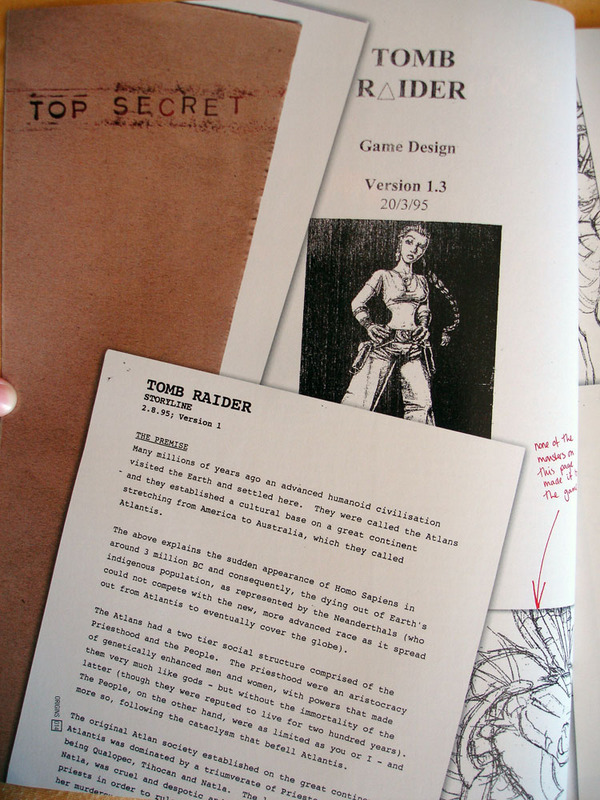
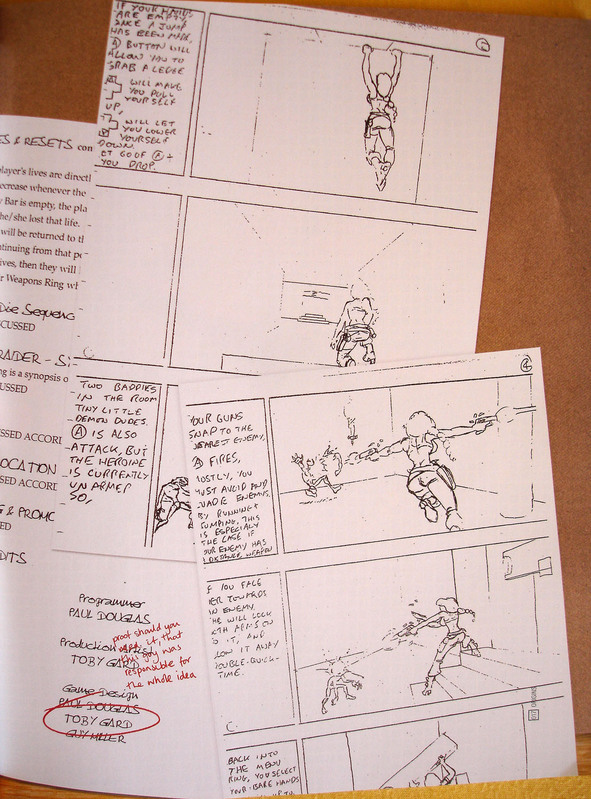
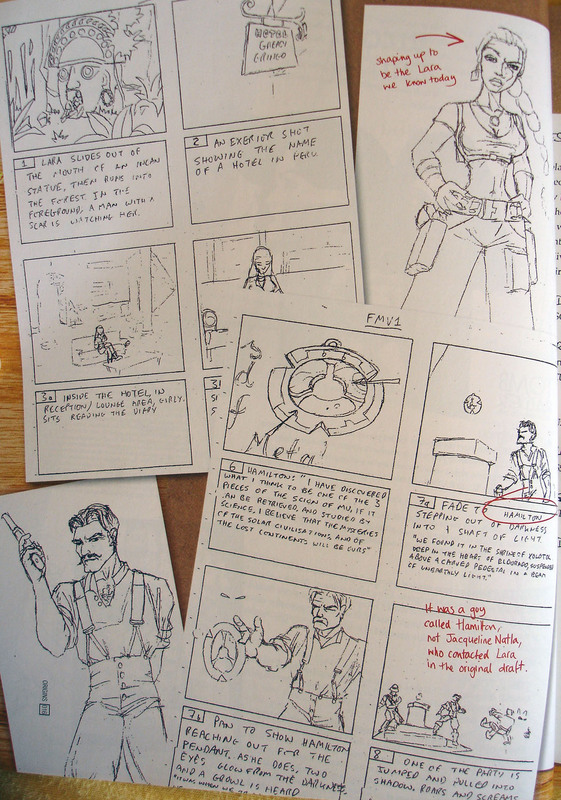
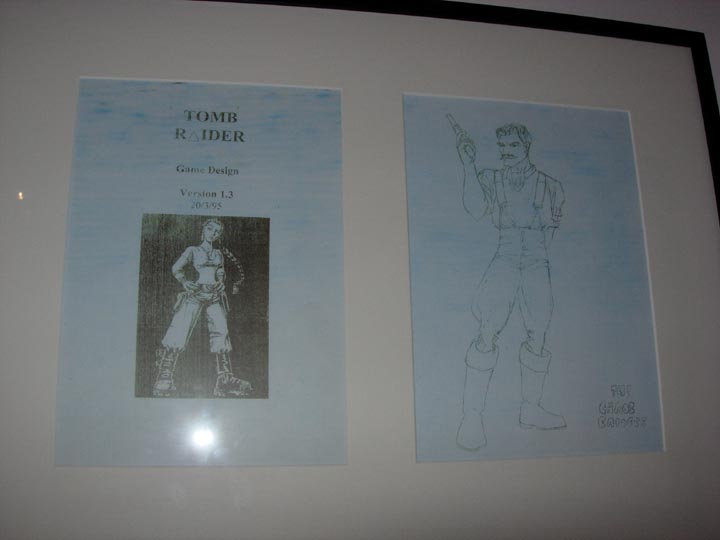
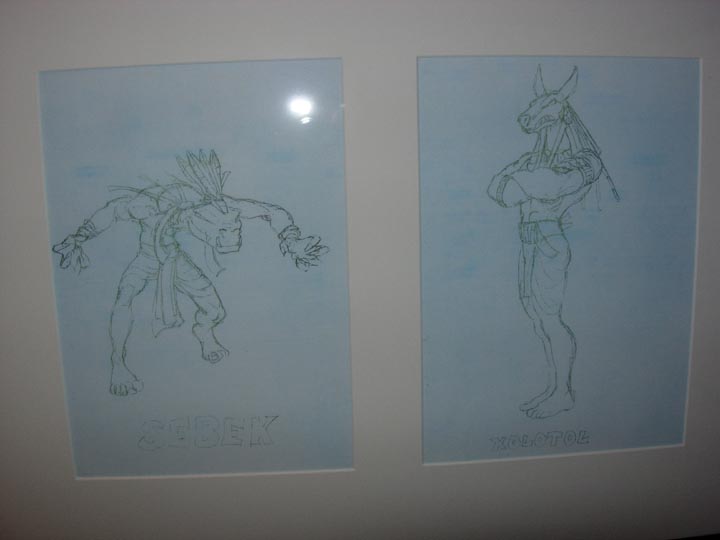
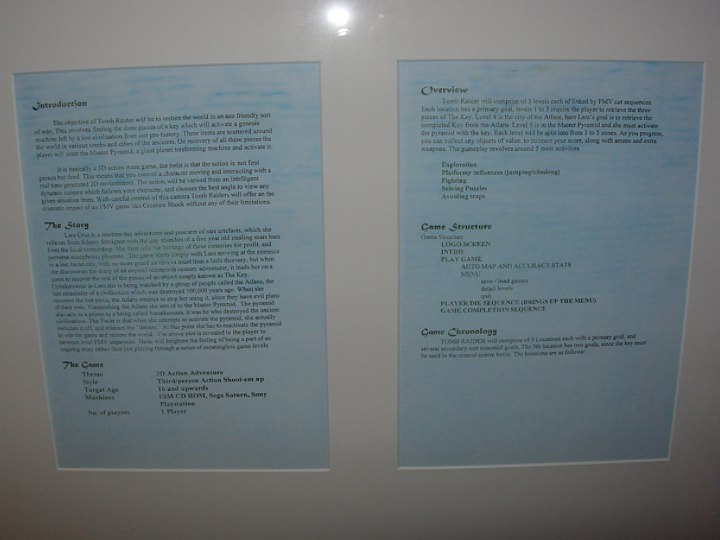
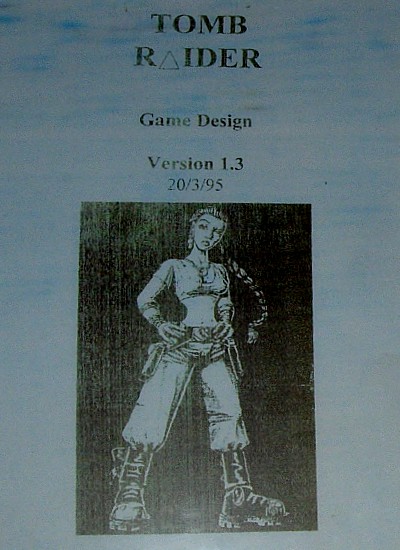
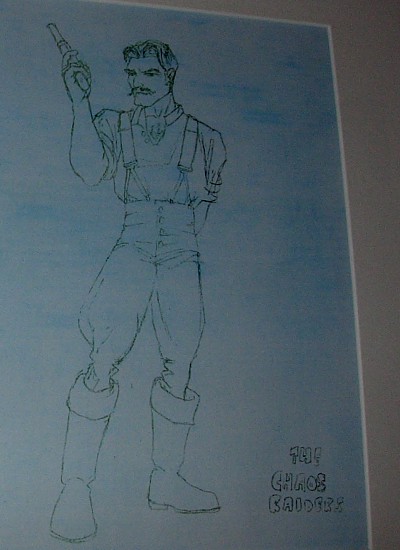
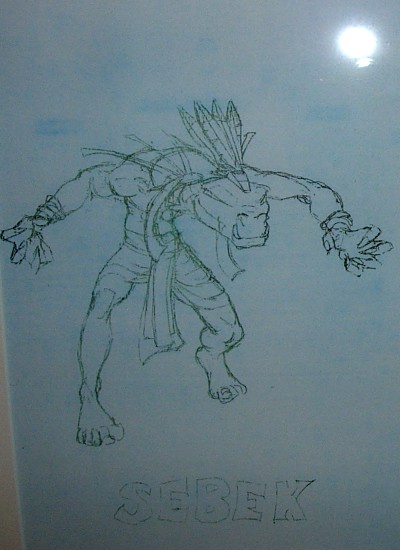
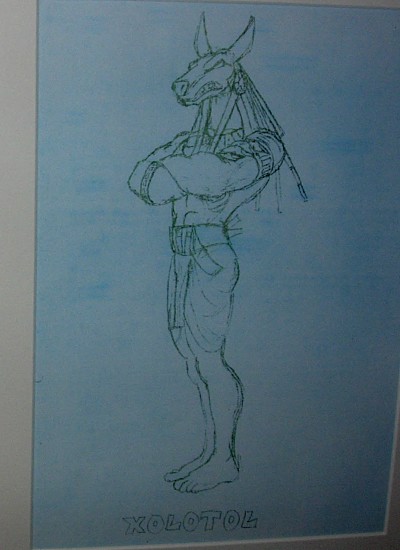
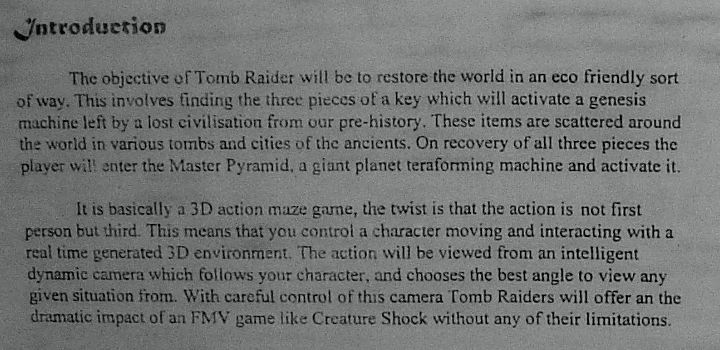
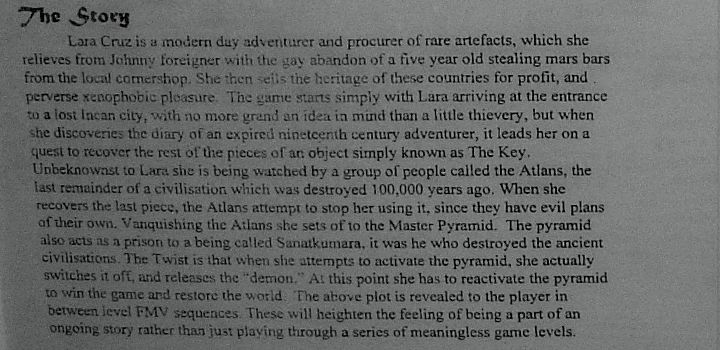
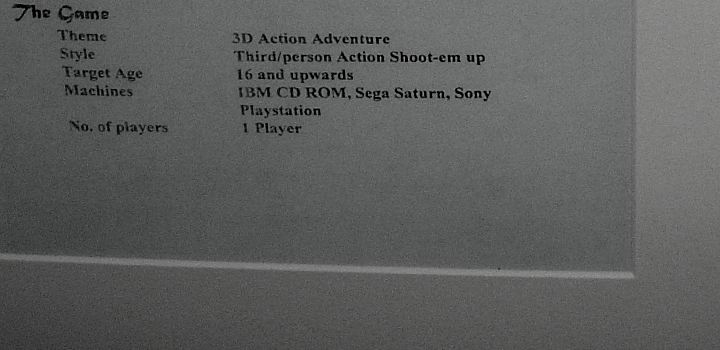
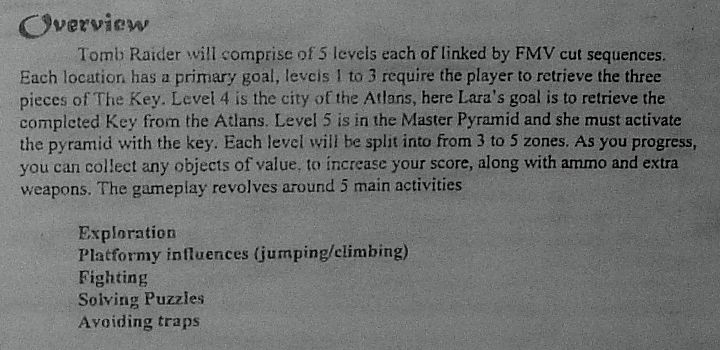
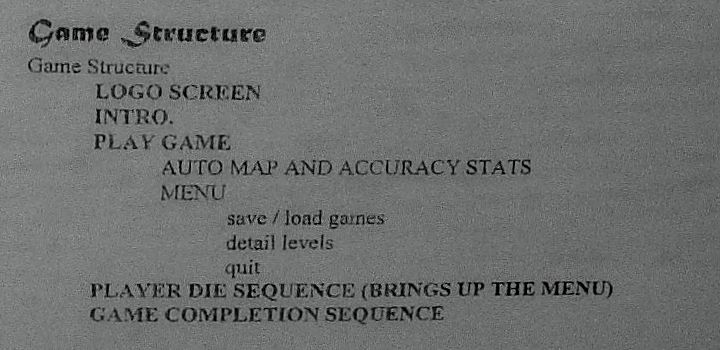
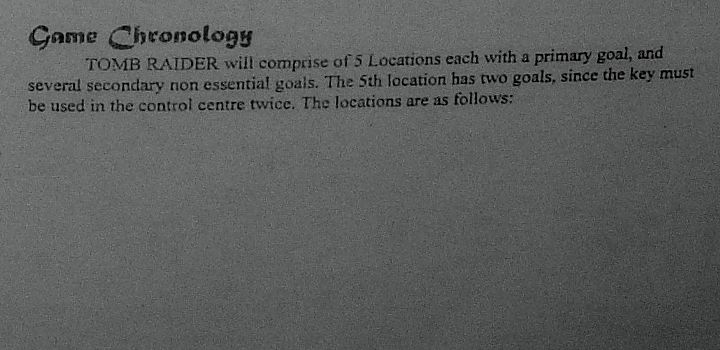
Prototype Concept & Game Design – Date, 20th March 1995
——
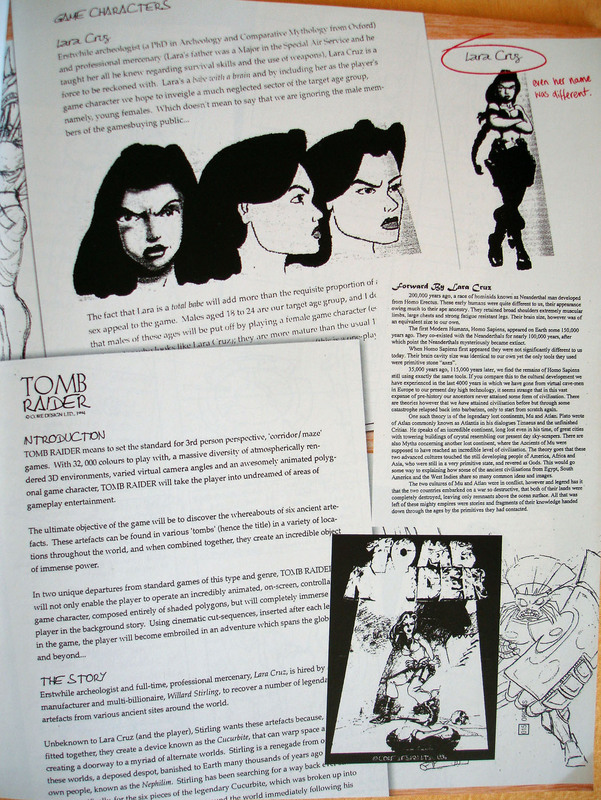
Scans of a game design booklet from early 1995 arrived on the internet a few years ago. This booklet shows a similar story line, featuring a character named ‘Lara Cruz’, she was supposed to activate the Pyramid using the Scion supposed to be found within the first 3 levels of the game. This variant of the storyline also suggests that Natla used to be a male character named Hamilton who sent Lara Cruz on this path to retrieve the artifact. The original games design document currently resides within a museum.
——
Prototype Stage – Date, October/November 1995
Platform: Sega Saturn


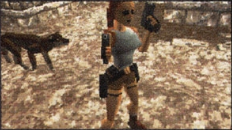
The screenshots come from a Sega Saturn preview magazine which also claims the game was supposed to be released ‘1st QTR 1996’ it seems that CORE must’ve scrapped this nearly complete version of the game and remastered it ready for the year after! The levels look early, huge and the models all seem to be different, Lara, bear, wolves etc. The simplicity of the levels may have a negative impact in comparison to the final release. But I find it quite intriguing and it’d be great to see more of this prototype! Magazine scans are from both an October/November issue.
——
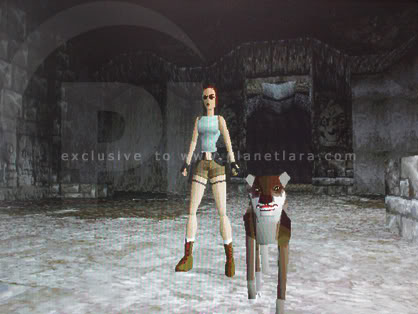
Pre-alpha Stage- Date, Early 1996
Platform: PC

——
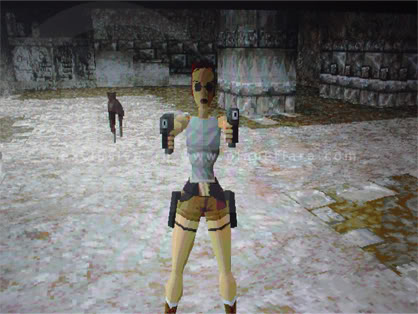
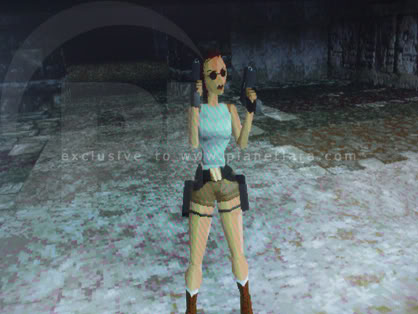
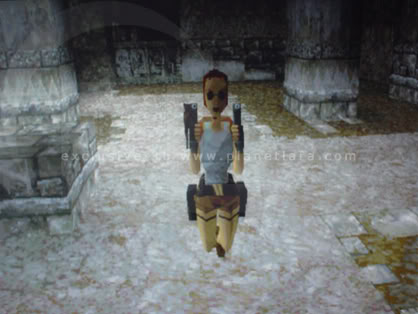
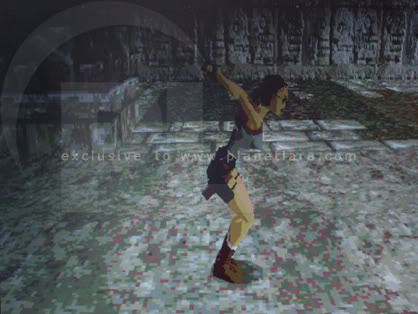
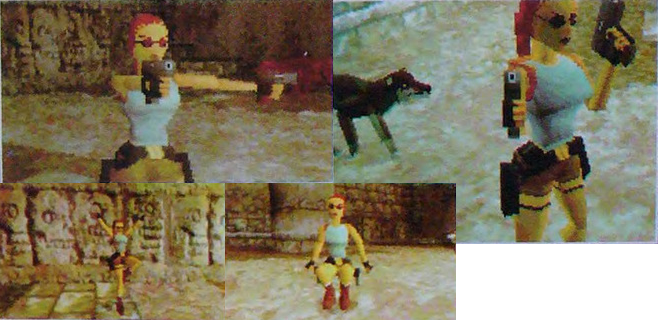
The first video on this page, is one of the earliest known builds of Tomb Raider. It was compiled some time late 1995, apparently used to show U.S Gold the progress of what Core Design had made with the game. The video, shows early footage of the first installment of Tomb Raider, it seems that she has a braid. There are also rumors that the braid was removed because it caused frame rate drops in-game. It was then remastered for the next game Tomb Raider: II. Also, her main weapon is the ‘Magnums’, Core Design originally planned for Lara’s main weapon to be the Magnums, rather than the pistols. In this build, Lara’s model is very reminiscent of what is seen in the final. All that was changed was the head mesh and removal of the braid. There are also various animations which are significantly different from the final. It appears, that Lara Croft has the Sunglasses on her face which was removed from the final version but she has them in FMVs. The levels are currently unknown, the textures resemble the second level (City Of Vilcabamba), it looks more like a test level. The build comes with a debug feature, it allows you to pause, change the camera angle and even zoom to take a look around in other places. The enemies are barely different from the final version, it seems that the AI is less challenging. The locations, while only early placeholders, already display complex and haunting environments.
——
Early Prototyping Stage FMVs – Date ???? 1995
Platform: Sega Saturn / PC
These videos apparently come from a similar or possibly the same prototype or press-kit as the one above. They show a completely different intro to the game with a brand new ambiguous storyline. The Scion also looks different and it appears that she already has all the pieces.
——
Alpha Stage – Date, Early March 1996
Platform: PSX/SATURN

——
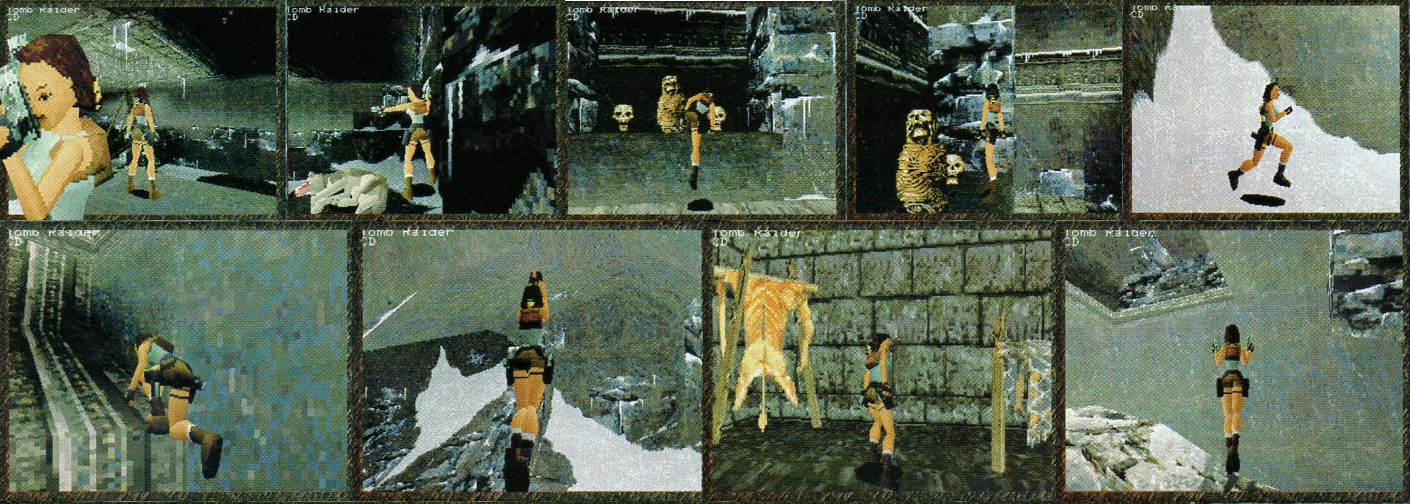
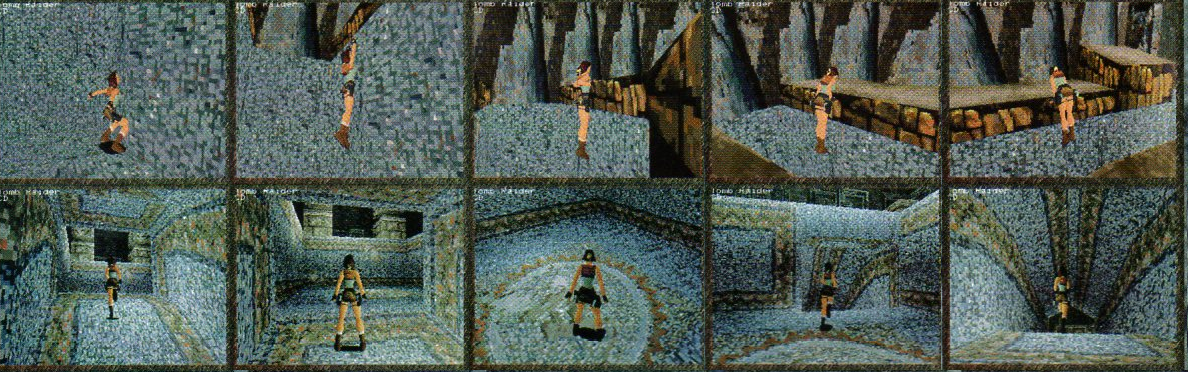
In this version you can see the deleted jump animation is present, there is no water in this version so we know it’s before the alpha shown below where Lara cannot swim. Some of the screenshots of the third level show how different is was, it’s just not recognisable anymore.
——
Alpha Stage – Date, Late March 1996?
Platform: PC
——
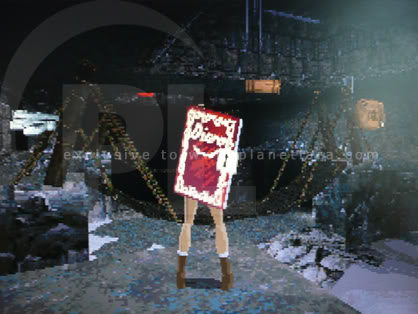
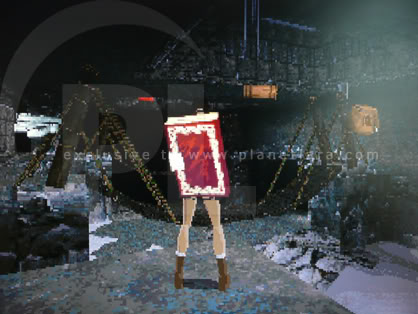
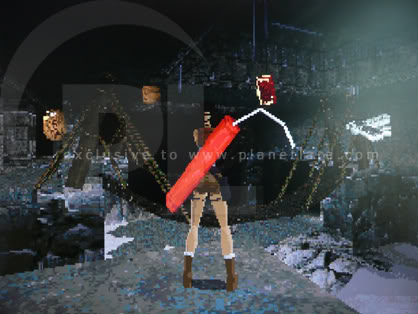
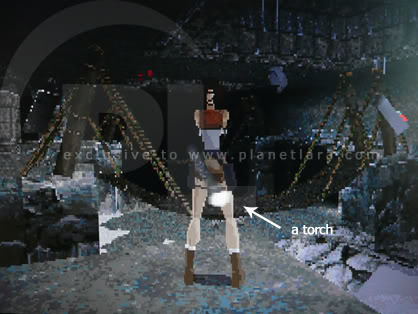
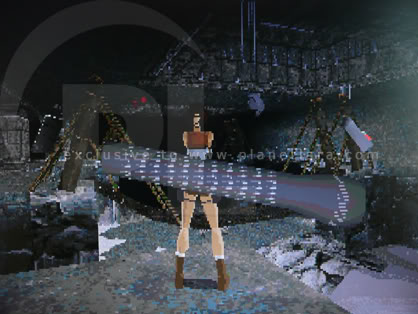
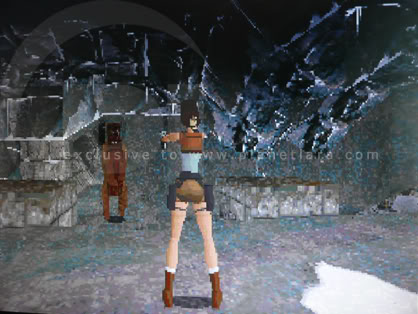
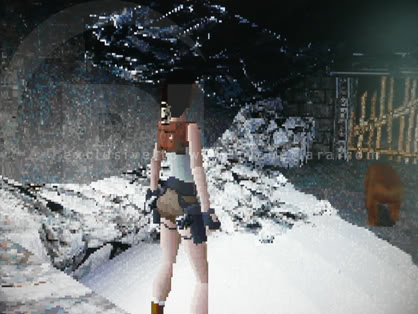
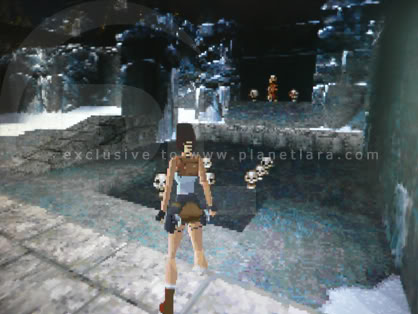
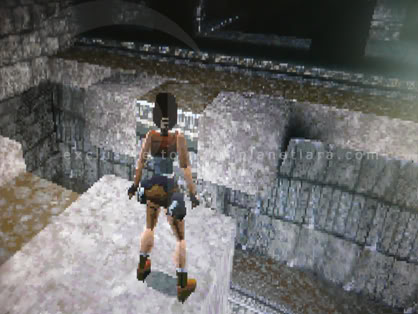
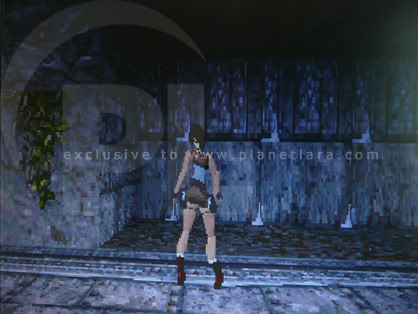
This alpha version of Tomb Raider was compiled before May 1996, the May 1996 version has the ability to swim. Therefore, I can tell this was compiled before May 1996, the Diary, Dynamite and placeholder inventory items are included in this build, just as seen in later builds such as the May 1996 version.
It’s the first level, ‘The Caves’, but it seems that Lara spawns later in the level, Lara’s model is final, the animations are still different in some cases such as climbing up and jumping. She also has the ability to aim on 2 targets also shown in Tomb Raider Anniversary Edition (CORE) trailer. The skulls in the pit, are not present in the final version. The gun fire effects are simple sprites which resemble stars, Similar to the ones on the July 1996 PC Demo and May 1996 Alpha. Although Lara cannot swim the room flags can be set to water so the effect can be seen.
——
Alpha Stage – Date, March 1996
Platform: PC
Here is a video similar to the alpha above this, it could be the same. However, it was shown at an E3 expo video and looks like it’s for the PlayStation 1. It ends with and unused intro/cut scene deleted sometime in August to make way for the final cut scenes/FMVs
——
Alpha Stage – Date, 9th May 1996 (E3 Build)
Platform: PSX
This is the build shown at E3 1996 and is similar to the build shown above. It contains deleted diary and dynamite, it seems that dual aiming has been removed. There is still no sound in this version and a lot of the swimming animations are different, exiting water is different. Items on the floor are way larger than the final version. Dynamite icons are only seen in this version of the game so far. It is barely functional and has many minor bugs. There are different animations like the vaulting and land from jump animations. Lara cannot dive or roll, the circle button is used to swim. Lara cannot shoot without being locked onto an enemy, the controls are slightly different since circle button is walk rather than R1.
Video 2 also shows footage of the ending of the level which required Lara to be ‘moved to the next room’ in order to get there since the trap door causes a crash. They must’ve been out of time and hadn’t finished the trap door features.
Video 3 shows the early ‘prototype’ jump in action, it was activated by manipulating the E3 version. It also features a new animation where Lara crosses her arms. The jump animation is exactly the same as the ones shown in the first two videos, but was removed later in the June/July versions.
Video 4 shows a series of animations, there are several unused animations, it’s fun to watch.
Video 5 shows the unused sprites.
Video 6 shows the unused in-game models.
Video 7 shows an unused Lara croft model found in-game with no braid unfortunately. Must’ve been used for testing at one point in time and is most likely a very early revision of the Doppelganger.
——
Alpha Stage – Date, 7th May 1996
Platform: PC
——
This build is very similar to the PSX E3 demo. Containing differences to LEVEL2 in particular. It contains the first 3 levels of Tomb Raider. The third which is in very early stages. All the sound effects in this build are placeholder and were not present in the final game. The first level shows some significant differences in some rooms.
——
Beta Stage – Date, Late May/June 1996?
Platform: PC
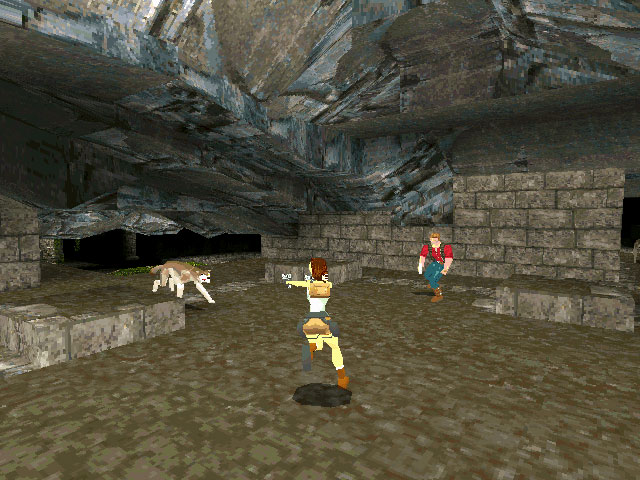
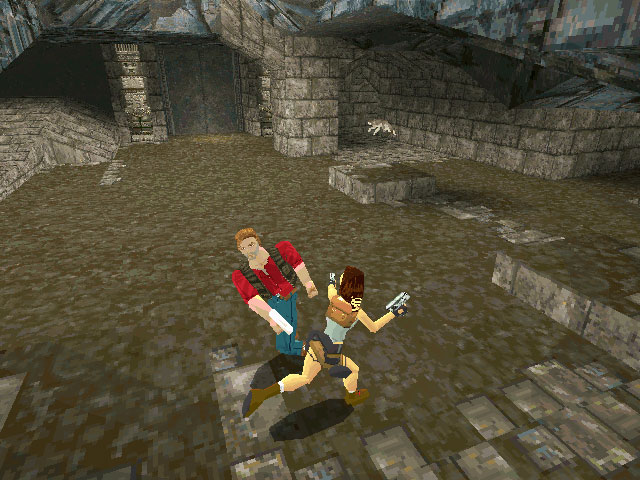
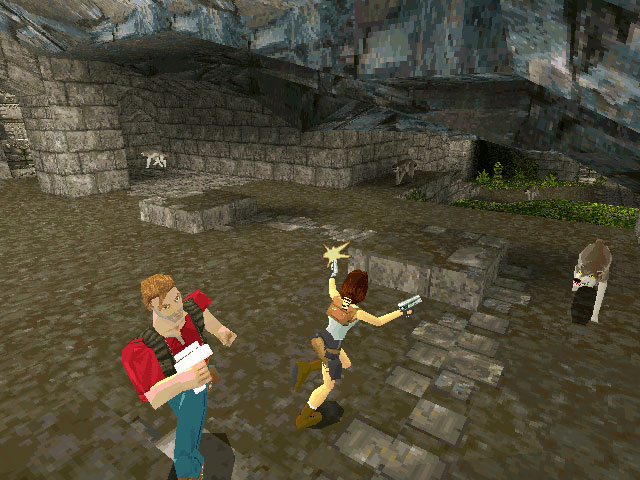
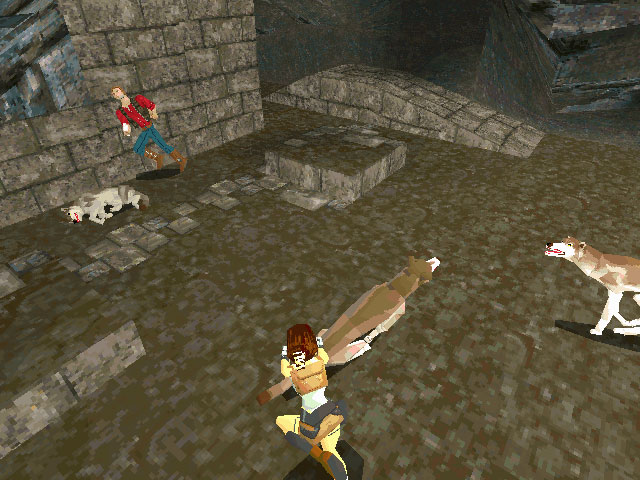
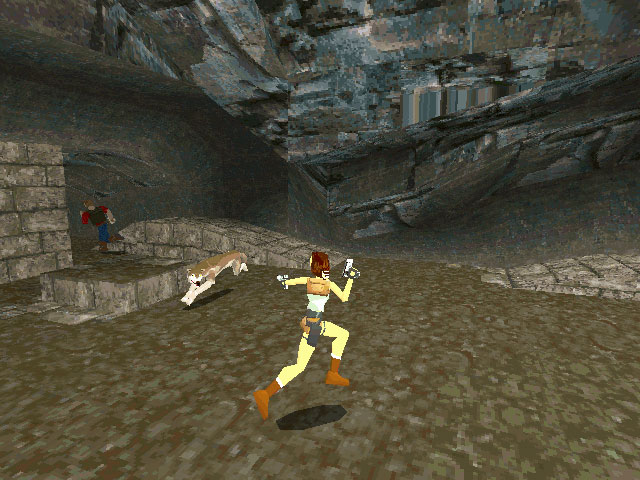
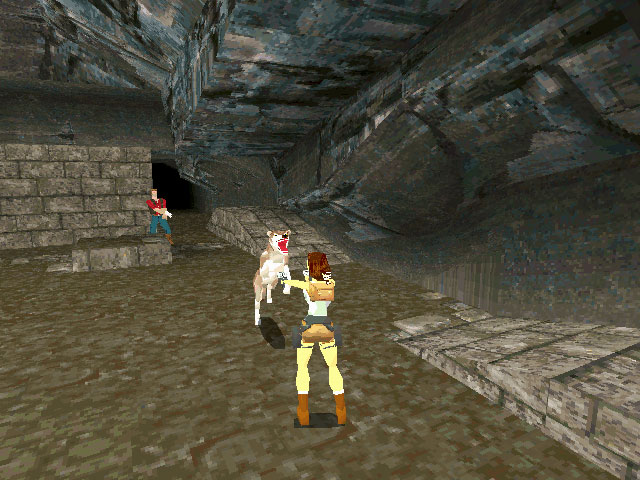
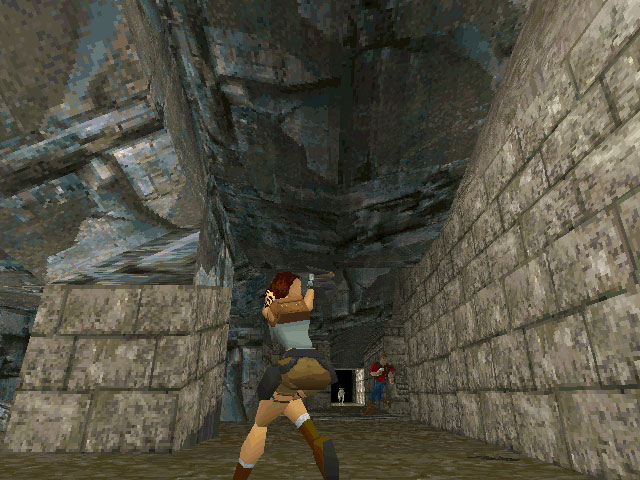
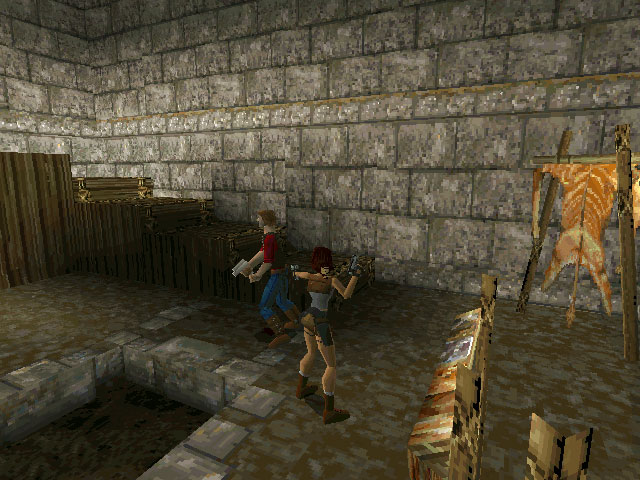
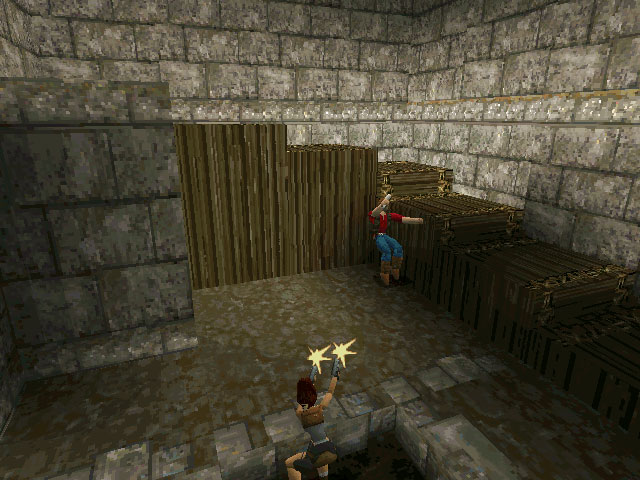
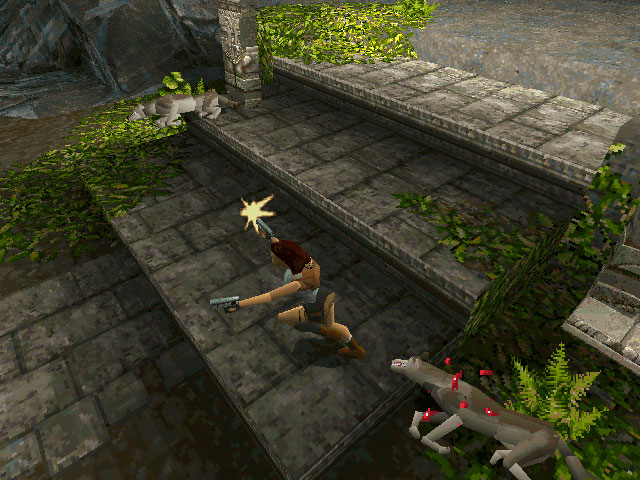
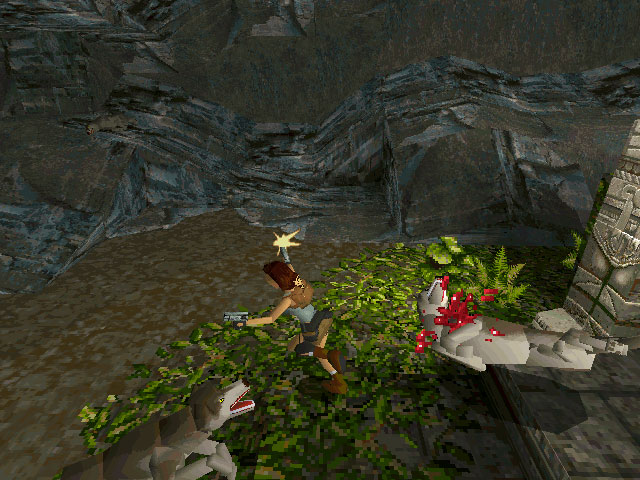
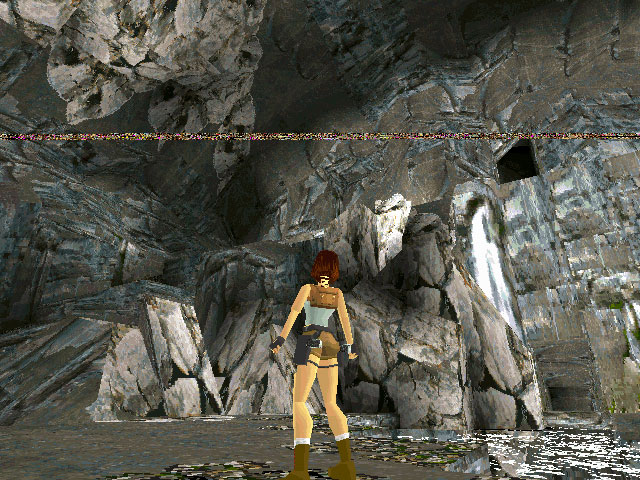
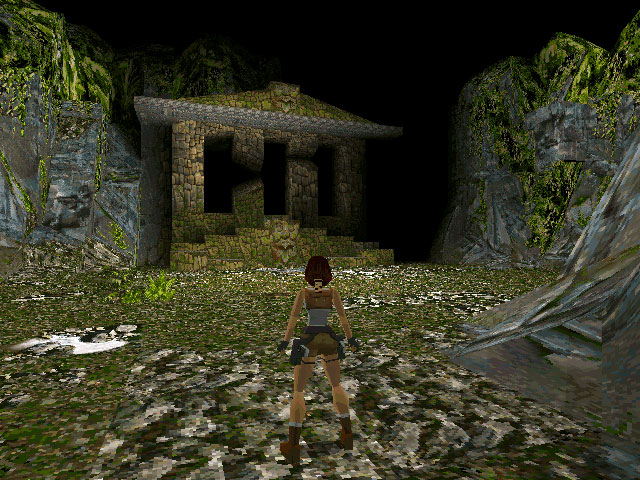
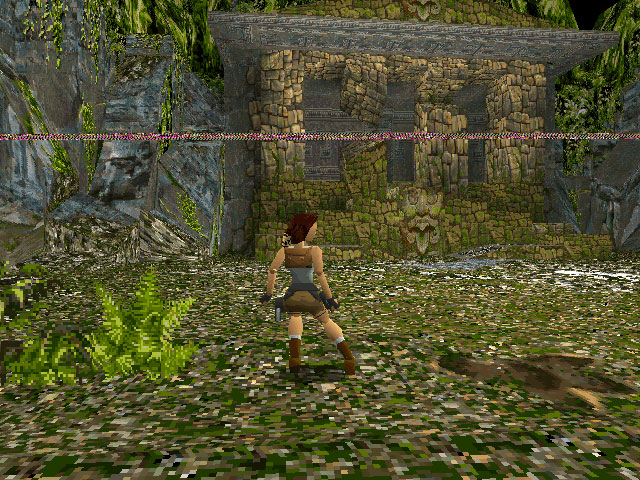
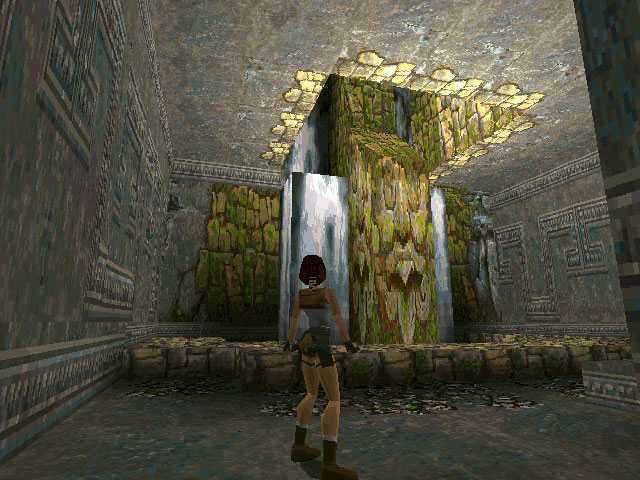
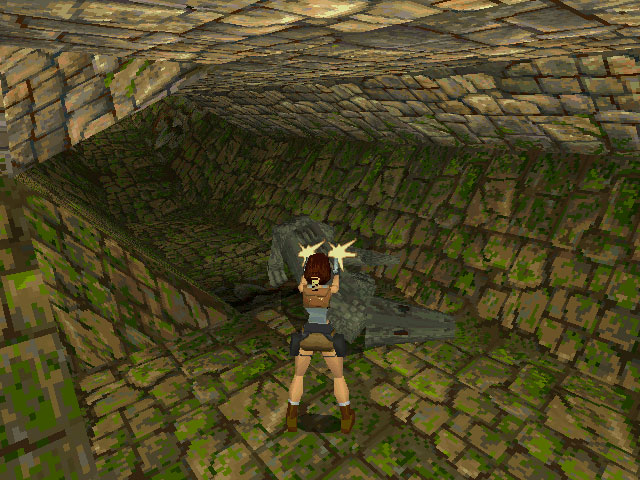
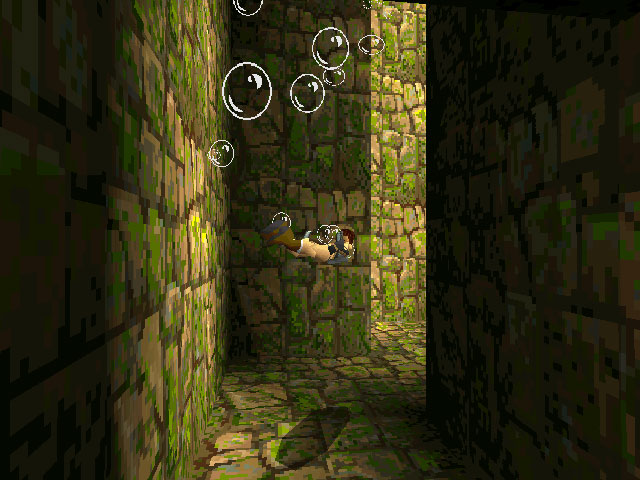
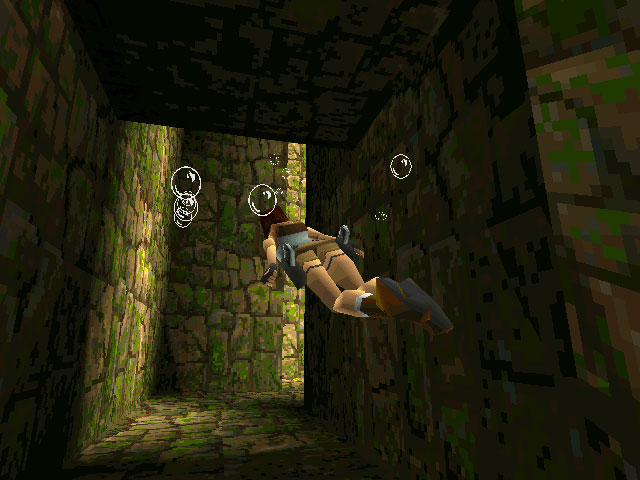
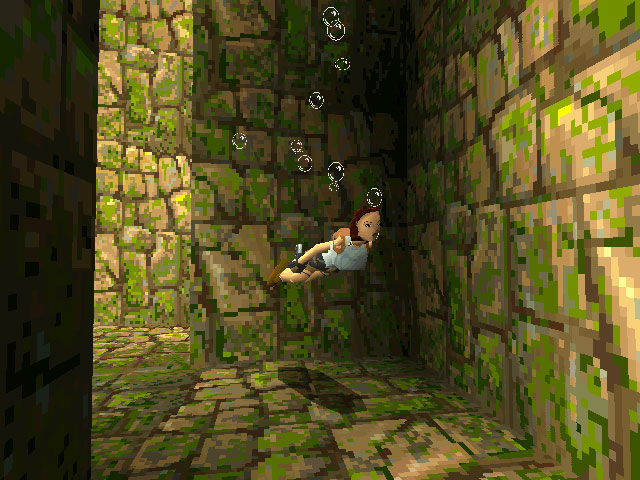
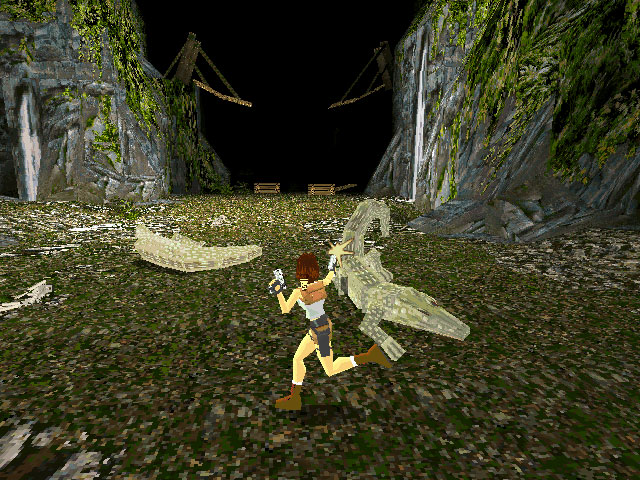
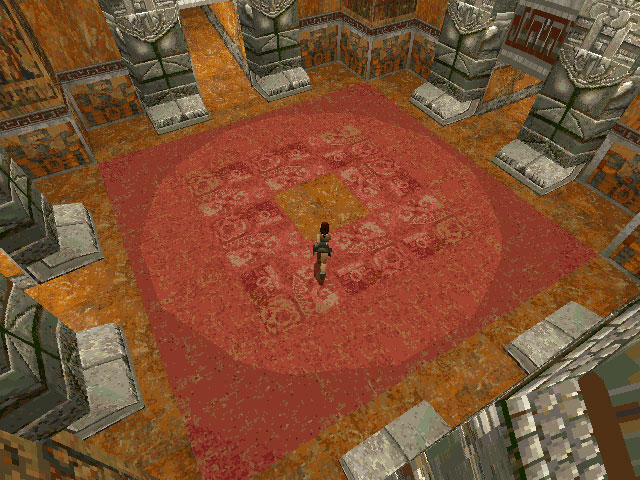
This beta shows Larson in the second level of the game. He normally appears in the fifth level of the game, Tomb Of Qualopec. You can see his gun is untextured, the star sprites are still present when Lara Croft shoots. They must’ve been experimenting with Lara competing against Larson in the first level so that Lara would get the scion before Larson, ordered by Natla would. You may have had to kill Larson before he kills Lara of course.
Also, in the Lost Valley, you can see that there are crocodiles which were deleted form the final. There are some minor level differences like the bridge debris, waterfalls in different places and missing dinosaurs.
——
Beta Stage – Date, 2nd July 1996
Platform: PC
This build, is similar to the one above in some aspects, it still contains the star gunfire. There are several texture issues which can be seen throughout the demo. In this build, the Diary was replaced with the Passport, the fonts are different, and the Golden Idol is positioned above the collapsible ledges where a health kit is in place in the final version. It also contains a debug option, the map allows the user to explore a birds eye, view of the entire level. It is currently unknown if it features anything else since it’s a self playing demo. Similarly, in the inventory, the Grenade is present, Core design decided they’d like to replace the Dynamite with a more modern explosive device, ‘The Grenade’. Also, the doors which open to the Caves aren’t actually there.
There are various texture bugs and pressing E/F will change some texture rendering options. Pressing Z will also initiate “DOZY” where Lara can swim throughout the level and it also replenishes health. The map feature is handy as it allows viewing of all rooms which have been visited dynamically.
——
Beta Stage – Date, 22nd July 1996
Platform: Sega Saturn
In the first video, there are several differences. Lara has her original costume (not gym), she has the ability to shoot. The level is called ‘Gym’, rather than Lara’s home, there is no voice overs, several collision issues (Lara can walk into objects), and there is no end trigger so the level cannot end. There is a bear in the gym room which isn’t there in the final version. In addition, it features a record demo option, this option isn’t functional like some of the other place holder options in the inventory screen. Level select is automatically unlocked like most other Tomb Raider Betas, however, this is only a 2-Level build. Notably, her footstep sounds are different, when she draws guns, multiple annoying sounds are played which is a glitch and was only fixed Late August 1996.
In the second video, there is pistol ammo. Core Design, planned for the Pistols not to be unlimited, there is ammo placed in various places of the level. The health bars are also different, the level is pretty much the same, just that the Golden Idol is placed elsewhere and that there is no end trigger. This version, also has the Grenade feature, once selected, it does not work since it’s a place holder option. Core Design, decided to scrap it, it is no longer present in builds after July 1996, removed possibly due to time running out.
In the third video i show you some unused models from the game including the doppelganger which shouldn’t even be in this level. She’s quite different as she moves a few seconds after Lara Croft.
——
Beta Stage – 2nd August 1996
Platform: Sega Saturn
——
Tomb raider development continues, this build still contains no Cut scenes, no FMVs. The grenade is also removed from this version, Pistol ammo is still present, they scrapped the Pistol ammo late August 1996. Again, the first video, is very similar to final, there is a missing slope, missing darts, and the buggy weapon draw issue is still present. Other than that, it’s pretty much the same as the final build. It is only a 4 level build.
Very similar to the final version, the doors have finally been added, where the Golden idol should be, the items from late July 1996, have been removed. It’s just an empty room.
In the third video, there is no entrance to where Lara comes from in the FMV, Pierre is missing from the game, Lara doesn’t have the ability to jump off slopes, the first secret at the top is missing. Some of the rooms such are very unfinished. Thor doesn’t have lightning, nor does the hammer appear to be there. In addition, the Damocles room has no swords which are supposed to drop then kill Lara.
In the fourth video, this level is also very similar to the final build, but it is also very buggy. Accessing certain parts of the level will result in a crash, some of the objects are texture less especially doors. Pierre still isn’t on this level either. When you complete any of the levels, it shows a deleted stats screen which shows how many rooms have been explored.
In the fifth video, I demonstrate the debug option camera freeze. It allows you to change from an automated camera to a frozen camera to check out Lara or play with a fixed camera etc.
In the sixth video, I show another hidden debug option which allows you to place the camera where ever you like.
——
Beta Stage – 16th August 1996
Platform: Sega Saturn
This is a demo, from the Sega Saturn preview vol, series. It is similar to the August build above, some bugs have been fixed, the weapon draw issue is no longer present, health bar colour is now final. All pistol ammo has been removed from the stage. The level ends after pulling one of the blocks. This is actually identical to the final version now. Just the ammo display text is different.
——
Beta Stage – 4th September 1996
Platform: PSX
This rare beta version of Tomb Raider for the PlayStation has different sound effects, those of which are exactly the same as the ones in the August, July beta versions for the Sega Saturn. There is also an ammo count at the top right of the screen which counts differently compared to the final. In addition to this, another difference is that the Golden Idol is in a different place. The save crystals are Gold but in the final they are purple. If you try to use one of them the game will freeze as the feature was not implemented yet. The title screen picture is also different.
——
Beta Stage – 4th September 1996
Platform: PC
Lost Valley
Tomb Of Qualopec
St Francis’ Folly
Colosseum
Palace Midas
Cistern
Tomb Of Tiohocan
City Of Khamoon
Obelisk of Khamoon
Sanctuary of the Scion
Natla’s Mines
An amazing FULL beta version located on a magazine disc. There are several differences but it’s very close to the final game.
——
Beta Stage – 26th September 1996
Platform: PSX
This is a video of a PS1 beta which is close to final. There are several differences such as names, inventory items missing etc. The controls are also similar to the Saturn version for some reason.
Editors:
1. SquarePulse
2. Gh0stblade
Change Log:
Gh0stBlade – Added very HQ 1995 screenshots.
Gh0stblade – Updated some small things 23/11/14
Gh0stblade – Added new videos PC Sept 4th footage 12/08/14
Gh0stblade – Added new footage and updated some areas 20/01/14
Gh0stblade – Added more info and fixed errors. 08/12/12
Gh0stblade – Added PSX Early September 1996. 08/07/12
Gh0stblade – Fixed mistake, added Early September 1996. 02/04/12
Gh0stblade – Added new footage, layout changed. 19/08/11
Gh0stblade – Added E3, August video footage + descriptions. 23/10/11
Gh0stblade – Added 12 videos, edited spelling errors and mistakes. 21/11/11
Gh0stblade – Added 2 new videos, screenshots. 24/11/11
Gh0stblade – Added 1995 images, Merged October/November, Fixed mistakes. 05/12/11
Gh0stblade – Added new alpha magazine scans (before May), changed date 08/12/11
Gh0stblade – Added Concept & Design 20/3/95, changed May/June 10/12/11
Images: