
You’ve probably been following Hytale from the sidelines for years. Now that Hytale is finally in early access, the game immediately challenges you with combat systems, crafting tiers, a vast planet to explore, and minimal guidance. This guide breaks down every major aspect of Hytale gameplay so you can understand exactly what you’re getting into.

What Is Hytale?
Hytale is a sandbox RPG developed by Hypixel Studios, the same team behind one of the largest Minecraft server networks ever. Development started in 2015, and the project has had quite a journey. Riot Games acquired the studio in 2020, then cancelled everything in June 2025. In November 2025, original creator Simon Collins-Laflamme bought back the IP and relaunched the game with 30 rehired developers.
Eight weeks later, Hytale hit early access on January 13, 2026, pulling nearly 2.8 million concurrent players on launch day. At its core, the game blends open-world sandbox freedom with structured RPG progression. You explore a procedurally generated planet called Orbis, fight enemies with skill-based combat, craft gear across escalating tiers, and build anything block by block.
How the World of Orbis Works
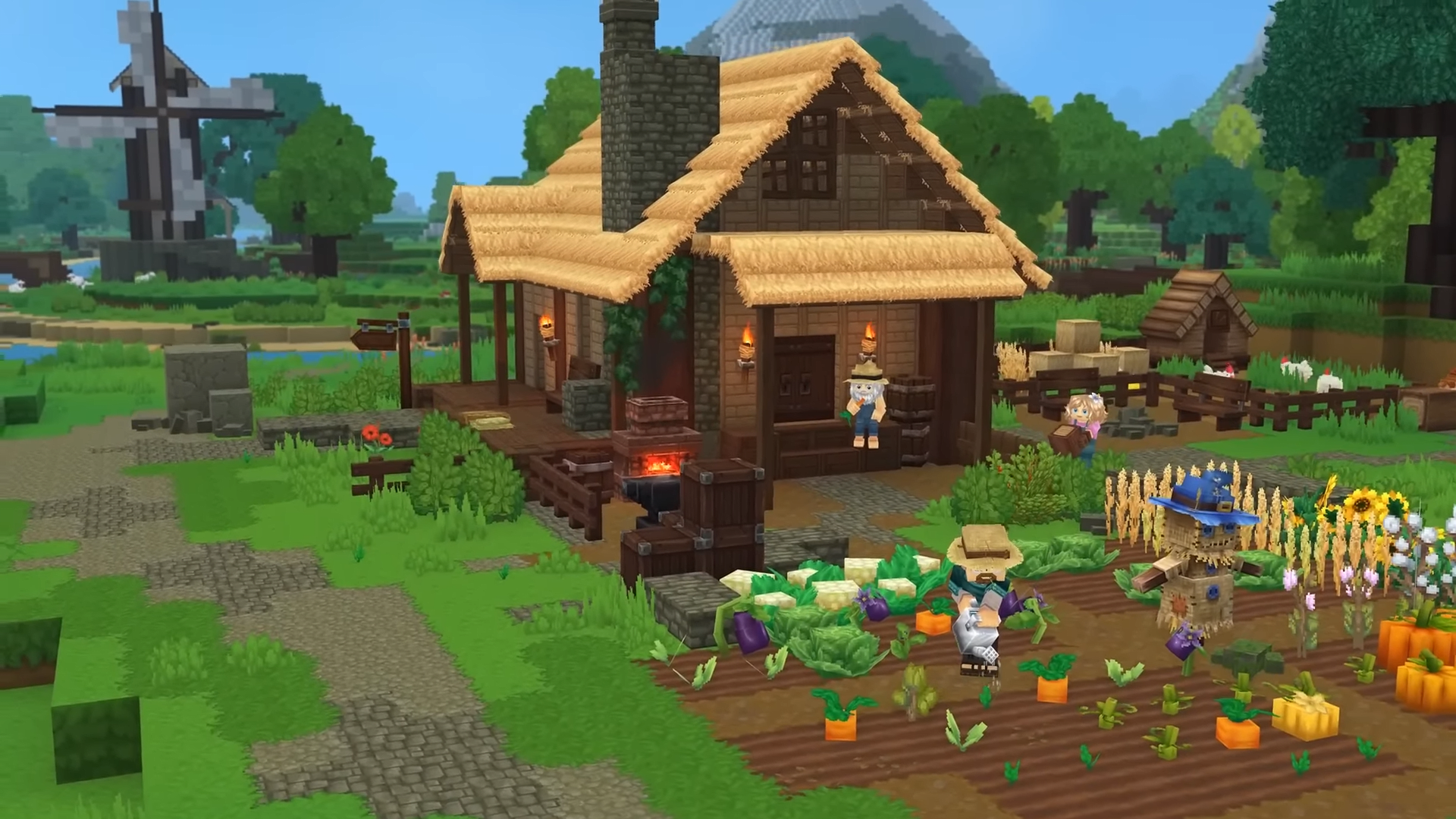
Orbis is divided into regions, each built around a handful of biomes tied together by a shared theme. The world generation layers handcrafted landmarks, dungeons, and environmental storytelling on top of procedural terrain. Every world feels different, but nothing feels random.
Emerald Grove is where most players start. It’s an area of open grasslands and rocky outcrops filled with early-game resources. Whisperfrost Frontiers introduces ice biomes with tougher enemies that drop Essence of Ice for advanced crafting. Devastated Lands ramps the challenge further with fire-themed enemies and rare materials.
The game is specifically designed for multiplayer gameplay from its inception. You can explore solo or with friends, and players who want a persistent world can set up dedicated servers through Hytale hosting providers to have full control over world settings, difficulty, and who can join. Players can adjust the experience to suit their preferred play style.
The Two Modes Available Now
Hytale gameplay currently revolves around two playable modes.
Exploration Mode is where most players spend their time. This is the survival-meets-adventure experience where you gather resources, craft gear, fight enemies, and push through increasingly challenging regions. This mode follows a structured sandbox approach, similar to games like Terraria: Otherworld, which was also aimed at this type of experience before being shelved. There’s no traditional quest log yet, but a clear sense of progression pulls you forward through biomes, gear tiers, and boss encounters.
Many players are drawn to survival-sandbox games for their open-ended challenges. The survival-sandbox space has no shortage of ambitious projects that never shipped, so early execution matters. There’s no traditional quest log yet, but a clear sense of progression pulls you forward through biomes, gear tiers, and boss encounters.
Creative Mode is the unrestricted sandbox. There’s no health, hunger, or resource limits. You get access to every block, tool, and entity in the game, as well as professional-level building and editing tools. A full narrative-driven Adventure Mode and competitive minigames are both on the roadmap.
Here’s a quick comparison of what each mode offers:
| Feature | Exploration Mode | Creative Mode |
| Health & Survival | Yes | No |
| Resource Gathering | Required | Unlimited access |
| Combat & Enemies | Yes | Spawnable, configurable |
| Building Tools | Basic crafting | Full editor suite |
| Gear Progression | Tiered crafting | Instant access |
| Best For | Adventure players | Builders & modders |

Combat: Way More Than Button Mashing
If you’re coming from Minecraft, Hytale’s combat will surprise you. It’s closer to an action RPG, with weapon-specific movesets, charged attacks, stamina management, and signature abilities.
Every weapon uses the same control layout: left-click for basic attacks, hold left-click to charge, right-click to block, and Q to trigger your signature move once you’ve built enough energy. Six weapon types are fully playable right now:
- Swords: One-handed, versatile, and beginner-friendly. Swords pair well with a shield or torch in your offhand.
- Daggers: Extremely fast with a pouncing charge attack. Great for hit-and-run fighting.
- Great axes: Slow and devastating. Wide swings hit multiple enemies at once.
- Maces: The slowest weapon, but delivers massive damage, with a jumping area slam as the signature move.
- Shortbows: Charged ranged attacks with a triple-shot signature ability. Easy to craft early.
- Hand Crossbows: Rapid-fire ranged option with a powerful single-shot signature move.
One critical detail: attacking does not consume stamina, but blocking does. Aggressive play is rewarded as long as you manage your blocks. Boss encounters feel more like MMO fights than typical survival-game brawls, with telegraphed patterns that punish careless positioning.
Crafting and Gear Progression
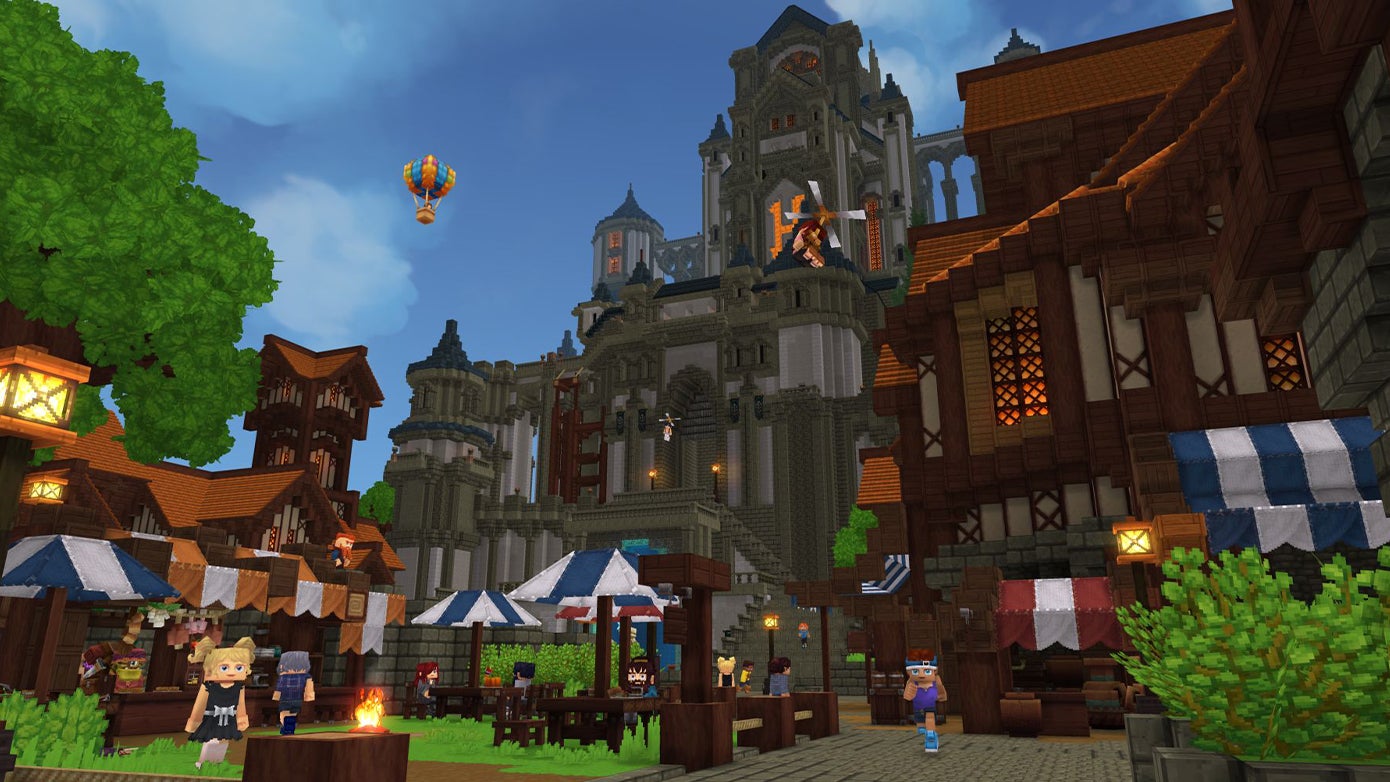
Hytale gameplay is built around tiered progression. You start scrounging sticks, rubble, and plant fiber for crude tools. From there, proper workbenches unlock better recipes. Both weapon and armor forges can be upgraded through multiple tiers, each requiring specific resources.
The material progression follows a clear power ladder:
| Tier | Material | Power Level |
| 1 | Copper | Weakest |
| 2 | Iron | Moderate |
| 3 | Cobalt / Thorium | Strong (roughly equal) |
| 4 | Adamantite | Current best |
An Essence system adds another layer. Essence of Life drops from plants and animals during the daytime, while Essence of Void drops from demonic creatures at night. These fuel advanced crafting and NPC trades. Leather from animal hides, Light, Medium, and Heavy depending on creature size, is equally important for armor upgrades.
The Memory System (Don’t Skip This)
Near your spawn, you’ll find a Forgotten Temple with a statue that activates the Memory System. Once active, every creature you encounter generates a memory token you can trade for permanent upgrades at the Heart of Orbis.
The catch is that it’s not retroactive. Creatures encountered before activation won’t count. The community consensus is unanimous. Visit the Forgotten Temple first. Craft a crude sword and grab berries for healing before you go, because a golem guardian stands between you and activation.

Creative Mode and Modding
Creative Mode includes powerful tools that go way beyond simple block placement:
- Scripted Brushes: Sculpt mountains, paths, and terrain features in seconds
- Shape & Paint Tools: Precise geometric building with full material control
- Prefab Editor: Save and load reusable structures across worlds
- Machinima Tool: Keyframe camera animation for cinematic recordings
- Customizable Flight: Toggle hover vs. directional mode, adjust speed and inertia
Modding runs even deeper. Hytale was built with the same tools shipped to players. Content packs let you add blocks, items, and behaviors through visual editors without coding. Blockbench is officially supported for 3D model creation, and CurseForge already provides modding support. Java plugins enable deeper mechanical changes.
What’s Coming Next
Planned features include Fragments of Orbis, craftable gateways that open temporary worlds with timed loot-extraction challenges. Full Adventure Mode with narrative quests is in development. New regions, biomes, and even alternate dimensions beyond Orbis are on the roadmap. The studio’s recent post on the future of world generation is worth reading if you want the technical details. The studio has secured funding for the next two years and has made a ten-year commitment to supporting the game.

Frequently Asked Questions
Is Hytale free to play?
No. Hytale costs $19.99 for the Standard Edition through hytale.com. Supporter and Founder’s Edition tiers offer extra cosmetics. There’s no free version, so be cautious of third-party sites claiming otherwise.
Can you play Hytale on console?
Not yet. Hytale is currently PC-only (Windows, macOS, and Linux) through its launcher. Console support is planned but has no confirmed timeline.
How does Hytale compare to Minecraft?
Hytale shares the block-building foundation but adds deeper skill-based combat, structured RPG progression across themed regions, a robust modding framework, and professional-grade creative tools.
Does Hytale support mods?
Yes, modding is a core feature. You can create content packs with visual editors or write Java plugins for deeper changes.
Can you play Hytale solo?
Absolutely. The entire Exploration experience works single-player. That said, co-op adds a lot, especially for tougher boss encounters where coordinating weapon roles makes a real difference.
Key Takeaways
- Hytale gameplay blends sandbox freedom with structured RPG progression across themed world regions.
- Two modes are live now: Exploration (survival/adventure) and Creative (unrestricted building).
- Combat features six weapon types with unique movesets, charge attacks, and signature abilities.
- Gear follows a clear material tier from Copper through Adamantite.
- Visit the Forgotten Temple early to activate the Memory System before exploring.
- The game deeply integrates professional-grade Creative Mode and modding tools.
- Major updates, including Adventure Mode, Fragments of Orbis, and new dimensions, are all planned.