
Gaming fashions can change quickly, but some games retain an audience for decades. Simple ideas grounded in nostalgia and strong, balanced gameplay can produce different experiences every time whether you’ve played a game twice or a thousand times. Nostalgia, technological updates and active communities add further reasons to return. Their endurance shows that novelty alone does not determine lasting value.
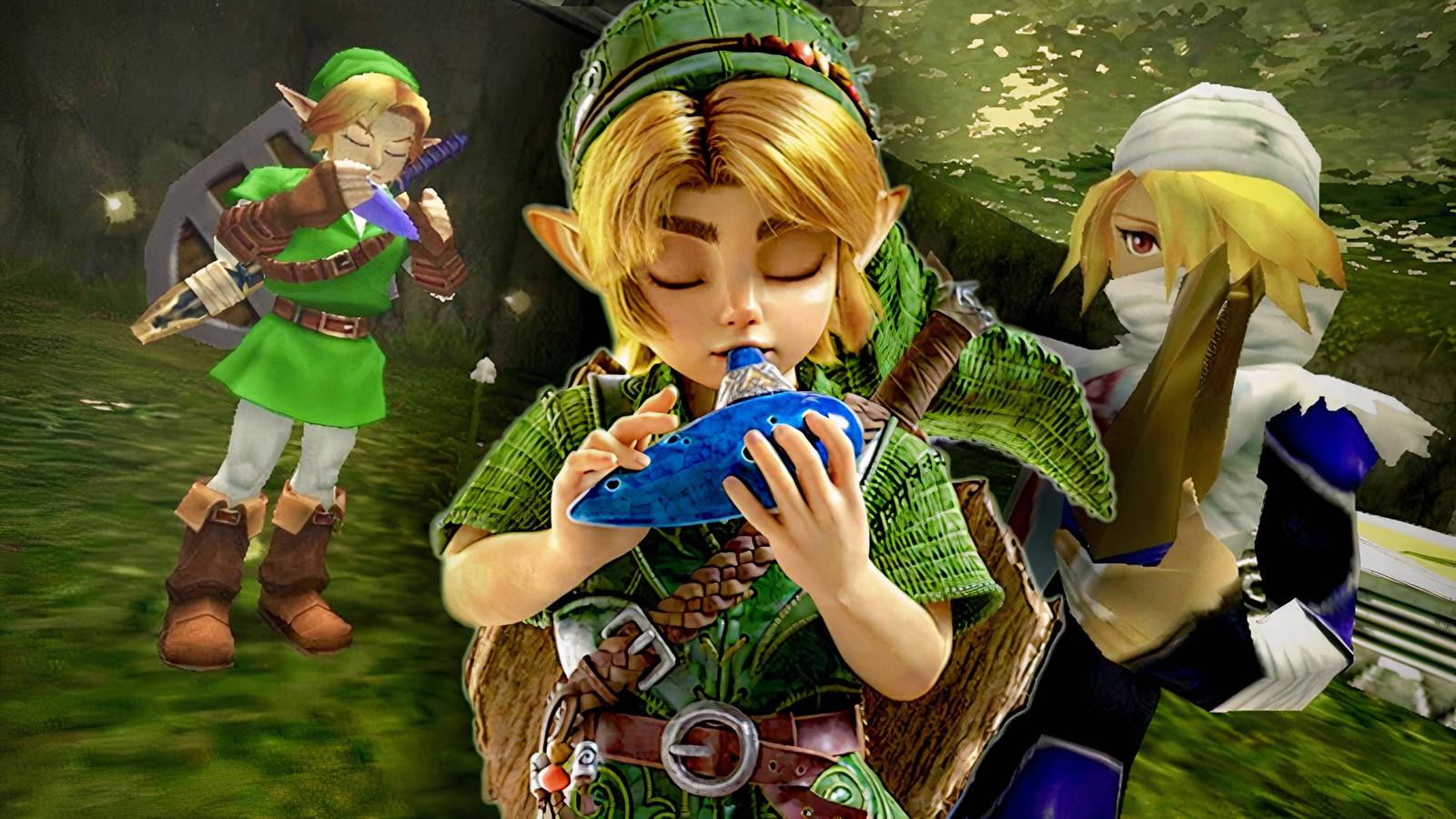
What Makes a Game Timeless?
Enduring games usually make their central rules clear without exhausting their possibilities. A newcomer can understand the objective quickly, yet changing layouts, decisions or opponents prevent every round from feeling identical. Chess, word games, falling-block puzzles and racing titles all demonstrate how a focused structure can support years of replay.
Strong feedback matters too. Clear feedback shows what each action achieves. Recognisable visual language, responsive controls and a satisfying rhythm help a game remain approachable. Timelessness often comes from refining a few coherent ideas.
The Power of Nostalgia in Gaming
Games can become attached to particular people, places and periods of life. Familiar music, artwork or movement can quickly reactivate those memories. This explains why original hardware, collections and reissued classics can sit comfortably alongside sophisticated new releases.
Nostalgia is not simply repetition either. Developers may preserve a game’s recognisable identity while improving performance, presentation or controls. Sales of retro consoles rose by more than 30% during 2025, alongside renewed interest in remakes, remasters and even revamped older hardware.
How Technology Keeps Classic Games Relevant
Technology can remove barriers between an older title and a modern audience. Remasters adapt graphics and interfaces for current screens, while mobile versions make familiar formats available on commonly used devices.
Online features give established games new possibilities. Multiplayer matchmaking, shared challenges and downloadable updates can expand an original design without replacing its foundations. However, preservation still matters: account requirements, discontinued servers and licensing changes can make digital releases difficult to access. Thoughtful modernisation should keep the defining experience intact rather than simply adding features.
Why Social and Competitive Play Still Matters
Games involving other participants rarely unfold in exactly the same way twice. Cooperation, conversation and friendly competition create variation even when the board, map or rules remain unchanged. Private groups, organised events and moderated forums can build lasting communities around a shared format.
For adults aged 18 and over, enduring formats may also include regulated online bingo and online slot games with familiar themes. These are gambling products and must remain distinct from conventional games. Players should establish firm time and spending limits, use account controls and consider cooling-off tools to reduce the risk of any gambling-related harm.
Ultimately, games last when their foundations remain satisfying while their context evolves. Technology may change the size of the screen and communities may introduce fresh encounters, but a clear, adaptable idea gives people a reason to return again and again year after year.