www.unseen64.net

Blog

  • Hybrid Heaven [N64 – Beta / Tech Demo]

    hybridheavenlogo.jpg

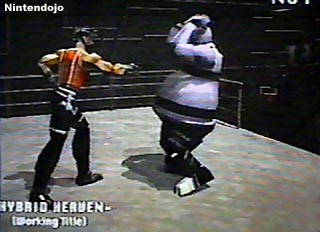
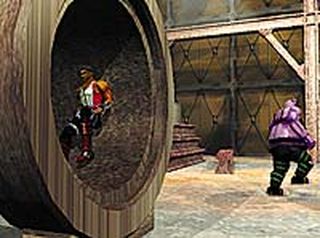
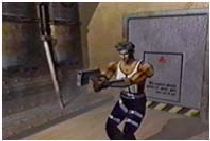
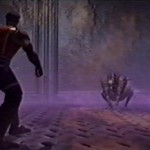
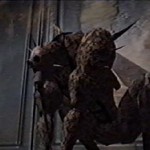
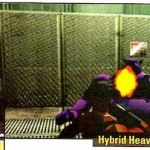
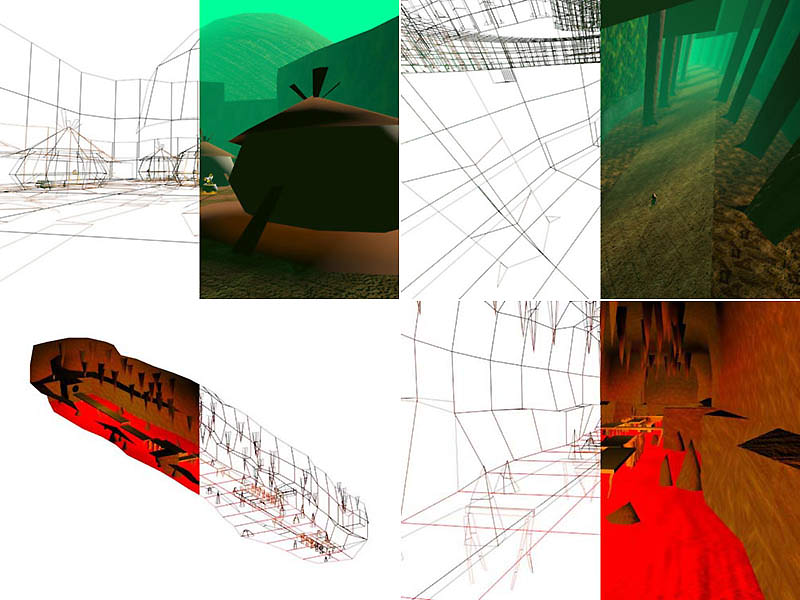
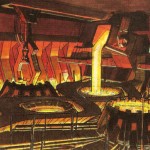
    Konami was one of the first software houses to announce full support for the Nintendo 64, after the happy and profitable experience with the SNES. In addition to Castlevania 64, one of the first games announced for the console was Hybrid Heaven, a strange cross-game between Turn-based RPG, action, adventure and fighting, that promised an open ended gameplay.

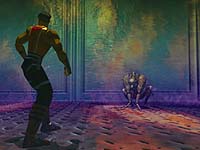
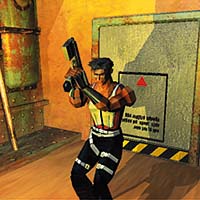
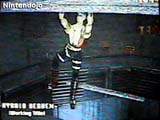
    In the early images and videos released, the project had an incredible graphic for its time, much more definited than the one in the final version.  When Hybrid Heaven was finally released after many delays, players found themselves in front of a very different game, graphically poor and with a linear gameplay.

    Probably the early media released were just Concept Renders and when Konami started to create the game on the real N64 hardware, they found out that it was impossible to reach such level of details. We dont know exactly how many parts were removed (some places and characters seen in the concept renders were not in the final game), but we can speculate that the developers had to heavily cut the project, because their original concept was too ambitious for its time.

    italian_flag.jpg [spoiler /Clicca qui per la versione in Italiano/ /Nascondi la versione in Italiano/]La Konami fu una delle primissime Software House ad annunciare il pieno supporto alla nuova macchina a 64 Bit di casa Nintendo, dopo le felici e redditizie esperienze con lo SNES. Oltre al precedente Castlevania 64, uno dei primi giochi annunciati fu questo Hybrid Heaven, strano incrocio fra RPG a turni, azione, esplorazione e picchiaduro. Dalle primissime immagini il titolo faceva graficamente paura e sembrava avere tutte le potenzialità per divenire l’ennesima Killer Application per l’N64. Eppure, quando il gioco finalmente venne completato dopo anni di ritardi, i giocatori si trovarono davanti un prodotto molto diverso, graficamente povero e dalla giocabilità fin troppo lineare. Del progetto originale probabilmente si era salvato ben poco.[/spoiler]

    Images:
    Videos:


  • Jeff Gordon XS Racing [Cancelled]

    jeffgordonlogo.jpg

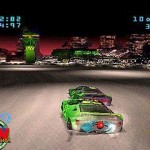
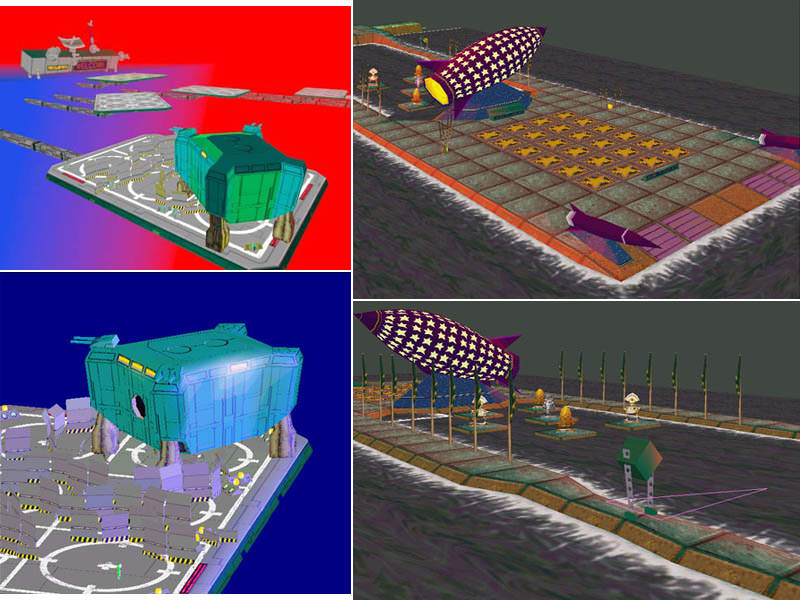
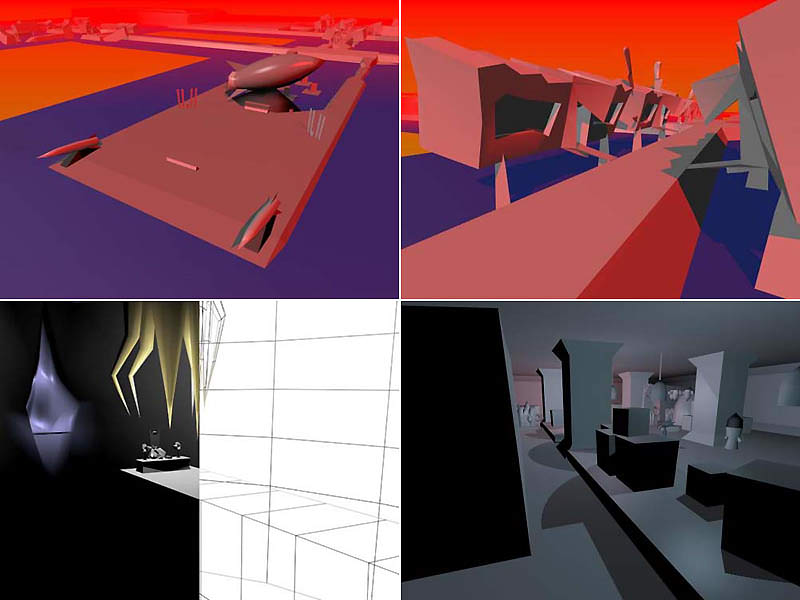
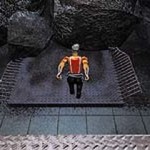
    Jeff Gordon XS Racing is a racing game released in 1999 for PC and GBC, but originally planned for Nintendo 64 and Playstation too. Jeff Gordon is a champion of NASCAR and he would have been the mentor of the player in the training mode of JGXS. Despite ASC announced a very realistic physics and AI for each car, the final PC version,  probably identical to the cancelled versions, it’s only a mediocre arcade game. Since the Nintendo 64 and the PSX had already  a lot of good racing games, perhaps cancelling the home console versions of Jeff Gordon XS was a wise decision.

    italian_flag.jpg [spoiler /Clicca qui per la versione in Italiano/ /Nascondi la versione in Italiano/]Jeff Gordon XS Racing è un oscuro gioco di guida, uscito nel 1999 per PC e GBC, ma originariamente previsto anche per Nintendo 64 e Psx, a cui appartengono gli screenshots che trovate in questa pagina.

    Il grande campione delle corse NASCAR, Jeff Gordon appunto, avrebbe fatto da mentore al giocatore per il training e poi da caparbio avversario nelle gare del gioco. Certamente c’era ben poco che facesse sperare in un titolo quantomeno interessante. Nonostante ASC avesse annunciato una fisica particolarmente realistica e una AI diversa per ogni auto in gara , il prodotto finito su PC, identico alle versioni cancellate a parte la grafica, è soltanto un anonimo arcade. All’epoca non poteva neanche contare su una cosmesi all’altezza degli altri esponenti del genere su computer.

    Siccome il Nintendo 64 poteva già vantare una serie di imbarazzanti titoli di guida, forse la cancellazione di Jeff Gordon XS è stata la decisione migliore che ASC potesse mai prendere nella sua carriera. [/spoiler]

    Images:
  • Starshot: Space Circus [N64 – Beta]

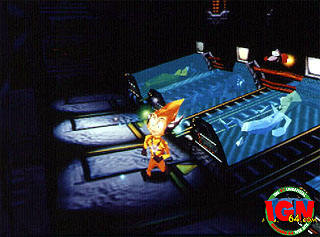
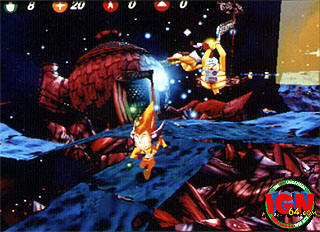
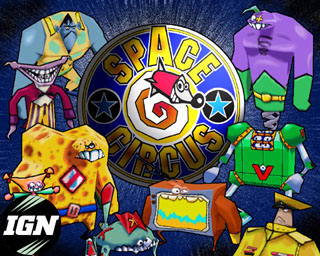
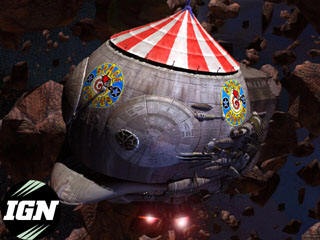
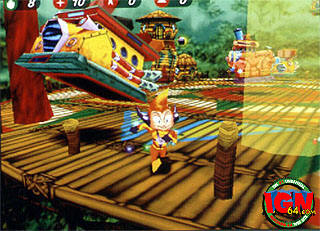
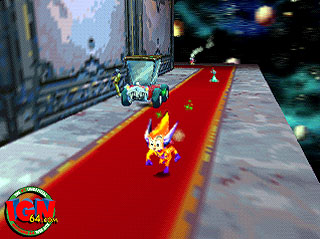
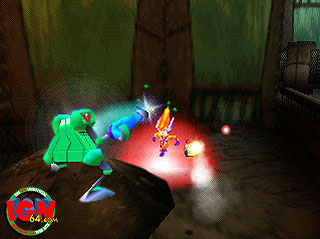
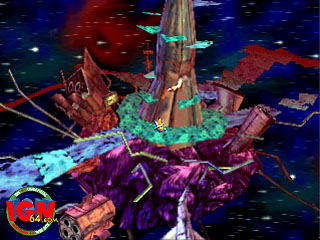
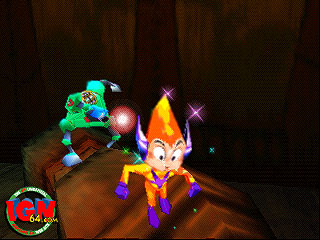
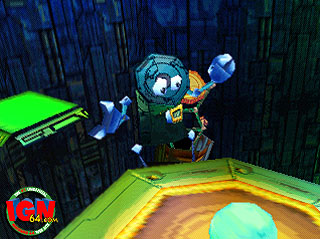
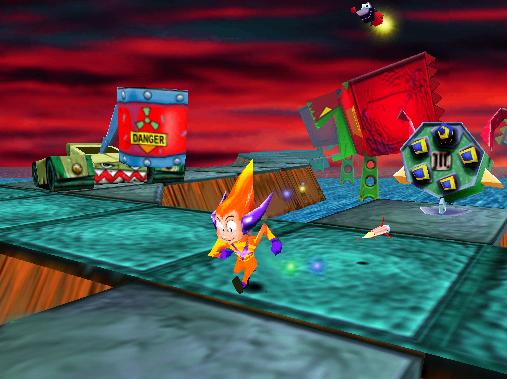
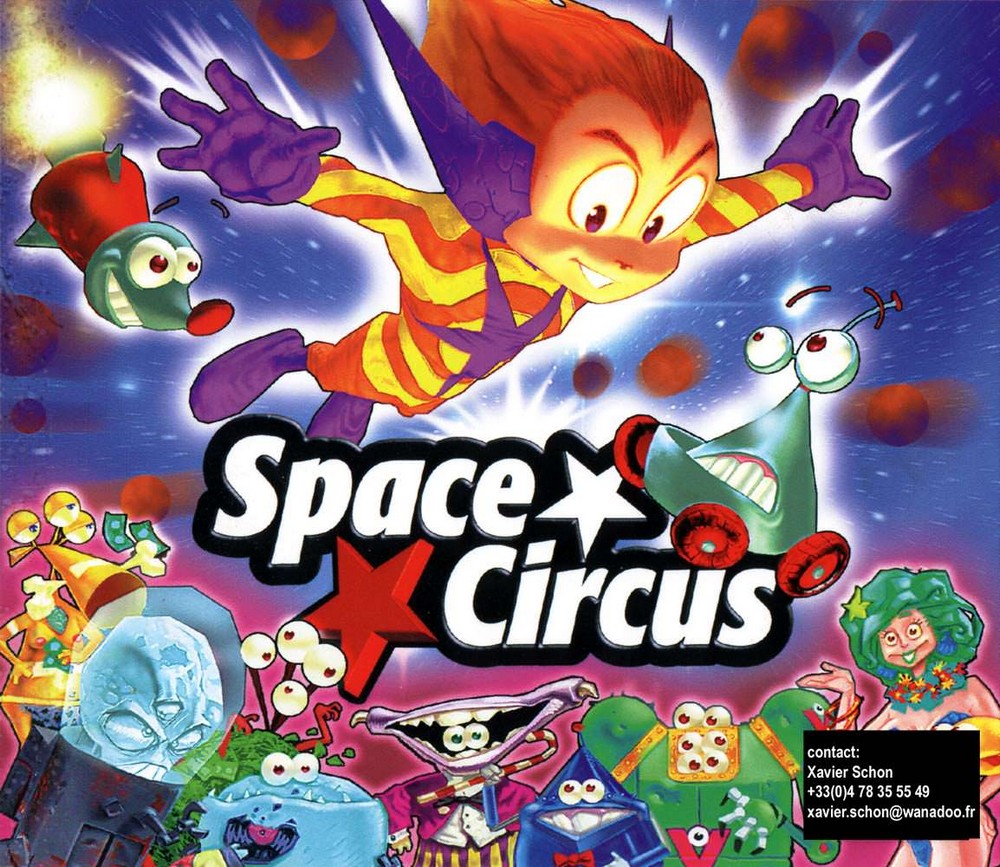
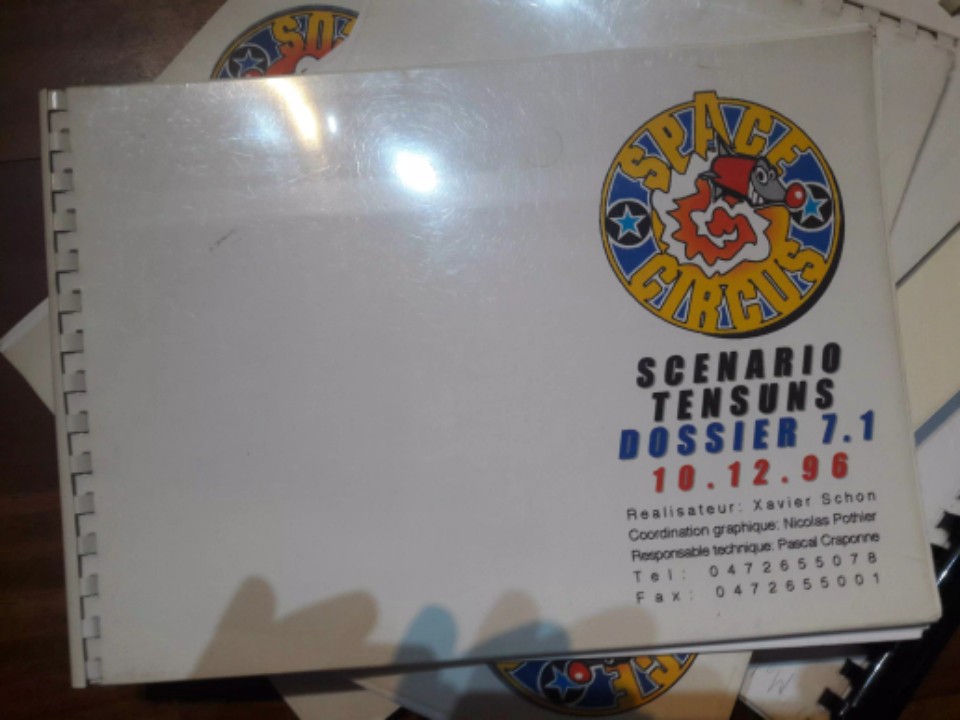
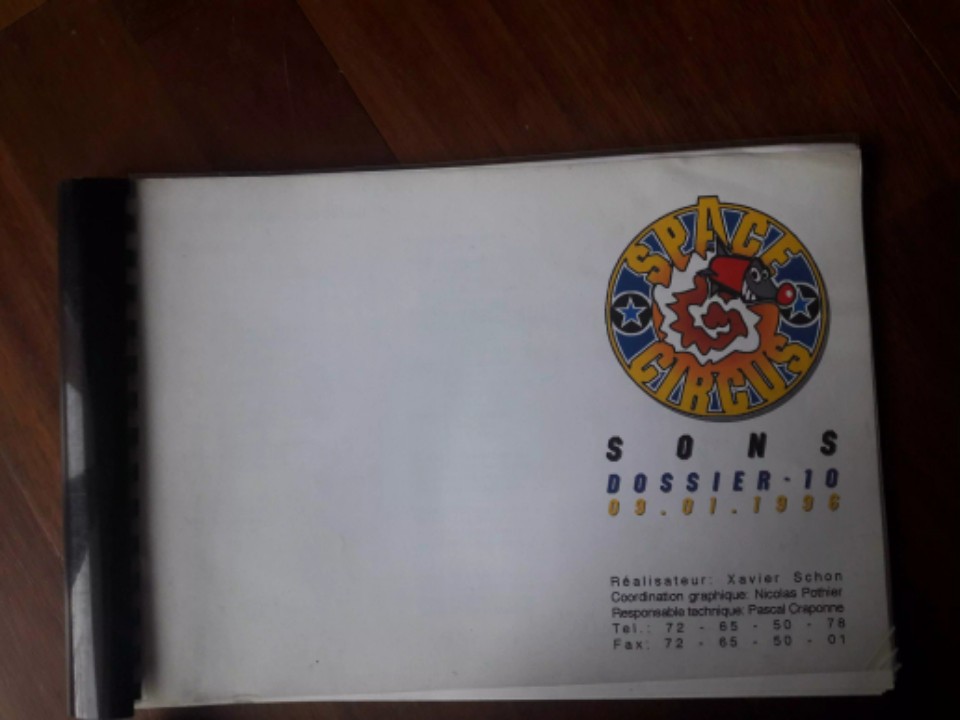
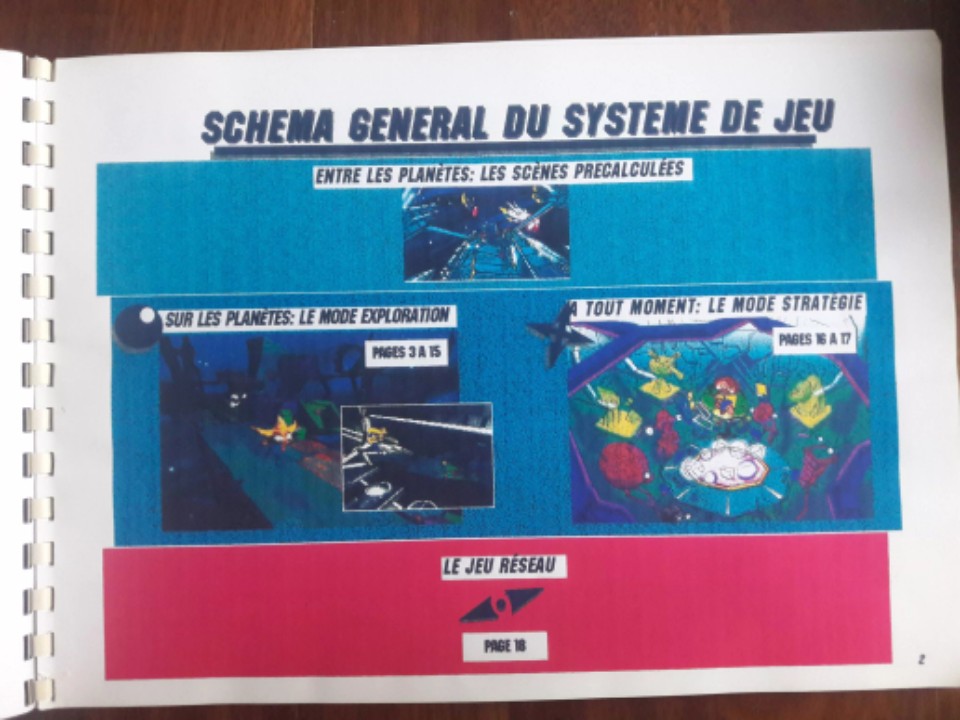
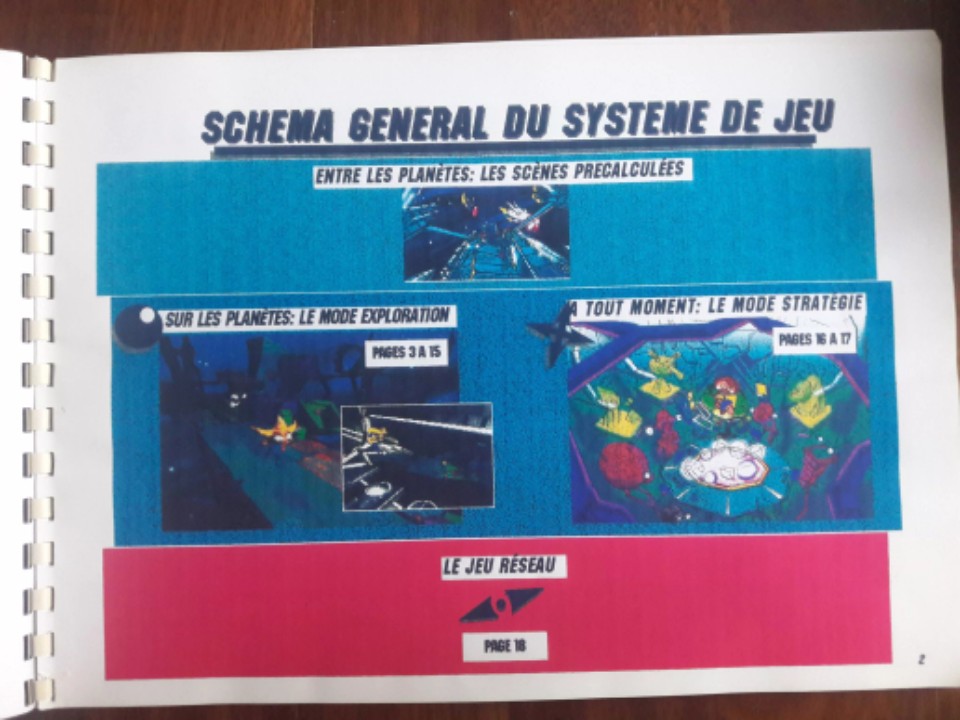
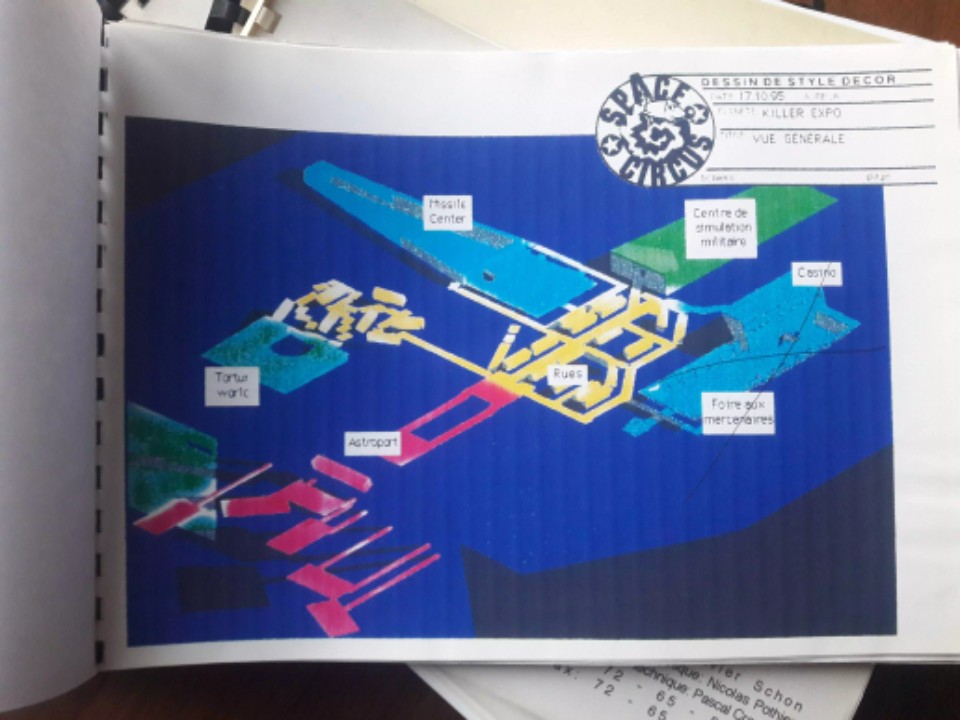
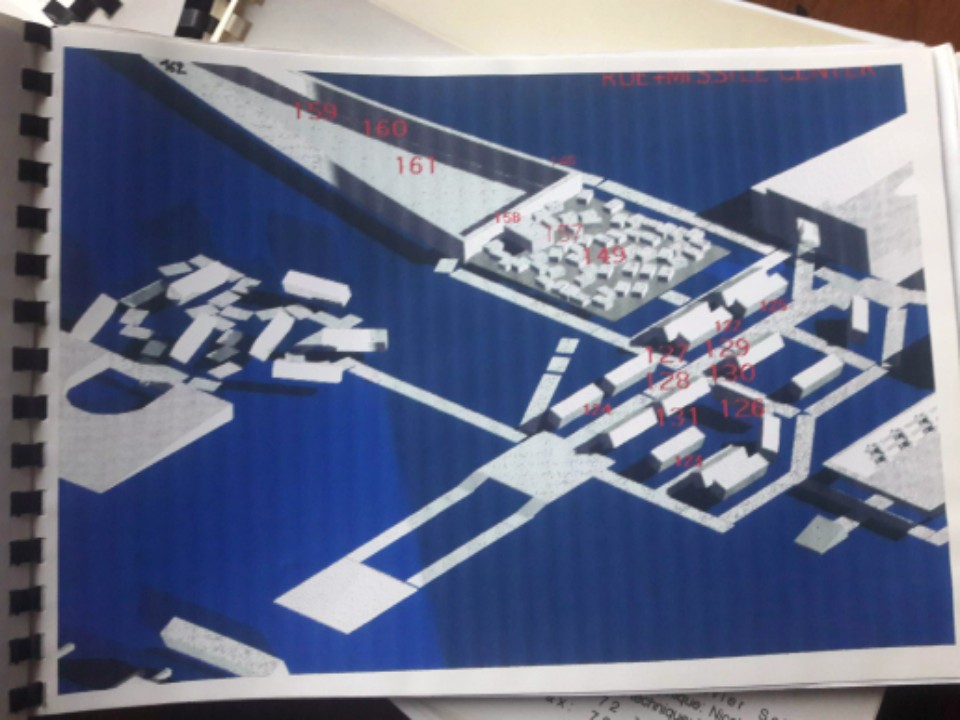
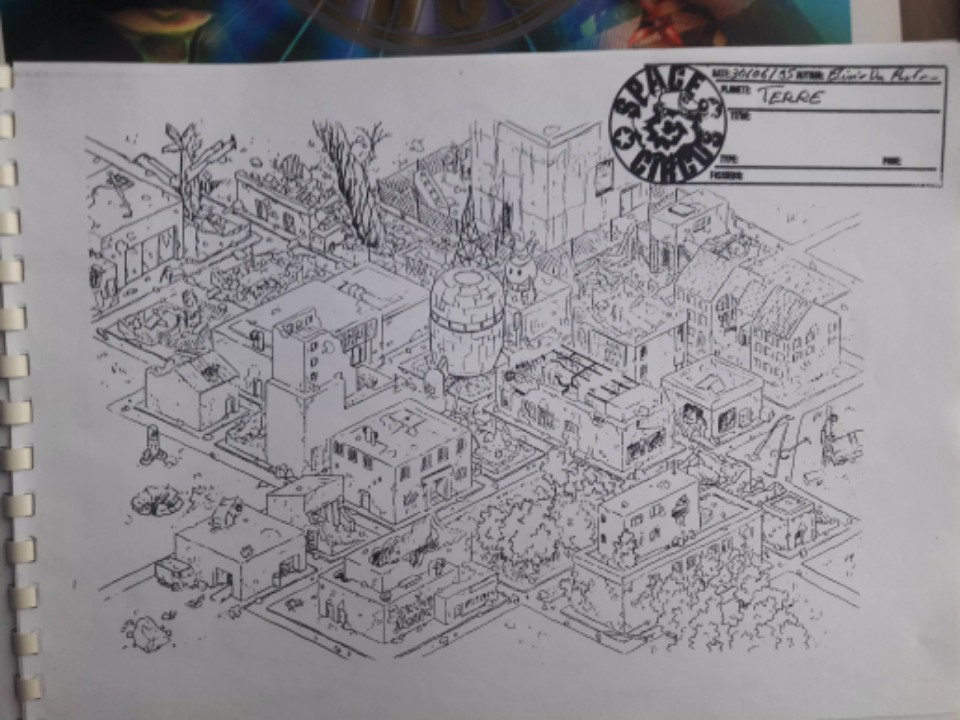
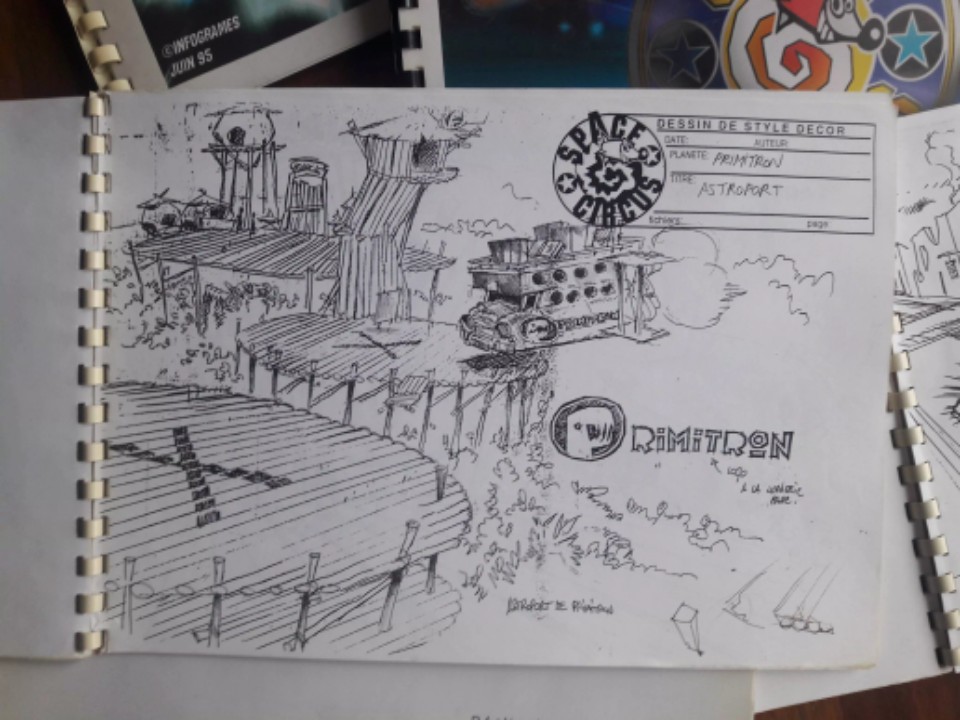
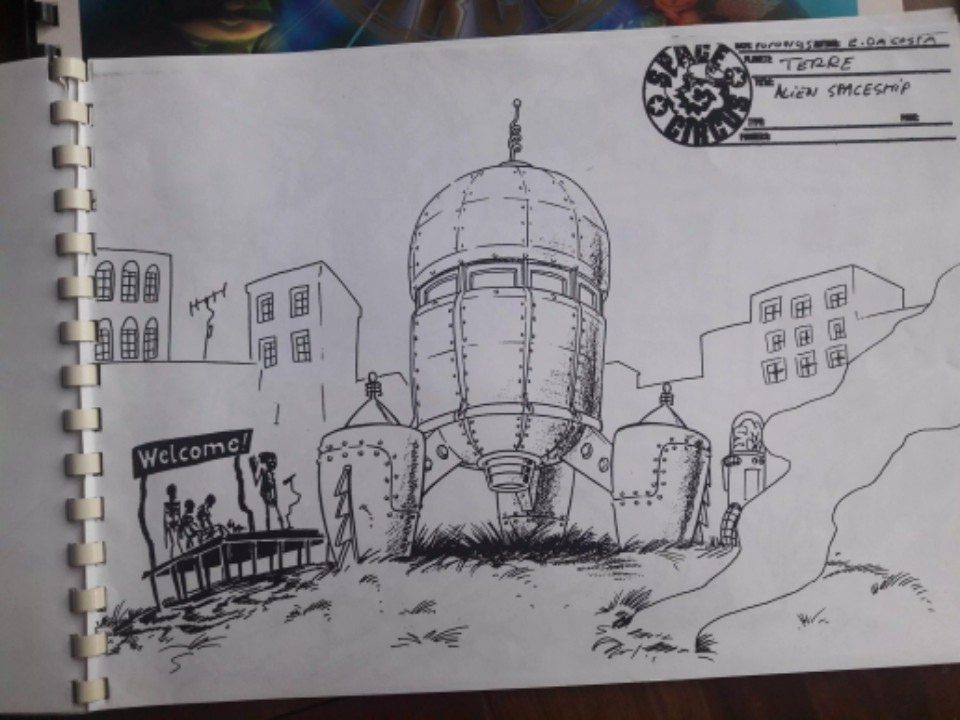
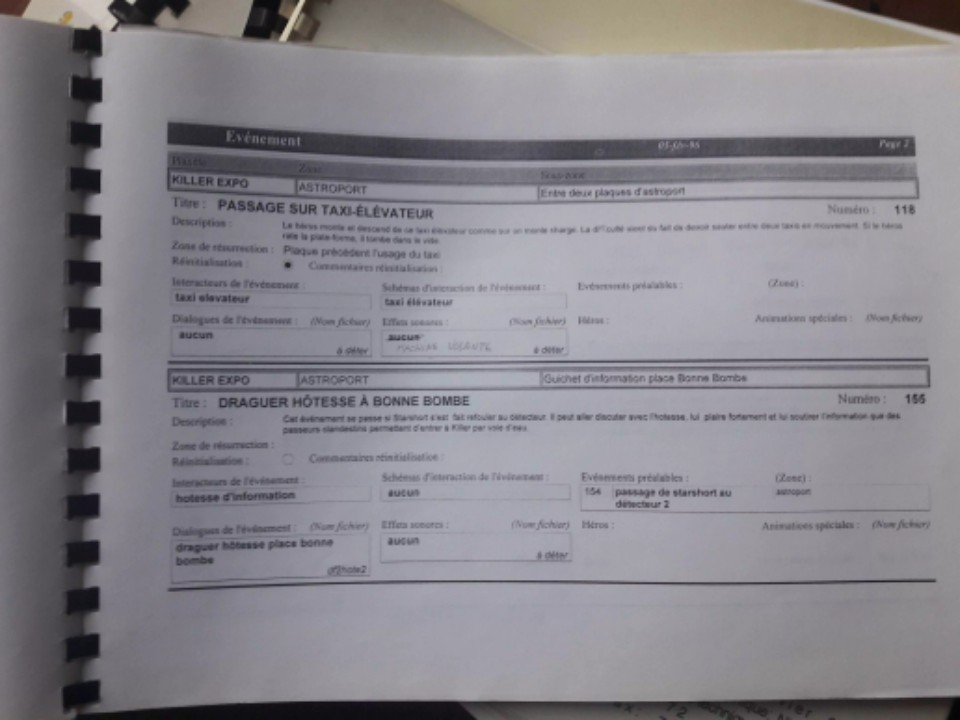
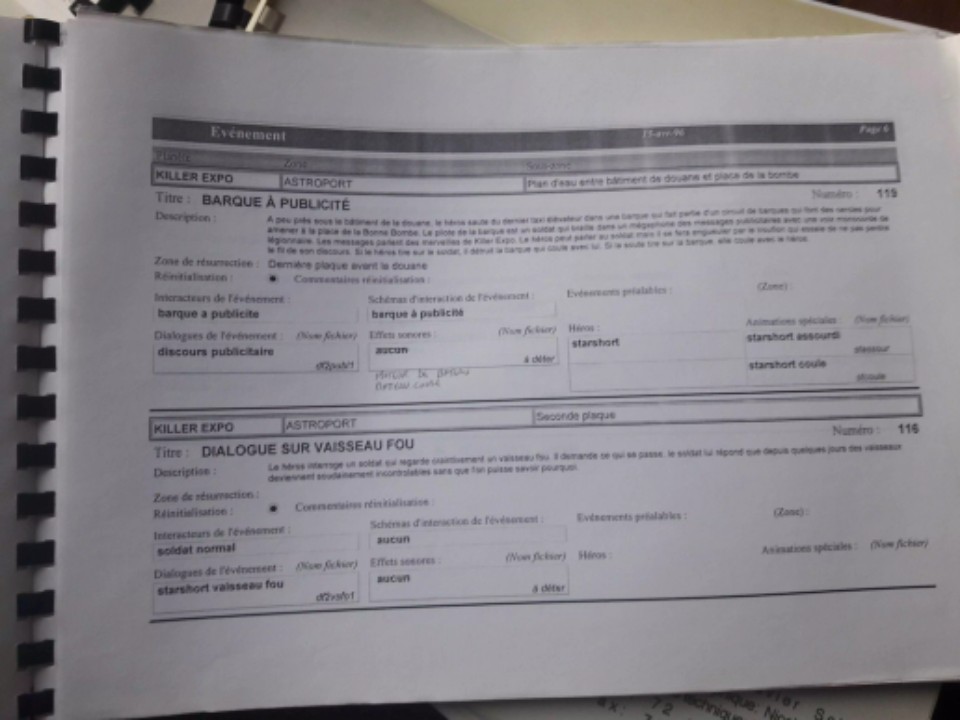
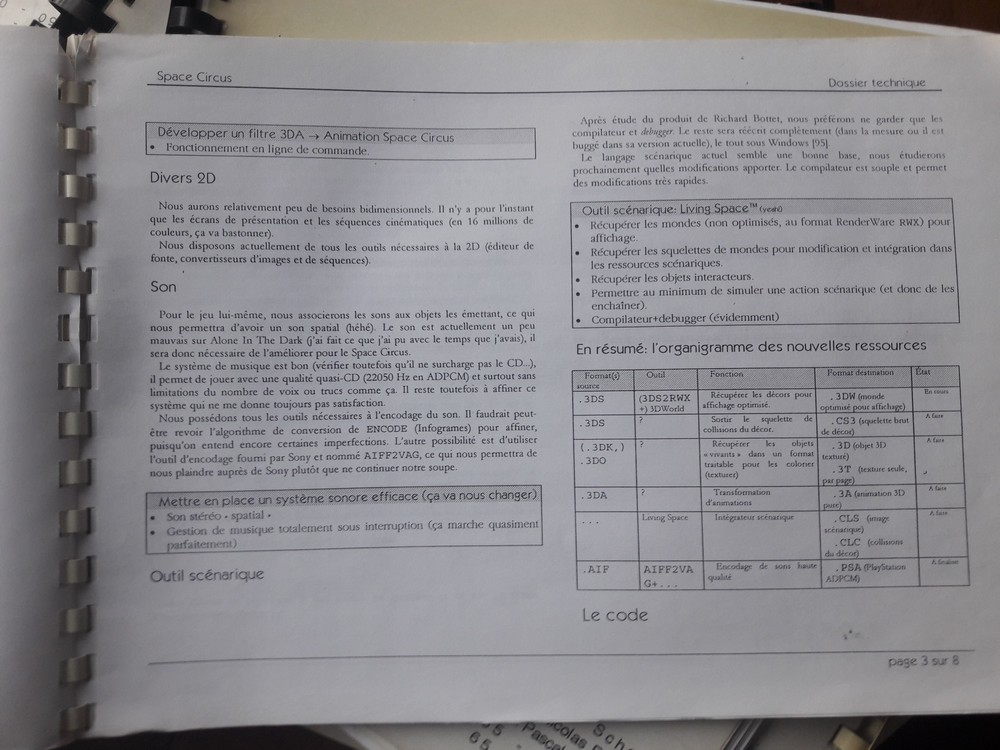
    Starshot (under its original title Space Circus) was first conceived in July of 1994 by Xavier Schon, who worked for Infogrames since 1989 as a graphic artist and game designer. He sent around 10 game concepts to Infogrames management between 1992 and 1995, with Space Circus being the 1 which got off the ground due to it being a unique new concept, a 3D platformer. He sent management 3D concept drawings in July 1994, with management finally approving the idea 10 months later in April 1995. At this time the Nintendo 64 was not formally announced so the game was set for a PlayStation release as well as PC, though the PlayStation version would eventually be cancelled due to hardware concerns.

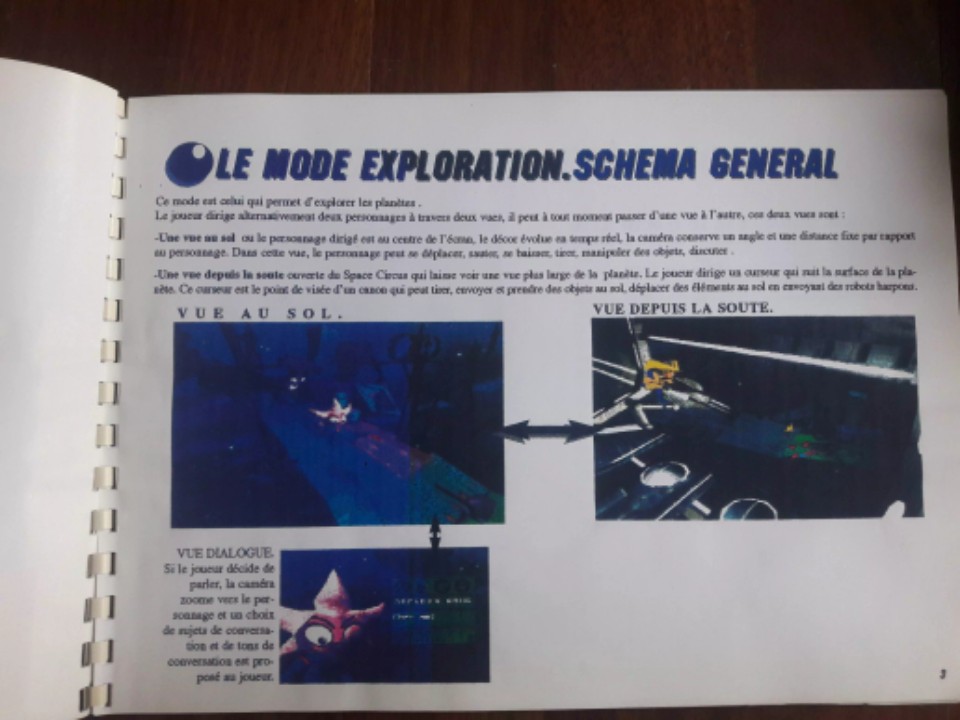
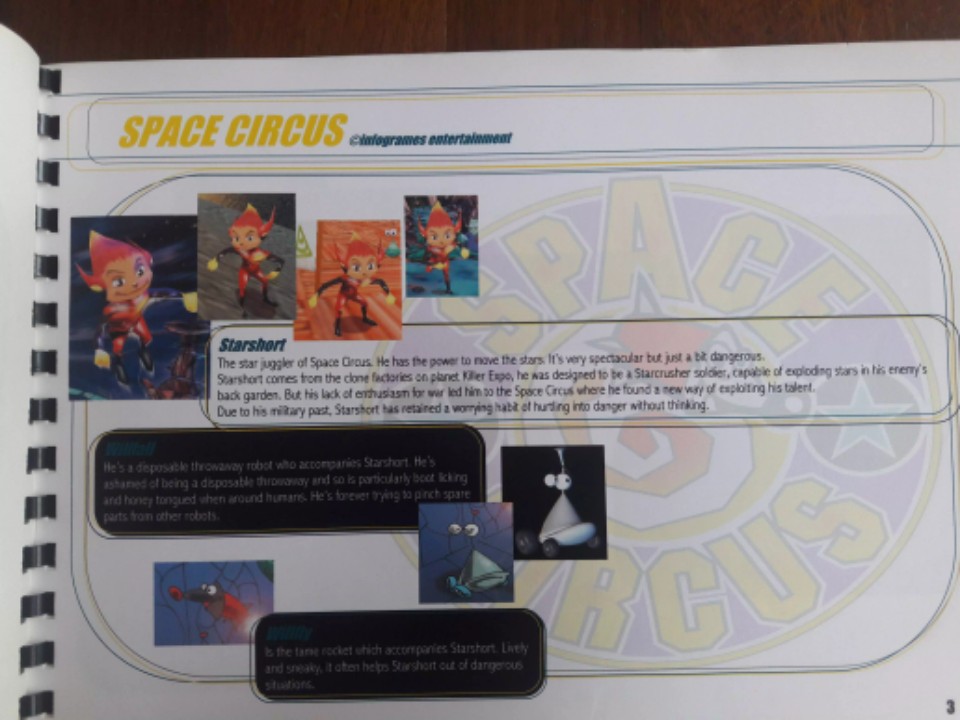
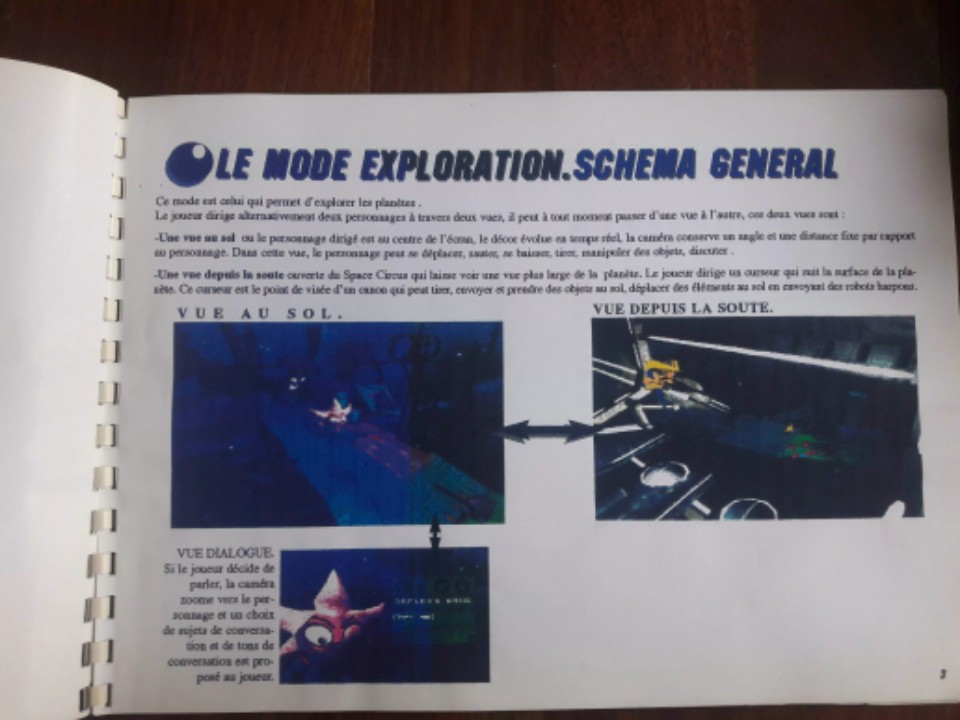
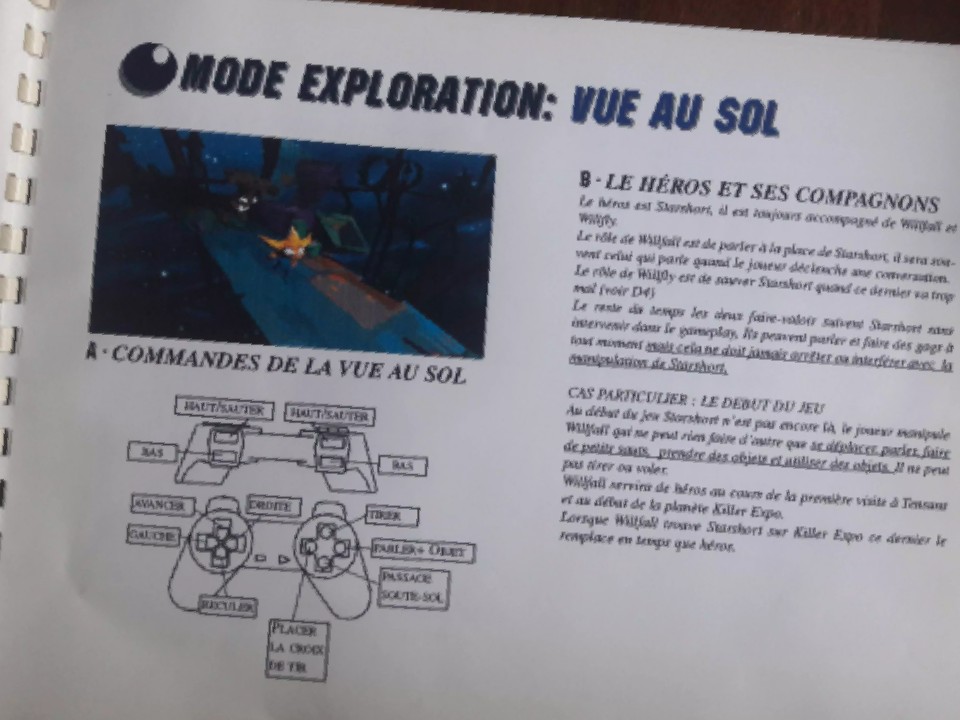
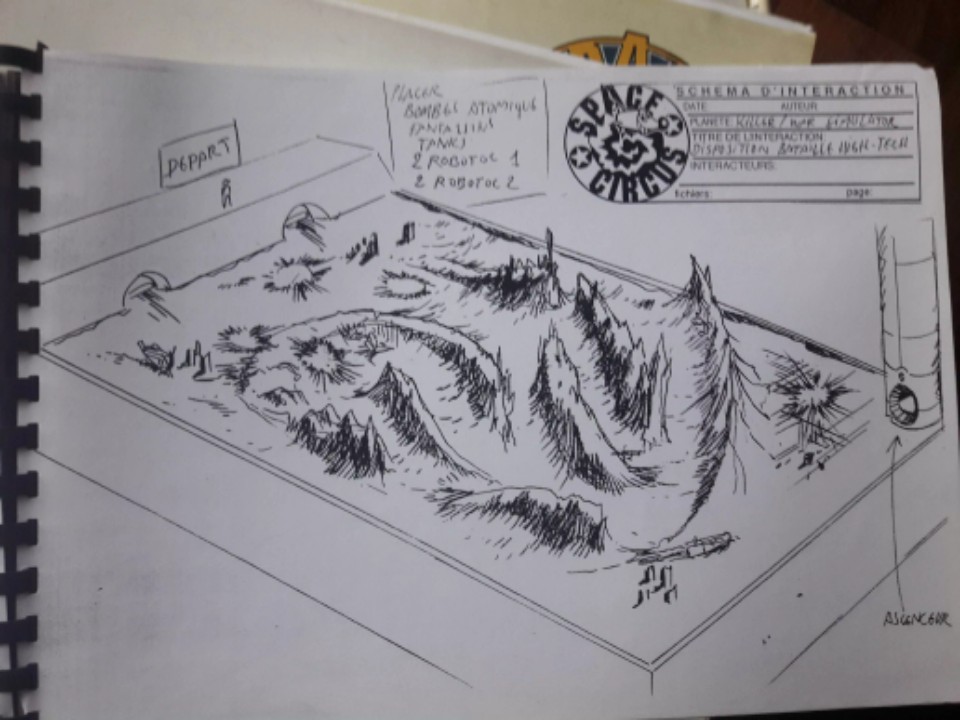
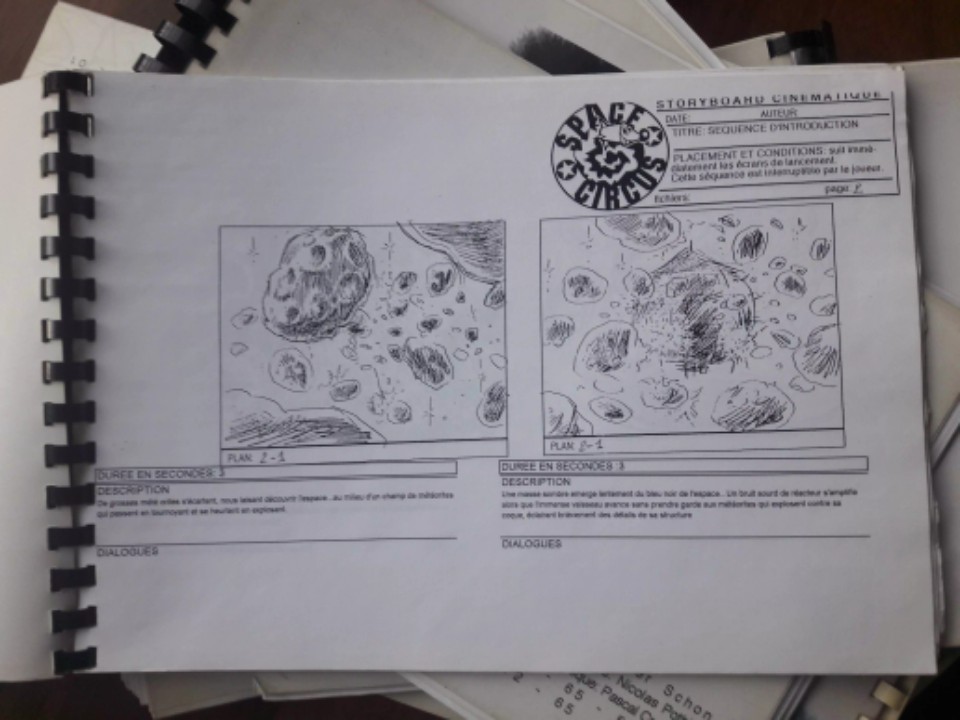
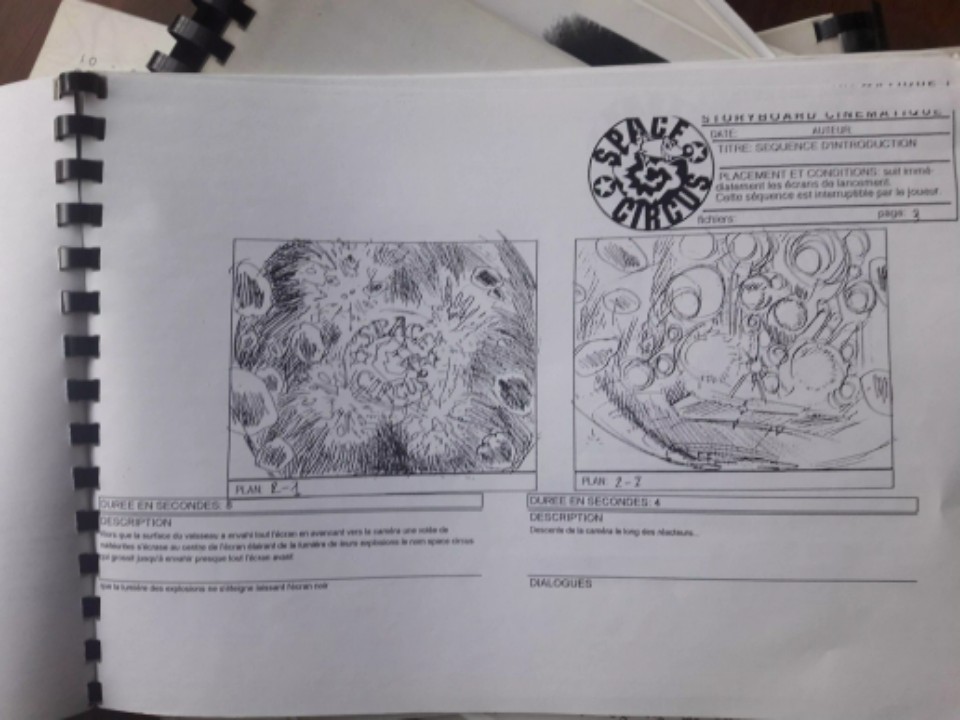
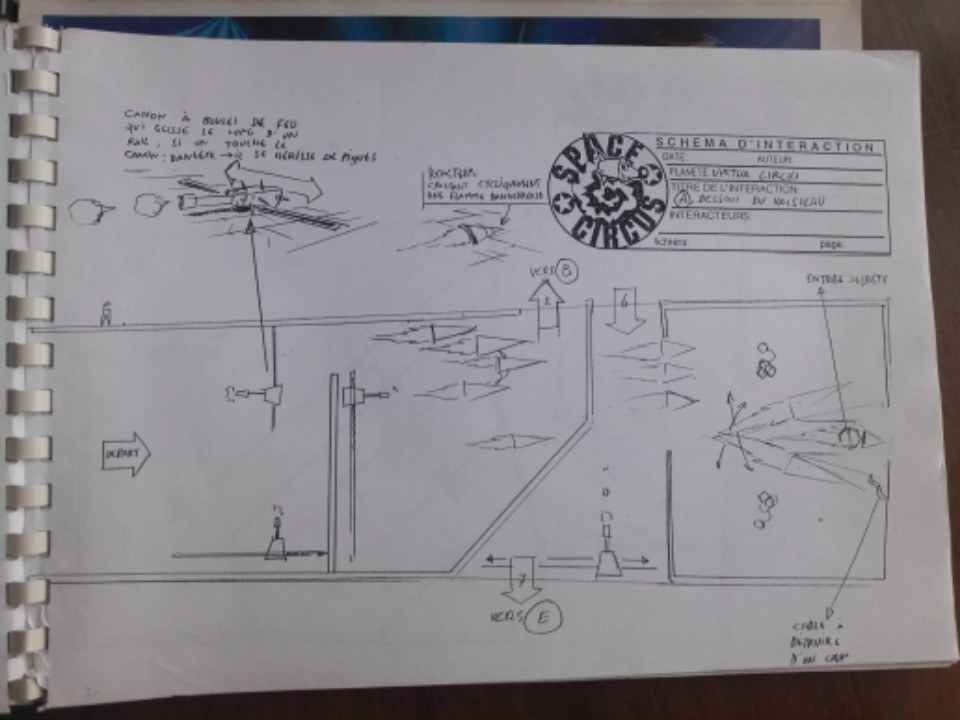
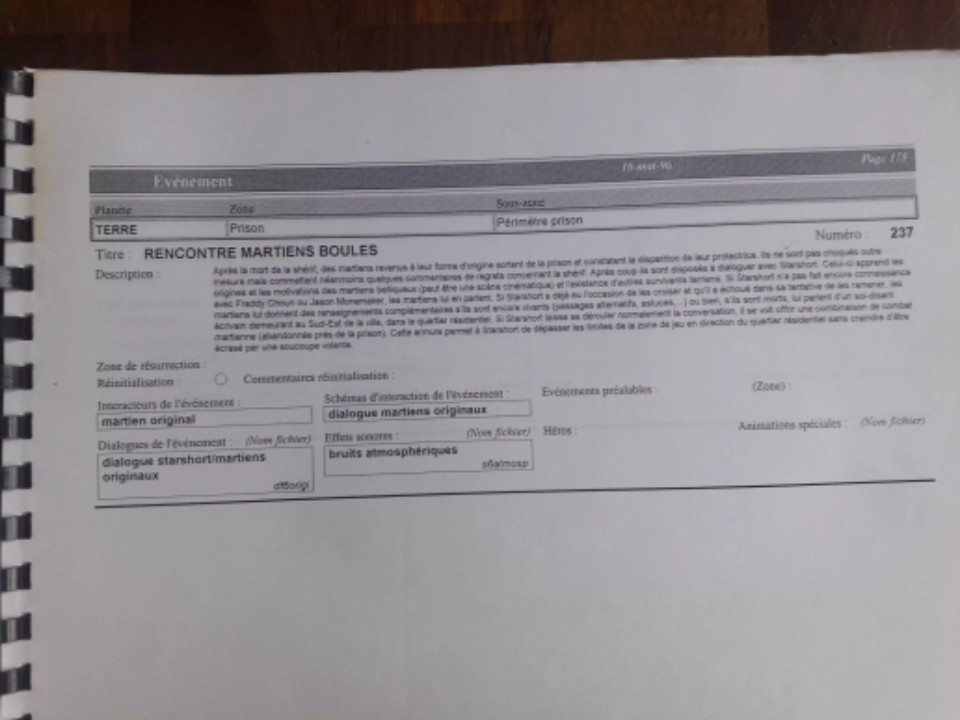
    Once approved Xavier was given another Infogrames employee and they were tasked to make a 3D CGI video to show management what gameplay would look like. Some screenshots of this video exist in the design documents which show a different Starshot design and an unused mechanic of controlling other characters or objects, such as a large cannon which could shoot objects or possibly defend Starshot. In May 1996 Infogrames and Nintendo agreed on a Nintendo 64 version.

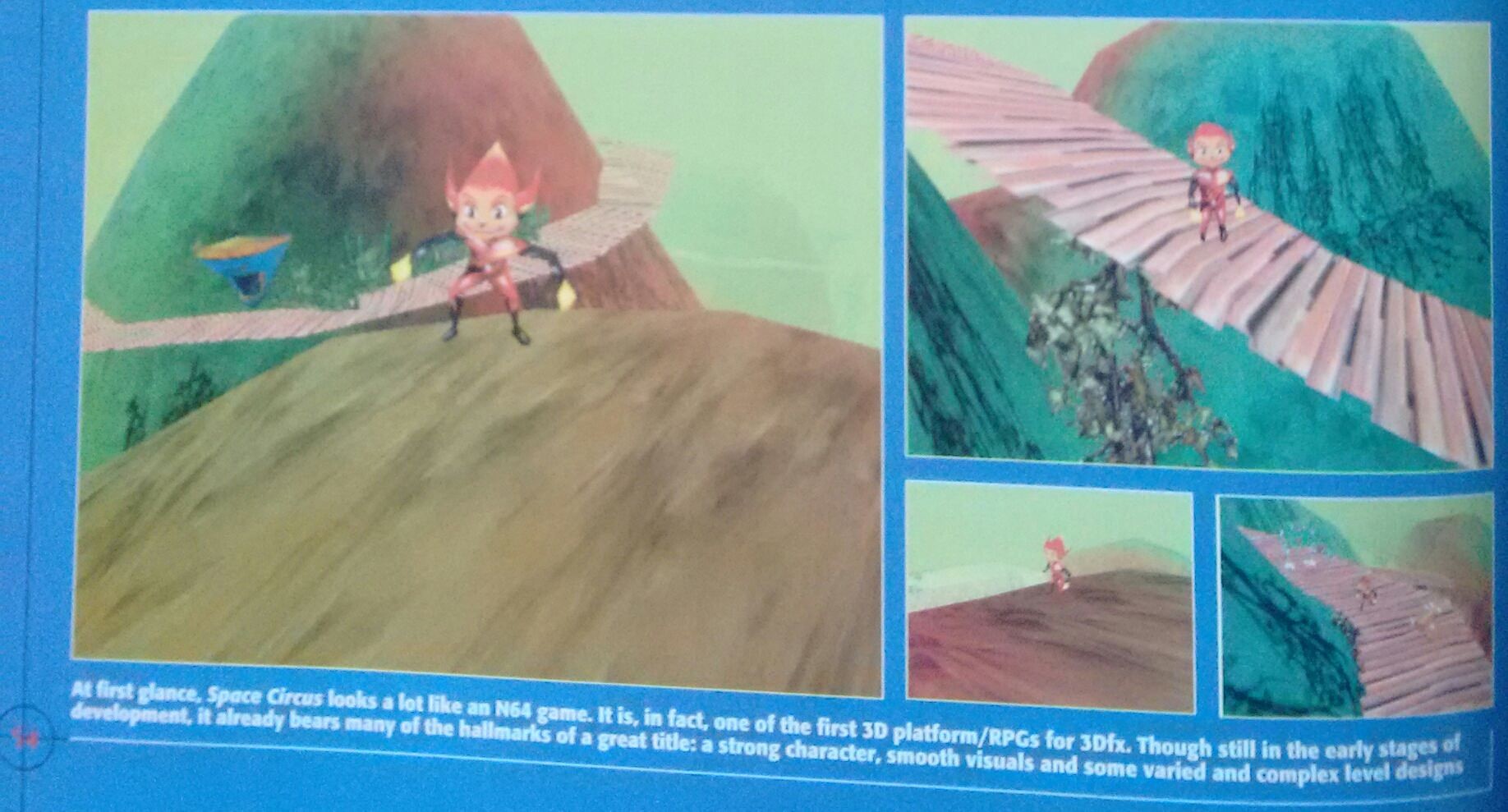
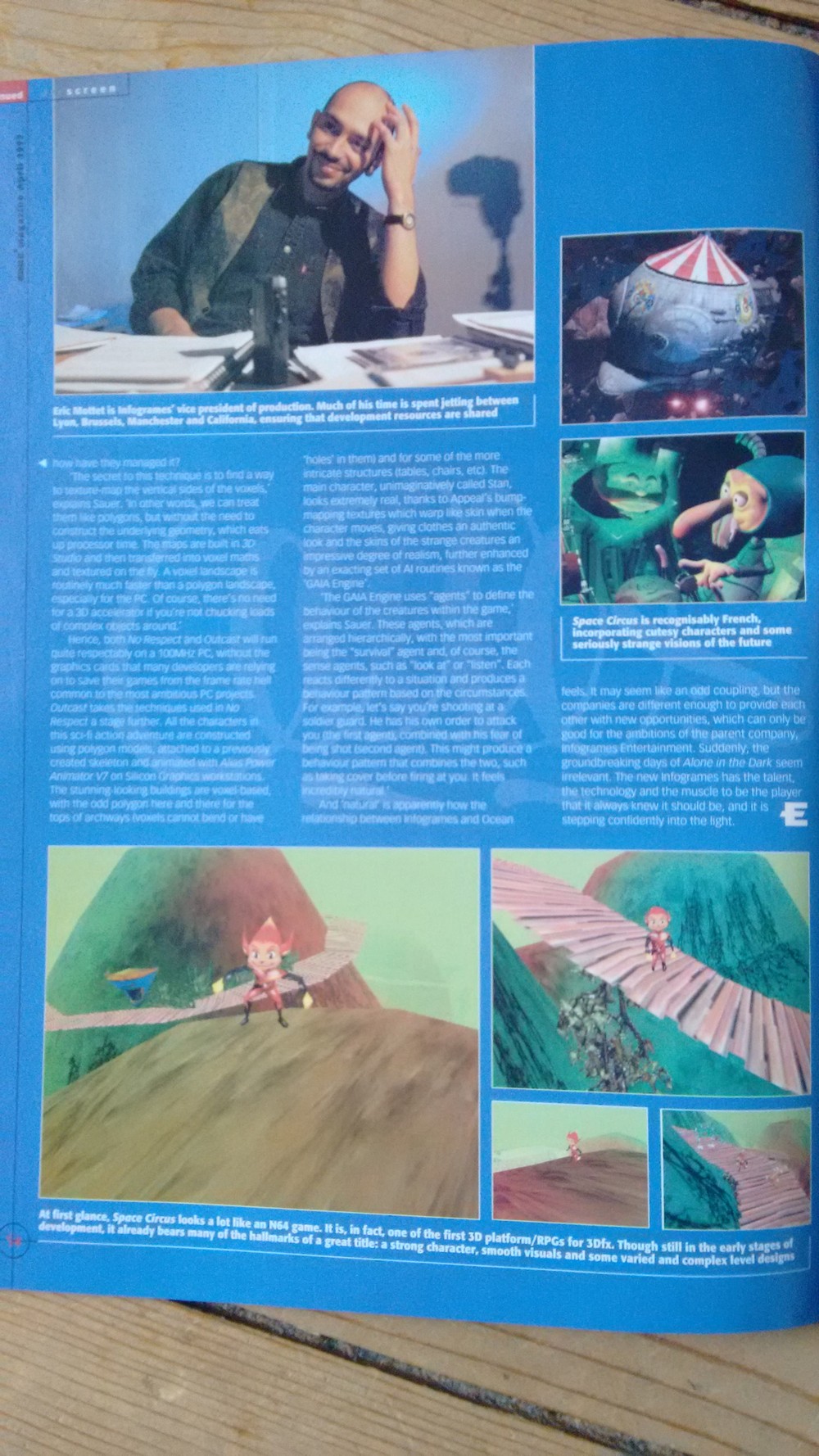
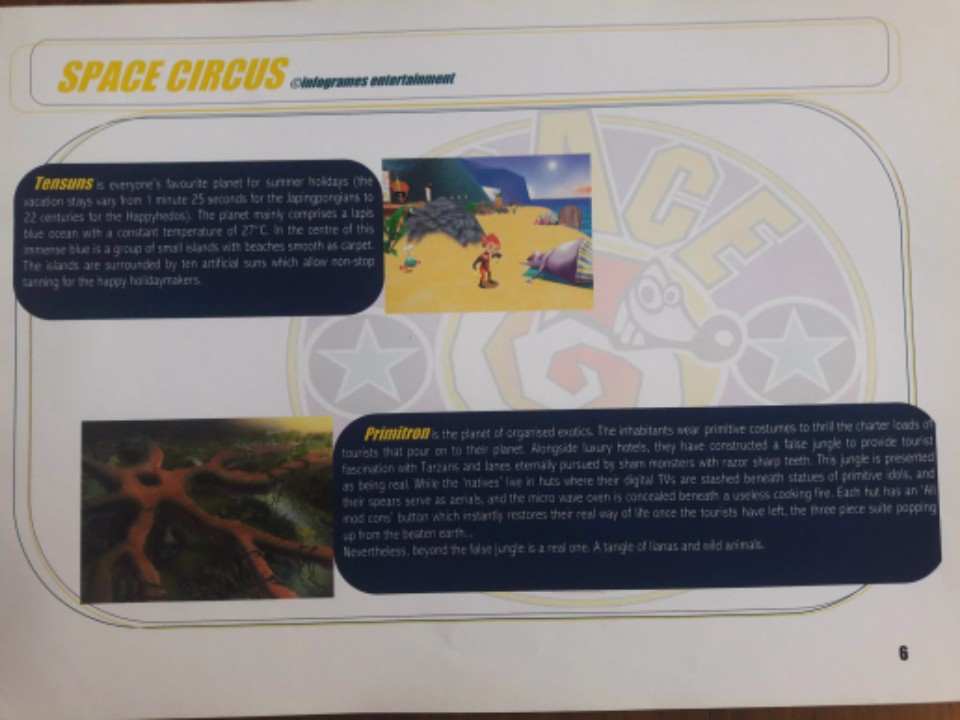
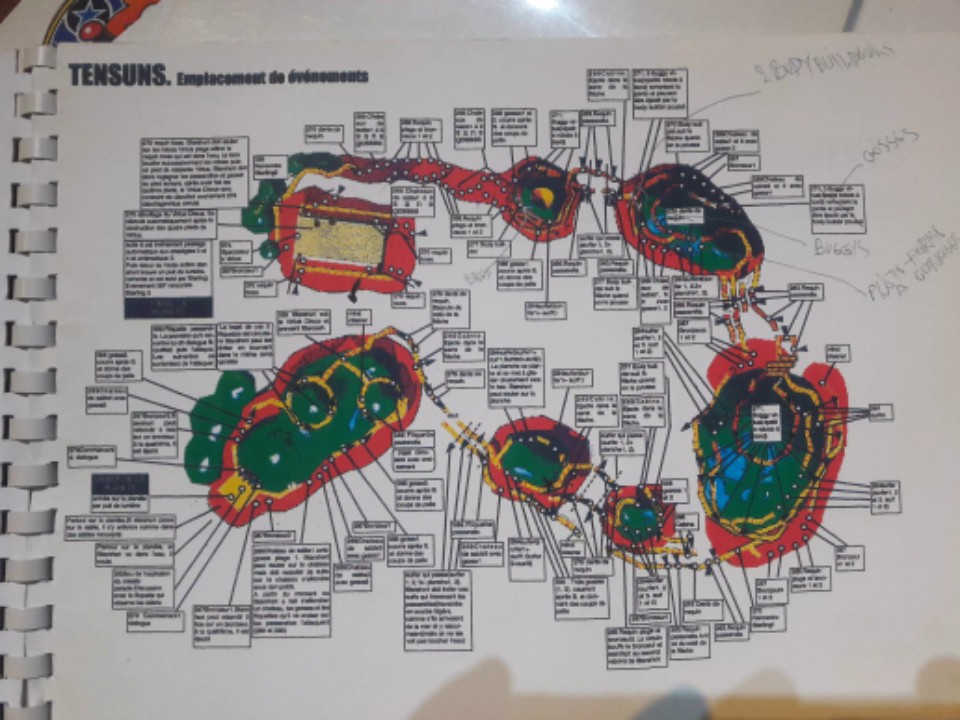
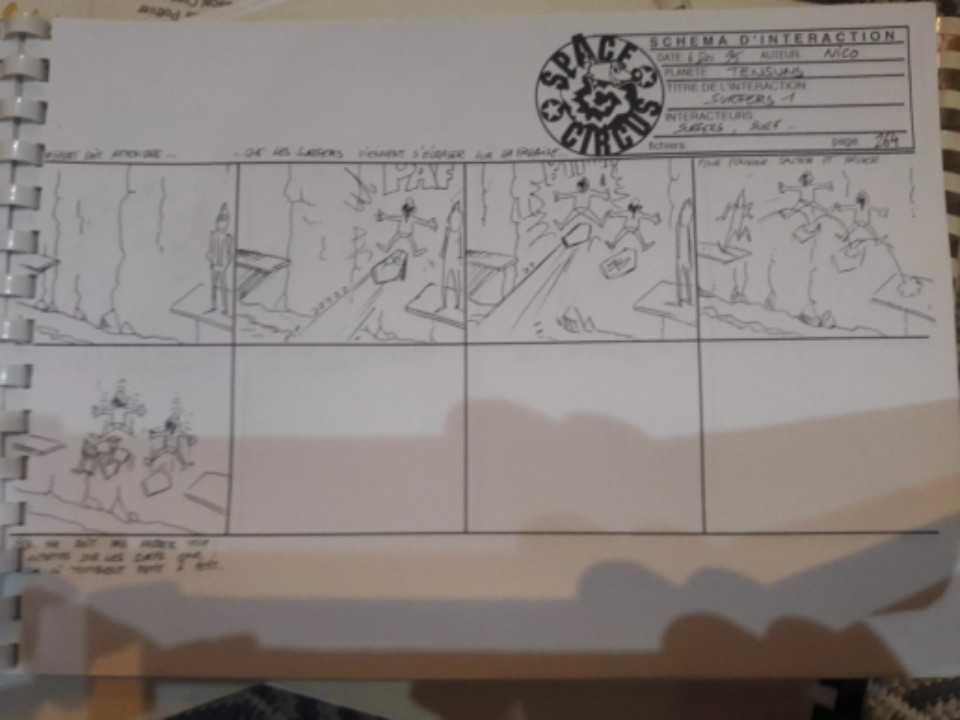
    Screenshots were first shown in issue 44 of Edge Magazine in April 1997, showing another different Starshot design and an early view of the level Tensuns.

    Starshot was scheduled to be finished for PC in June 1997, but after seeing Banjo-Kazooie’s demo at E3 in June 1997, and having been impressed by Mario 64 previously, Schon reluctantly delayed the game to try and rewrite and redefine priorities in the gameplay, though he agrees that the level design and range of actions weren’t good enough to compete.

    Their 2nd master version was set to be finished in June 1998, but the team missed this date and finished in September after making N64 a main version. Towards the end of production many programmers and debuggers were moved off the project by Infogrames, but they were still paid for the rest of production which made the games development budget more expensive. At points the N64 version only had 2 programmers. The game suffered as the team had fewer resources than Nintendo and we’re inexperienced with optimizing PC versions for N64 hardware. A late release resulted in poor sales and the development team being split up into different projects.

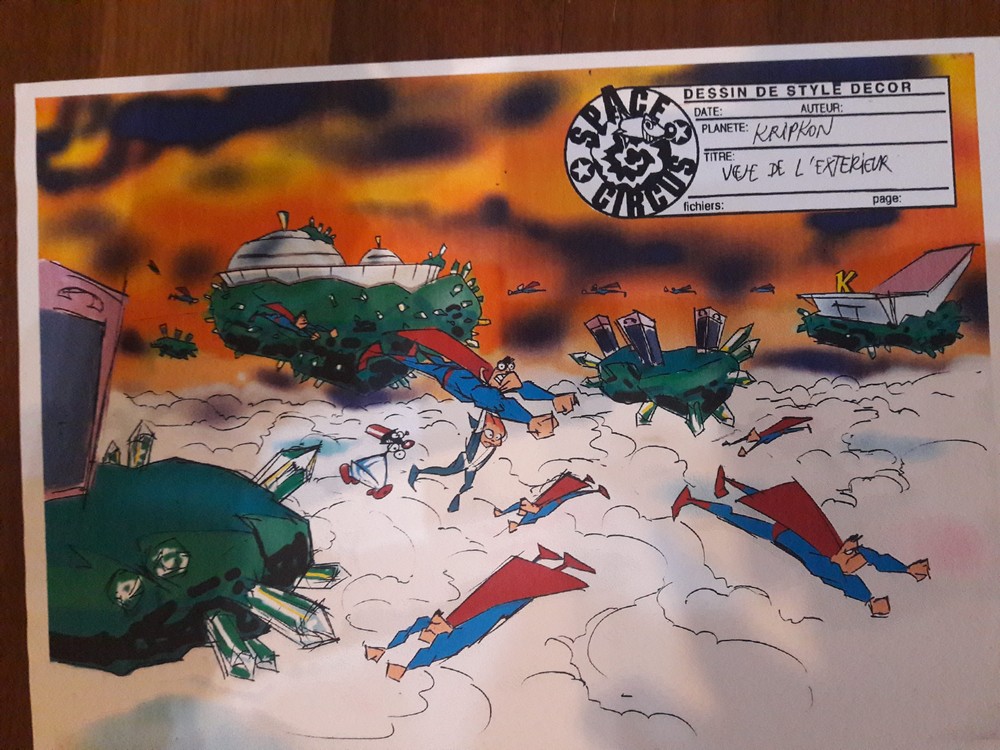
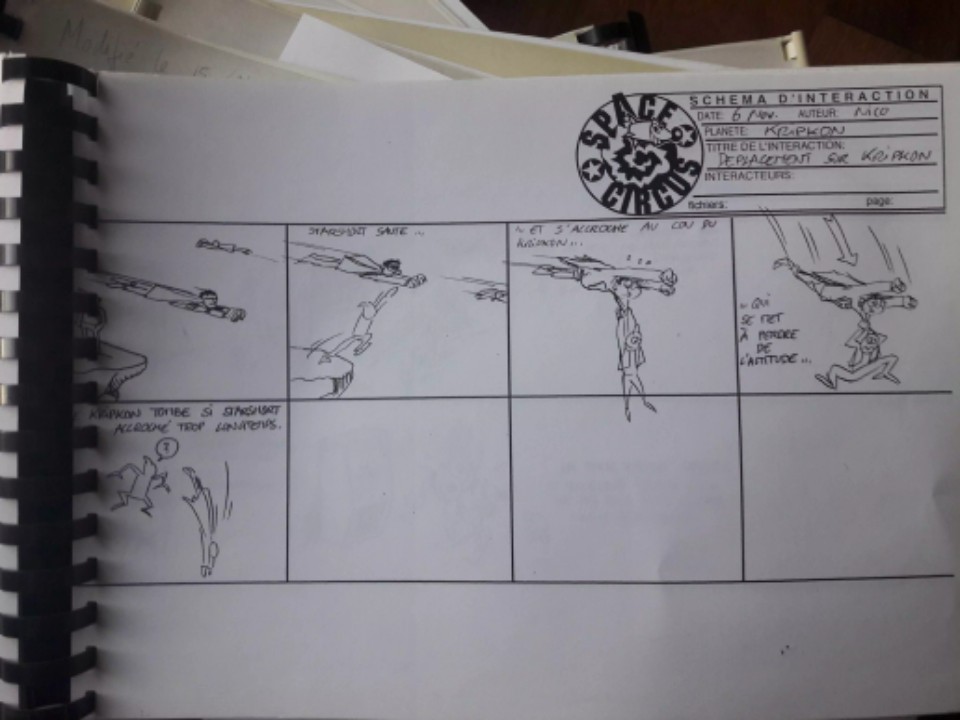
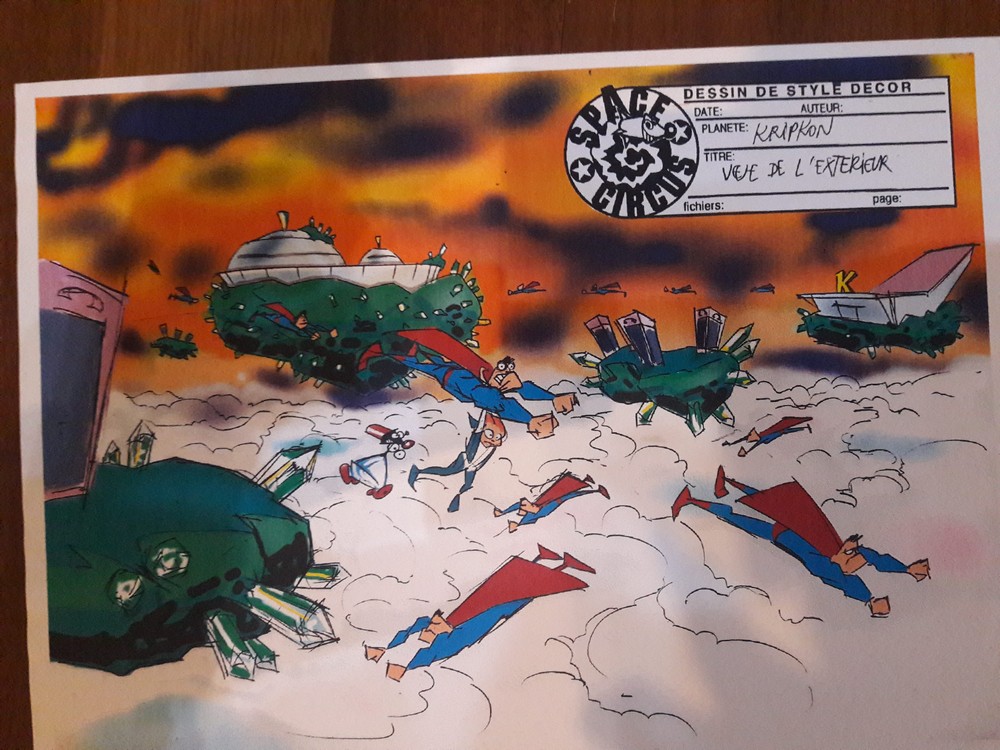
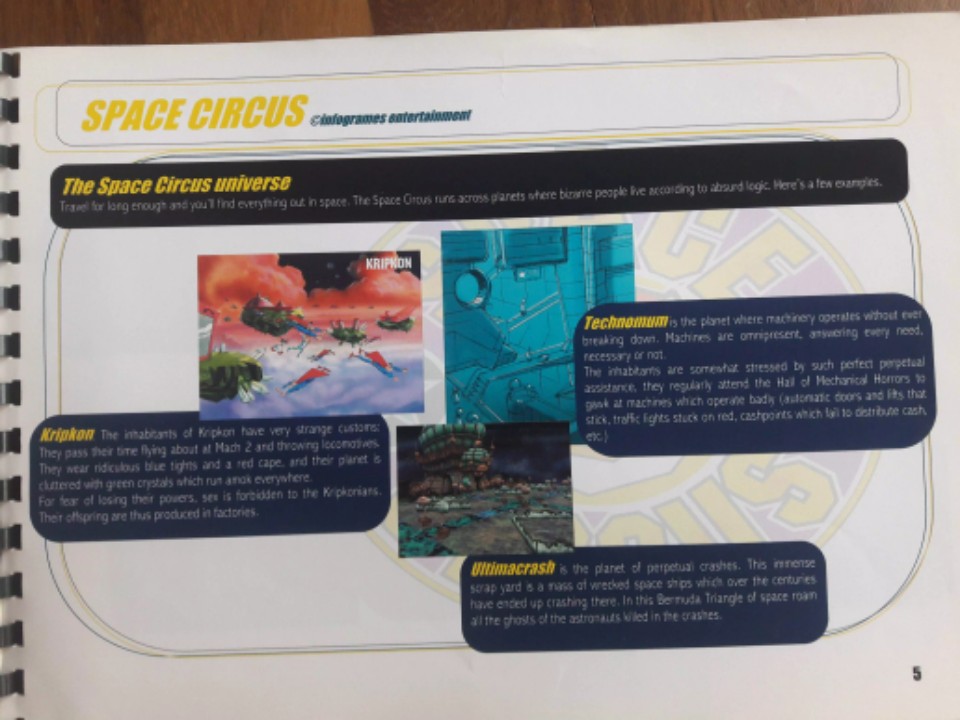
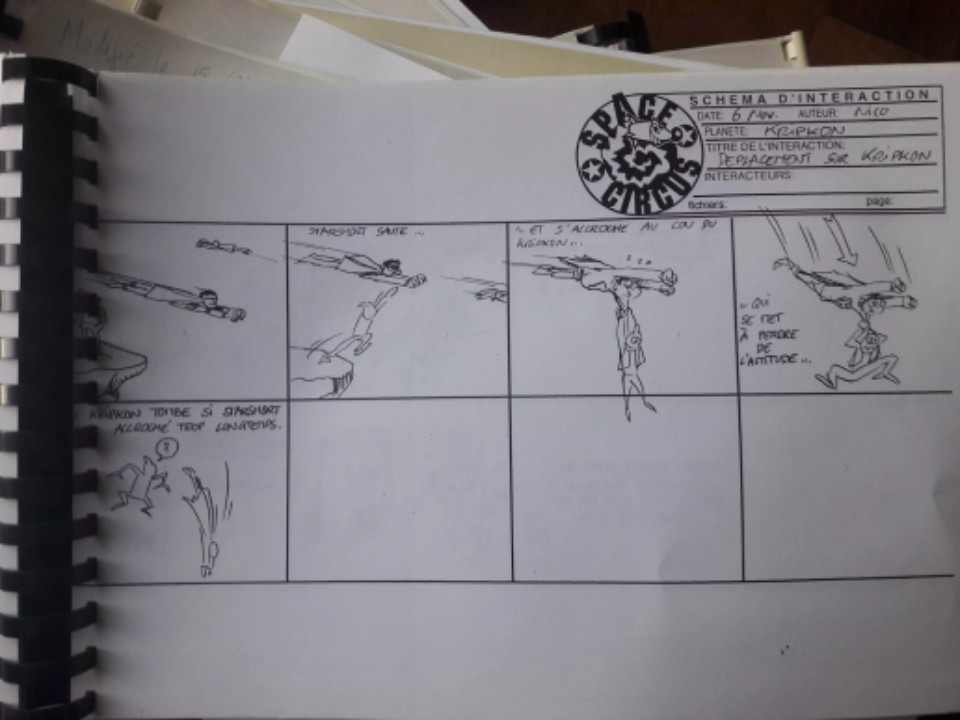
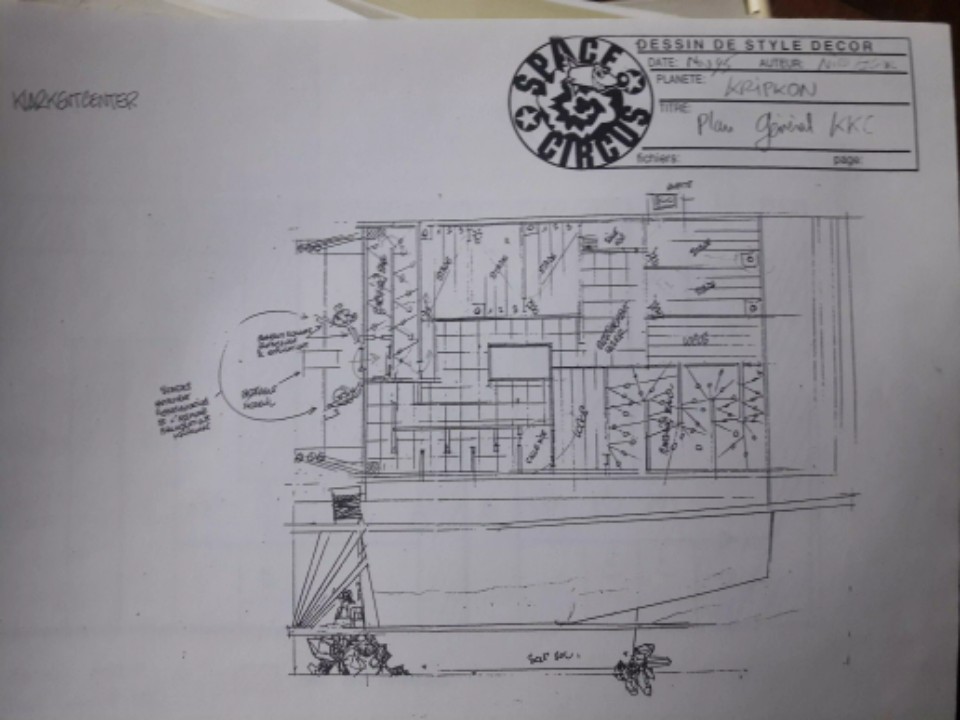
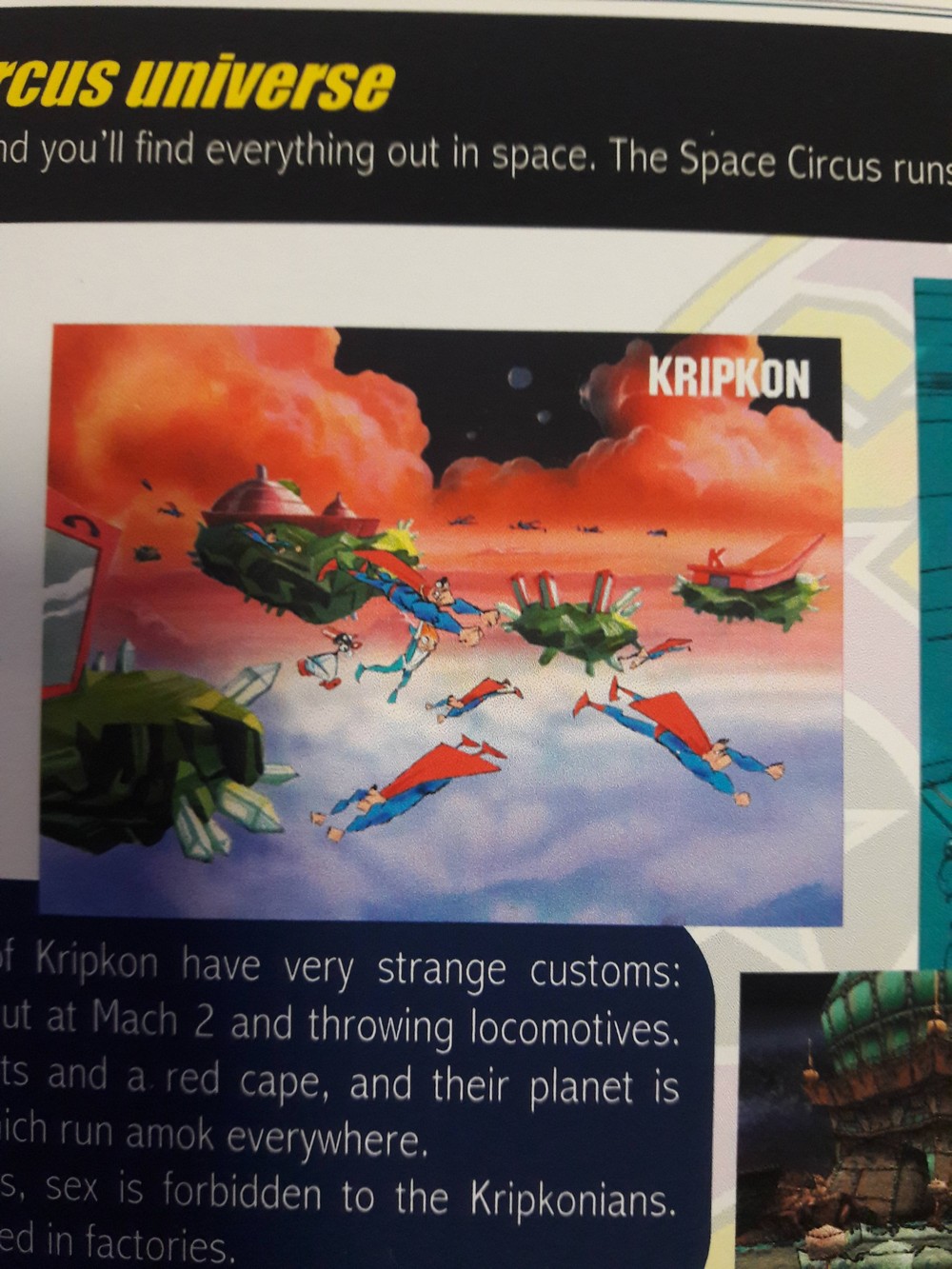
    Due to time constraints, an entire planet was cut from the game, Kripkon, named after Superman’s home planet Krypton and centered around Superhero parodies. In this stage players could grab onto superheros and fly to different parts of the level, and the planet even has a fully composed song unused on the PC version soundtrack.

    It was considered for release in Japan at one point, with Schon flying out to Nintendo headquarters, however he believes they weren’t impressed enough with the gameplay to distribute the game.

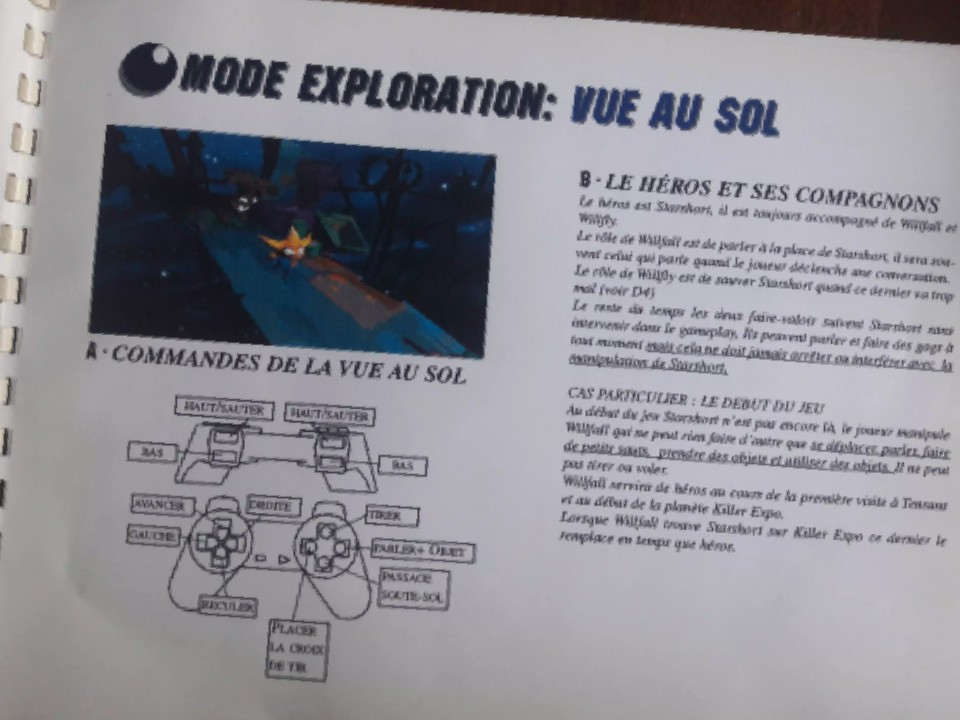
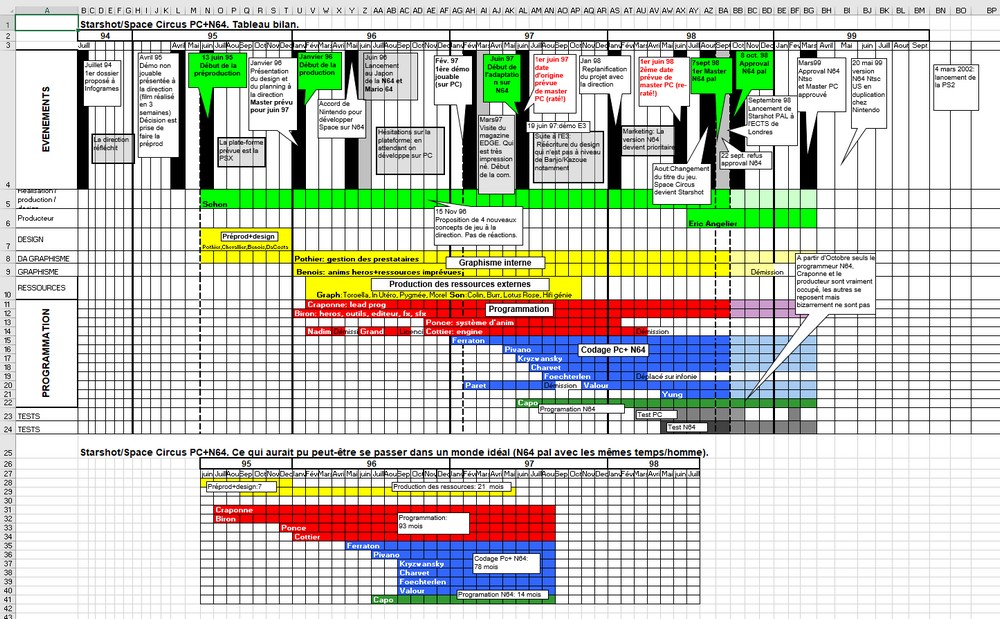
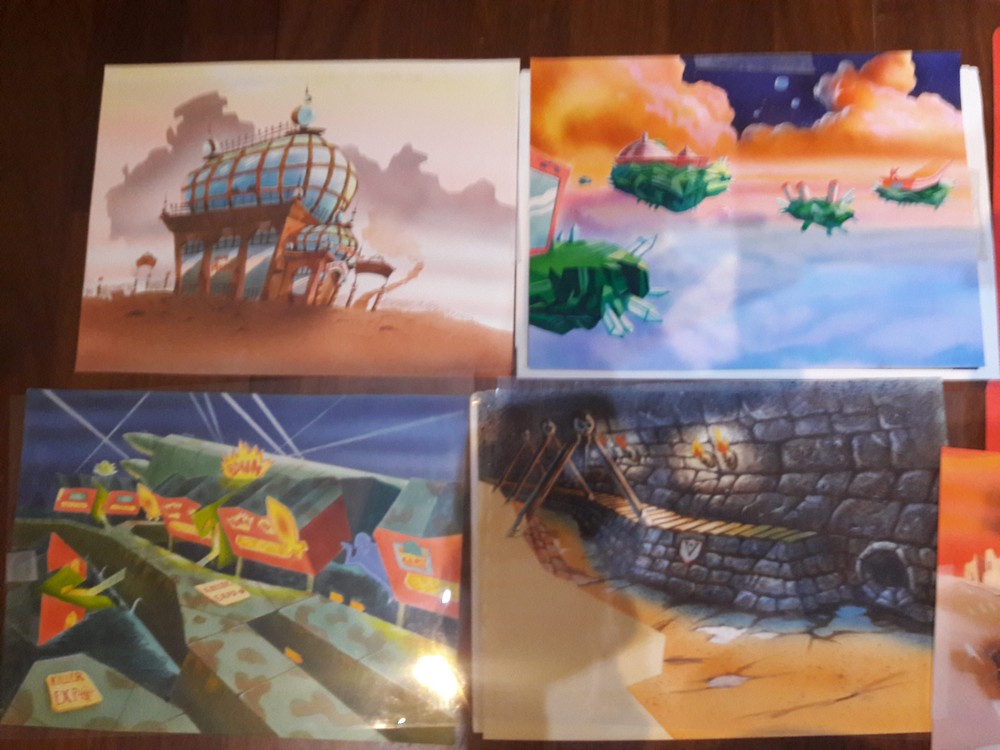
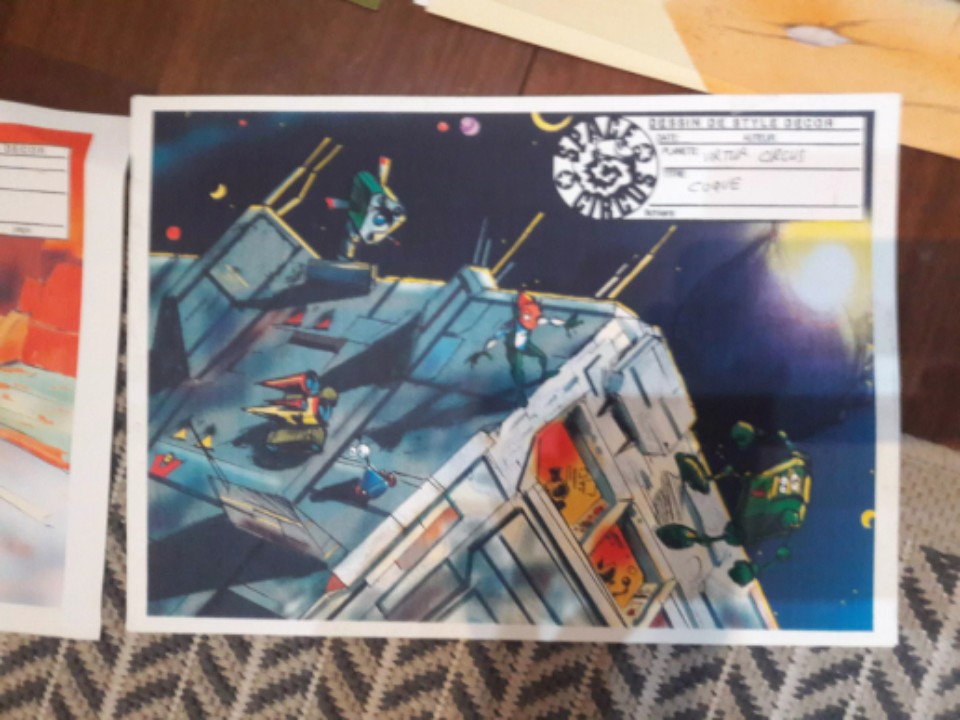
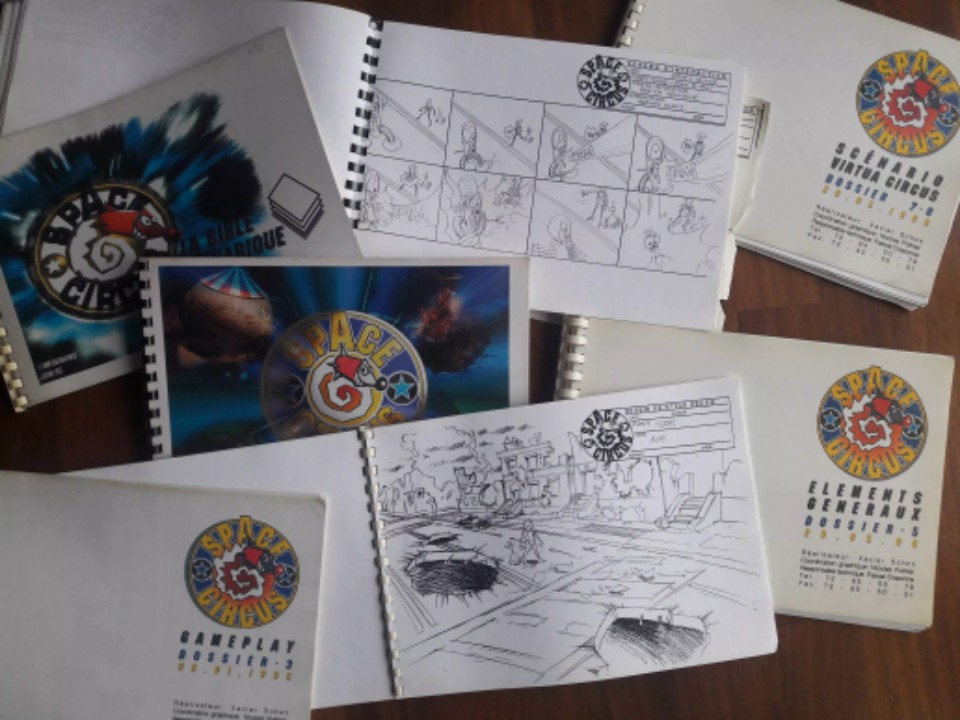
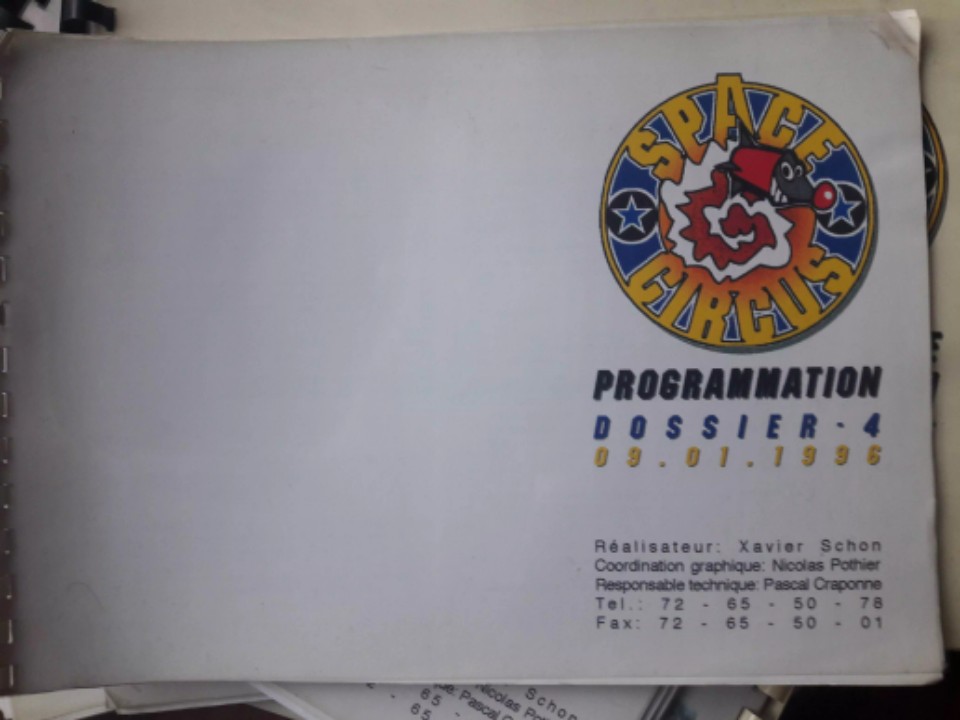
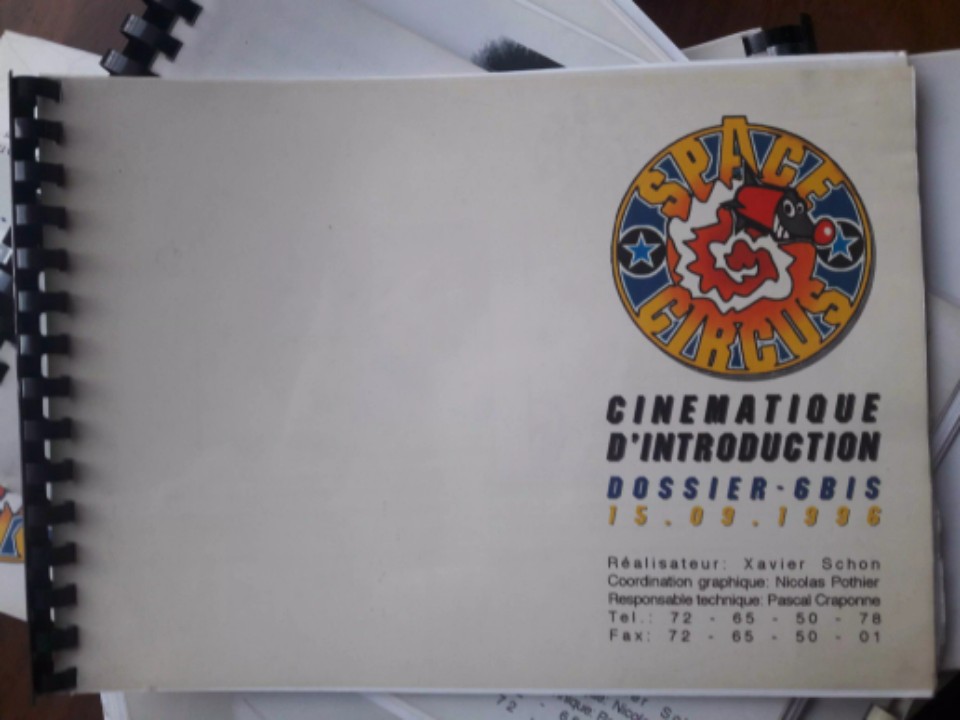
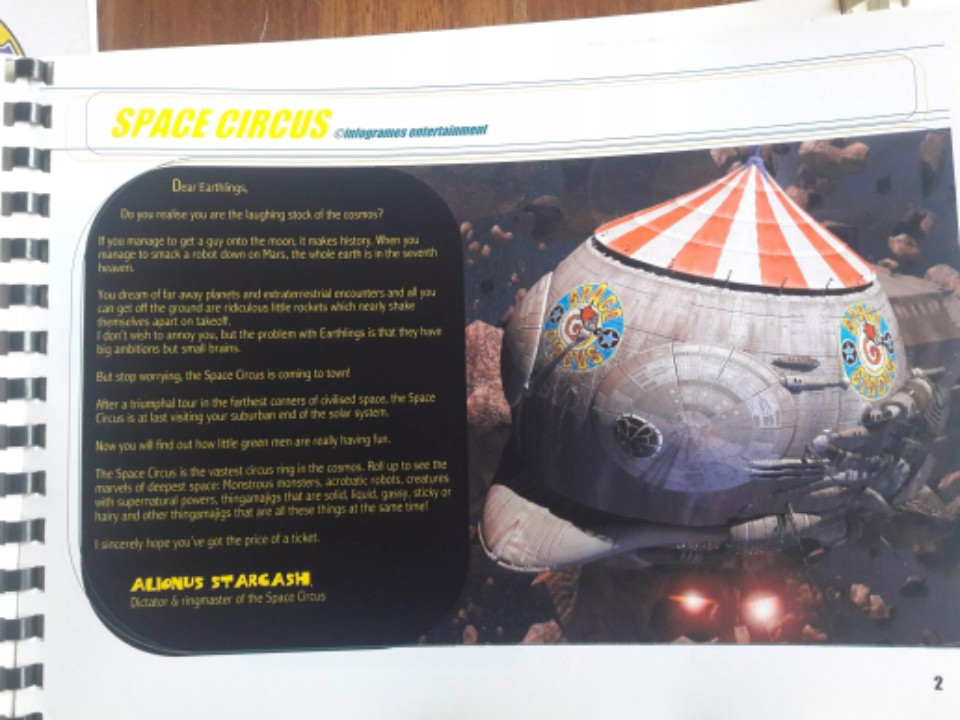
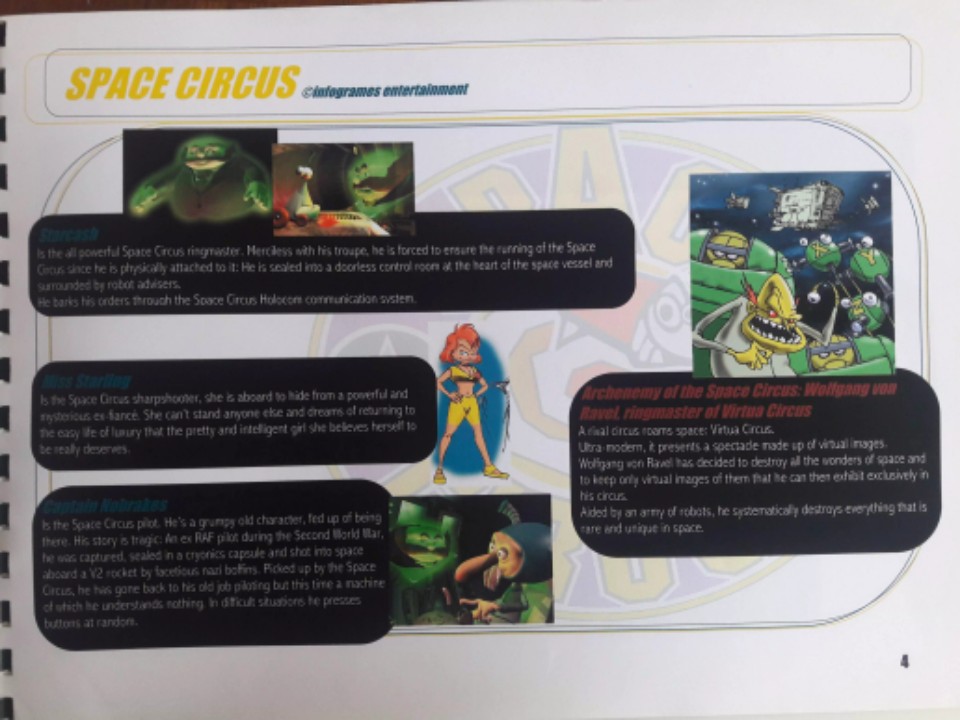
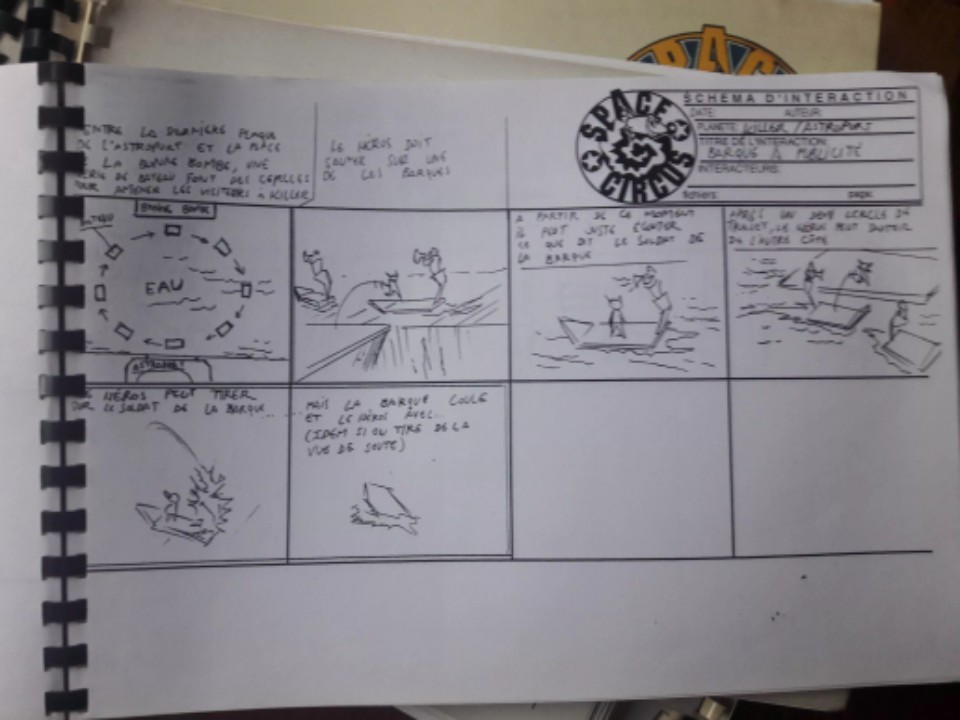
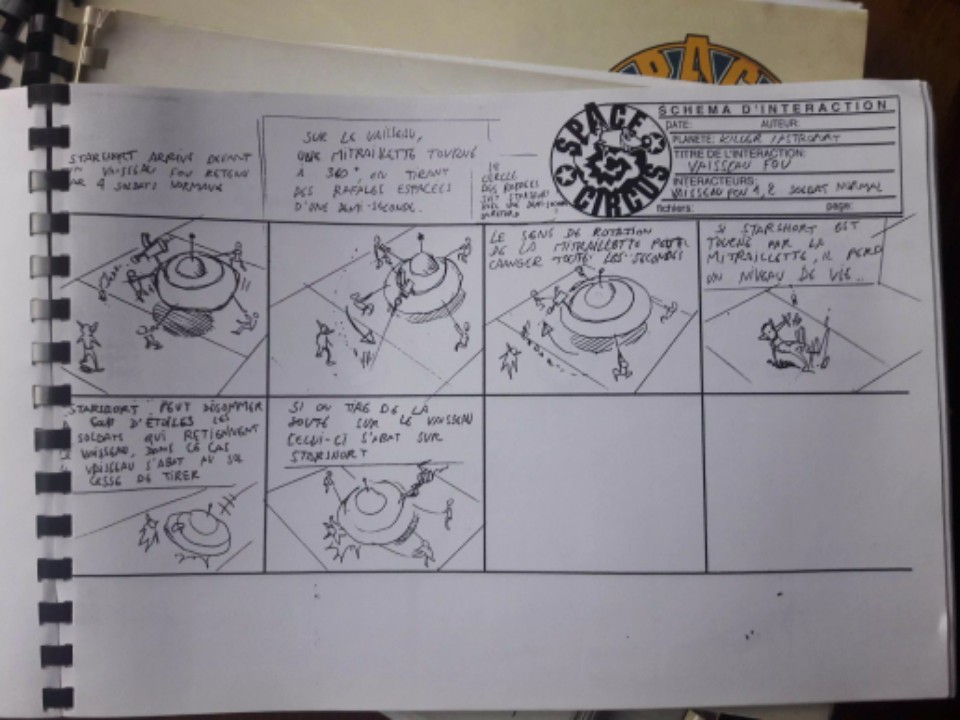
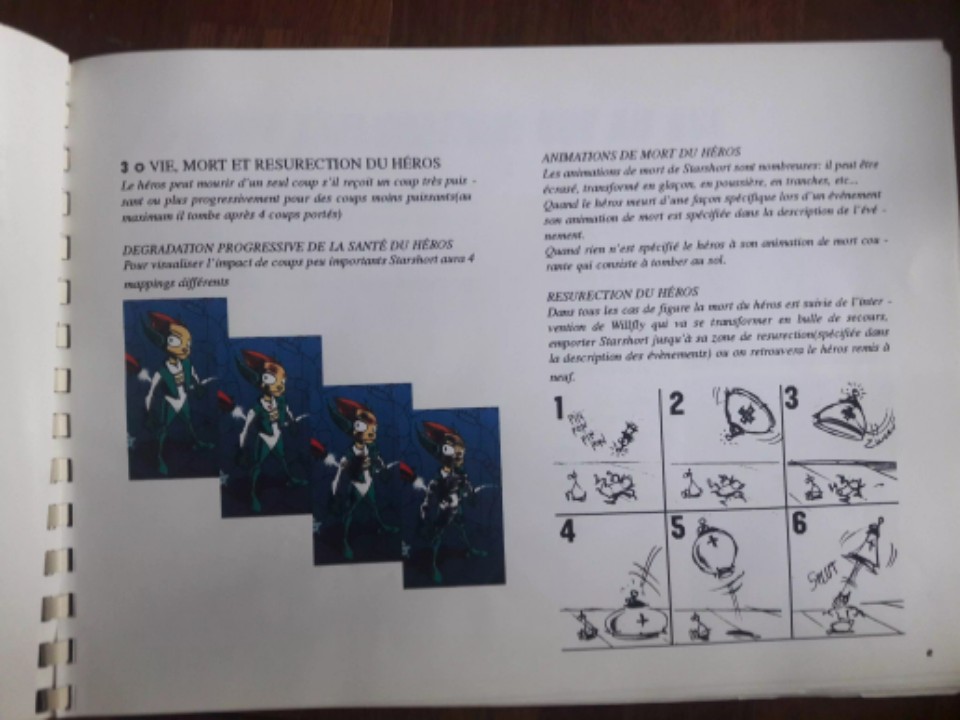
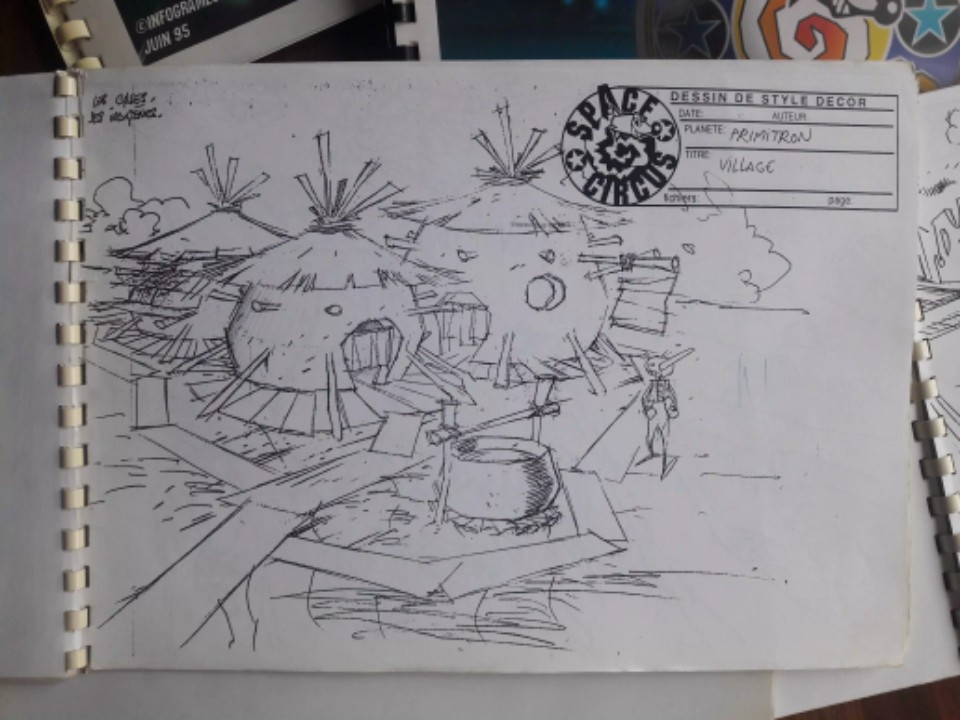
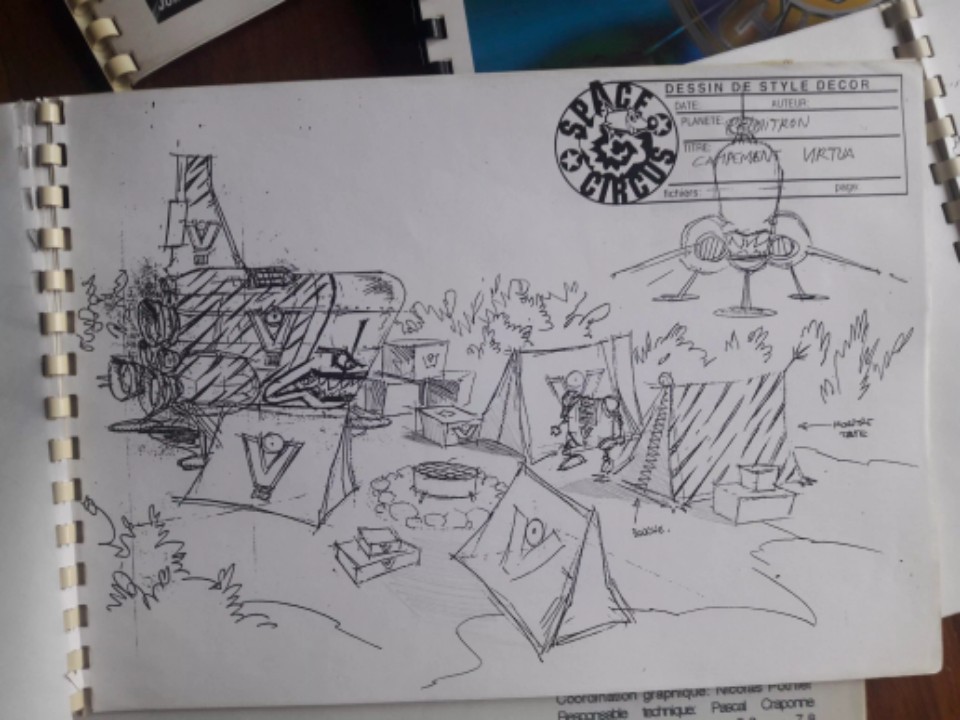
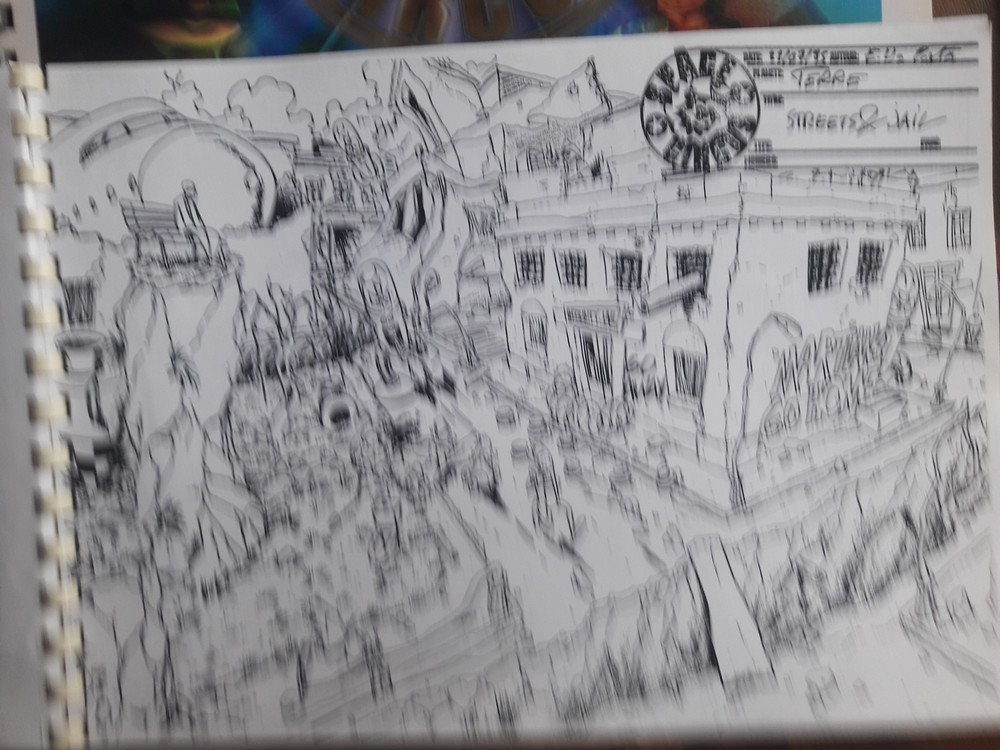
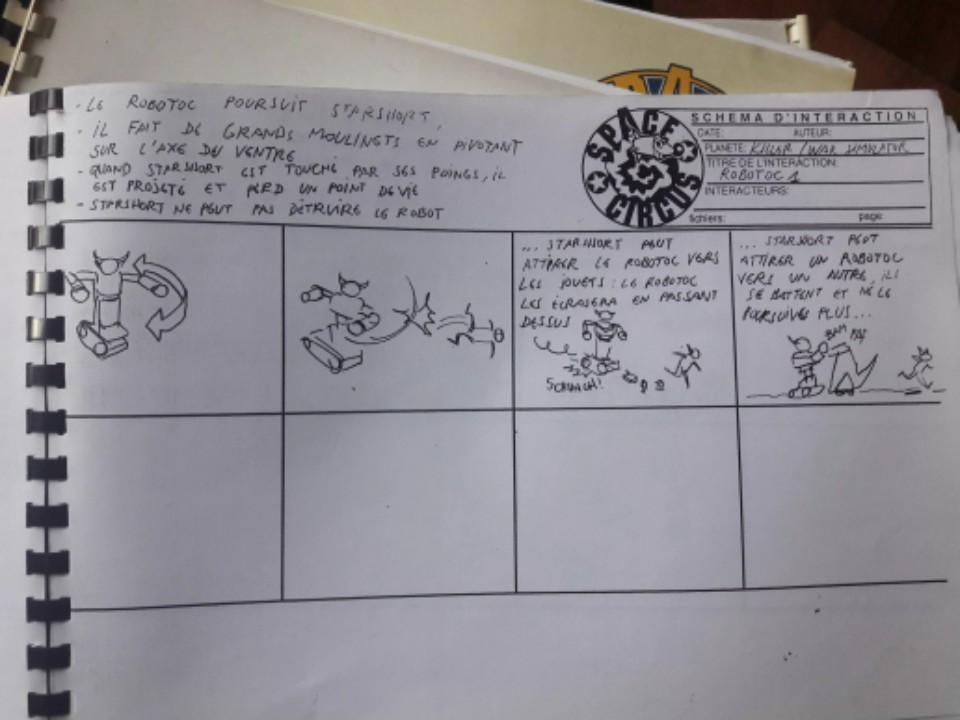
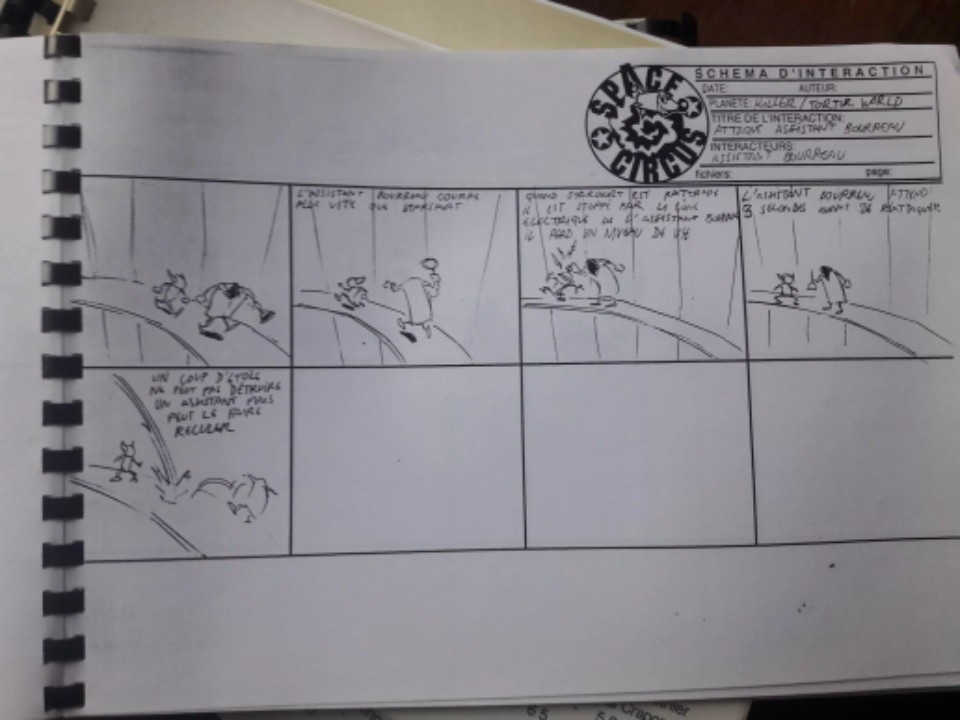
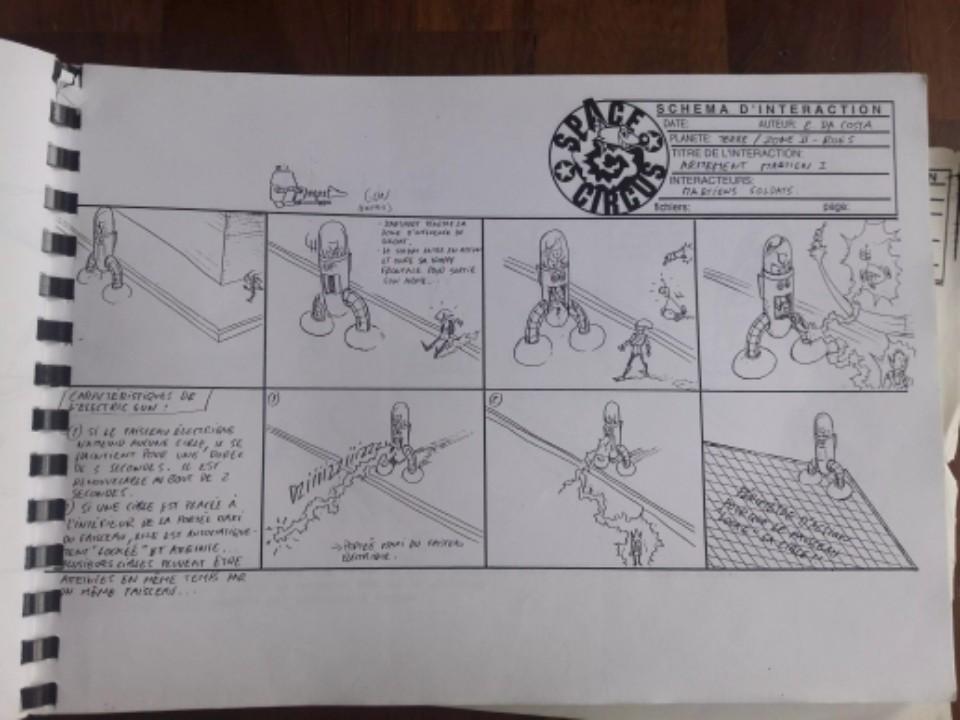
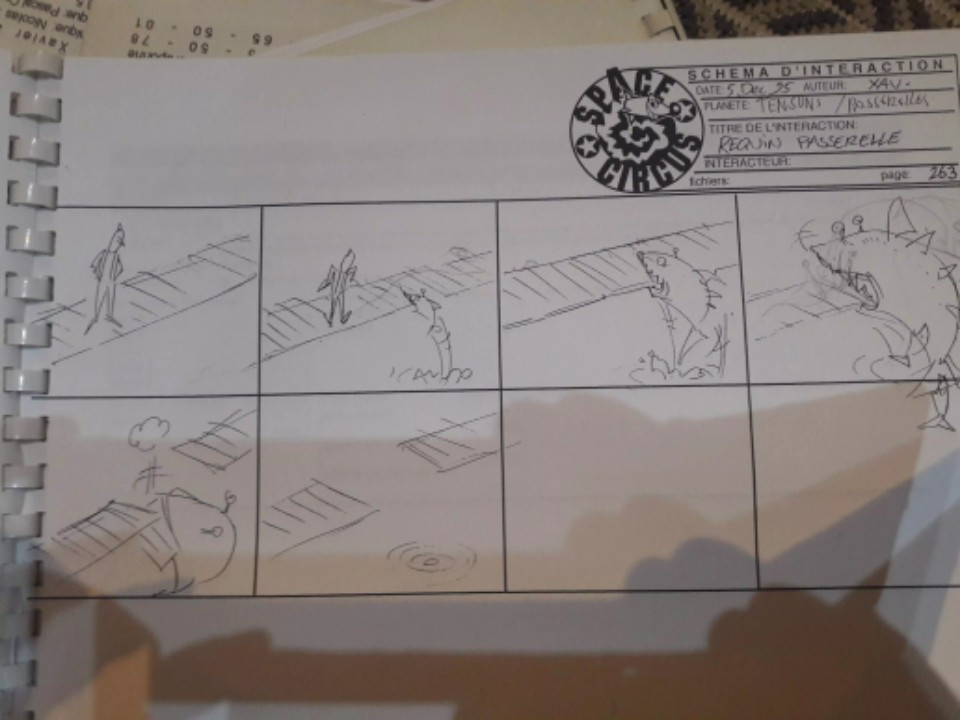
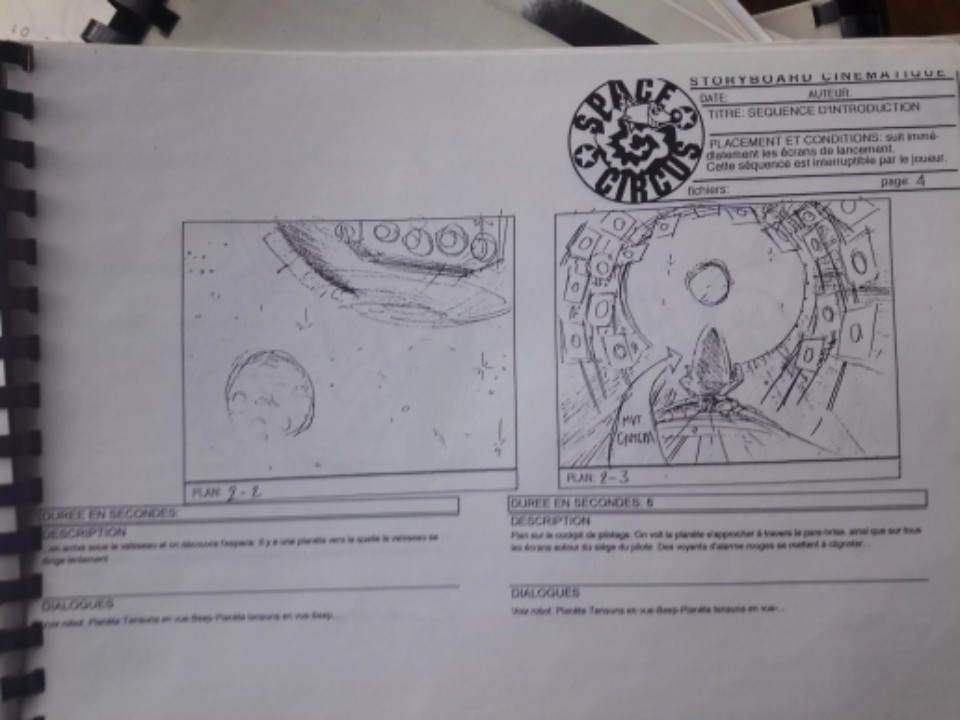
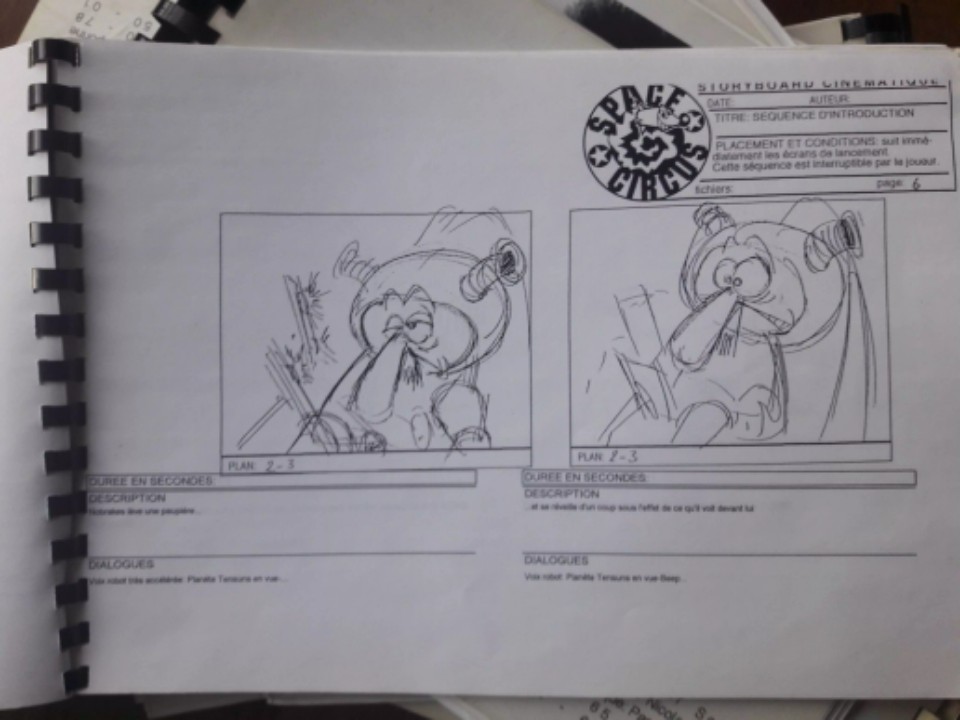
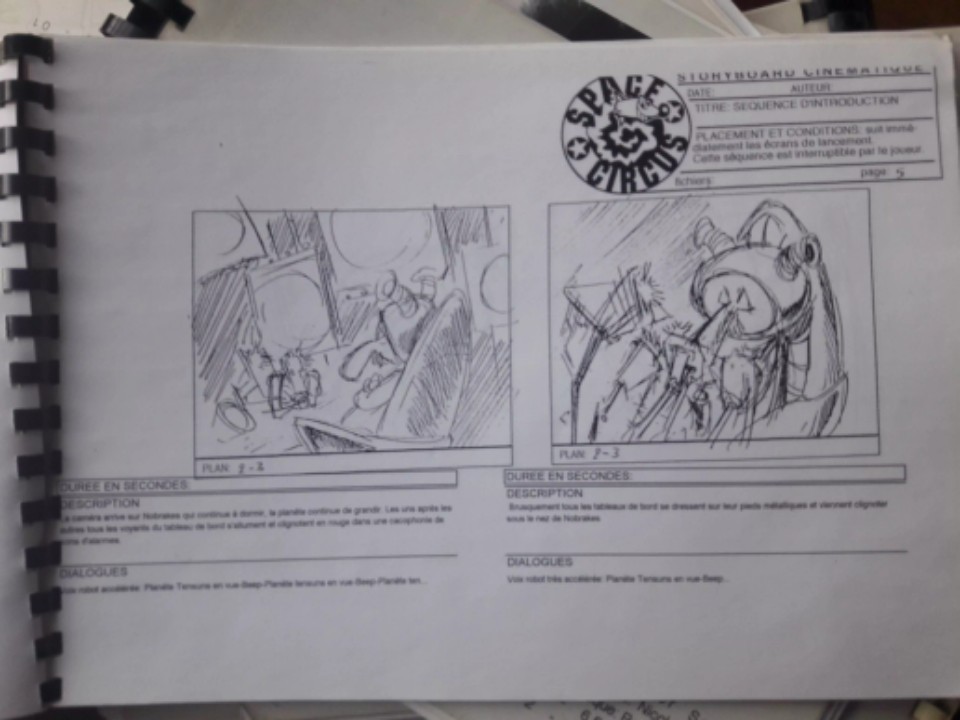
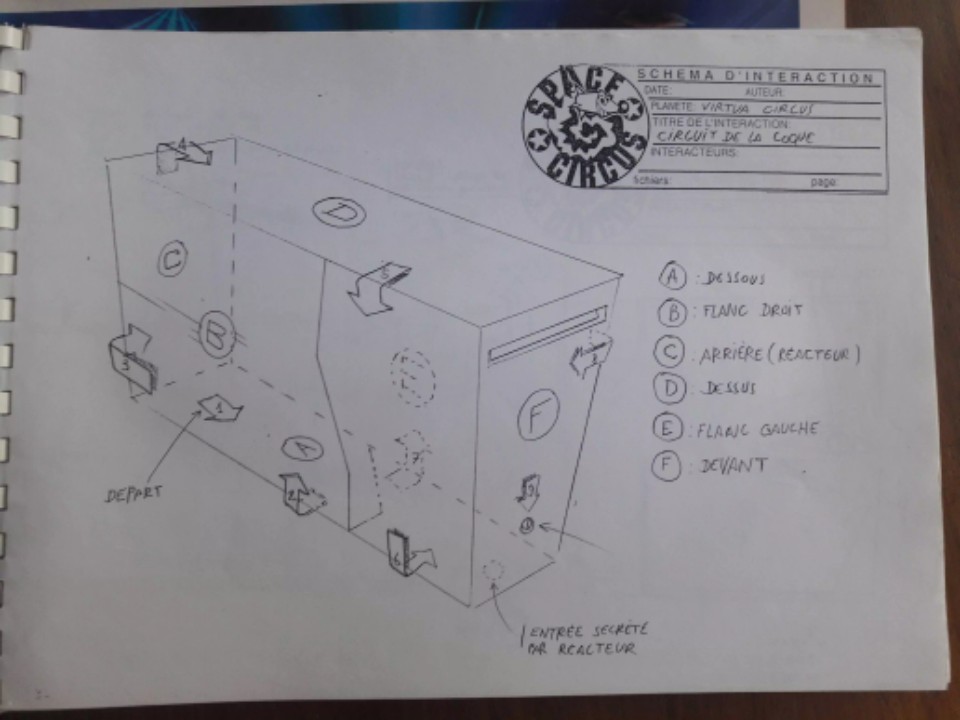
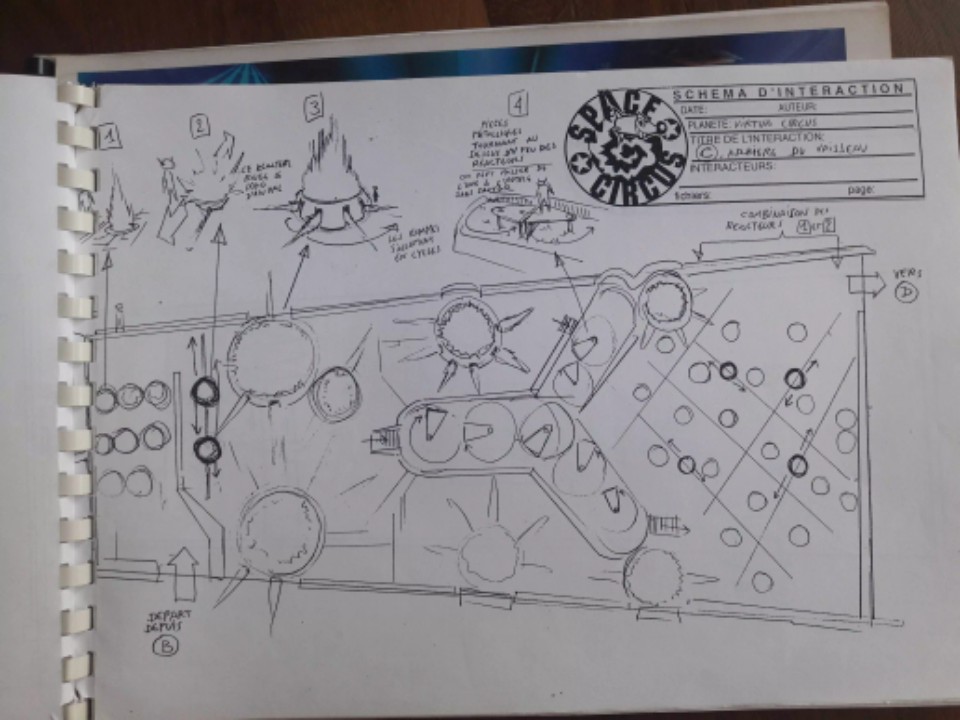
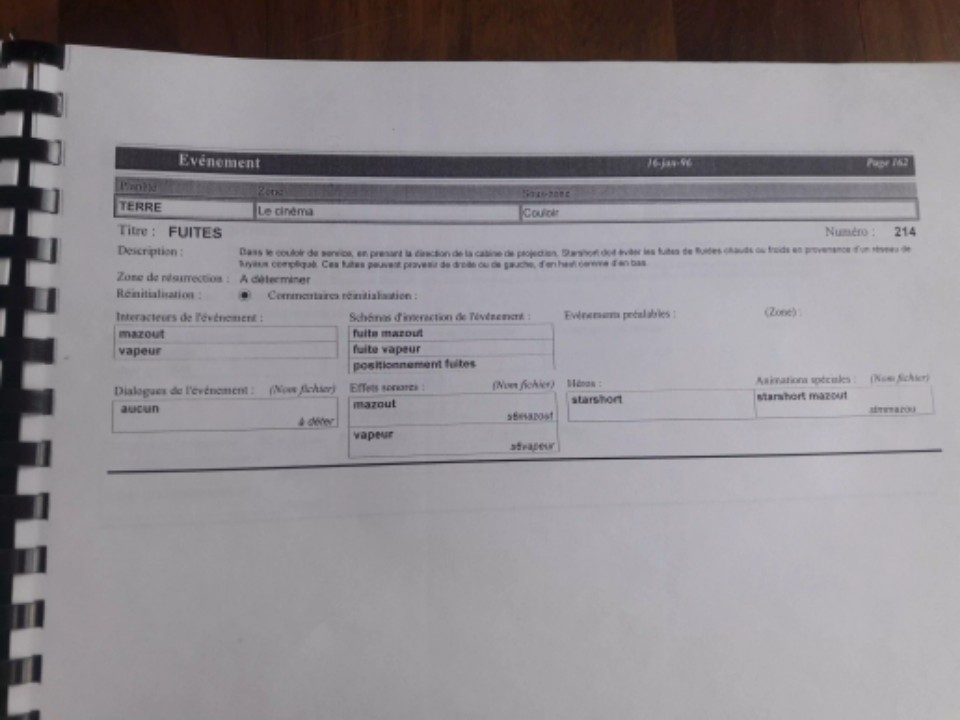
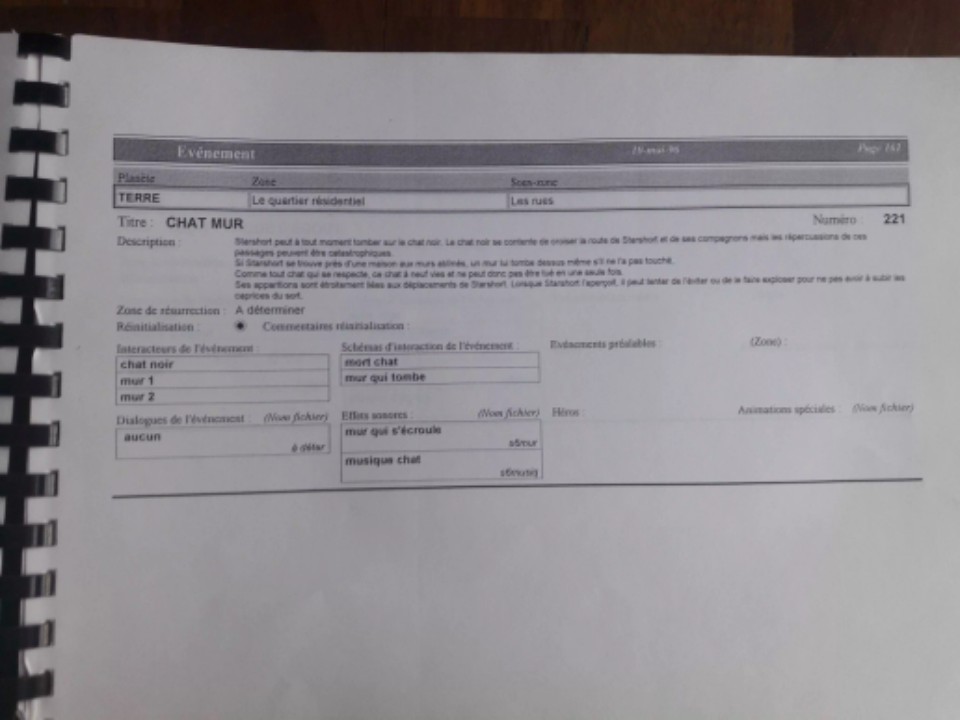
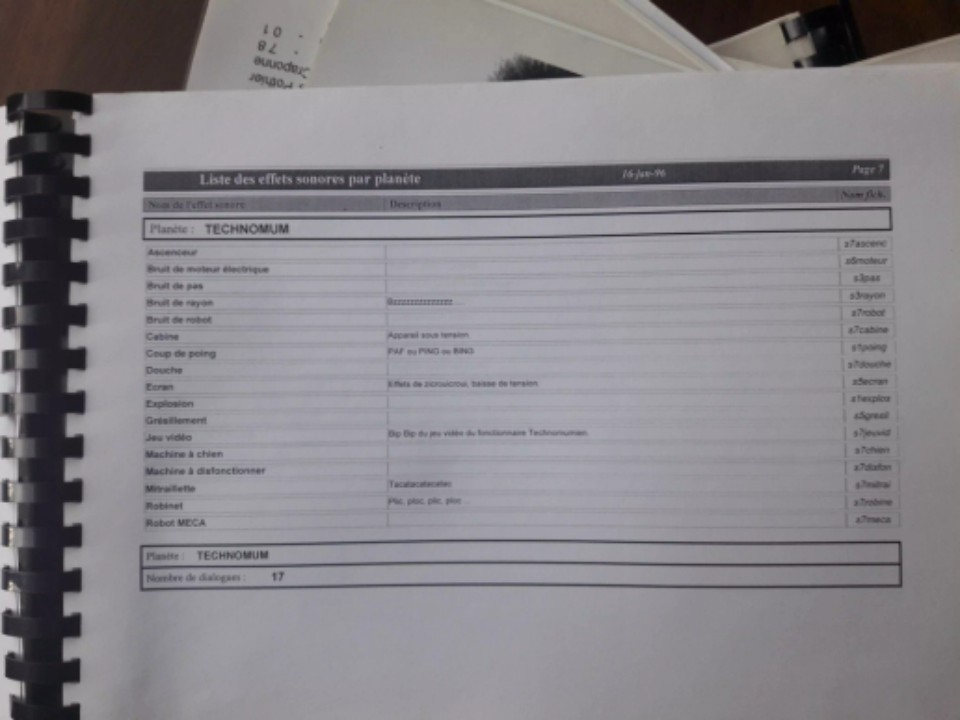
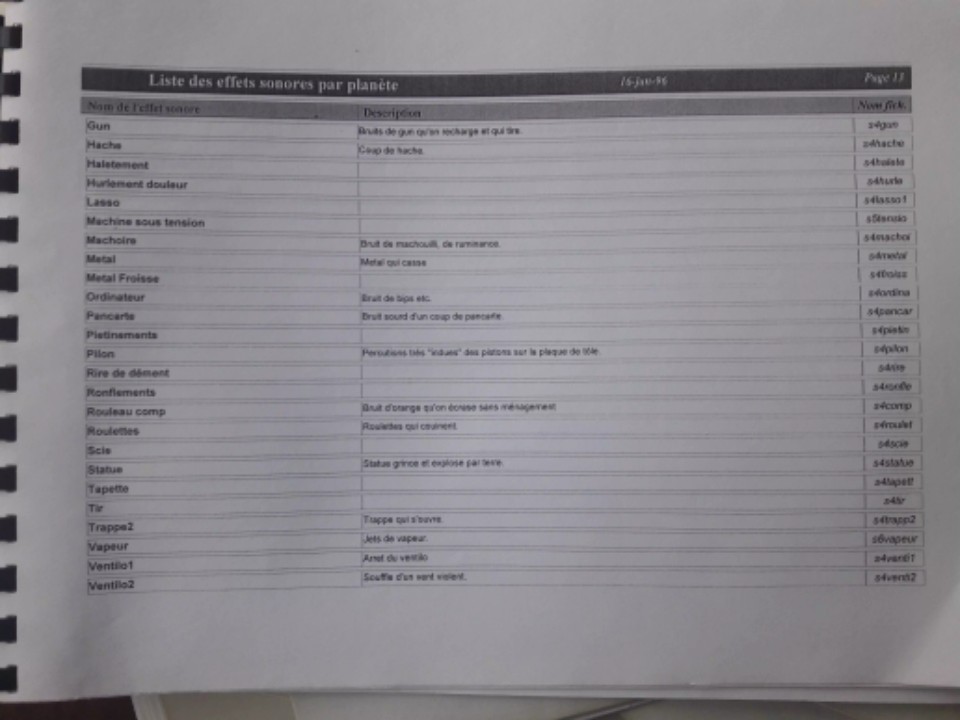
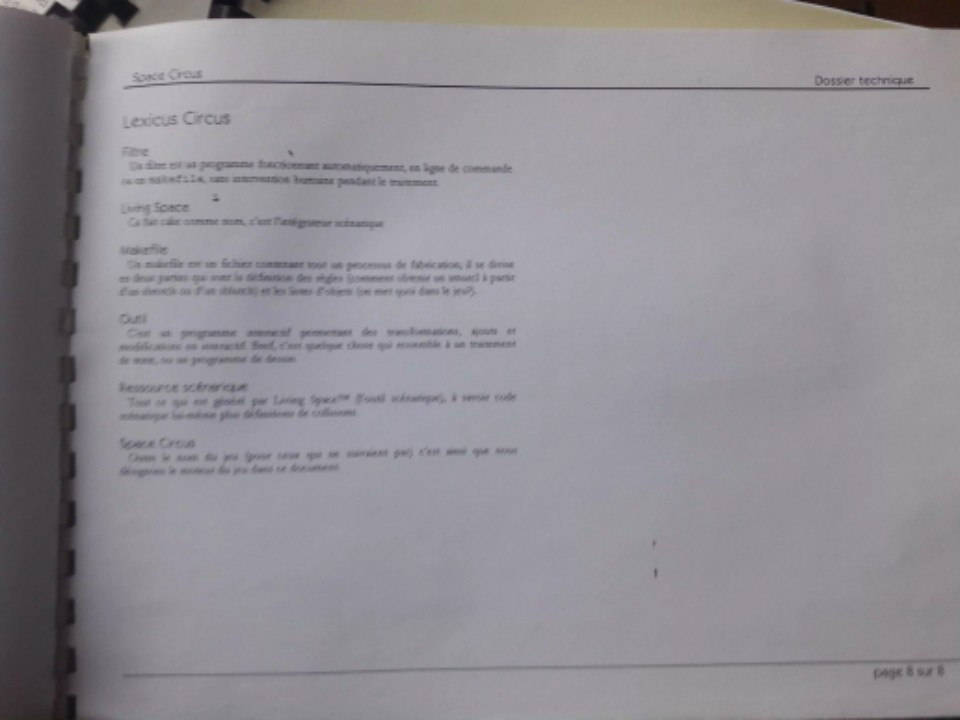
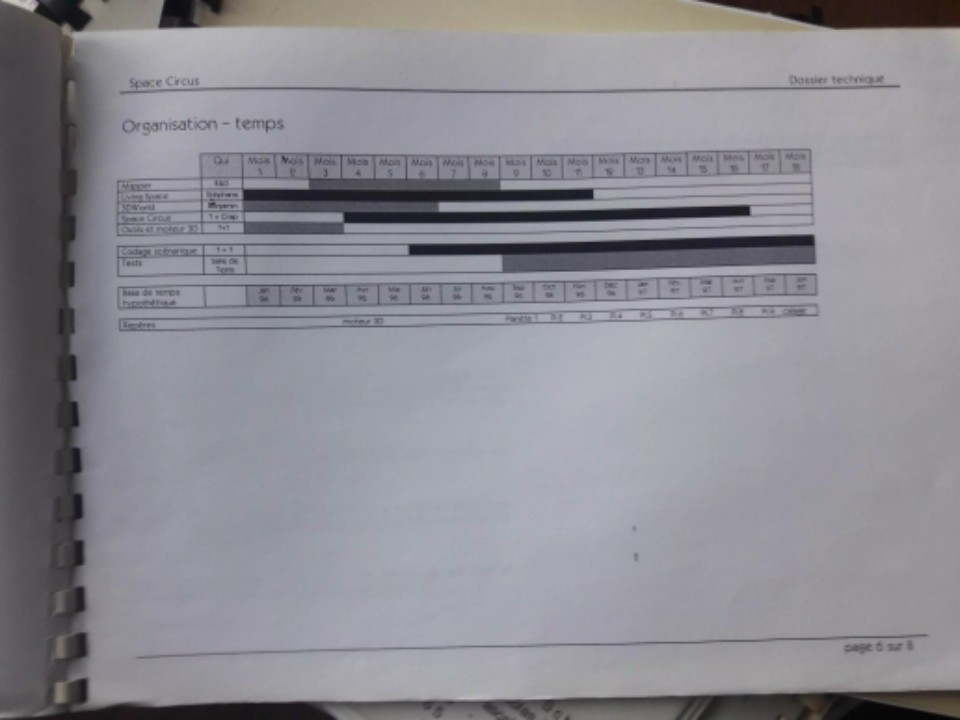
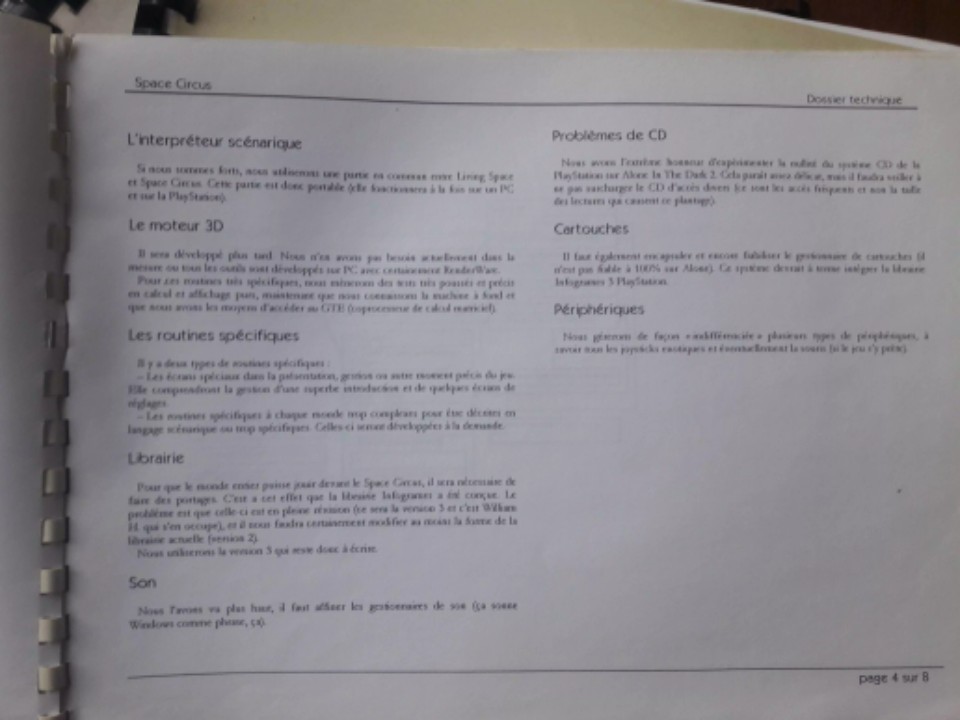
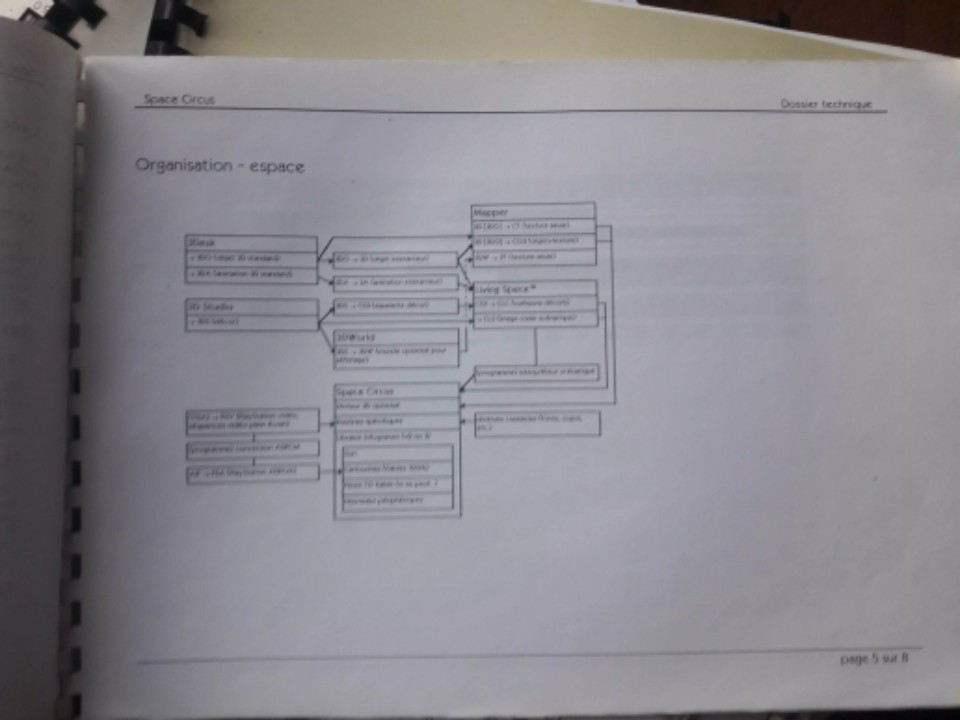
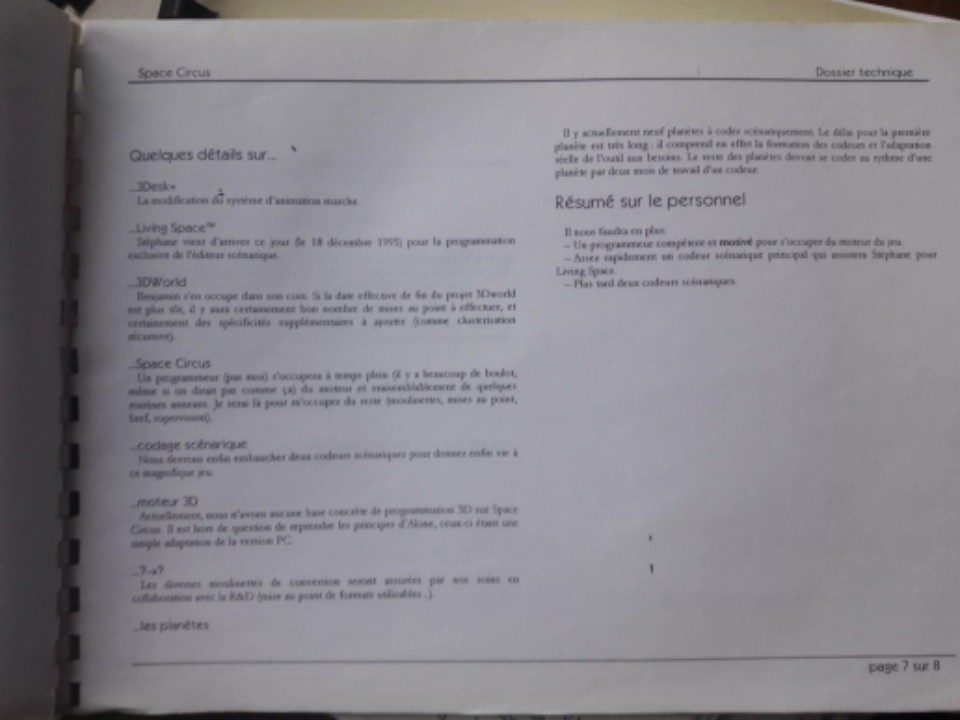
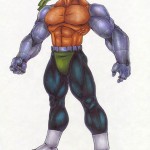
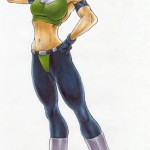
    Xavier kept all his design documents and even a timeliness of the games production. Every area was hand drawn before being modeled in 3D, with many areas looking identical to how they appear in game. Some art depicts areas or characters not in the final game, such as Miss Starling, a humanoid similar looking to Starshot who was a sharpshooter for the Space Circus.

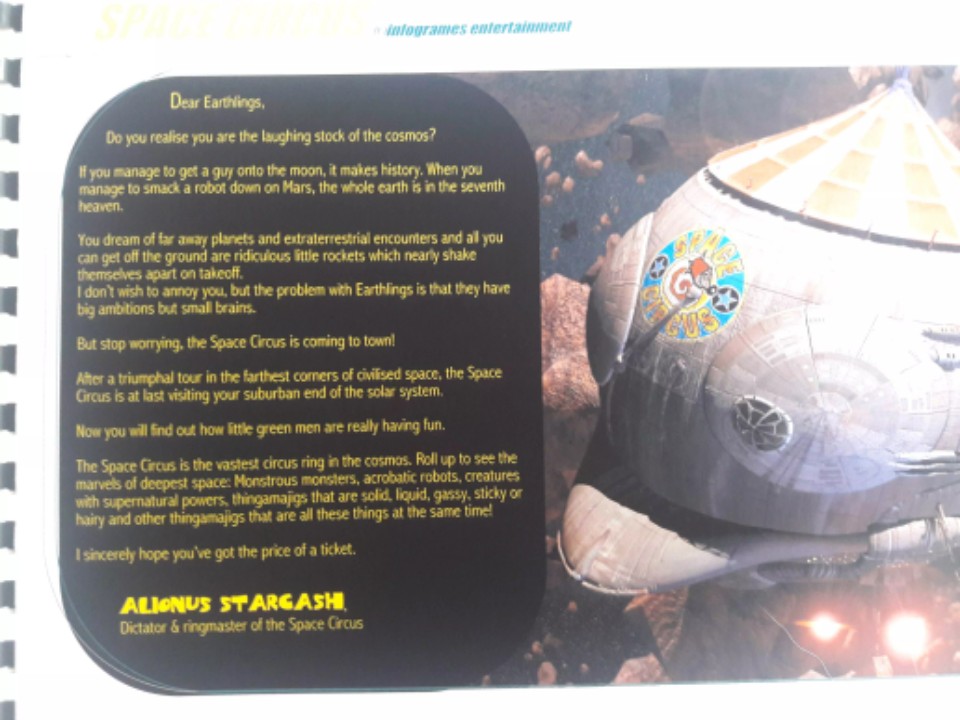
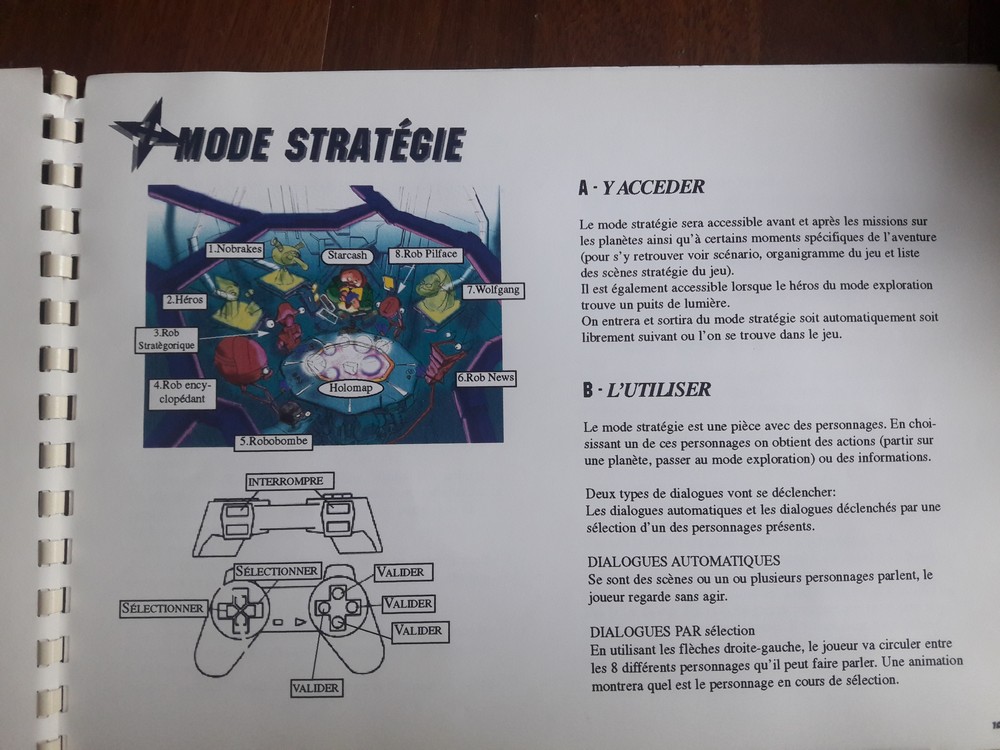
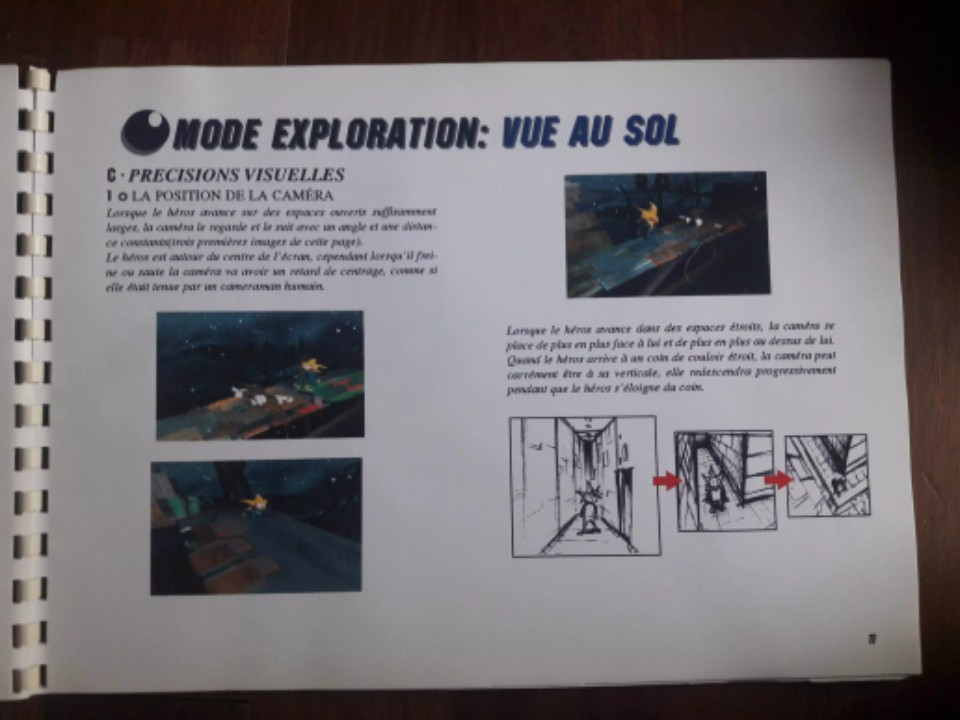
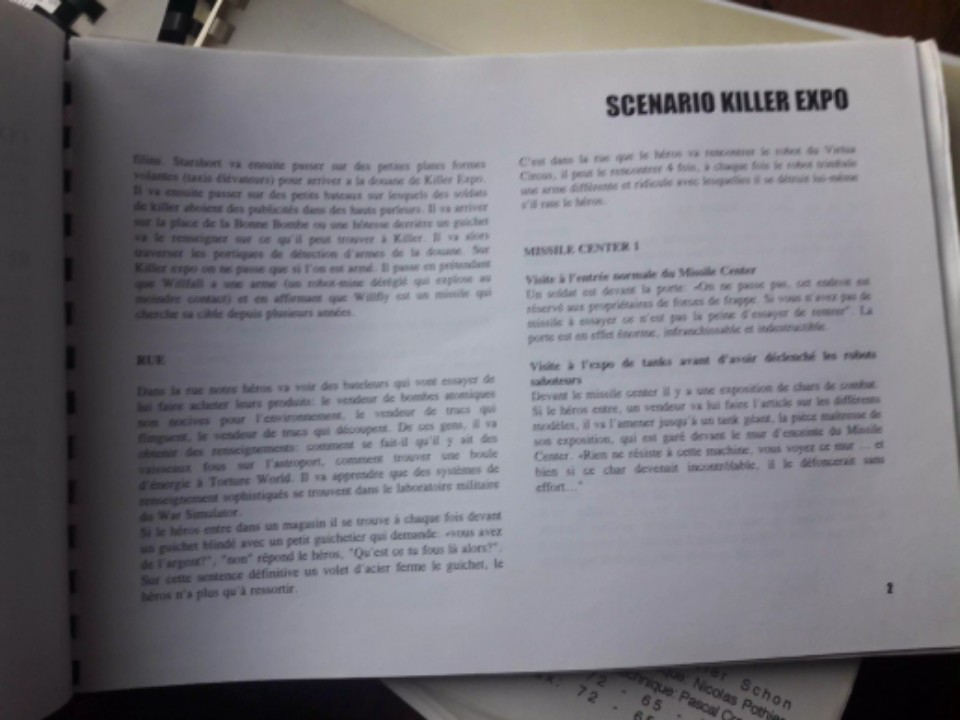
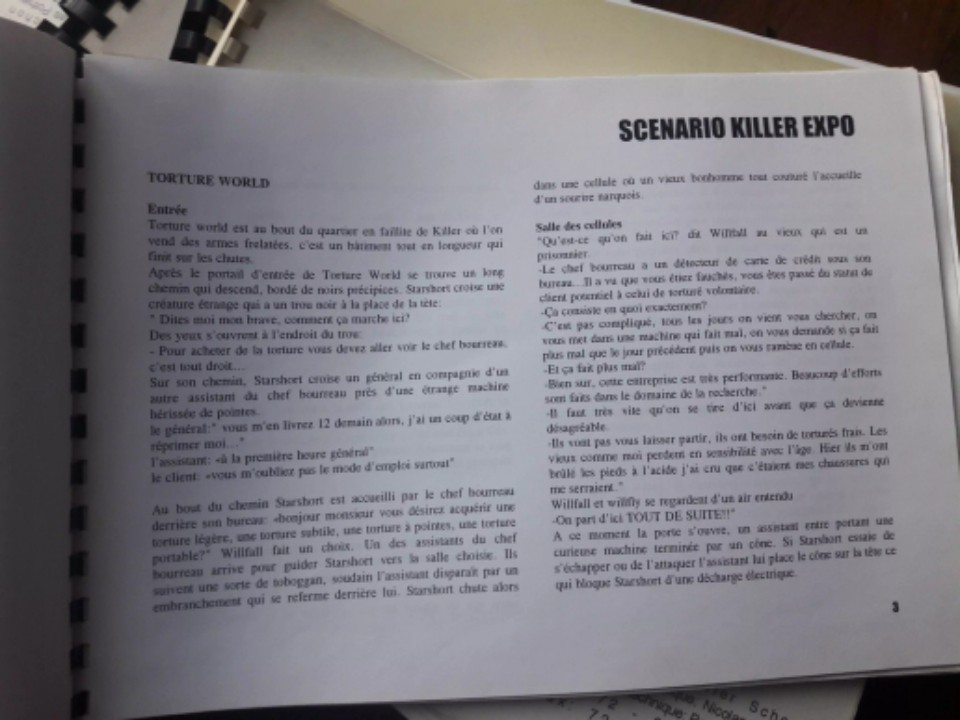
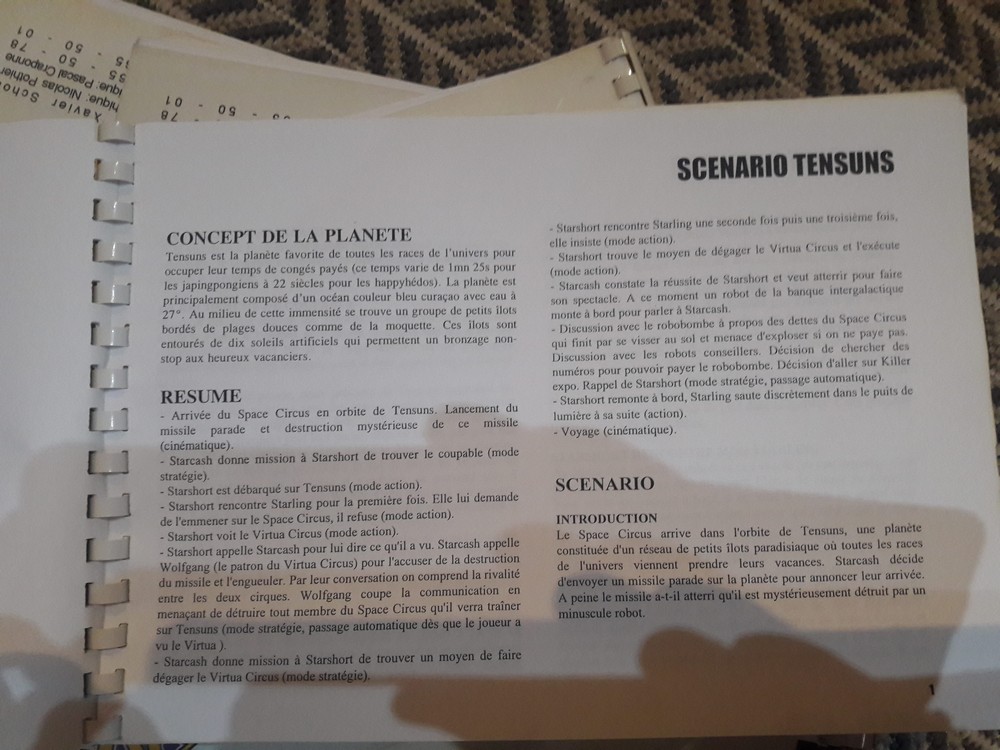
    Despite the game’s failure and mixed critical reception, when Infogrames asked producer Xavier Schon for movie concepts in 2002, Schon wrote and drew up a screenplay for Starshot the movie to try and being the character back, but this unfortunately never happened. You can download 3 PDF about the unmade Starshot movie: Space Circus story synopsisDrawing Script, Space Circus English.

    This information comes from an interview done with producer, director, and original concept creator Xavier Schon on February 21st, 2018. It was a piece of research for our upcoming N64 book, the N-cyclopedia 64.

    Article written by Jalyn.

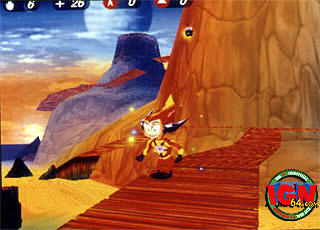
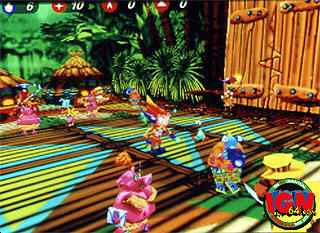
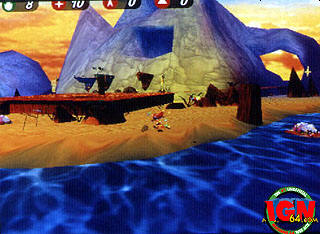
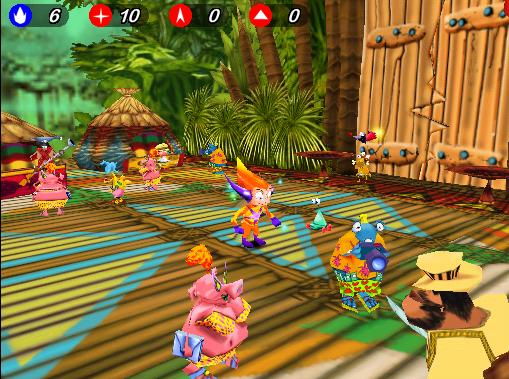
    In the gallery below we can also see various beta screenshots showing differences from the final version:

    • Different HUD
    • More Tourists  NPCs in the “jungle” area
    • Better / more detailed graphic
    • A couple of unknown areas (removed?)

    Thanks to Henrique Resende for some of these beta screens!

    Images [Beta Version]

    Videos (final version):

  • Ohcouchi Gengorou Ikka [N64 – Unreleased]

    oihcho64logo.jpg

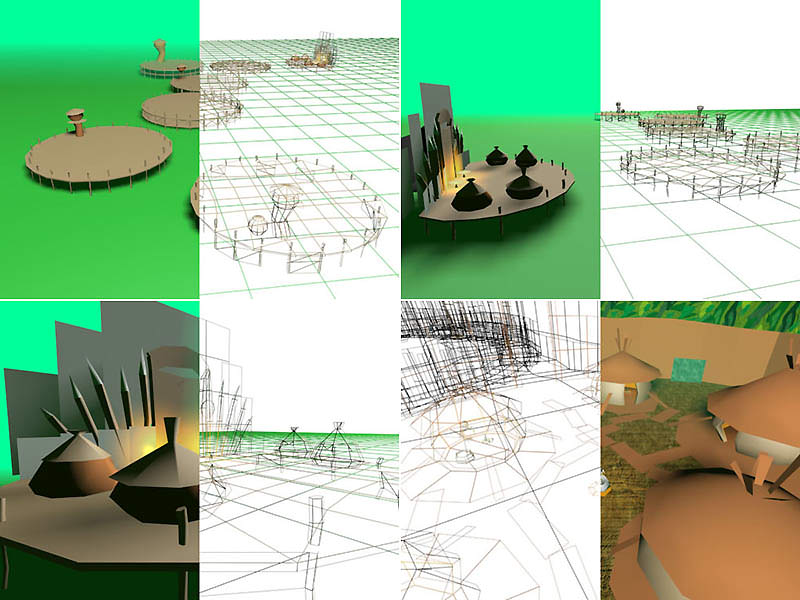
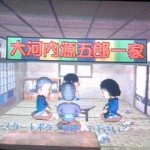
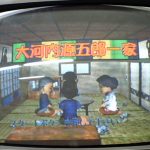
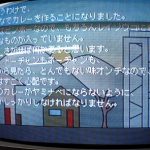
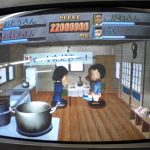
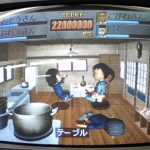
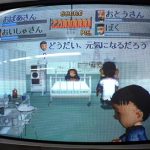
    What is going on in this strange game? I’m not sure. There are not many informations about Ohcouchi Gengorou Ikka, but a prototype was sold in 2005 on a Japanese auction, for about 57,000 yen, which should be around 400 euros. Who bought this proto? Probably some lucky collector who can now be the only one in the world to know what happens in Ohcouchi Gengorou Ikka. We can not understand much from the few screenshots leaked, but with some imagination we can speculate that this was going to be a “family simulator”, in which the player would have had to monitor the mood and the needs of a Japanese family, to make them happy. Or maybe something else.

    Links:

    Japanese 2007 blog entry about this game

    Images:

  • Pokèmon SNAP! [N64 – Beta]

    pokesnaplogo.jpg

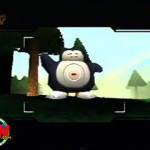
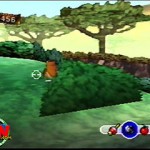
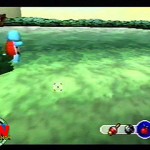
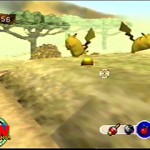
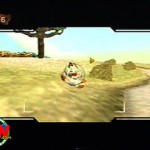
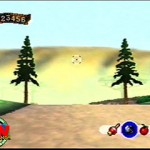
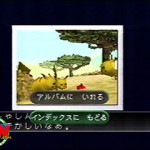
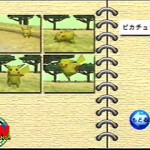
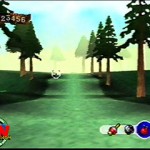
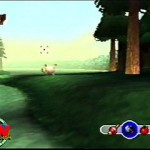
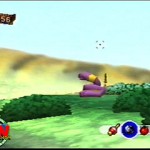
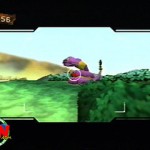
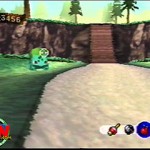
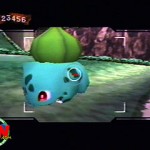
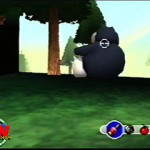
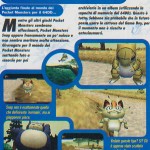
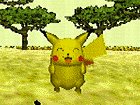
    Various beta images of Pokèmon Snap show a bar in the bottom right corner where you can select Pokè Flute, Apple, and some bomb thing. Also unseen in the same images are shots of a desert area not used in the final game. There’s also some screens from the forest and swamp, showing some pretty big changes. Ekans, the snake Pokèmon was also in the beta version, but not in the final. Why Ekans was cut is unknown. If you can notice more differences in the beta screens below, please let us know!

    Also, you could be interested in the “Jack and the Beanstalk” project , an unreleased Nintendo 64 game that evolved into Pokemon Snap!

    [thanks to Michael Cheek for the confirmation for these beta screens!]

    [Thanks to Henrique Resende for the contribute!]

    Images:

    Videos:

  • Sim City 64DD [N64 – Beta]

    simcity64ddlogo.jpg

    SimCity 64 is a city-building video game developed by HAL Laboratory and published by Nintendo, and believed to be a part of the SimCity series, although Maxis was not involved in the development or release of the game. The game is considerably obscure, given its Japan-only release and designation to run on the ill-fated Nintendo 64DD platform.

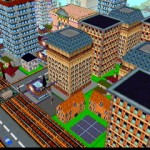
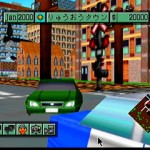
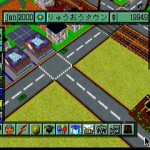
    Although general gameplay in SimCity 64 is much like SimCity 2000, the game’s graphical textures and building tilesets are considerably different. However, the game sports several advanced features that were not seen in SimCity 2000 or even SimCity 3000 (1999): The ability to view the city at night (now also available in SimCity 4), pedestrian level free-roaming of a city, and individual road vehicles and pedestrians (which could only be seen while in the free-roaming mode). Cities in the game are also presented in 3D hybrid graphics. The game SimCopter 64, which was first planned as a stand-alone game, was later integrated into Sim City 64. [Infos from Wikipedia]

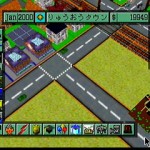
    Henrique Resende has sent to us some screenshots from a beta version of the game, in which the HUD is different from the final version.. and maybe more?

    Images:

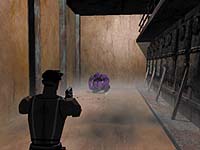
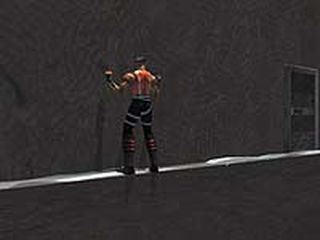
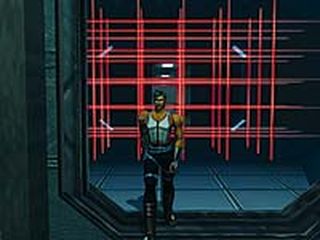
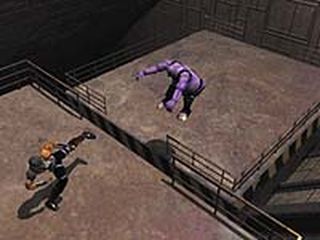
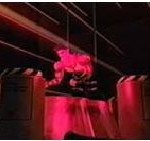
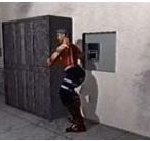
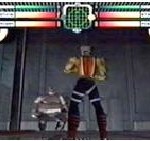
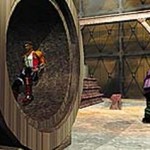
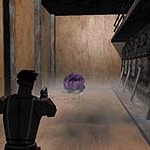
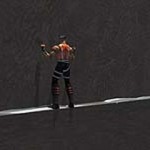
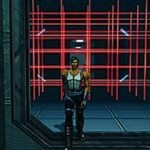
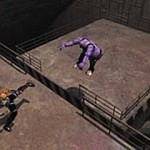
  • Mortal Kombat: Special Forces [N64/PSX – Unreleased/Beta]

    mksf64logo.jpg

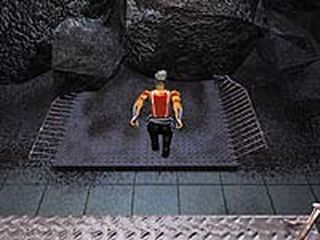
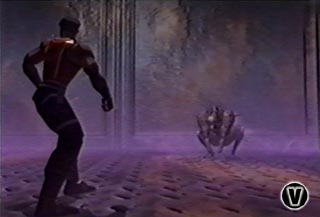
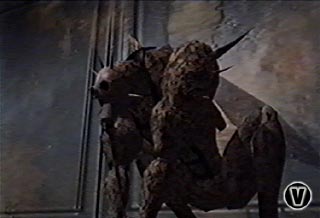
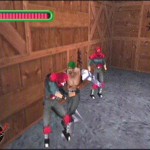
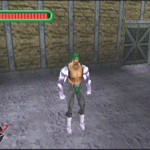
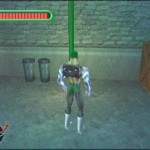
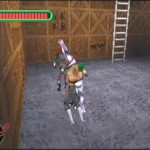
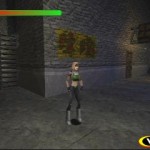
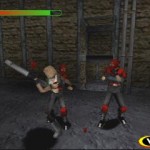
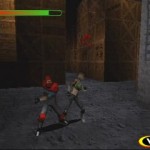
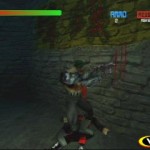
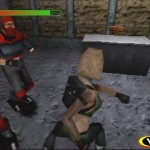
    Mortal Kombat: Special Forces is an action game for the original PlayStation. It was released in North America on July 30, 2000, and in Europe on September 29, 2000. The player to take on the role of Jax (a.k.a. Major Jackson Briggs) as he tracks down the Black Dragon. There were plans for a Nintendo 64 version but after Tobias’ departure and the release of the PlayStation 2 and Xbox systems, Midway management decided on a budget release of the game priced at $20.00 for the PS1 only. The N64 version could have been finished, but it was never released. [Infos from Wikipedia]

    Thanks to Edward Kirk we can read more interesting info from the Mortal Kombat Special Forces’ development:

    the game had a convoluted history which, with the departure of MK co-creator John Tobias from Midway, left it incomplete. The final release was only half the game that was originally planned, with the storyline shifting its place within the MK chronology

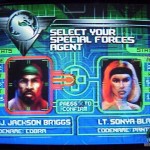
    the game was reduced from seven levels down to five, and from two characters down to one (Sonya was originally playable, but then removed).

    You can download a PDF with the full article written by Edward in here. It compares what was planned for the original game with the one that was released.

    In mid 2018 Rhythm Lunatic found a playable prototype from the beta / unreleased version of the game. You can see some footage below!

    Images:

    Videos:

  • Doraemon 64 [N64 – Tech Demo / Beta]

    doraemon64.jpg

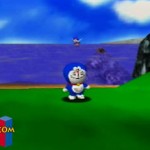
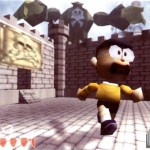
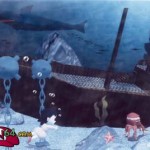
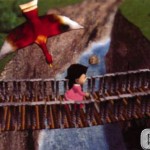
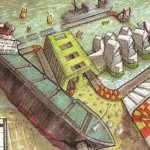
    Doraemon is a cat which has accompanied many generations of children with its famous series of cartoons. The character was created in 1969, but his fame has allowed him to be the protagonist of Doraemon 64, a 3d platform game releases in Japan in 1997. Obviously the final game is very different from the screenshots that you see in this page: the graphic was nicer and more defined, as the screens are probably from an early target render.

    These images were released to show the general look of the game, without being created in real time by the 64-Bit console. Perhaps the developers thought that they could have been able to create such good graphic in the final version. The scenarios in these target renders included a submarine level (with sanked ship), a castle with an huge boss and a classic green-field area.

    Unfortunately (or fortunately) I never played the final version of Doraemon 64 and I have no idea if the areas shown in these screenshots were then used in the game. If you would like to play this game, the full title is “Doraemon: Nobita to 3-tsu no Seirei Ishi”, then let us know if those places are really in the final version!

    italian_flag.jpg [spoiler /Clicca qui per la versione in Italiano/ /Nascondi la versione in Italiano/]Doraemon è un gatto pancione, che ha accompagnato intere generazioni di bambini con la famosa serie di cartoni animati. Il personaggio è stato creato nel 1969, ma la sua fama gli ha permesso di essere il protagonista di questo Doraemon 64, uscito in Giappone nel 1997. Ovviamente il gioco finale è molto differente dalle foto che potete vedere in questa pagina: la grafica mostrata nel tech demo è decisamente più bella e definita rispetto alla versione completa.

    Le immagini sono state diffuse come semplice Concept del gioco, senza essere create in real time dall’hardware a 64 Bit o forse gli sviluppatori pensavano di poter creare un simile livello grafico, una volta conluso il progetto. Gli scenari del Tech Demo includevano un livello sottomarino (compreso di nave affondata), un castello con un enorme boss ed una classica area verde.

    Purtroppo (o per fortuna) non ho mai giocato a Doraemon 64 e non ho idea se le ambientazioni mostrate in questi screenshots siano state poi realizzate effettivamente. Se qualche pazzo maniaco di Doraemon vorrà mai provare a giocare questo episodio per Nintendo 64, il titolo completo è “Doraemon: Nobita to 3-tsu no Seirei Ishi”: nel caso in cui lo provate e vi accorgete che le situazioni presenti nel Tech Demo siano assenti dalla versione finale, saremo lieti di ricevere una vostra email con tutte le informazioni! [/spoiler]

    Images:
  • Extreme G [N64 – Beta / Tech Demo]

    extremeg64logo.jpg

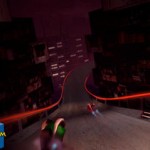
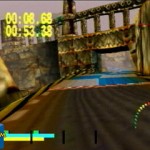
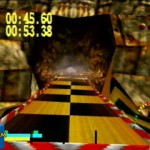
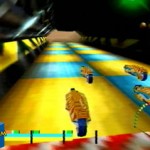
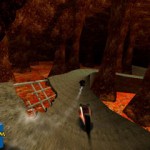
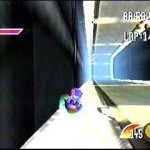
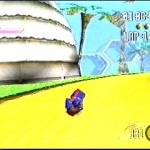
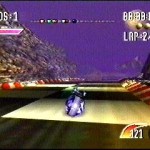
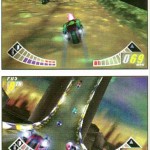
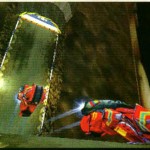
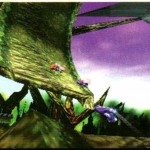
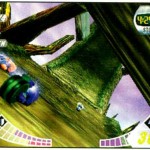
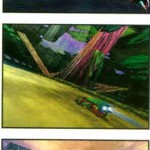
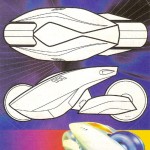
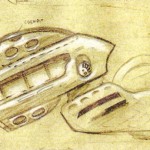
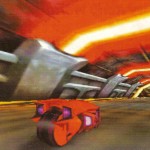
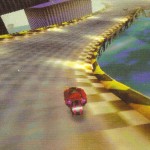
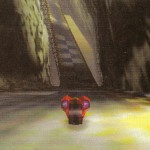
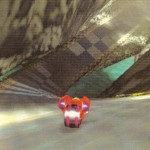
    Extreme G was just one of the many “extravagant” racing game that were released on the Nintendo 64. Developed as an alternative to F-Zero and Wipeout, the game was created by Probe Entertainment and published by Acclaim. When it was announced, some early pictures were released to show the graphic of the project. The 2 original screens are probably taken from a tech demo / target render, as the graphic is much more defined than the final version.

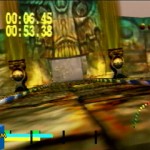
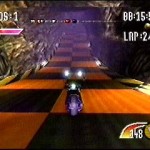
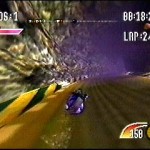
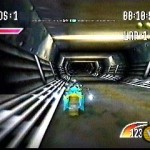
    The other images are taken from a Beta version: we can see in the bottom left of the screen, some debug bars, used by developers  to check the 3D engine parameters, such as the effort of the CPU and fluidity. The game still lacked many of the on-screen HUD, the speed was indicated with a needle and simple colored bars, while the lap-time was occupying too much of the screen.

    italian_flag.jpg [spoiler /Clicca qui per la versione in Italiano/ /Nascondi la versione in Italiano/]Extreme G è stato uno dei tanti racing game stravaganti che ha potuto vantare il Nintendo 64. Sviluppato come alternativa a F-Zero e Wipeout, il gioco è stato creato da Probe Entertainment e pubblicato da Acclaim. Quando fu annunciato, probe diffuse alcune immagini del gioco, per mostrare lo stile del suo nuovo progetto. Le 2 foto iniziali sono tratte probabilmente da un tech demo, creato su hardware più potente rispetto ad un normale Nintendo 64 e la grafica è molto più definita della versione finale. Le altre foto sono tratte dalla versione Beta vera e propria: possiamo infatti notare, in basso a sinistra, le barre di testing, usate dai programmatori per tenere controllati alcuni parametri del motore 3D, come lo sforzo della CPU e la fluidità. Mancavano ancora molte delle indicazioni su schermo, l’indicatore della velocità era segnalato da un semplice ago con barre colorate, mentre il tempo del percorso sembrava fin troppo grande e fastidioso, occupando parte della visuale. [/spoiler]

    Images:
    Video:
  • Extreme G 2 [N64 – Beta]

    extremeg2logo.jpg

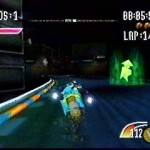
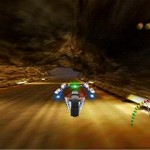
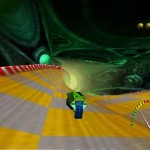
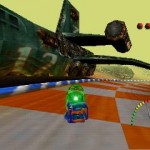
    Extreme-G 2 is the second Extreme-G game to be released on the Nintendo 64, developed by Probe Entertainment for Acclaim. In these early screens we can notice some beta differences and graphic details. Thanks to Mucus for the list!

    The Difference Of The Beta Version And The Original Version:

    • The Track Canous In The Beta Version Appears With No Snow, Looks Likes A Desert With Rocks
    • In The Beta Version You Can Use The Opponent Bike”s
    • Different HUD
    • Different Texture Of Sensara
    • Different Aquanor Level

    Thanks to playertw02 for some of these images!

    Images: